
 EN
EN
 English
 中文简体
中文简体

How to Choose a Cat Tree for Your Home?
 2026.02.13
 Industry News
When choosing a cat tree, the core principle is to satisfy your cat's "wild" needs and ensure their healthy growth. Here are the key factors to consider:
Structural Design and Height
A cat tree is not just a toy, but also your cat's "personal castle." Pay attention to its multi-tiered design.
Height: Cats naturally love to climb and look around. Prioritize cat trees with more tiers to ensure your cat can survey its surroundings from a higher position, satisfying its predator instincts.
Platform Layout: A good cat tree should include rest areas (such as hammocks or stools) and activity areas (such as jump platforms) at different heights, allowing your cat to exercise its muscles while climbing and relax its mind and body.
Material and Stability
The material of the cat tree directly affects its durability and safety.
Main Material: Prioritize cat trees made of solid wood, as their weight provides more stable support and prevents them from tipping over due to your cat's vigorous jumping.
Scratching Post Material: The scratching post is the core functional component of a cat tree. High-quality scratching posts are typically made of sisal, a material that is not only wear-resistant but also effectively shortens a cat's claws, preventing scratches on furniture.
Functionality and Comfort
Besides the basic structure, the details of the cat tree's design are also crucial.
Concealment: Some cat trees are designed with hidden resting chambers or caves, meeting the cat's need for hiding and providing a sense of security.
Ease of Cleaning: When purchasing a cat tree, consider its ease of cleaning. A smooth, dirt-free surface is easier to maintain, ensuring the cat's hygiene and safety.
Related Products
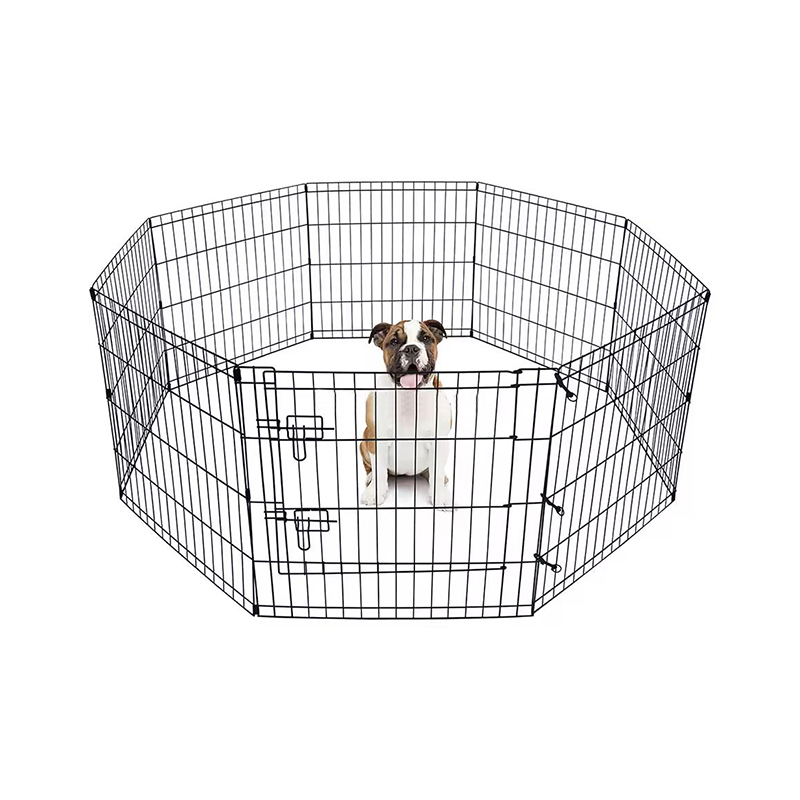
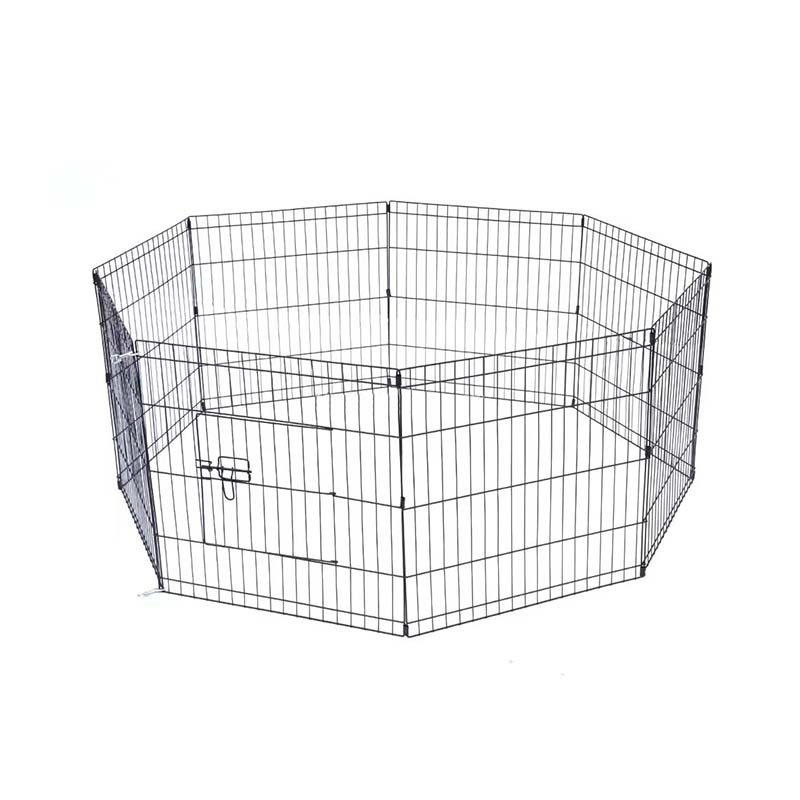
Your pet deserves good, Contact now.
Whether you want to become our partner or need our professional guidance or support in product selections and problem solutions, our experts are always ready to help within 12 hours globally.
 CONTACT US

QUICK LINKS
PRODUCTS
-
Address
- Room 501,Unit 1 ,Buliding 6,Wuyi Guoji Xincheng,No.379,Zhuxi Avenue,Jianyang District,Nanping City, Fujian Province.
- No. 139-6 , Tongyu Middle Road, Nantong, Jiangsu, China
-
Mobile
- +86-13616986006
-
E-mail :

Copyright © 2025 Pet Home (Haian) Co., Ltd All Rights Reserved. Custom Pet Cages Manufacturers OEM/ODM Pet Household Products Factory

