
 EN
EN
 English
 中文简体
中文简体

Bird Cage Factory
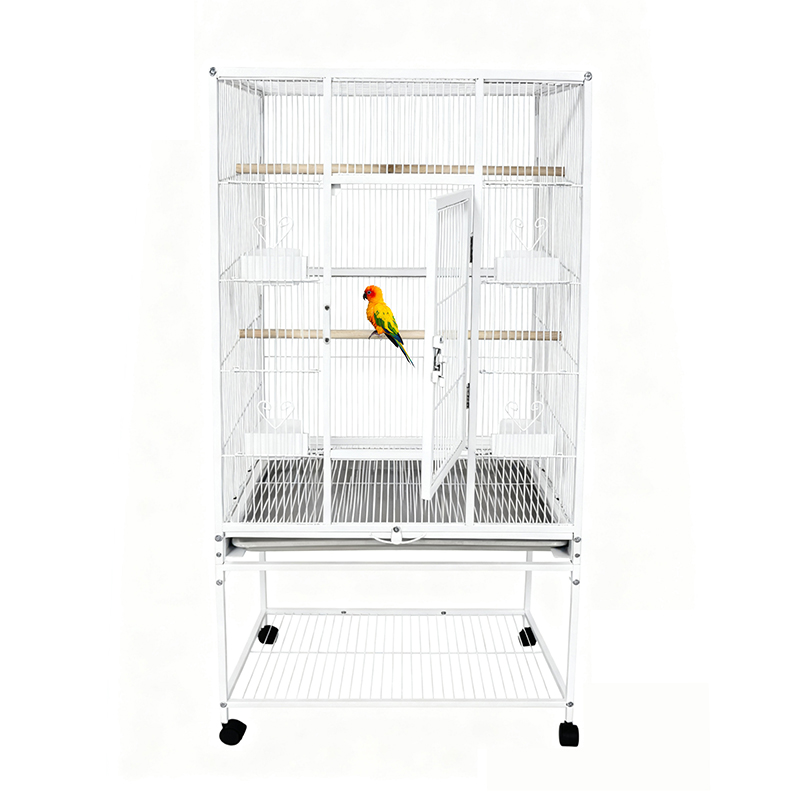
Every bird deserves a small world that is both safe and full of fun. In order to provide them with a healthier and more comfortable living environment, we have carefully crafted high-quality bird supplies covering small bird cages, large parrot cages, group bird cages, etc. to meet the needs of birds of different sizes and personalities, while taking into account aesthetics and practicality, so that pets and their owners can enjoy a better life.

Pet Home (Haian) Co., Ltd
Fujian Pet Home Co., Ltd. founded in 2009. We are an integrated set of industry and trade company,which have professional design, production for export pet cage. More than 15 years experience in pet cage production and sales . Main products included: Metal pet cage, Dog cage,pet playpen, soft pet crate, furniture style pet crate,cat litter box, wooden dog house, rabbit hutch, chicken coop, cat tree, pet bed and more than 150 products.
As a professional OEM Bird Cage Factory and ODM Bird Cage Company, Our products mainly exported to United States, Australia, New Zealand, Japan, Germany, Netherlands, France, Switzerland, Norway, Denmark, Poland, Belgium, Philippines, Mexico, Greece, Taiwan, Hong Kong and so on more than 20 countries. Our company have professional design and sales team. Two metal dog cage production line ,one furniture style pet crate production line. More than 50 containers been exported per month. The company provide quality products and service to all domestic and foreign customer
VIEW MORE
Products
Related Products
News
News & Update
-
Oct 05. 2026
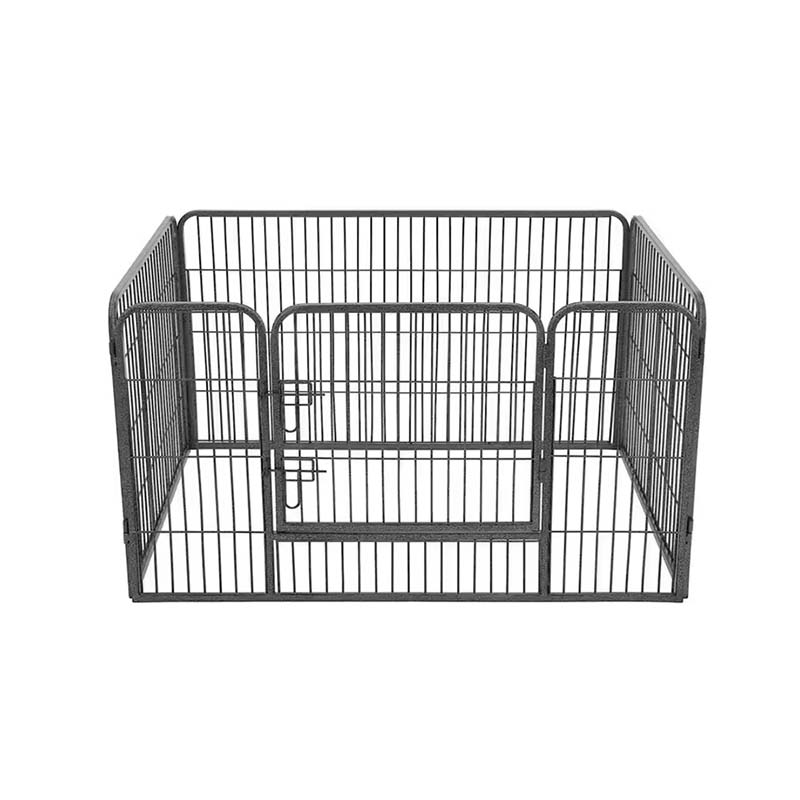
Crate Size by Breed: A Practical Sizing Guide for Pet Owners and WholesalersA customer once ordered a 36-inch crate for a Labrador Retriever puppy because an online chart listed “Labrador” under medium. Six weeks later, the puppy could not stand up without pressing his head against the top bars, and the retailer absorbed a return, a replacement shipment, and a frustrated review. That single m...
Read More -
Sep 28. 2026
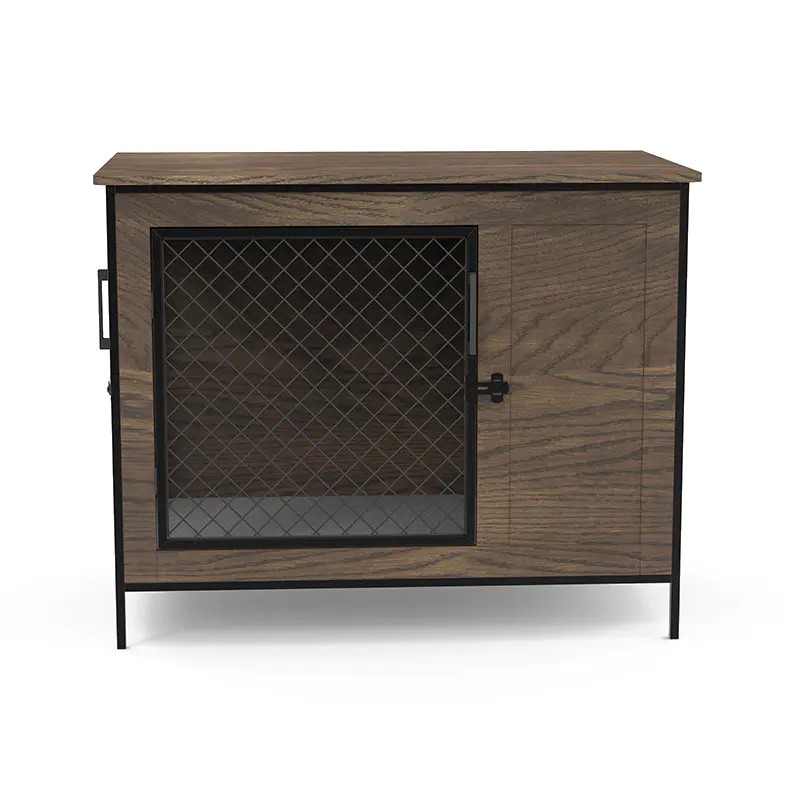
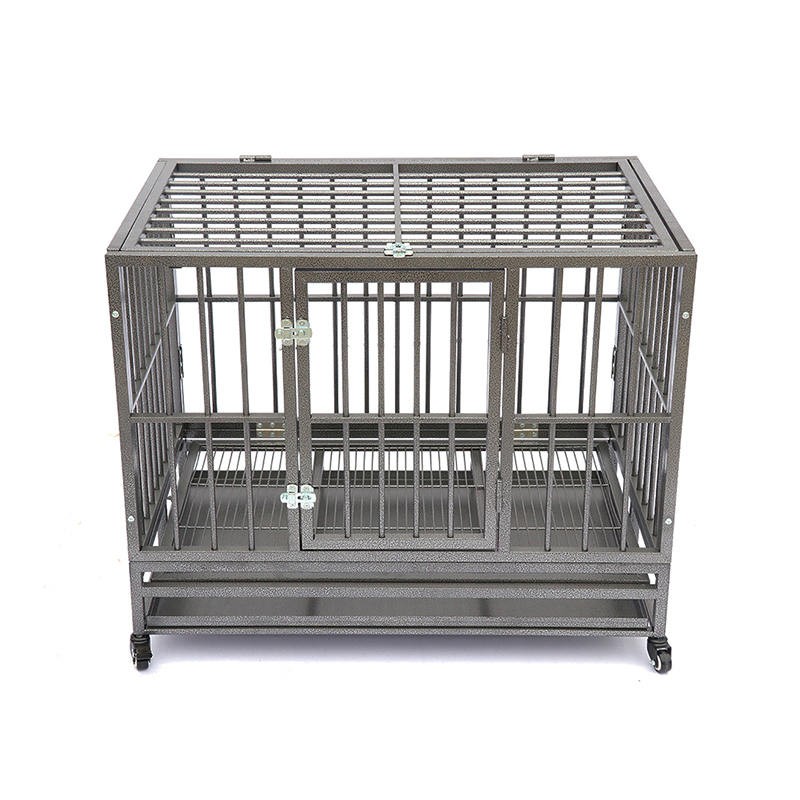
Cleaning Cages: A Practical Guide from a Pet Cage Manufacturer and SupplierA groomer emails about a rust ring that appears on a dog crate tray three months after delivery. A cat owner says the litter cabinet still smells after a full scrub. A parrot breeder cannot lift dried droppings off a perch without a chisel. Every one of those complaints gets filed under cleaning cages, and every one o...
Read More -
Sep 21. 2026
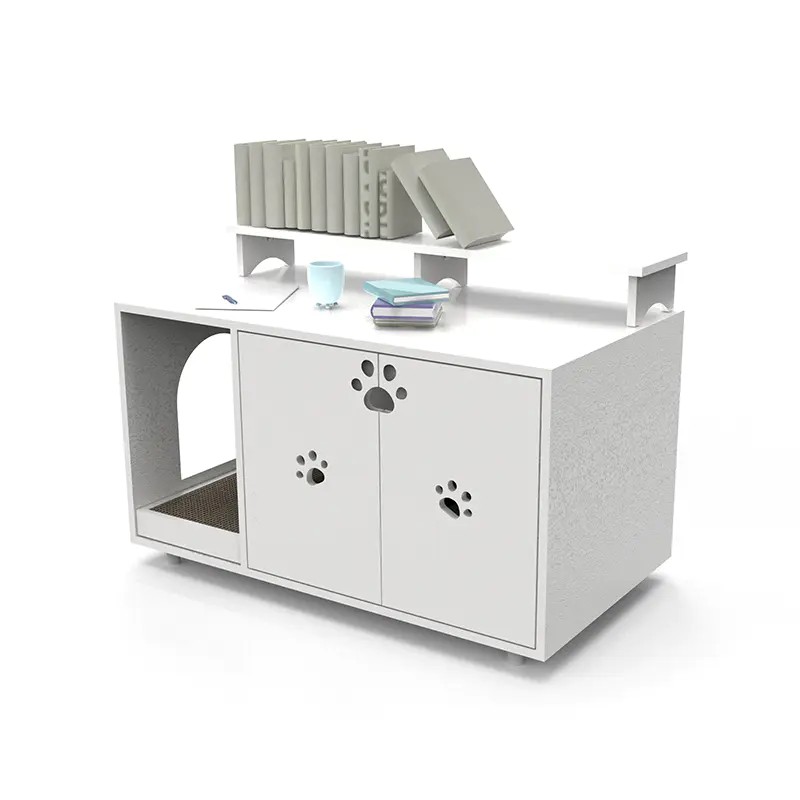
How to Clean the Cage: Dog, Cat, Bird, and Small Animal Cleaning GuideHow often you clean the cage is just as important as how you clean it. The goal is not to clean the cage over and over; the goal is to clean the cage consistently and correctly so that your pet stays healthy and your enclosure lasts longer. This guide gives you a practical routine for dog crates, cat cages, bird cages...
Read More
Message Feedback
knowledge
Industry knowledge
1. Understanding the Bird Cage Category
A bird cage is the primary living environment for a companion bird, and its design directly shapes a bird's health, behavior, and daily safety. Within this category, a well-built bird cage balances structural strength, ventilation, ease of cleaning, and correct spacing so that different species can move, climb, and rest without risk of injury. Manufacturers producing a bird cage line pay close attention to bar spacing, tray design, door mechanisms, and surface finish, since each of these details determines whether a specific bird cage suits a particular species and living environment. Buyers sourcing a bird cage for retail, veterinary, or breeding purposes generally look for consistent welding quality, non-toxic coatings, and dimensions aligned with recognized avian care standards. This page reviews the common bird cage types available in this category, the engineering considerations behind them, and the selection factors that help buyers match the right product to the right bird.
2. Common Types of Bird Cages and Their Characteristics
Bird cages are generally grouped by bird size, mobility needs, and intended placement. Understanding these groupings helps buyers narrow down the right structure before comparing specific dimensions or materials in detail.
(1) Small and Tabletop Bird Cages
Small tabletop cages are built for compact species such as budgies, canaries, and finches. They typically use narrower bar spacing to prevent escape or injury, keep a compact footprint suited to indoor tables or stands, and rely on lightweight frames that make daily cleaning and occasional relocation straightforward for the owner.
(2) Large Flight and Aviary Cages
Flight and aviary cages give parrots, cockatiels, and breeding pairs the vertical and horizontal room needed to stretch their wings and stay active. These structures generally use thicker gauge wire, reinforced corner joints, and multiple access doors, which support the more frequent feeding, cleaning, and handling that larger or more active birds require.
(3) Portable and Travel Cages
Portable cages are designed for transport to veterinary visits, shows, or short-term temporary housing. Their priorities are light weight, a foldable or collapsible frame, and secure latching, while still keeping enough ventilation to keep the bird comfortable during the trip.
(4) Furniture-Style Bird Cages
Furniture-style cages pair solid wood or wood-look panels with metal wire sections so the cage can double as a decorative piece within a living space. Many include a storage cabinet or shelving built into the base, which appeals to owners who want the cage to blend into the room rather than stand out as purely functional equipment.
| Cage Type | Typical Material | General Size Range | Suitable For |
|---|---|---|---|
| Small Tabletop Cage | Powder-coated steel wire | Up to 20 x 20 x 24 in | Budgies, canaries, finches |
| Flight or Aviary Cage | Heavy-gauge steel | Large multi-level enclosures | Parrots, cockatiels, breeding pairs |
| Travel or Carrier Cage | Lightweight steel or composite | Compact, foldable | Transport and veterinary visits |
| Furniture-Style Cage | Solid wood and steel wire | Cabinet-style, larger footprint | Home decor-focused owners |
3. Material Durability Across Common Bird Cage Frames
Frame material is one of the first factors buyers weigh when comparing bird cage options, since it affects corrosion resistance, weight, and long-term structural integrity. The chart below compares four commonly used materials on a relative durability scale, taking into account resistance to rust, impact tolerance, and expected service life under regular indoor use. This comparison helps explain why certain materials are chosen for specific cage types and climates, and it gives buyers a starting point for discussing coating options and maintenance expectations with a supplier before placing an order.
As the horizontal bar chart shows, stainless steel scores highest on this relative durability comparison, largely due to its resistance to moisture and oxidation in humid environments. Powder-coated steel follows closely behind, offering strong corrosion resistance as long as the coating stays intact and undamaged over time. Wrought iron performs reasonably well structurally, but it is more prone to surface rust once the finish is scratched or exposed to prolonged moisture. Solid wood, while attractive for furniture-style cages, generally scores lower on this scale, since it is more sensitive to humidity, chewing, and general wear compared with metal alternatives. These relative scores are not fixed guarantees of performance, because actual durability also depends on coating quality, welding consistency, and how carefully the cage is maintained. For households in humid climates, or for cages that get cleaned frequently with water, stainless steel or well-coated powder-coated steel tend to hold up better across years of daily use. For decorative or furniture-style applications placed indoors and cleaned less aggressively, solid wood paired with metal wire panels remains a practical and popular choice. Buyers evaluating a bird cage supplier should ask directly about the coating process, wire gauge, and any anti-rust treatment applied during production, since these details are not always visible from a photo. This kind of material comparison is also useful when setting warranty expectations and estimating replacement cycles across a product line. Ultimately, material selection should be matched to the target bird species, cage size, and the environment where the cage will be used every day.
4. Recommended Cage Width by Bird Species
Selecting a bird cage that is too small for a given species is one of the most common sourcing mistakes among first-time buyers and retailers. The chart below sets out general minimum recommended cage widths for several common companion bird species, based on widely referenced avian care guidelines. This visual lets buyers quickly compare space requirements across species before finalizing a purchase or building a product listing, and it also gives retailers a simple reference point when a customer is unsure how much room their bird actually needs.
This vertical bar chart makes clear that cage width should scale with wingspan and body size, rather than following one standard dimension across every species. Budgies and small finch-type birds can be housed comfortably in cages around eighteen inches wide, provided vertical perches and enrichment items are included inside. Cockatiels generally need a bit more room, with widths closer to twenty-four inches supporting natural movement and short flights within the enclosure. Conures and similarly sized parrots benefit from cages around thirty inches wide, since they tend to be more active and need space to climb and flap without hitting the bars. Larger species such as African greys need considerably more room, often around thirty-six inches, to reduce feather damage caused by repeated wing contact with the cage sides. Macaws, being the largest common companion species in this comparison, require the widest cages, frequently reaching forty-eight inches or more to accommodate their wingspan and activity level. Undersized cages are a frequent contributor to stress-related behaviors in birds, including feather plucking and reduced activity, which is exactly why this comparison matters for anyone advising customers on cage selection. These figures are general starting points rather than fixed rules, and a taller, multi-level design can sometimes help offset a narrower footprint. Buyers sourcing cages for multiple species should consider offering a range of widths within one product line to match these varying requirements. Matching cage width to species needs tends to reduce return rates and improve customer satisfaction after purchase. This chart works well as a practical reference point when building sizing guides for product listings or packaging inserts.
5. Bar Spacing Guidelines Across Bird Sizes
Bar spacing is one of the most safety-critical specifications in bird cage design, since gaps that are too wide can let a bird squeeze its head or body through and risk injury. The line chart below tracks how recommended bar spacing generally widens as bird size moves from small to giant species. This trend line is a useful check to confirm that a given bird cage design matches its intended bird category before production or purchase, and it helps explain to customers why a cage suited for a small finch is not appropriate for a larger parrot, even if the overall enclosure size looks adequate.
The line chart above shows a steady upward trend, reflecting how bar spacing needs to widen as bird body size and beak strength increase. For small species such as finches and budgies, spacing around half an inch is generally recommended to keep the head or feet from slipping between bars. Medium-sized birds such as cockatiels and small conures typically call for spacing closer to three-quarters of an inch, balancing safety with adequate visibility and airflow through the enclosure. Large species such as African greys and Amazon parrots are usually housed with spacing around one inch, since narrower gaps could feel restrictive and wider gaps could pose a safety risk. Giant species such as macaws need the widest spacing on this chart, often around one and a half inches, partly because their beak strength and body size make narrower spacing impractical for regular cleaning and interaction. Using spacing that is too wide for a given bird size is one of the most common oversights in cage selection, and this trend line offers a simple way to check that a design falls within a reasonable range. Spacing recommendations can vary slightly depending on regional guidelines and species-specific behavior, so this chart should be treated as a general reference rather than an exact standard. Manufacturers producing cages across multiple bird categories often keep several bar-spacing variants within the same cage style to serve different customer needs. Retailers can lean on this kind of chart to guide customers toward the correct variant based on the species they actually own. Consistent bar spacing across a product line also lowers the likelihood of returns tied to safety concerns. This visual complements the earlier width comparison by adding another dimension to species-appropriate cage selection.
6. Comparing Cage Types Across Key Performance Factors
Beyond size and material, buyers often need to compare how different bird cage styles perform across practical factors such as portability, capacity, durability, ventilation, and ease of cleaning. The radar chart below places three common cage types side by side across these five factors, giving a quick visual summary of their relative strengths. This kind of comparison is particularly useful for retailers building a catalog that needs to cover varied use cases, and it helps end users understand the trade-offs between a compact cage and a larger, more permanent enclosure.
The radar chart highlights how each cage style is optimized for a different mix of priorities rather than excelling everywhere at once. The tabletop cage, shown in orange, scores highest on portability and ease of cleaning, which makes it a practical choice for smaller living spaces and owners who move the cage between rooms often. The flight or aviary cage, shown in the darker shading, scores strongly on capacity, ventilation, and durability, reflecting its role as a long-term, spacious home for larger or more active birds. The travel cage, shown in yellow, scores highest on portability among the three, since it is purpose-built for short-term transport rather than permanent housing, which is also why its capacity and ventilation scores sit lower. No single cage type dominates across all five factors, which is exactly why product lines typically include multiple cage styles instead of one universal design. Buyers reviewing a supplier's catalog can use this comparison to check that the product range covers the full spectrum of customer needs, from compact starter cages to spacious permanent aviaries. Retailers can also lean on this visual when advising customers who are unsure whether they need a travel cage alongside their primary enclosure. Ventilation scores deserve particular attention, since poor airflow can contribute to humidity buildup and reduced air quality inside an enclosure. Durability scores here tend to line up with the material comparison discussed earlier, reinforcing the link between frame material and overall cage performance. Ease of cleaning is often underestimated by first-time buyers, but it becomes a daily consideration once a cage is in regular use. Taken together, this radar chart rounds out the picture from the earlier charts by showing how cage type, not just size or material, shapes overall suitability for a given bird and household.
7. Application Scenarios and Selection Guidelines
Choosing the right bird cage comes down to matching the enclosure to the bird's species, activity level, and the household environment it will live in. The points below summarize the selection factors buyers and retailers commonly apply when evaluating a bird cage for a specific use case.
- Match cage width and height to the species' wingspan and typical activity level, using recognized care guidelines as a reference point.
- Confirm bar spacing suits the bird's head and body size to prevent escape or injury risk.
- Consider how many birds will share the cage, since multi-bird setups generally call for flight or aviary-style cages rather than compact tabletop models.
- Check tray and door design for ease of daily cleaning and feeding access.
- Account for placement setting, choosing furniture-style designs for shared living spaces and travel cages for transport or temporary housing needs.
- Review frame material and coating quality against the local climate, particularly in humid regions where corrosion resistance matters more.
8. Maintenance and Care Guidance
Routine maintenance extends the service life of any bird cage and supports a healthier living environment for the bird inside it. Trays and grates should be removed and cleaned on a regular schedule to prevent waste buildup and reduce odor around the enclosure. Perches, feeders, and toys should be inspected periodically for wear, since damaged accessories can create sharp edges or become unstable underfoot. Frame joints and welds should be checked occasionally for looseness, particularly in cages that are moved frequently or used for larger, more active species. Coated surfaces should be wiped with a soft cloth and mild, bird-safe cleaning solutions rather than abrasive materials, which can damage the finish and expose bare metal underneath to moisture.
9. Manufacturing Experience Behind This Bird Cage Category
Consistent quality across a bird cage product line depends on stable production processes, from wire welding and coating application through to final assembly and packaging. Fujian Pet Home Co., Ltd. has built its bird cage and broader pet product manufacturing experience since 2009, supporting design, production, and export across a wide range of pet housing categories. This background in metal fabrication and coating processes informs the technical comparisons covered throughout this page, particularly around material durability and structural design. Buyers sourcing bird cages for retail or wholesale distribution often place real value on this kind of established production background when judging consistency across large order volumes.
10. Frequently Asked Questions
What is the ideal bar spacing for a bird cage?
Ideal spacing depends on the bird's size, ranging from around half an inch for small species to one and a half inches for giant parrots such as macaws.
How often should a bird cage be cleaned?
Trays and grates are typically cleaned daily or every few days, while a more thorough cleaning of bars and perches is usually done weekly.
Can a bird cage be used both indoors and outdoors?
Some flight and aviary cages are built for sheltered outdoor use, but most tabletop and furniture-style cages are designed primarily for indoor environments.
What material offers the best corrosion resistance?
Stainless steel and well-applied powder coating generally offer stronger corrosion resistance compared with untreated wrought iron or solid wood.
How do I choose the correct cage size for my bird?
Match cage width and height to the bird's wingspan and activity level, using species-specific guidelines such as those referenced in this article.
Are wooden bird cages suitable for all bird species?
Wooden and furniture-style cages work well for smaller, less destructive species, but larger or more active birds may need added metal reinforcement for durability.
Your pet deserves good, Contact now.
Whether you want to become our partner or need our professional guidance or support in product selections and problem solutions, our experts are always ready to help within 12 hours globally.
 CONTACT US

QUICK LINKS
PRODUCTS
-
Address
- Room 501,Unit 1 ,Buliding 6,Wuyi Guoji Xincheng,No.379,Zhuxi Avenue,Jianyang District,Nanping City, Fujian Province.
- No. 139-6 , Tongyu Middle Road, Nantong, Jiangsu, China
-
Mobile
- +86-13616986006
-
E-mail :

Copyright © 2025 Pet Home (Haian) Co., Ltd All Rights Reserved. Wholesale Bird Cage Factory Bird Cage Company

