
 EN
EN
 English
 中文简体
中文简体

Big Dog Cage Manufacturers
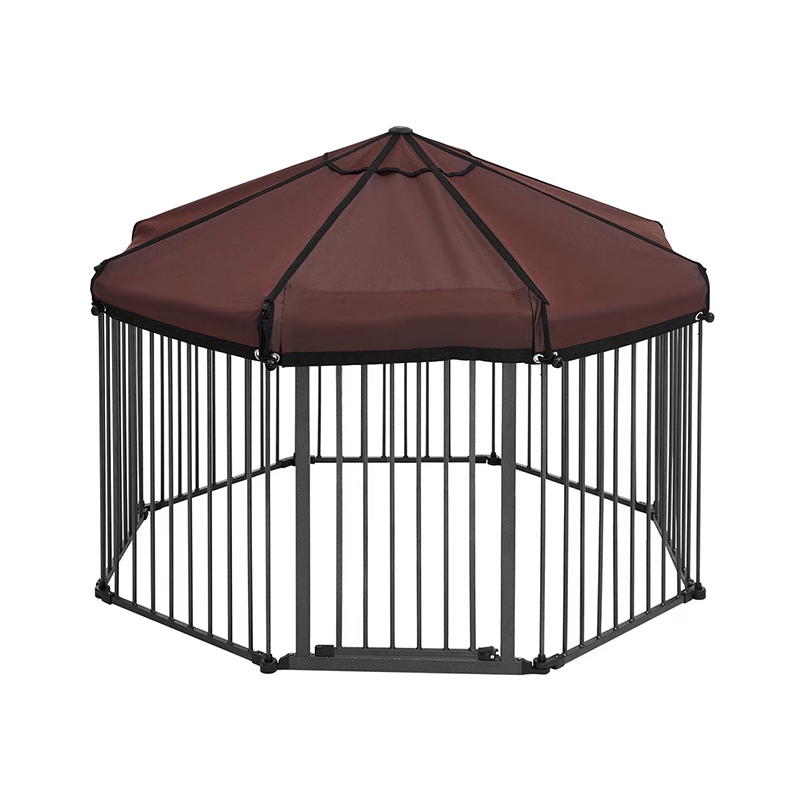
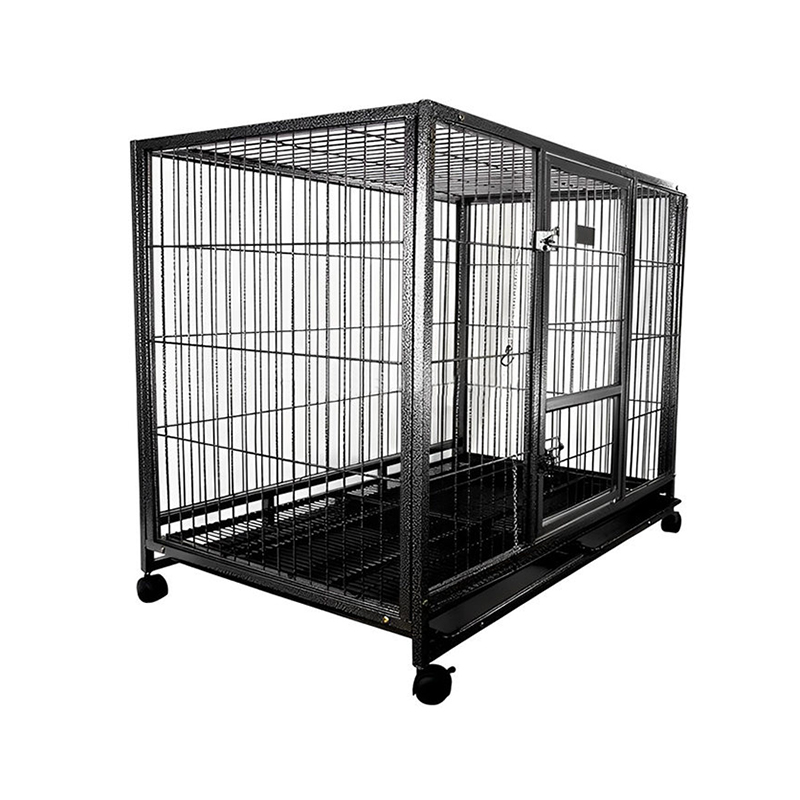
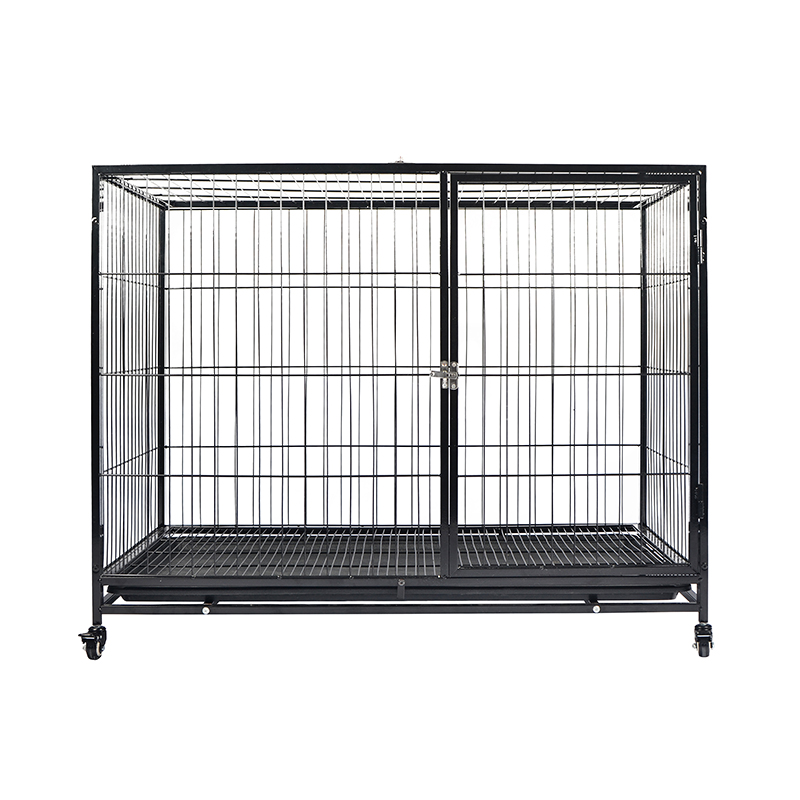
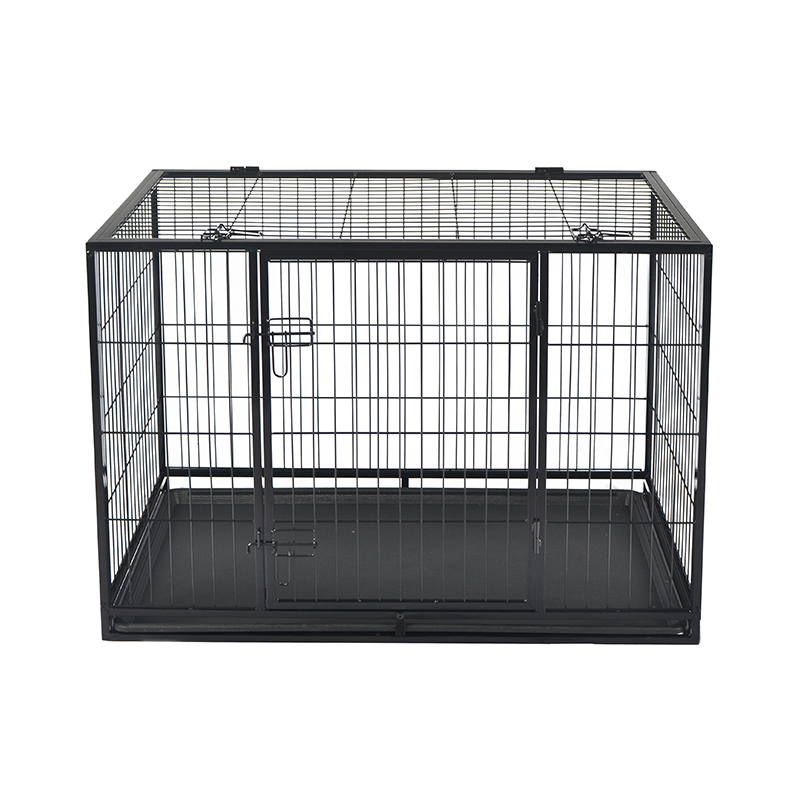
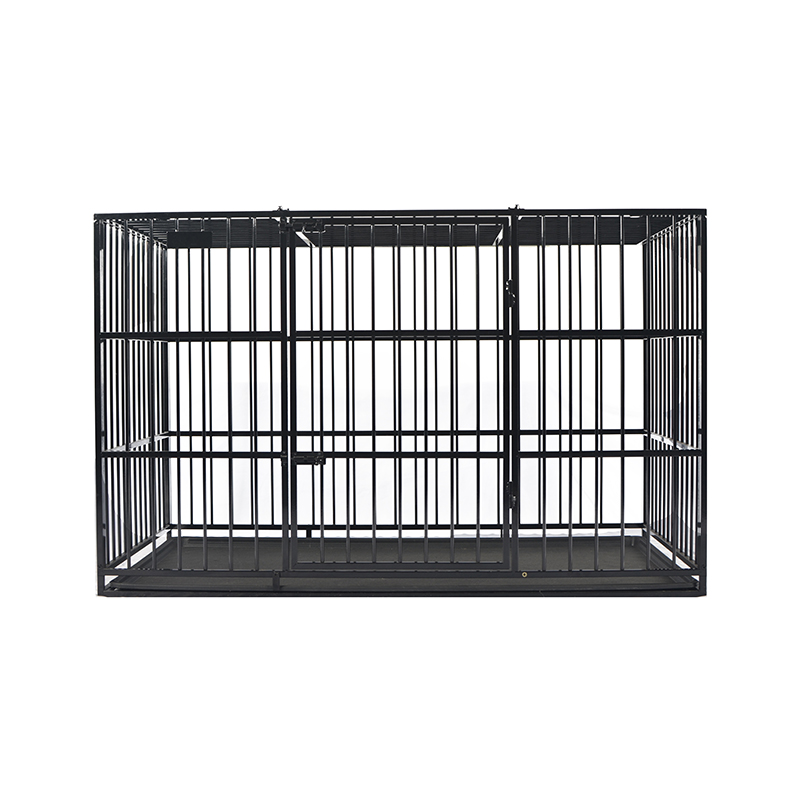
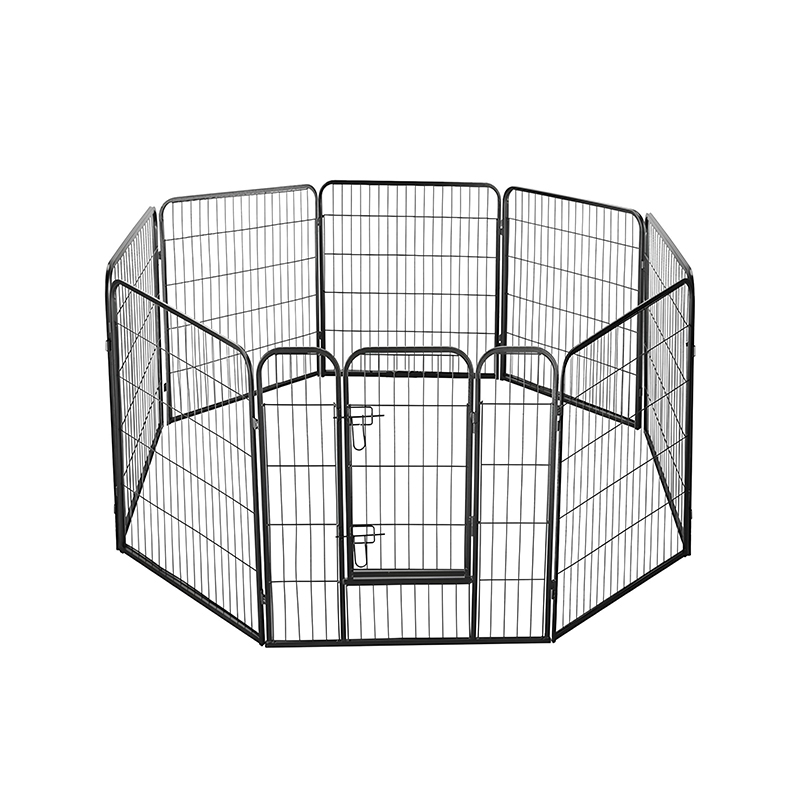
Create a sturdy and free home for your dog in the wide open spaces. This outdoor big dog cage designed for large dogs is made of thickened galvanized steel pipe skeleton, and each pipe is treated with rust-proof spraying. The space inside the crate has been scientifically calculated to ensure that your dog can turn around, stand up and lie down freely.
The modular design of the big dog cage allows you to freely adjust the placement according to your yard space. Whether it's for daily care, temporary isolation, or as a safe space to rest at night, the large dog crate will be a solid fortress to protect your dog and give you peace of mind when you're out and about.

Pet Home (Haian) Co., Ltd
Fujian Pet Home Co., Ltd. founded in 2009. We are an integrated set of industry and trade company,which have professional design, production for export pet cage. More than 15 years experience in pet cage production and sales . Main products included: Metal pet cage, Dog cage,pet playpen, soft pet crate, furniture style pet crate,cat litter box, wooden dog house, rabbit hutch, chicken coop, cat tree, pet bed and more than 150 products.
As a professional OEM Big Dog Cage Manufacturers and ODM Heavy Duty Dog Cage Factory, Our products mainly exported to United States, Australia, New Zealand, Japan, Germany, Netherlands, France, Switzerland, Norway, Denmark, Poland, Belgium, Philippines, Mexico, Greece, Taiwan, Hong Kong and so on more than 20 countries. Our company have professional design and sales team. Two metal dog cage production line ,one furniture style pet crate production line. More than 50 containers been exported per month. The company provide quality products and service to all domestic and foreign customer
VIEW MORE
Products
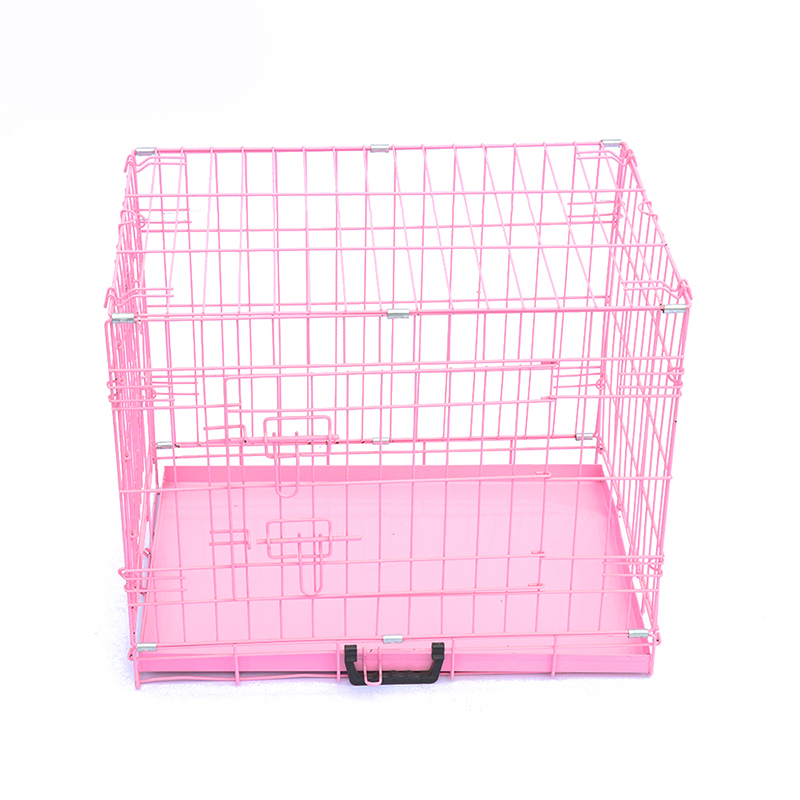
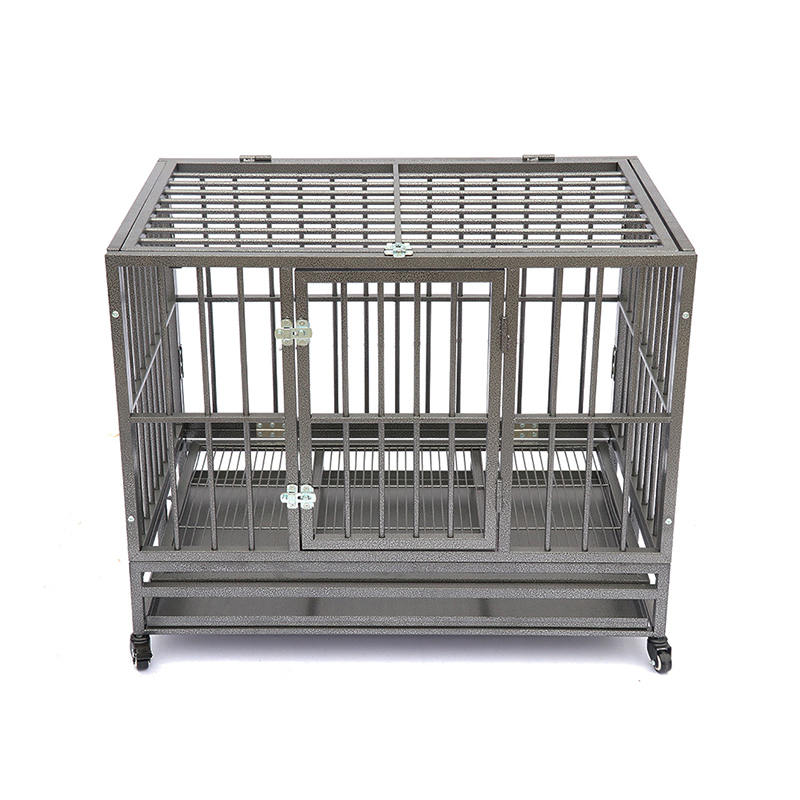
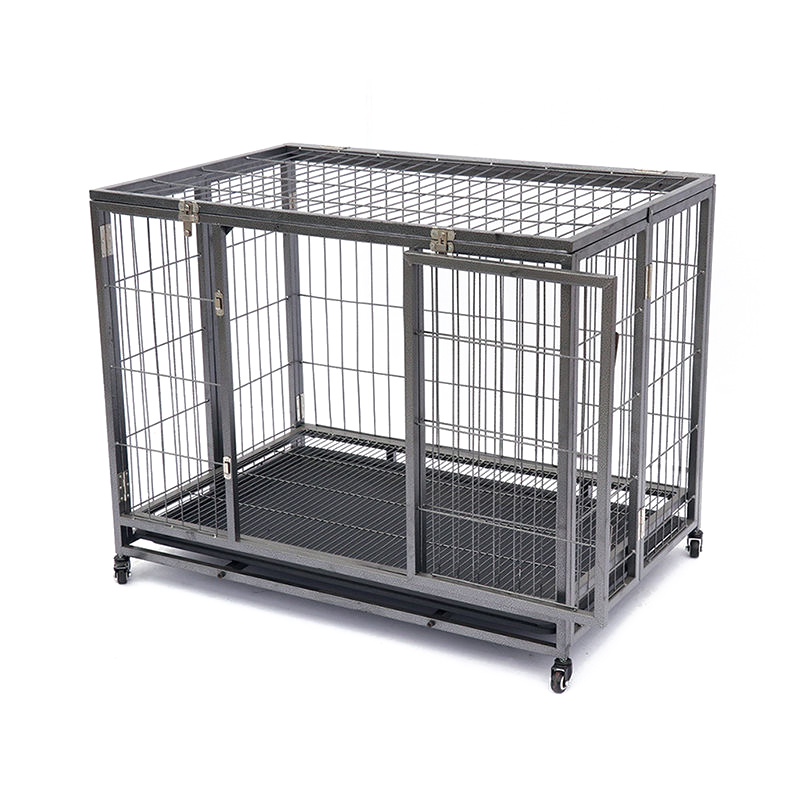
Related Products
News
News & Update
-
Oct 05. 2026
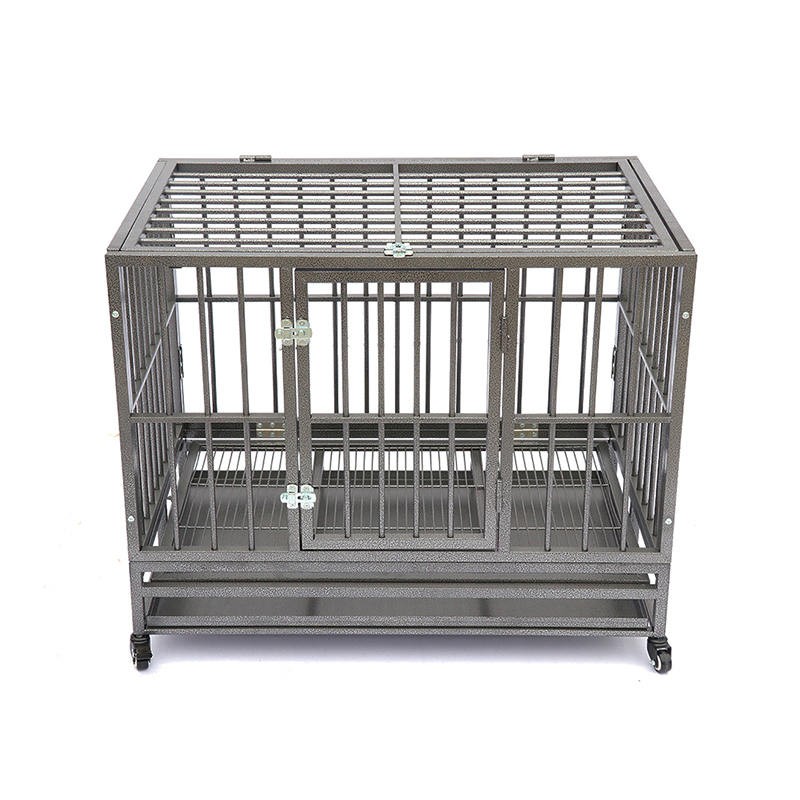
Crate Size by Breed: A Practical Sizing Guide for Pet Owners and WholesalersA customer once ordered a 36-inch crate for a Labrador Retriever puppy because an online chart listed “Labrador” under medium. Six weeks later, the puppy could not stand up without pressing his head against the top bars, and the retailer absorbed a return, a replacement shipment, and a frustrated review. That single m...
Read More -
Sep 28. 2026
Cleaning Cages: A Practical Guide from a Pet Cage Manufacturer and SupplierA groomer emails about a rust ring that appears on a dog crate tray three months after delivery. A cat owner says the litter cabinet still smells after a full scrub. A parrot breeder cannot lift dried droppings off a perch without a chisel. Every one of those complaints gets filed under cleaning cages, and every one o...
Read More -
Sep 21. 2026
How to Clean the Cage: Dog, Cat, Bird, and Small Animal Cleaning GuideHow often you clean the cage is just as important as how you clean it. The goal is not to clean the cage over and over; the goal is to clean the cage consistently and correctly so that your pet stays healthy and your enclosure lasts longer. This guide gives you a practical routine for dog crates, cat cages, bird cages...
Read More
Message Feedback
knowledge
Industry knowledge
1. Overview of Big Dog Cage Products
A big dog cage is a structural containment and travel product designed specifically for larger dog breeds, typically dogs weighing more than forty pounds or standing above the mid size breed range. This category covers a broad set of configurations built from steel wire, aluminum framing, and coated metal panels, each intended to provide a secure, ventilated, and durable enclosure for a dog that is too large for standard small or medium sized housing products. A big dog cage generally serves several practical purposes at once, including home containment, indoor training, vehicle transport, and temporary housing in settings such as boarding facilities. Because larger breeds place greater physical demands on any containment structure, products in this category are typically built with thicker wire gauge, reinforced frame joints, and stronger latch mechanisms compared with cages intended for smaller animals.
The overall design goal of a big dog cage is to combine sufficient interior space with a frame strong enough to withstand the weight, movement, and occasional pressure applied by a large or giant breed dog. This article reviews the common structural types found within the big dog cage category, along with material considerations, sizing guidance, application scenarios, and general maintenance practices that apply across most configurations. Buyers exploring this category are often comparing folding wire designs against more rigid panel or aluminum frame alternatives, and the right choice generally depends on how the cage will be used from day to day. A big dog cage intended mainly for stationary home use may prioritize different features than one intended for repeated transport or outdoor kennel arrangements.
2. Common Types and Structural Characteristics
Big dog cages are generally produced in a handful of recognizable structural formats, each shaped by frame material, door configuration, and intended mobility. The following overview describes five common configurations found within the big dog cage category, along with their general structural characteristics and typical use context.
(1) Heavy Duty Folding Wire Crate
A heavy duty folding wire crate uses a welded steel wire panel structure that folds flat for storage or transport, typically secured with reinforced corner brackets and a locking hinge system. This configuration is widely used because it combines a rigid open frame with a relatively lightweight folding mechanism, allowing the structure to be set up or broken down without tools. Larger versions of this format generally use a thicker wire gauge and additional cross bracing along the top and side panels to support the increased size and weight associated with big dog cage applications. Ventilation is generally strong in this configuration, since the open wire construction allows airflow from nearly every side of the enclosure.
(2) Aluminum Frame Crate
An aluminum frame crate uses lightweight metal framing combined with either mesh or solid panel inserts, offering a favorable strength to weight ratio compared with heavier steel alternatives. This configuration is often selected for transport oriented use, since aluminum framing can reduce overall product weight without significantly compromising structural rigidity. Corner joints in an aluminum frame crate are typically bolted or riveted rather than welded, which can support easier replacement of individual panels if a section becomes damaged over time.
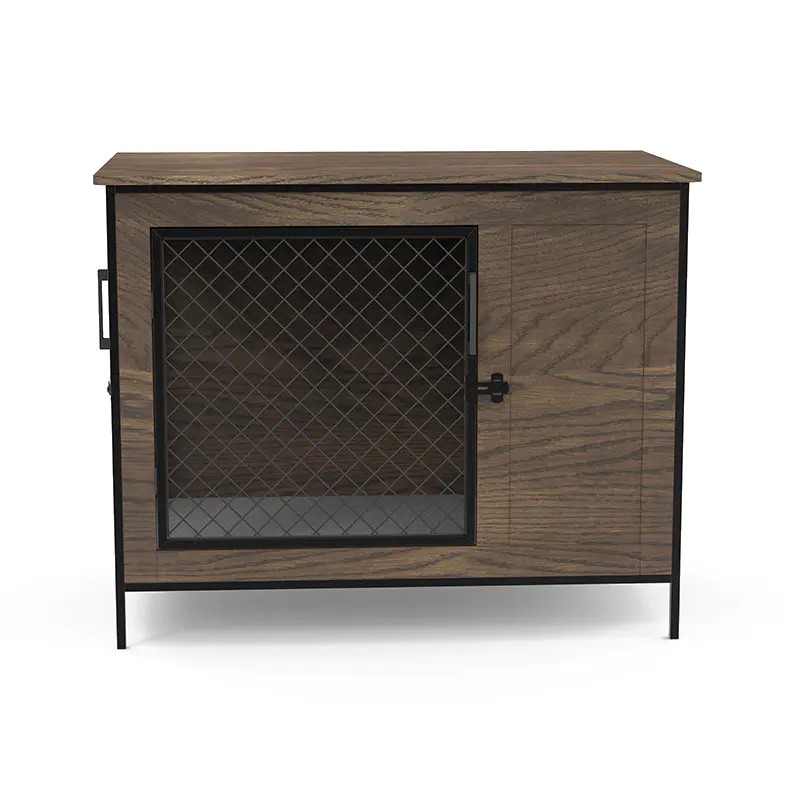
(3) Furniture Style Crate
A furniture style crate incorporates a wooden or panel exterior shell around an internal metal frame, designed to fit into a home environment while still providing a secure containment structure. This format typically includes a removable or hinged top panel and side ventilation slots positioned to maintain airflow without exposing the full wire structure seen in a standard wire crate. Furniture style big dog cages are generally heavier and less portable than folding wire designs, since the additional panel material adds both weight and rigidity.
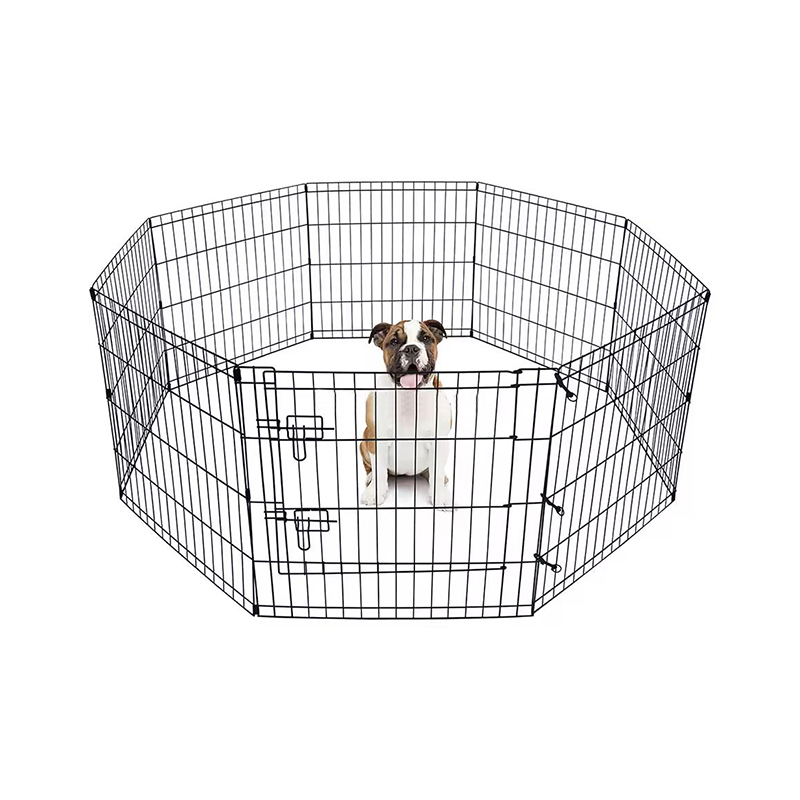
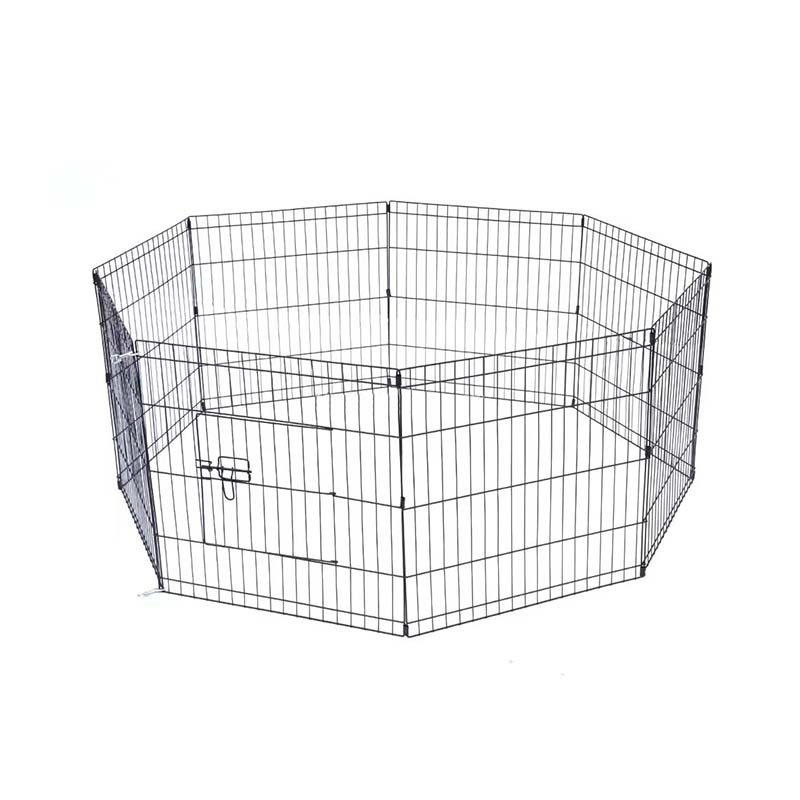
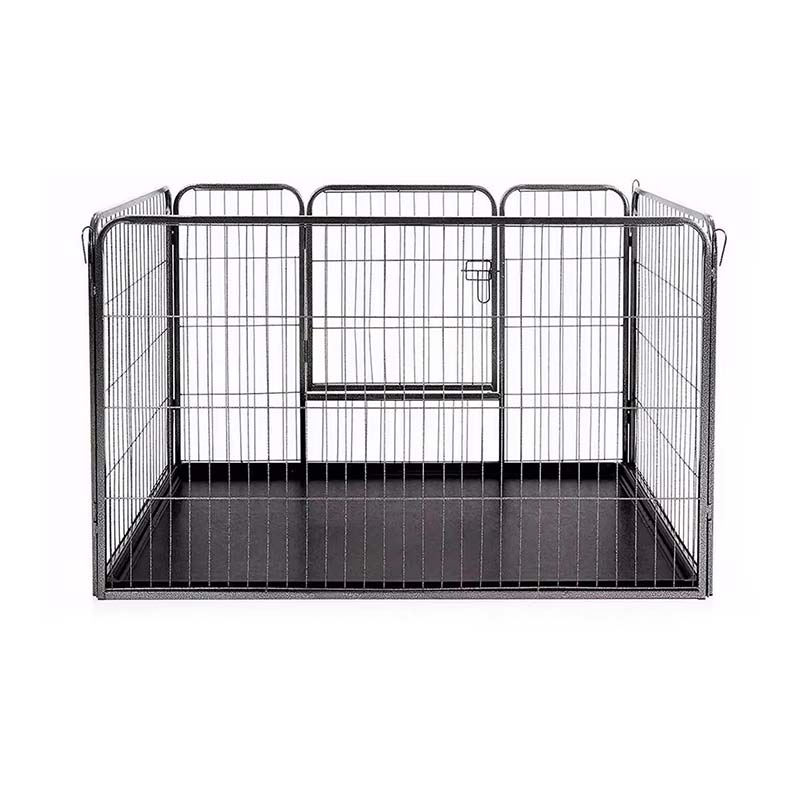
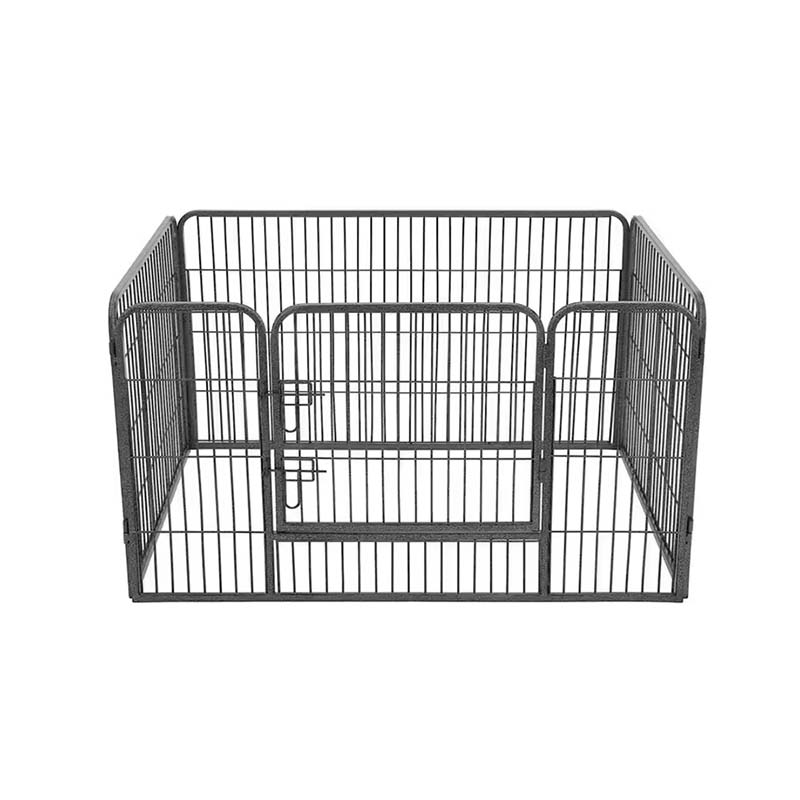
(4) Modular Panel Playpen or Kennel
A modular panel playpen uses individual connectable panels rather than a single fixed enclosure, allowing the overall footprint to be adjusted based on available space or the number of dogs being contained. This configuration is often used alongside a covered crate placed inside the pen, giving a dog both an open movement area and a more enclosed resting space. Panel height and connector strength are particularly important considerations for larger breeds, since a modular playpen intended for big dog cage applications generally requires taller panels and more robust locking connectors than versions designed for smaller animals.
(5) Double Door Crate
A double door crate includes two separate access points, typically one on the front panel and one on the side panel, which can simplify placement in vehicles or tighter indoor spaces. This configuration is common among big dog cage products intended for vehicle transport, since a side entry door can make loading and unloading a large dog considerably more practical depending on vehicle layout. Double door designs generally use the same wire gauge and frame reinforcement approach as single door folding crates, with the additional door requiring its own reinforced latch and hinge assembly.
3. Materials and Construction Principles
The frame material used in a big dog cage has a direct effect on how the structure handles repeated stress from a large or giant breed dog. Common materials across this category include heavy gauge steel wire, powder coated steel panel, aluminum framing, and standard wire mesh, each assembled using welded joints, bolted connections, or riveted panel seams depending on the configuration. Wire gauge is typically described using a numbering system where a lower gauge number corresponds to a thicker, stronger wire, and big dog cage products generally use a heavier gauge than cages intended for smaller breeds. Powder coating is commonly applied to steel components to provide a protective surface layer that can help reduce surface corrosion from moisture exposure over repeated use. Latch and hinge hardware also plays an important structural role, since a dog placing weight or pressure against a door panel relies on the latch mechanism to keep the enclosure secure. Tray or base construction varies by configuration, with some big dog cage designs using a removable plastic or metal base pan positioned above the main frame rails.
Frame material selection is one of the most frequently compared aspects among big dog cage buyers evaluating different configurations. Different materials offer varying combinations of strength, weight, and long term durability under repeated use. Understanding these general differences can help clarify why certain configurations are positioned for specific use cases. The chart below presents a relative structural strength comparison across four commonly used frame materials found in this category. These ratings reflect general material characteristics rather than results from a specific testing program.
As shown in the chart, heavy gauge steel wire generally receives the highest relative strength rating among the four materials compared. This is primarily because a thicker wire diameter can withstand greater bending force and repeated pressure without deforming. Powder coated steel panel construction follows closely behind, since it shares a similar base steel material while adding a protective surface coating rather than changing the underlying structural strength. Aluminum framing shows a moderately high rating, reflecting its generally favorable strength to weight ratio even though it typically weighs less than comparable steel components. This lighter weight is often viewed as an advantage for transport oriented big dog cage applications, even though aluminum can flex slightly more than heavy gauge steel under significant pressure. Standard wire mesh shows the lowest relative rating among the materials shown, which is consistent with its more common use in cages intended for smaller or lighter breeds. For large or giant breed dogs that place greater physical demands on an enclosure, heavy gauge steel wire or powder coated steel panel construction are generally considered more suitable starting points. For buyers prioritizing portability alongside reasonable strength, an aluminum frame configuration can offer a practical middle ground. Selecting an appropriate frame material often depends on balancing the size and behavior of the dog against how frequently the cage will be moved or transported. This chart is intended to support general material awareness rather than to represent formal laboratory testing results.
4. Sizing and Selection Guidelines
Correct sizing is one of the most important factors when selecting a big dog cage, since an enclosure that is too small can restrict natural movement, while an oversized structure may take up unnecessary space. A commonly referenced approach involves measuring the dog from the tip of the nose to the base of the tail, then adding several inches to determine a comfortable interior length that allows the dog to stand, turn, and lie down without difficulty. Shoulder height is also relevant, particularly for taller breeds, since interior clearance should generally allow the dog to stand fully upright without the head touching the top panel. Door width and height matter as well, especially for big dog cage configurations intended for frequent entry and exit, since a narrow opening can make daily use less convenient regardless of how spacious the interior may be.
Key measurements typically considered when selecting a big dog cage include:
- Body length from nose to base of tail, plus additional clearance space
- Shoulder height while standing, for vertical interior clearance
- Chest width, particularly for broad chested large breeds
- Door opening width and height relative to typical entry posture
Dog weight is one of the most commonly used reference points when comparing recommended crate dimensions across different big dog cage products. Heavier breeds generally require a longer interior length to comfortably accommodate their body size. This relationship is not exact, since individual body proportions can vary even within a similar weight range. The chart below outlines general minimum crate length guidance across four weight categories. These figures represent common reference ranges rather than fixed requirements for every individual dog.
As shown in the chart, dogs in the forty to sixty pound range are generally associated with a minimum crate length around thirty six inches. This length typically provides enough room for a dog of this size to lie down fully extended and turn around without difficulty. Dogs in the sixty to ninety pound range show a moderate increase in recommended length, reflecting the larger average body size found within this category. The ninety to one hundred twenty pound range continues this upward pattern, since dogs of this size generally require additional length to stand and reposition comfortably inside the enclosure. Dogs weighing more than one hundred twenty pounds show the highest recommended length among the four categories illustrated in the chart. These larger big dog cage requirements are common among giant breed owners, where standard large breed dimensions may not provide sufficient interior space. It is generally advisable to measure the individual dog directly rather than relying solely on weight based estimates, since body proportions can differ meaningfully between breeds of similar weight. A cage that is slightly larger than the minimum recommendation can still be appropriate, particularly if the dog is expected to continue growing. Interior height should also be considered alongside length, since a dog that can lie down comfortably but cannot stand fully upright may still experience limited comfort. These general guidelines can help narrow down suitable big dog cage options before comparing specific configurations in more detail.
5. Growth Considerations for Large and Giant Breeds
Large and giant breed puppies typically undergo an extended growth period compared with smaller breeds, often continuing to gain significant body weight well past the first year. This growth pattern is relevant when selecting a big dog cage, since a structure sized for a young puppy may become undersized well before the dog reaches full adult proportions. Some owners choose a cage sized for the expected adult dimensions from the beginning, while others prefer to size up gradually as the puppy grows.
Understanding a general large breed growth pattern can help clarify why crate sizing decisions are often revisited during a dog's first one to two years. Large and giant breed puppies typically gain weight rapidly during the first several months before growth begins to slow. The chart below presents a general illustrative growth pattern for a large breed dog across several developmental stages. This pattern is intended as a general reference rather than a prediction for any individual dog. Actual growth timing and final adult weight can vary considerably between individual dogs and breed lines.
As shown in the chart, weight gain during the earliest months illustrated tends to occur at a relatively fast pace, reflecting the rapid early development commonly seen in large breed puppies. Growth continues at a somewhat slower but still steady pace through the middle portion of the timeline shown. By the later stages illustrated in the chart, the growth curve begins to level off as the dog approaches a more stable adult weight range. This leveling pattern is commonly associated with the transition from rapid puppy development into early adulthood. Because of this extended growth period, a big dog cage purchased during early puppyhood may need to be reassessed as the dog approaches the later stages shown in the chart. Some owners address this by selecting a modular panel playpen or an adjustable divider system that can accommodate a growing puppy without requiring an entirely new structure. Others choose to size the enclosure for the anticipated adult range from the start, accepting additional interior space during the earlier growth stages. Monitoring general body condition alongside weight can also help determine whether a current enclosure remains appropriately sized. Reviewing general breed information can provide a helpful starting point when estimating where an individual puppy may fall along this type of growth pattern. This chart is intended to illustrate a general developmental concept rather than to represent a specific growth study.
6. Application Scenarios for Big Dog Cages
A big dog cage is generally used across several distinct scenarios, each placing slightly different demands on the structure. In a home setting, a big dog cage is often used to provide a defined resting space, support house training, or manage short periods of containment when supervision is not possible. For travel and vehicle transport, a big dog cage is typically selected based on how well it fits within the available vehicle space, with double door configurations and lighter aluminum framing often preferred for this purpose. Boarding facilities and similar settings frequently rely on stackable or modular big dog cage configurations to house multiple large breed dogs within a limited floor area, prioritizing durability and ease of cleaning across repeated use. Veterinary and grooming environments generally favor configurations with strong ventilation and straightforward access, since dogs may spend recovery or waiting periods inside the enclosure. Training oriented use often centers on a properly sized single chamber crate, since a big dog cage used for this purpose is generally expected to feel secure and appropriately proportioned rather than excessively spacious.
Typical settings where a big dog cage is commonly used include:
- Residential home containment and house training
- Vehicle and travel transport
- Boarding and daycare facilities
- Veterinary and grooming environments
- Indoor training and behavior management
7. Comparative Analysis of Big Dog Cage Types
Comparing structural types side by side can help clarify which big dog cage configuration best matches a particular use case. The table below summarizes general characteristics across the five common types described earlier in this article.
Beyond individual specifications, it can be useful to compare big dog cage types across several performance dimensions at once. A radar style comparison allows multiple characteristics to be viewed together within a single visual format. The chart below compares three common big dog cage configurations across five performance related dimensions. These dimensions include portability, ventilation, durability, security, and ease of cleaning. The values shown are relative estimates intended to support general comparison rather than precise measurement.
As the chart illustrates, the heavy duty folding wire crate tends to score relatively higher in portability and ventilation compared with the other two configurations shown. This is generally attributed to its open wire construction and folding mechanism, which supports both airflow and relatively convenient storage. The aluminum frame crate shows a relatively balanced profile, with somewhat stronger durability and security ratings reflecting its more rigid bolted frame construction. However, the aluminum frame configuration generally scores lower in portability compared with the folding wire crate, since aluminum framing does not typically fold flat in the same way. The modular panel playpen scores comparatively higher in ease of cleaning, which is often related to its open panel design and lack of a fully enclosed base tray in many configurations. Security ratings for the modular panel playpen tend to be somewhat lower in this comparison, since panel based enclosures generally rely more heavily on connector strength rather than a fully welded frame. Ventilation scores remain relatively high across all three configurations, reflecting the generally open construction found throughout the big dog cage category. Buyers prioritizing frequent transport or storage may lean toward configurations with stronger portability ratings. Buyers prioritizing long term stability in a fixed location may place more weight on frame rigidity and security ratings instead. This radar comparison is intended as a general decision support tool rather than a definitive ranking of any single big dog cage type.
8. Portability, Assembly and Storage Considerations
Portability is a meaningful consideration for many big dog cage buyers, particularly those who travel frequently or need to reconfigure living space on a regular basis. Folding wire configurations generally offer the most straightforward setup and breakdown process, often collapsing into a relatively flat profile that can be stored against a wall or inside a vehicle. Aluminum frame crates, while somewhat lighter than steel alternatives, typically involve a bolted assembly process that is less suited to frequent breakdown and reassembly. Furniture style crates are generally the least portable configuration within this category, since their added panel material and overall weight make them better suited to a fixed placement within a home.
Modular panel playpens offer a different type of flexibility, allowing the footprint to be adjusted or reduced without fully disassembling the structure, which can be useful for households with changing space requirements. Storage considerations also extend to how a big dog cage is positioned when not in active use, since maintaining adequate airflow around the structure can help reduce moisture buildup in enclosed storage areas. Keeping hardware accessible during storage, rather than folded against a wall, can also make future reassembly noticeably more convenient.
9. Manufacturing Standards and Craftsmanship
Consistent manufacturing practices play a meaningful role in how a big dog cage performs over repeated use. Wire diameter accuracy, weld quality, and coating consistency can all influence how well a frame holds up under the sustained weight and movement associated with larger breeds. Factories producing big dog cage products at scale typically rely on established design and production processes to maintain consistency across different batches and configurations. Fujian Pet Home Co., Ltd, established in 2009, has more than fifteen years of experience in the design and production of pet containment products, including metal dog cages and related structures exported to more than twenty countries. This type of extended production experience is often reflected in more consistent panel fitting, hardware alignment, and overall frame finishing across a big dog cage product line, particularly for larger sized configurations that place additional demands on joint and weld quality. Buyers evaluating a big dog cage for household, transport, or facility use may find it useful to consider the manufacturing background of a given supplier alongside the structural type and material composition discussed earlier in this article.
10. Maintenance and Care Guidelines
Routine maintenance can help extend the service life of a big dog cage and preserve its structural performance across repeated use. The following general guidelines apply to most configurations described in this article.
- Inspect welded joints and corner brackets periodically for signs of stress, cracking, or separation.
- Check latch and hinge hardware regularly, since these components experience frequent mechanical stress during daily use.
- Wipe down wire panels and frame surfaces to remove dust, hair, and moisture buildup between uses.
- Inspect powder coated surfaces for chips or scratches that may expose the underlying metal to moisture.
- Remove and clean the base tray or floor pan on a regular basis to reduce odor and residue buildup.
- Check folding mechanisms for smooth operation, applying light lubrication to hinge points if movement becomes stiff.
- Store the structure in a dry, ventilated area when not in active use to help reduce corrosion risk.
- Periodically confirm that connector points on modular panel configurations remain securely fastened, particularly after repeated reconfiguration.
11. Frequently Asked Questions
(1) What is generally considered a big dog cage in terms of size?
A big dog cage typically refers to a containment structure sized for dogs weighing more than approximately forty pounds, generally featuring a longer interior length, taller clearance, and heavier frame construction compared with cages designed for smaller breeds.
(2) How much extra room should a big dog cage allow beyond the dog's measurements?
A commonly referenced approach adds several inches of additional length and width beyond the dog's measured body size, allowing enough room to stand, turn, and lie down comfortably without the enclosure feeling excessively spacious.
(3) Is a folding wire crate strong enough for a large breed dog?
A folding wire crate built with heavy gauge wire and reinforced corner brackets is generally considered suitable for many large breed dogs, particularly for home containment and travel use, though frame material and construction quality can vary between configurations.
(4) What is the main advantage of an aluminum frame crate over a steel wire crate?
An aluminum frame crate generally offers a lighter overall weight compared with a comparable steel wire configuration, which can make it more practical for frequent transport, while still providing a reasonably rigid frame structure.
(5) How does a modular panel playpen differ from a standard crate?
A modular panel playpen uses individually connected panels rather than a single fixed enclosure, allowing the overall footprint to be adjusted, whereas a standard crate typically maintains a fixed size and shape.
(6) Should crate size be based on a puppy's current size or expected adult size?
Many owners consider the dog's expected adult size when selecting a big dog cage, particularly for large and giant breeds that continue growing for an extended period, sometimes using a divider panel to adjust interior space during earlier growth stages.
(7) How often should a big dog cage be inspected for maintenance?
A general inspection every few months is commonly recommended, along with more frequent checks of latch, hinge, and connector hardware, since these components experience regular mechanical stress during typical use.
Your pet deserves good, Contact now.
Whether you want to become our partner or need our professional guidance or support in product selections and problem solutions, our experts are always ready to help within 12 hours globally.
 CONTACT US

QUICK LINKS
PRODUCTS
-
Address
- Room 501,Unit 1 ,Buliding 6,Wuyi Guoji Xincheng,No.379,Zhuxi Avenue,Jianyang District,Nanping City, Fujian Province.
- No. 139-6 , Tongyu Middle Road, Nantong, Jiangsu, China
-
Mobile
- +86-13616986006
-
E-mail :

Copyright © 2025 Pet Home (Haian) Co., Ltd All Rights Reserved. Custom Big Dog Cage Manufacturers Heavy Duty Dog Cage Factory

