
 EN
EN
 English
 中文简体
中文简体

Dog Bed Manufacturers
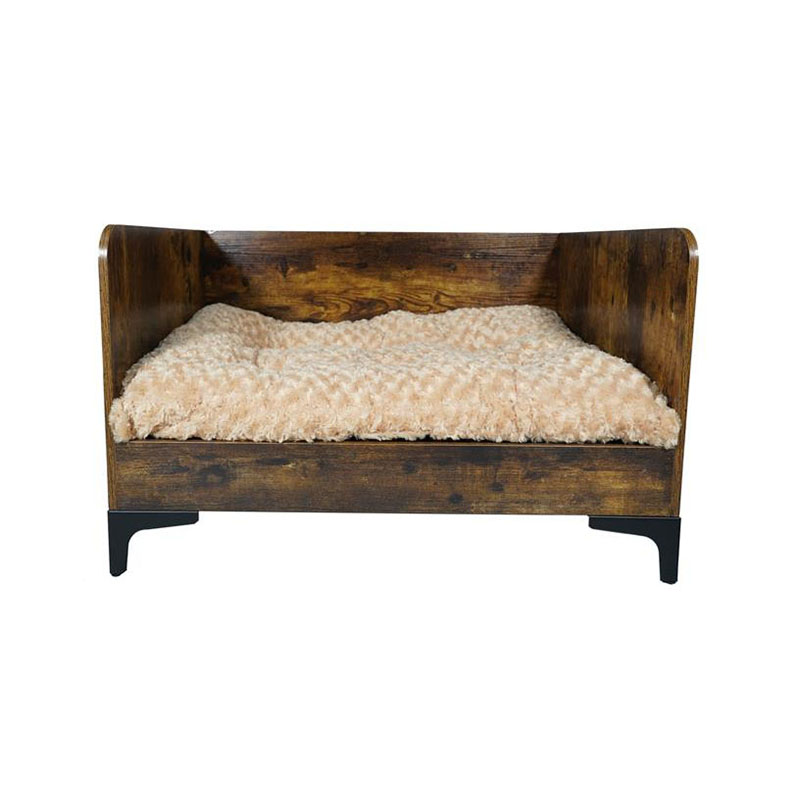
Dog beds are cozy sitting areas designed specifically for your beloved pets, providing them with a warm, safe sleeping environment that makes every day's rest a pleasure. The right dog bed can greatly improve your pet's quality of life while becoming a cozy accent to your home space.
Dog beds stay warm in the winter and cool in the summer to maintain a comfortable fit. A fixed resting area reduces anxiety and develops good habits. Avoid direct contact with ground dust and moisture.
From fluffy cloud beds to ergonomic support cushions, every dog bed says, “There's always a place to sleep in peace.”

Pet Home (Haian) Co., Ltd
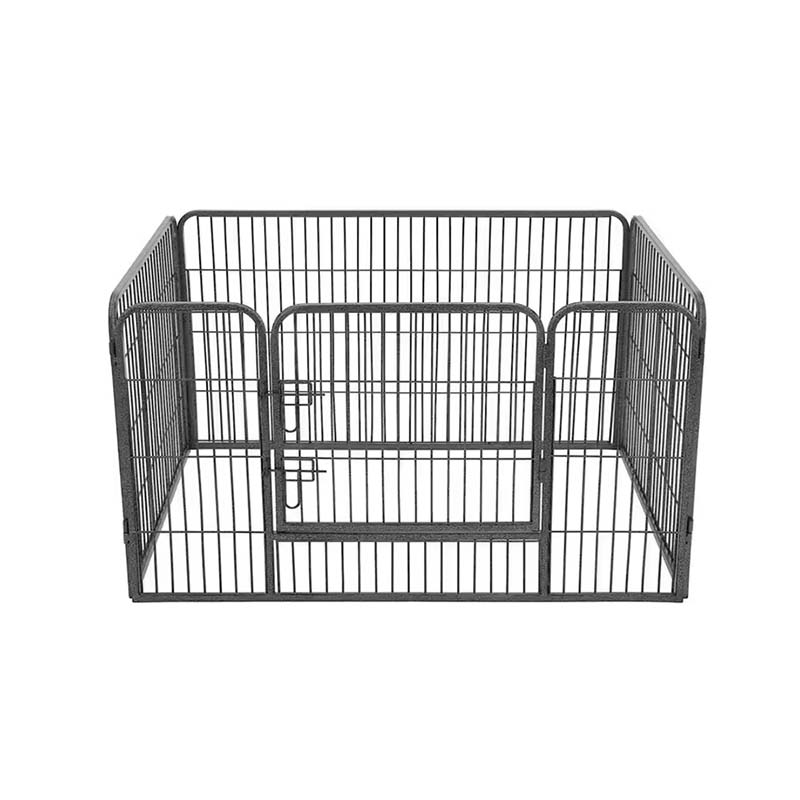
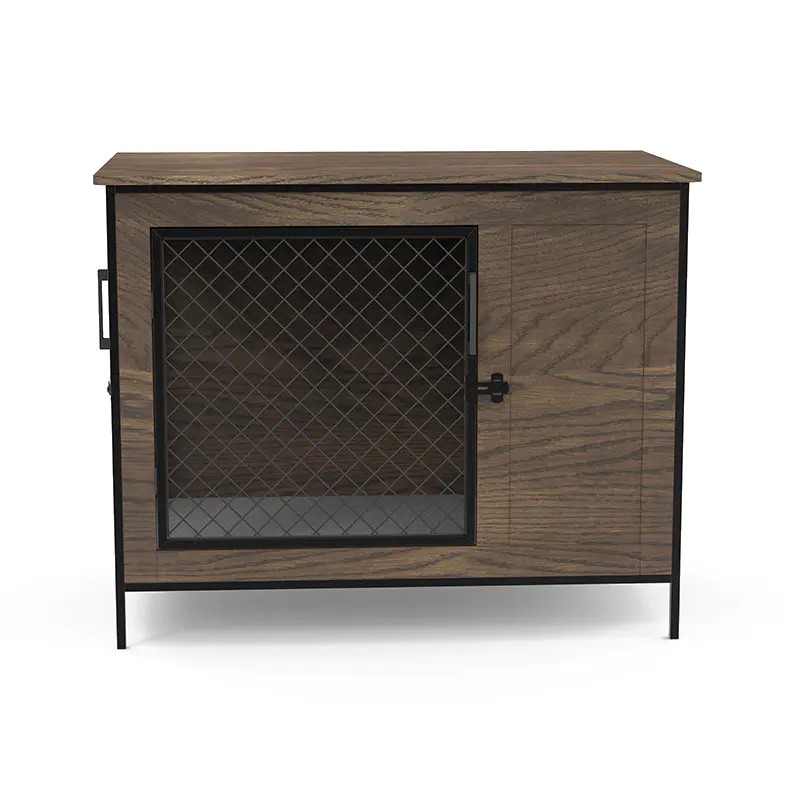
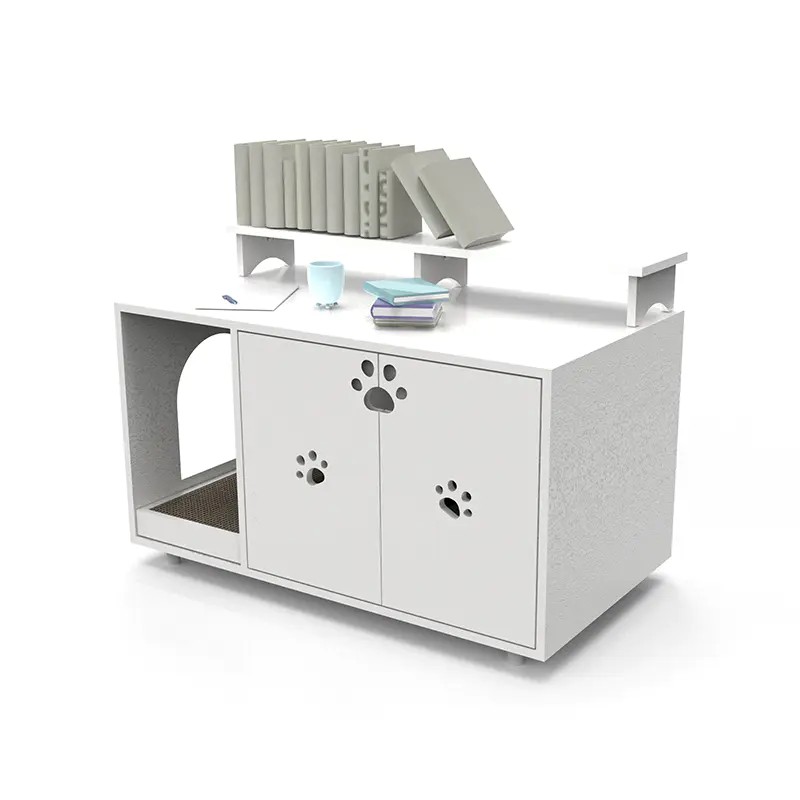
Fujian Pet Home Co., Ltd. founded in 2009. We are an integrated set of industry and trade company,which have professional design, production for export pet cage. More than 15 years experience in pet cage production and sales . Main products included: Metal pet cage, Dog cage,pet playpen, soft pet crate, furniture style pet crate,cat litter box, wooden dog house, rabbit hutch, chicken coop, cat tree, pet bed and more than 150 products.
As a professional OEM Dog Bed Manufacturers and ODM Wooden Dog Bed Factory, Our products mainly exported to United States, Australia, New Zealand, Japan, Germany, Netherlands, France, Switzerland, Norway, Denmark, Poland, Belgium, Philippines, Mexico, Greece, Taiwan, Hong Kong and so on more than 20 countries. Our company have professional design and sales team. Two metal dog cage production line ,one furniture style pet crate production line. More than 50 containers been exported per month. The company provide quality products and service to all domestic and foreign customer
VIEW MORE
Products
Related Products
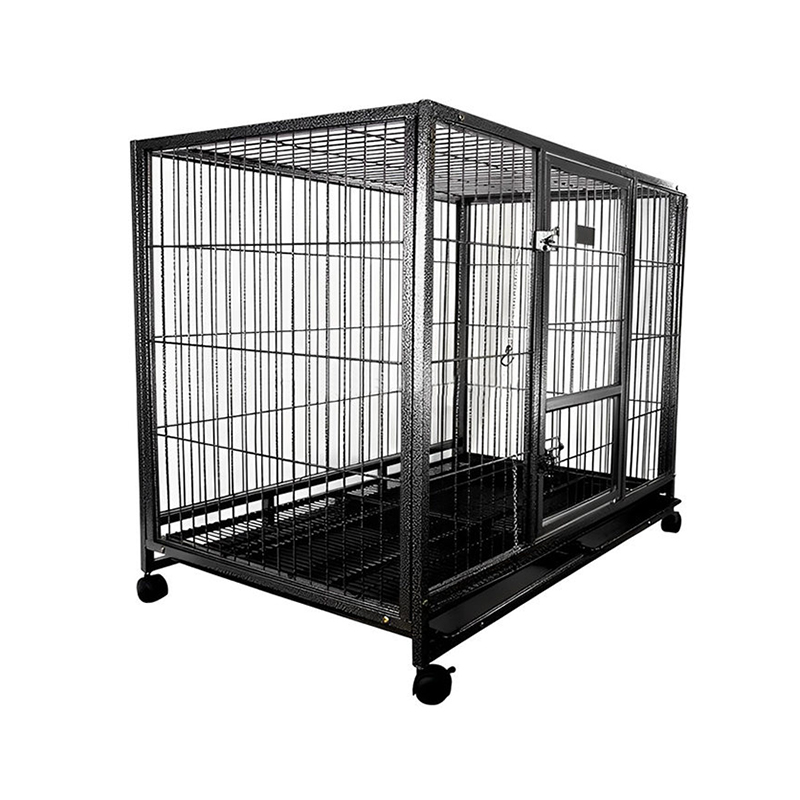
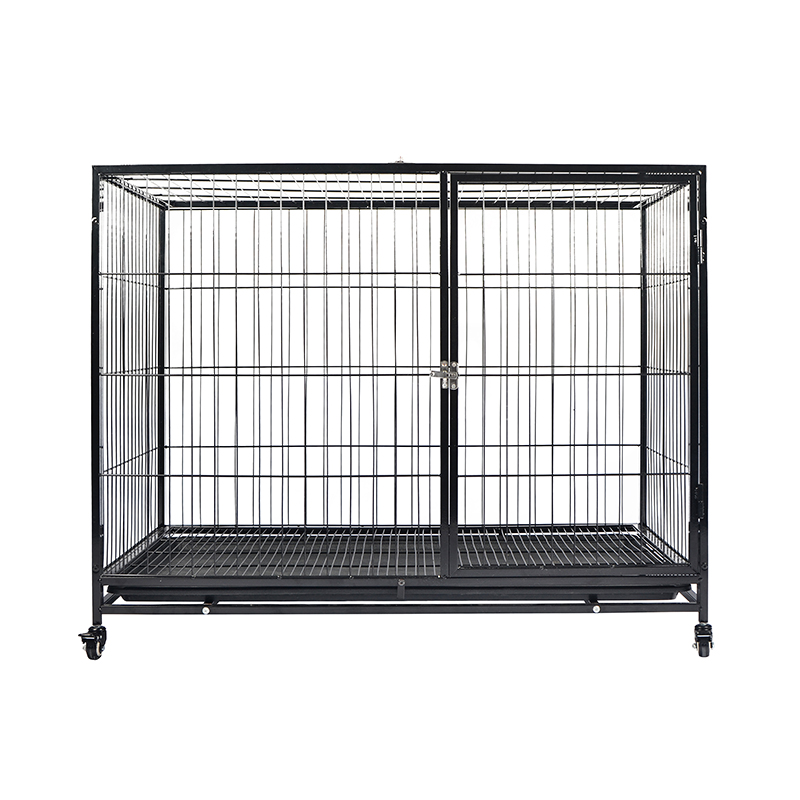
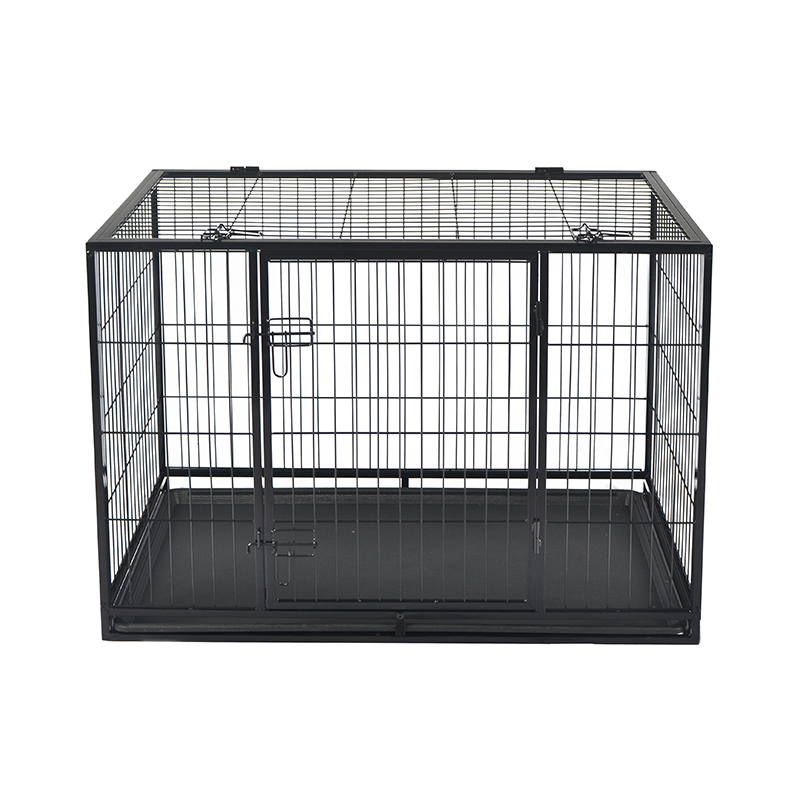
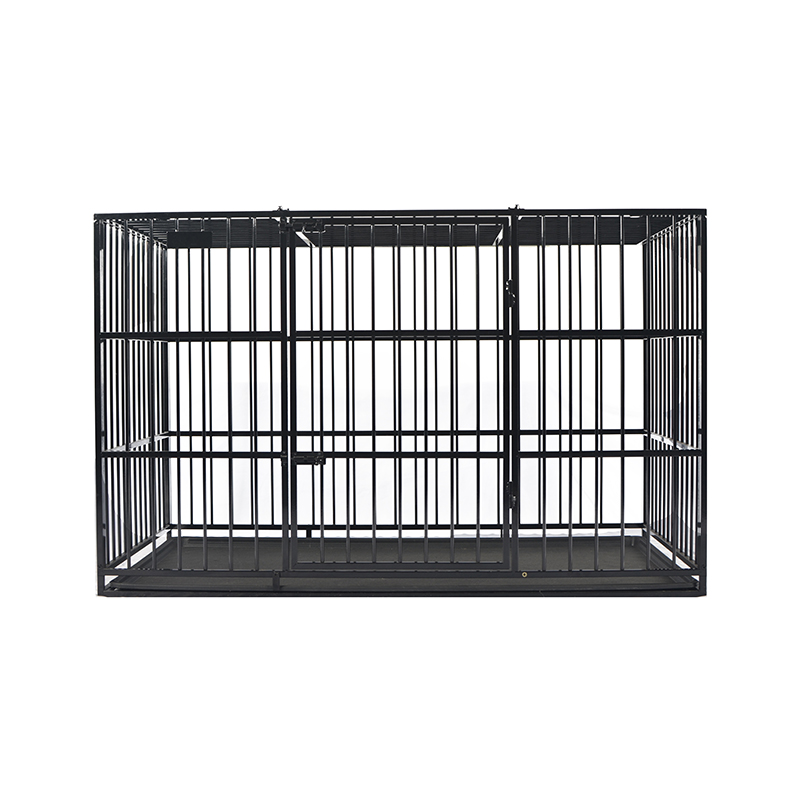
News
News & Update
-
Oct 05. 2026
Crate Size by Breed: A Practical Sizing Guide for Pet Owners and WholesalersA customer once ordered a 36-inch crate for a Labrador Retriever puppy because an online chart listed “Labrador” under medium. Six weeks later, the puppy could not stand up without pressing his head against the top bars, and the retailer absorbed a return, a replacement shipment, and a frustrated review. That single m...
Read More -
Sep 28. 2026
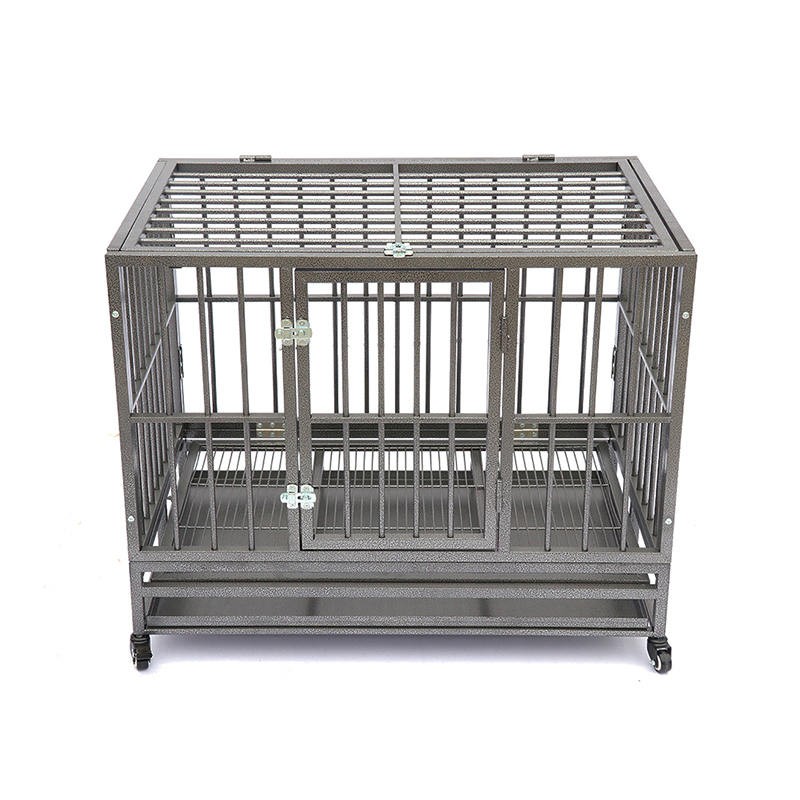
Cleaning Cages: A Practical Guide from a Pet Cage Manufacturer and SupplierA groomer emails about a rust ring that appears on a dog crate tray three months after delivery. A cat owner says the litter cabinet still smells after a full scrub. A parrot breeder cannot lift dried droppings off a perch without a chisel. Every one of those complaints gets filed under cleaning cages, and every one o...
Read More -
Sep 21. 2026
How to Clean the Cage: Dog, Cat, Bird, and Small Animal Cleaning GuideHow often you clean the cage is just as important as how you clean it. The goal is not to clean the cage over and over; the goal is to clean the cage consistently and correctly so that your pet stays healthy and your enclosure lasts longer. This guide gives you a practical routine for dog crates, cat cages, bird cages...
Read More
Message Feedback
knowledge
Industry knowledge
1. The Role a Dog Bed Plays in Daily Rest and Recovery
A dog bed is the dedicated resting surface that supports a dog's joints, regulates body temperature during sleep, and gives the dog a consistent, recognizable spot within the home. Unlike a crate pad or blanket, a purpose-built dog bed is engineered around fill density, cover material, and shape to address specific rest needs, whether that means joint support for an older dog, cooling airflow for a warm climate, or a secure, enclosed feel for a dog prone to anxiety. Because dogs spend a significant portion of each day resting, the core performance of a dog bed centers on three factors: how well the fill material supports body weight without flattening over time, how the cover material manages heat, moisture, and cleaning, and how the overall shape matches the dog's natural sleeping posture. Within this category, dog bed designs vary considerably in fill type, loft height, and structural shape, which together determine whether a specific model suits a puppy, a senior dog, or a dog recovering from joint issues. This page reviews how these factors compare across common dog bed types, along with the selection points and maintenance practices that matter most when choosing a bed for a specific dog.
2. Support Level Across Common Fill Types
Fill material is the single factor that most affects how well a dog bed supports joints and body weight over time, since different fills compress and recover differently under repeated daily use. The segmented bar chart below compares relative support level across four common fill types used in this category. This comparison gives buyers a fast way to judge which fill is likely to hold its shape and support longer under a specific dog's weight. It also helps explain why certain fills are recommended more often for senior dogs or dogs with joint sensitivity.
This segmented bar chart compares relative support level across four fill types, with the orange portion representing supportive load-bearing capacity and the shorter yellow segment representing typical compression loss expected over regular use. Polyester fiberfill scores lowest on this comparison, since loose fiber fill tends to shift and compress fairly quickly under a dog's weight, which can reduce joint support noticeably within months of regular daily use. Shredded foam performs moderately better, offering more consistent cushioning than loose fiber, though it can still develop softer spots in areas where the dog consistently rests. Solid foam base construction scores considerably higher, since a single continuous foam layer distributes weight more evenly and resists shifting in a way that shredded or fiber fills cannot fully replicate. Orthopedic memory foam scores highest on this comparison, reflecting its ability to conform closely to a dog's body shape while still returning to its original form between uses, which helps maintain consistent support over a longer period. The gap in support level between fiberfill and memory foam becomes particularly relevant for senior dogs or breeds prone to joint issues, where consistent pressure relief matters more than for a young, healthy dog. It is worth noting that these scores reflect general fill tendencies rather than fixed guarantees, since actual performance also depends on fill density, foam thickness, and how the bed is used and maintained over time. For active, younger dogs without joint concerns, fiberfill or shredded foam options often provide adequate comfort at a lower overall bed weight, which can matter for portability. For older dogs or those with diagnosed joint conditions, solid foam base or orthopedic memory foam options are generally the more supportive choice among those compared here. Retailers can use this chart to guide customers toward a fill type that matches their dog's age and health profile rather than defaulting to whichever fill happens to be most familiar. This comparison also helps set realistic expectations about how a bed's support level may change over its useful life, which supports better long-term satisfaction with the purchase.
3. Matching Bed Size to Dog Weight and Length
Correct sizing affects whether a dog can fully stretch out or curl comfortably on a dog bed, since a bed that is too small can leave limbs hanging off the edge during rest. The dot plot below maps recommended bed length against typical dog weight across five common size categories. This visual gives a quick way to check whether a specific bed length is likely to suit a dog of a given weight. It also helps explain why bed sizing should be based on a dog's stretched-out length rather than standing height alone.
This dot plot shows recommended bed length rising steadily across five size categories, connected by a dashed reference line to make the overall trend easy to follow. Toy breed dogs generally rest comfortably on beds around eighteen inches long, since these dogs typically curl into a compact position rather than stretching fully across a large surface. Small breed dogs need slightly more length, around twenty-four inches, to accommodate a bit more body length while still allowing a curled resting posture if preferred. Medium breed dogs generally require beds closer to thirty inches, since dogs in this size range often alternate between curled and stretched-out resting positions depending on temperature and comfort. Large breed dogs need considerably more length, around forty inches, to fully stretch out without limbs extending past the edge of the bed surface. Giant breed dogs require the longest beds on this chart, often reaching forty-eight inches or more, reflecting both their body length and their tendency to stretch out fully during rest given adequate space. Sizing a bed to a dog's stretched-out length rather than its curled resting position generally provides more flexibility for different sleeping postures, which is a detail that becomes especially relevant for dogs that alternate between positions depending on temperature or mood. It is worth noting that individual dogs within the same size category can still vary meaningfully in body length, so these figures serve as general starting points rather than exact specifications for every dog. Buyers with dogs on the larger end of a size category should consider sizing up to the next bed length if there is any uncertainty. Retailers building a bed size chart for customers can use this progression as a practical reference point for guiding size selection. This sizing comparison works well alongside the fill support chart above, since both size and support level should be considered together rather than in isolation when selecting a dog bed.
4. Typical Fill Composition in a Standard Orthopedic Bed
Beyond fill type alone, many dog beds combine multiple layers to balance support, cushioning, and airflow within a single structure. The pie chart below breaks down the typical internal composition of a standard orthopedic-style dog bed by layer. This visual helps buyers understand what is actually inside a bed beyond its outer cover, since layer composition affects both comfort and expected service life. It also clarifies why orthopedic-style beds are generally thicker and heavier than simple fiberfill cushions.
This pie chart divides a standard orthopedic-style dog bed into three internal layers, showing base support foam as the largest single component within the overall structure. The base support foam layer forms the structural foundation of the bed, providing the firmer, load-bearing support that keeps the bed from flattening under a dog's weight over repeated daily use. The cushioning fiber layer sits above the base foam, adding a softer, more conforming surface that improves initial comfort without compromising the firmer support underneath. The cover and liner layer, while the smallest share by material volume, plays an outsized role in daily practical use, since it determines how easily the bed can be cleaned, how well it resists moisture, and how the surface feels against a dog's fur and skin. The combination of a firm base layer and a softer cushioning layer is what distinguishes an orthopedic-style bed from a single-layer fiberfill cushion, and this layered construction is a key reason orthopedic beds tend to hold their shape longer under regular use. This composition can vary somewhat between manufacturers, with some designs using a thicker base foam layer for dogs with more significant joint support needs and a thinner cushioning layer to keep overall bed height lower. Buyers evaluating a specific bed should consider asking about base foam thickness and density directly, since these specifications are not always visible from a product photo. Removable, washable covers are generally considered a practical feature within the cover and liner layer, since they allow regular cleaning without needing to wash the entire bed structure. Understanding this layered composition also helps explain price and weight differences between simple fiberfill cushions and full orthopedic-style beds within the same general size category. This breakdown complements the fill support chart discussed earlier by showing how multiple layers work together rather than relying on a single fill type alone.
5. Cover Material Comparison for Cleaning and Climate
Cover material affects how a dog bed manages moisture, heat, and daily cleaning, which matters as much as fill type for overall comfort and hygiene. The vertical bar chart below compares four common cover materials on a general ease-of-cleaning and breathability scale. This comparison gives buyers a straightforward way to weigh cover options against their specific climate and cleaning habits. It also helps explain why certain cover materials are more commonly recommended for warmer climates or households with frequent accidents.
This vertical bar chart shows a rising trend from cotton blend covers through to breathable mesh weave, reflecting how ease of cleaning and airflow generally improve across these four cover materials. Cotton blend covers score lowest on this scale, since natural fiber blends tend to absorb moisture and odor more readily and often require more careful washing to preserve their texture over time. Plush fleece covers score slightly higher, offering a soft surface dogs generally find appealing, though fleece can trap heat more than lighter weave options, which matters in warmer climates or for double-coated breeds. Water-resistant canvas covers score considerably better, since their tighter weave and coating resist moisture penetration, making them a practical choice for households managing frequent spills, drooling, or outdoor use. Breathable mesh weave covers score highest on this comparison, combining strong airflow with a surface that resists moisture buildup, which supports better temperature regulation during rest in warmer conditions. The difference between plush fleece and breathable mesh weave becomes particularly relevant in warmer climates, where airflow around a resting dog affects comfort meaningfully. These scores describe general material tendencies rather than absolute rankings for every situation, since a plush fleece cover may still be preferred by owners in cooler climates who prioritize a softer feel over maximum breathability. For households with frequent messes or dogs prone to accidents, water-resistant canvas or mesh weave covers generally simplify cleaning compared to absorbent cotton blends. For colder climates or senior dogs that benefit from retained warmth, plush fleece remains a reasonable choice despite its lower breathability score. Retailers can reference this comparison when helping customers select a cover material suited to their specific climate and household cleaning habits. This cover material comparison rounds out the earlier fill, sizing, and layer composition charts by addressing the outermost surface a dog actually rests against each day.
6. Common Dog Bed Types and Shapes
(1) Flat Rectangular Cushions
Flat rectangular cushions offer a simple, low-profile resting surface suited to dogs that prefer to stretch out fully, and they generally fit easily into crates or beneath furniture.
(2) Bolstered or Nest-Style Beds
Bolstered beds include raised edges around part or all of the perimeter, giving dogs a sense of enclosure and a place to rest their head, which many dogs favor for a curled sleeping position.
(3) Elevated Cot-Style Beds
Elevated cot-style beds use a fabric surface suspended within a metal or plastic frame, keeping the dog off the ground for improved airflow, which suits warmer climates and outdoor use.
(4) Orthopedic Support Beds
Orthopedic support beds use a dense foam base layer specifically designed to reduce joint pressure, making them a common recommendation for senior dogs or larger breeds.
| Bed Type | Typical Fill or Structure | Support Level | Suitable For |
|---|---|---|---|
| Flat Rectangular Cushion | Fiberfill or shredded foam | Moderate | Dogs that stretch out fully |
| Bolstered or Nest-Style Bed | Fiberfill with raised edges | Moderate | Dogs that curl while resting |
| Elevated Cot-Style Bed | Suspended fabric on frame | Moderate | Warm climates, outdoor use |
| Orthopedic Support Bed | Dense base foam layer | High | Senior dogs, larger breeds |
7. Application Scenarios and Selection Guidelines
Choosing the right dog bed depends on the dog's age, size, resting posture, and the climate or room conditions where the bed will be used. The points below summarize the main factors buyers typically weigh when selecting a bed for a specific dog.
- Match bed length to the dog's stretched-out body length rather than standing height alone.
- Choose a higher-support fill, such as solid or orthopedic foam, for senior dogs or breeds prone to joint issues.
- Consider bolstered or nest-style shapes for dogs that consistently curl up while resting.
- Select breathable mesh or water-resistant covers for warmer climates or households managing frequent messes.
- Consider elevated cot-style beds for outdoor use or dogs that run warm during rest.
- Prioritize removable, washable covers for easier ongoing maintenance regardless of bed type.
8. Maintenance and Care Guidance
Routine maintenance keeps a dog bed sanitary and helps preserve its support level over time. Removable covers should be washed on a regular schedule according to their care label, since regular cleaning reduces odor buildup and allergen accumulation within the fabric. Foam or fill layers should be checked periodically for flattening or uneven wear, particularly in areas where the dog consistently rests, since compressed fill can reduce joint support over time. Elevated cot-style beds should have their frame joints checked occasionally for looseness, especially if the bed is moved between indoor and outdoor locations frequently. Beds exposed to outdoor conditions or frequent moisture should be dried thoroughly between uses to prevent mildew or odor from developing within the fill material.
9. Production Background for This Category
Fujian Pet Home Co., Ltd. has produced pet beds alongside its broader pet housing product lines since 2009, with manufacturing experience covering fill layering, cover stitching, and frame assembly for cot-style designs. This background supports the fill support and layer composition comparisons discussed throughout this page, particularly around how different constructions affect comfort and durability. Export experience across more than twenty countries has also shaped how cover material and fill options are developed within this product line, since climate conditions vary considerably between markets. Buyers evaluating a dog bed supplier for retail or wholesale distribution often consider this kind of production consistency when comparing options across larger order volumes.
10. Frequently Asked Questions
What size dog bed does my dog need?
Bed length should be based on the dog's stretched-out body length, allowing enough room to fully extend without limbs hanging off the edge.
Which fill is best for a senior dog?
Solid foam base or orthopedic memory foam fills generally provide more consistent joint support for senior dogs than fiberfill or shredded foam.
How often should a dog bed cover be washed?
Removable covers are generally washed on a regular schedule following the specific care label, with more frequent washing recommended for beds used heavily.
Is an elevated cot-style bed suitable for indoor use?
Yes, elevated cot-style beds can be used indoors, though they are particularly popular for warm climates or outdoor settings due to their airflow benefits.
What cover material is best for a warm climate?
Breathable mesh weave or water-resistant canvas covers generally offer better airflow and moisture management than plush fleece in warmer conditions.
Do bolstered beds suit every dog?
Bolstered beds generally suit dogs that prefer to curl while resting, but dogs that stretch out fully may be better matched with a flat rectangular cushion.
Your pet deserves good, Contact now.
Whether you want to become our partner or need our professional guidance or support in product selections and problem solutions, our experts are always ready to help within 12 hours globally.
 CONTACT US

QUICK LINKS
PRODUCTS
-
Address
- Room 501,Unit 1 ,Buliding 6,Wuyi Guoji Xincheng,No.379,Zhuxi Avenue,Jianyang District,Nanping City, Fujian Province.
- No. 139-6 , Tongyu Middle Road, Nantong, Jiangsu, China
-
Mobile
- +86-13616986006
-
E-mail :

Copyright © 2025 Pet Home (Haian) Co., Ltd All Rights Reserved. Custom Dog Bed Manufacturers Wooden Dog Bed Factory

