
 EN
EN
 English
 中文简体
中文简体

Small Animal Habitats & Enclosures Factory
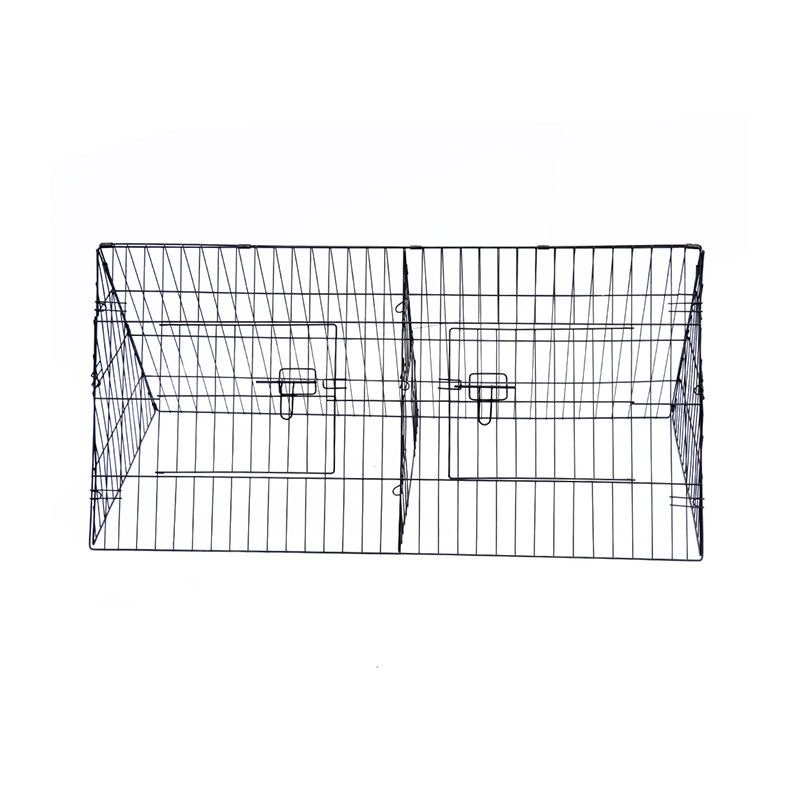
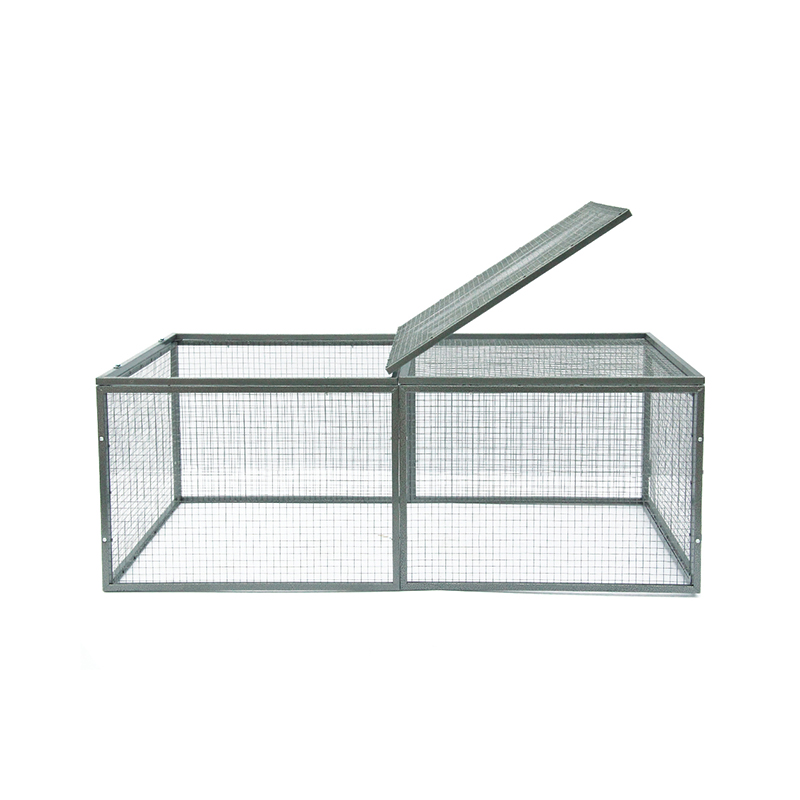
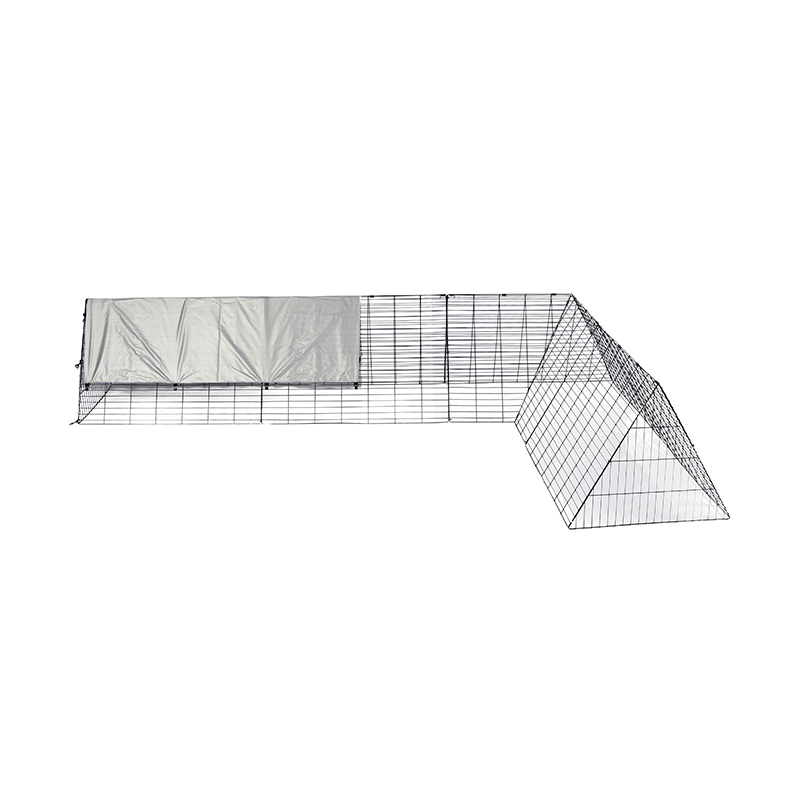
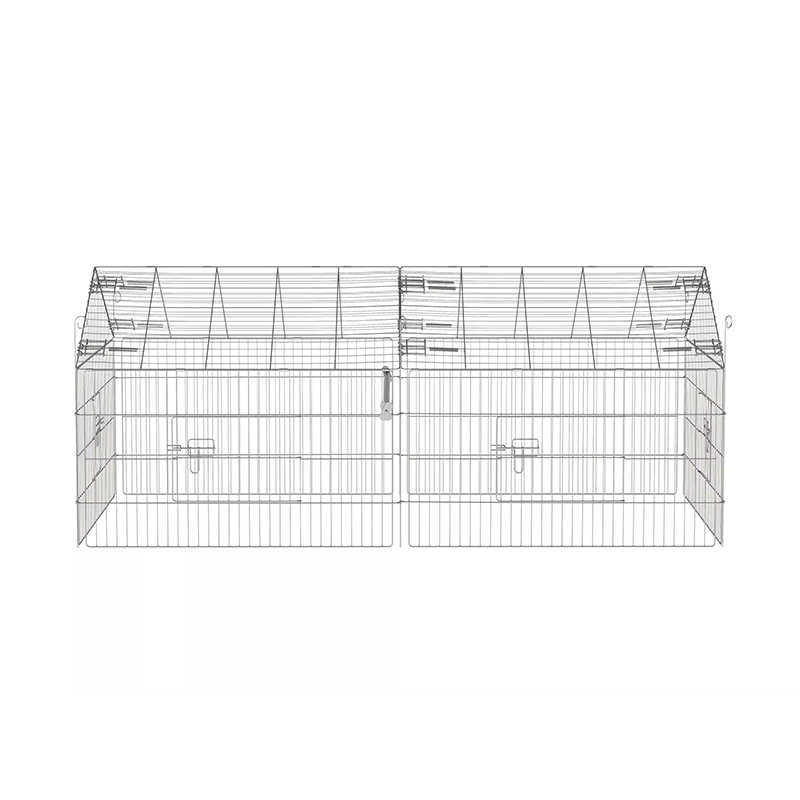
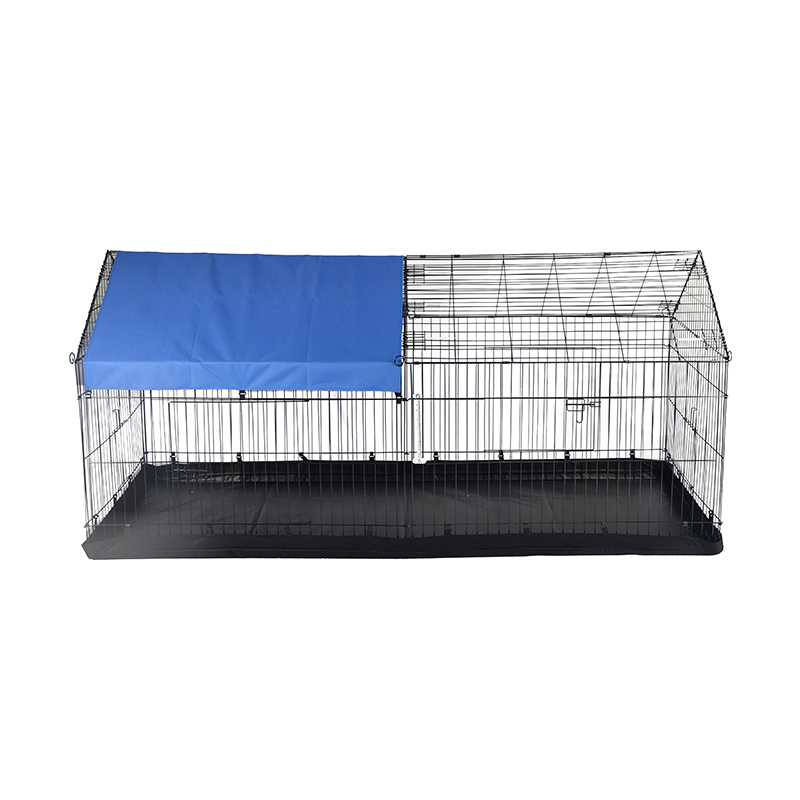
Small animals such as rabbits and poultry, though small in size, deserve attentive care. Our line of small animal products, covering small animal cages, pet enclosures, houses, etc., each one contains a gentle understanding of small life.
Watching small animals live happily in carefully designed products, napping, eating, playing, and being healed every day. It's not just pet products, it's our promise of goodness for little lives.

Pet Home (Haian) Co., Ltd
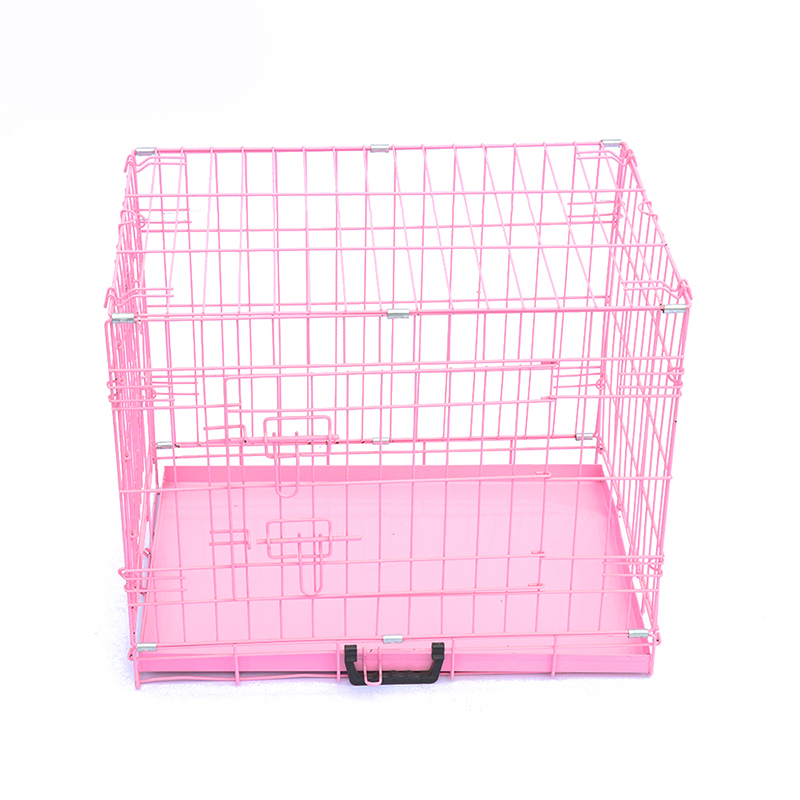
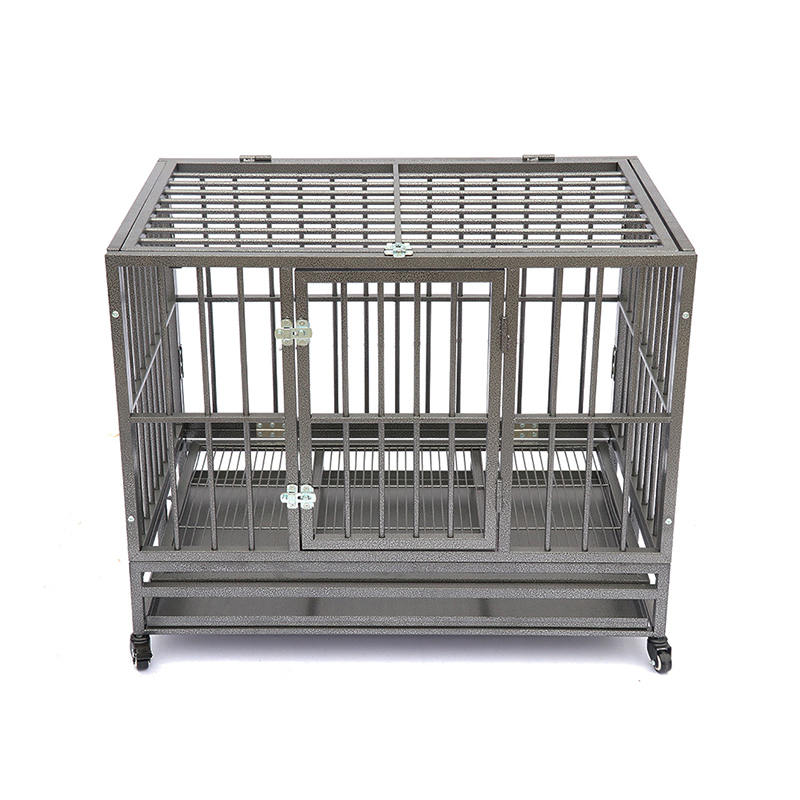
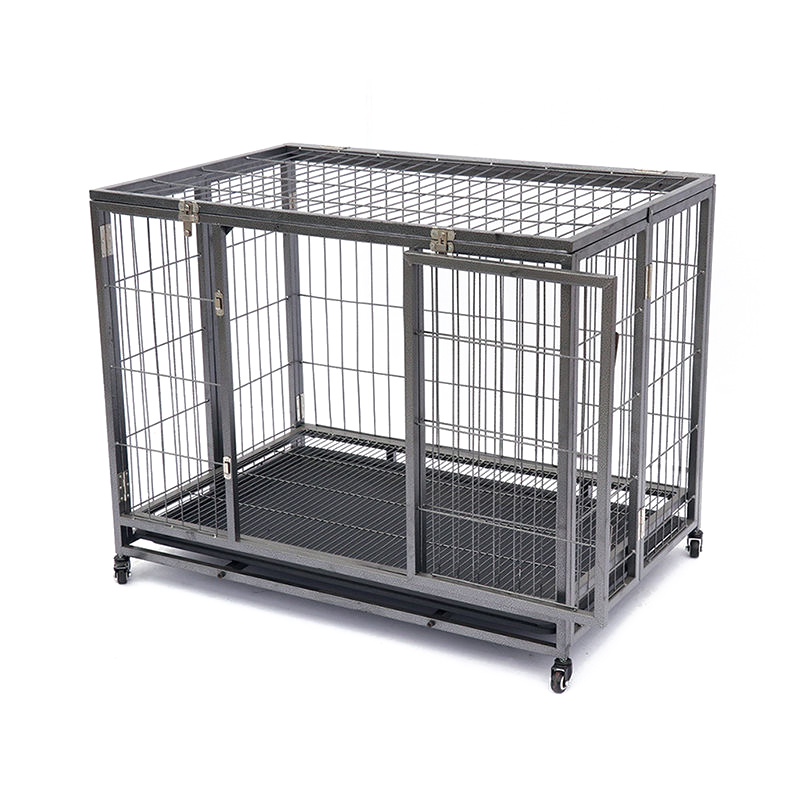
Fujian Pet Home Co., Ltd. founded in 2009. We are an integrated set of industry and trade company,which have professional design, production for export pet cage. More than 15 years experience in pet cage production and sales . Main products included: Metal pet cage, Dog cage,pet playpen, soft pet crate, furniture style pet crate,cat litter box, wooden dog house, rabbit hutch, chicken coop, cat tree, pet bed and more than 150 products.
As a professional OEM Small Animal Habitats & Enclosures Factory and ODM Small Animal Habitats & Enclosures Factory, Our products mainly exported to United States, Australia, New Zealand, Japan, Germany, Netherlands, France, Switzerland, Norway, Denmark, Poland, Belgium, Philippines, Mexico, Greece, Taiwan, Hong Kong and so on more than 20 countries. Our company have professional design and sales team. Two metal dog cage production line ,one furniture style pet crate production line. More than 50 containers been exported per month. The company provide quality products and service to all domestic and foreign customer
VIEW MORE
Products
Related Products
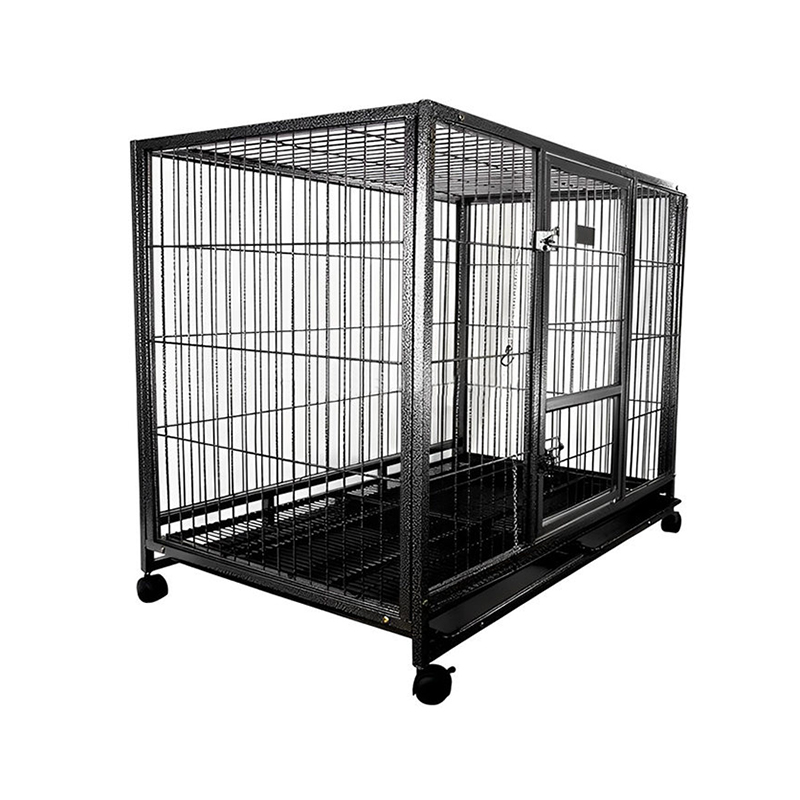
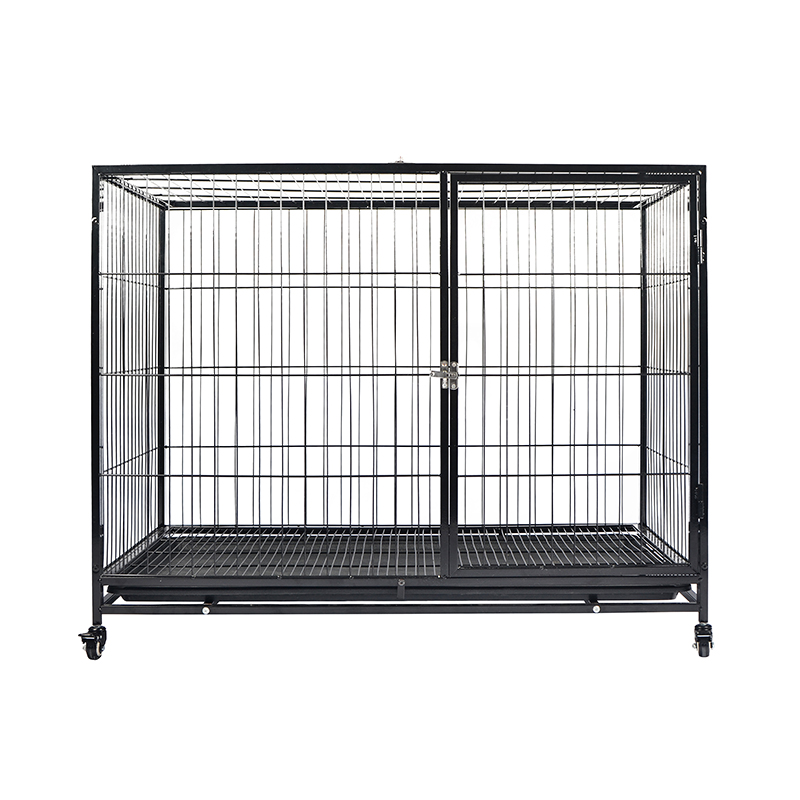
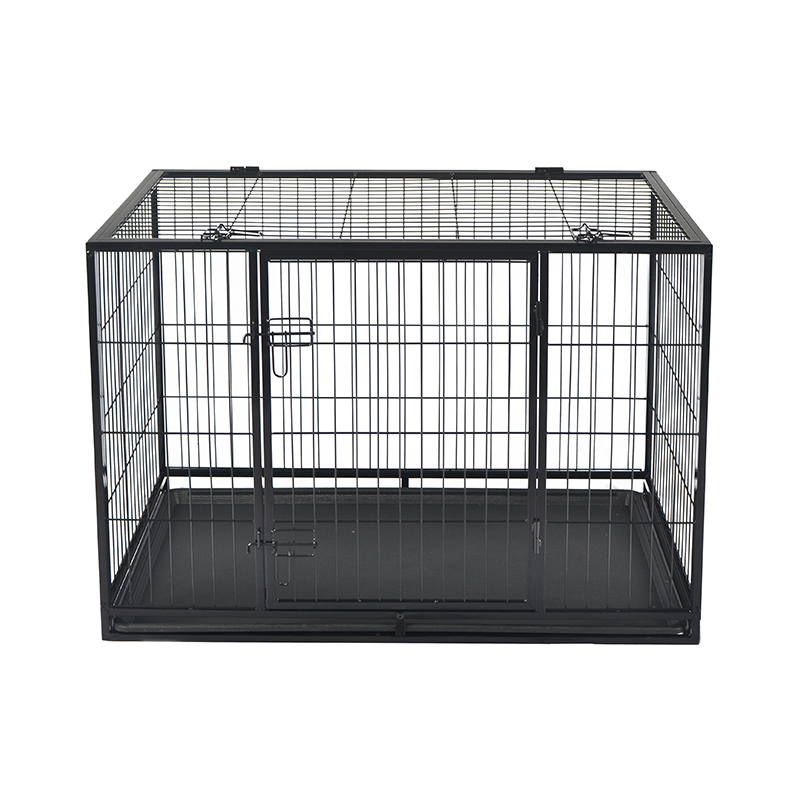
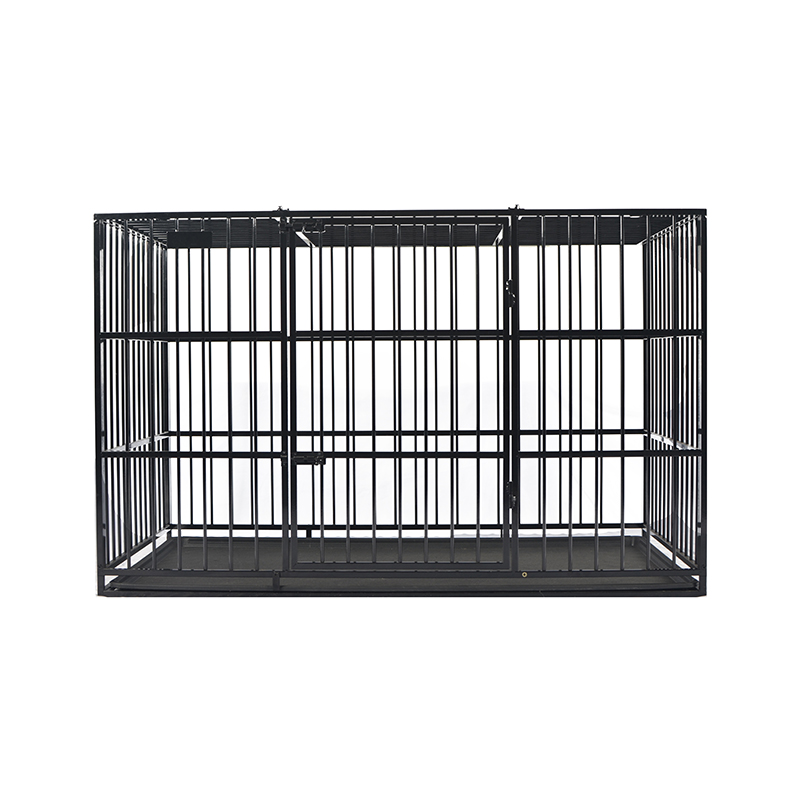
News
News & Update
-
Oct 05. 2026
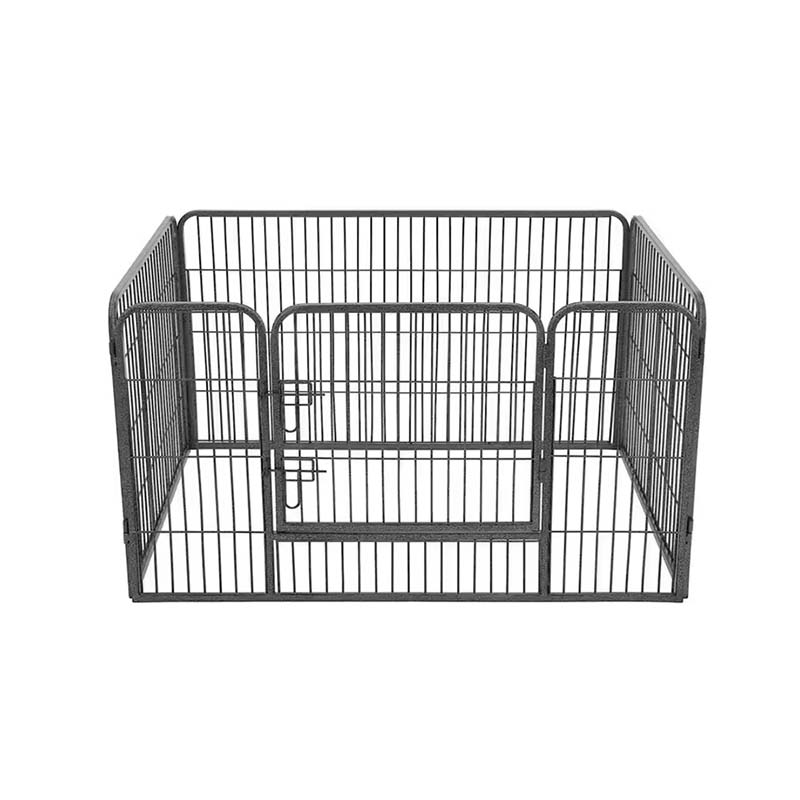
Crate Size by Breed: A Practical Sizing Guide for Pet Owners and WholesalersA customer once ordered a 36-inch crate for a Labrador Retriever puppy because an online chart listed “Labrador” under medium. Six weeks later, the puppy could not stand up without pressing his head against the top bars, and the retailer absorbed a return, a replacement shipment, and a frustrated review. That single m...
Read More -
Sep 28. 2026
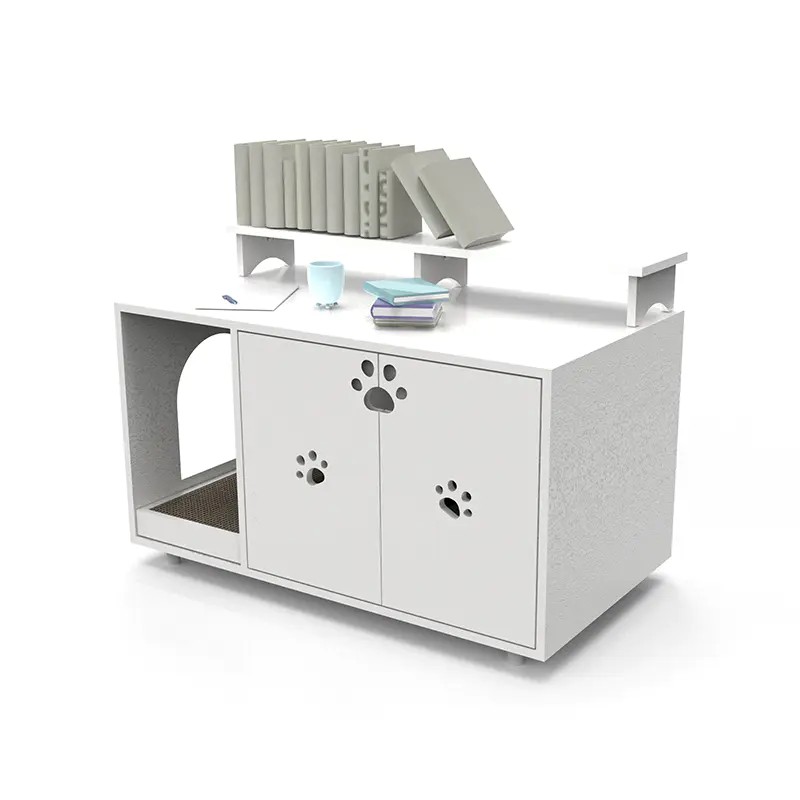
Cleaning Cages: A Practical Guide from a Pet Cage Manufacturer and SupplierA groomer emails about a rust ring that appears on a dog crate tray three months after delivery. A cat owner says the litter cabinet still smells after a full scrub. A parrot breeder cannot lift dried droppings off a perch without a chisel. Every one of those complaints gets filed under cleaning cages, and every one o...
Read More -
Sep 21. 2026
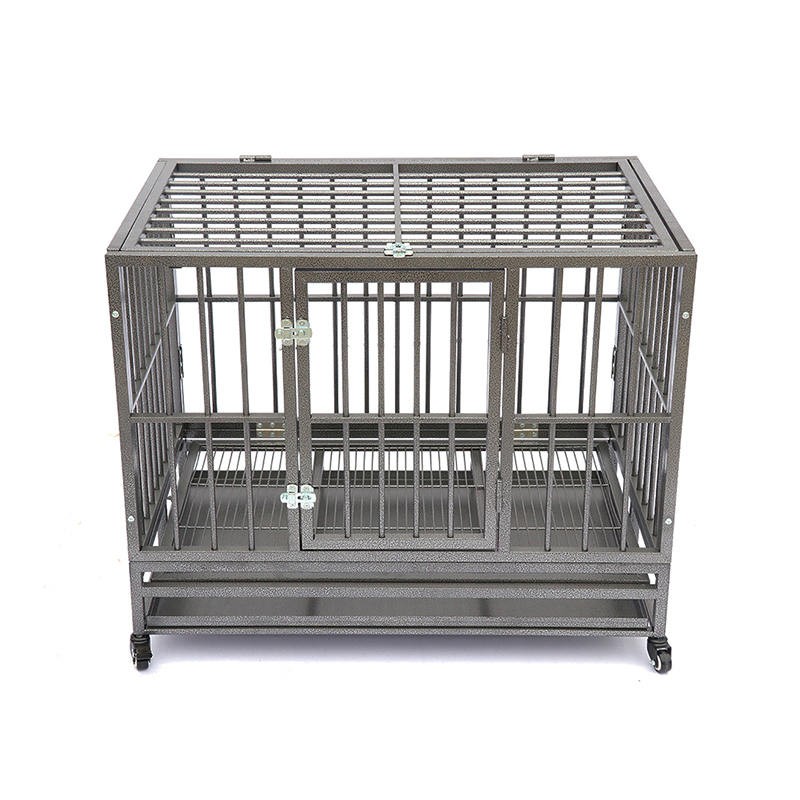
How to Clean the Cage: Dog, Cat, Bird, and Small Animal Cleaning GuideHow often you clean the cage is just as important as how you clean it. The goal is not to clean the cage over and over; the goal is to clean the cage consistently and correctly so that your pet stays healthy and your enclosure lasts longer. This guide gives you a practical routine for dog crates, cat cages, bird cages...
Read More
Message Feedback
knowledge
Industry knowledge
1. Understanding Small Animal Habitats and Enclosures
A small animal habitat is the enclosed living space built for rabbits, guinea pigs, hamsters, and similar companion animals, and it plays a direct role in the animal's comfort, safety, and daily activity level. Within this category, a well-designed small animal habitat needs to balance floor space, ventilation, secure latching, and easy access for feeding and cleaning, since these animals spend most of their time inside the enclosure. Manufacturers building small animal habitats pay close attention to wire spacing, base tray depth, ramp or platform placement, and door configuration, because each detail affects whether a habitat suits burrowing, climbing, or ground-dwelling species. Buyers sourcing enclosures for retail or export typically evaluate frame material, tray removability, and overall footprint against the specific animal type the product is intended for. This page reviews the common types of small animal habitats found in this category, the structural principles behind their design, and the selection factors that help buyers match the right enclosure to the right animal and living situation.
2. Common Types of Small Animal Habitats and Their Characteristics
Small animal habitats are generally grouped by species behavior, required floor area, and intended placement within a household. Reviewing these groupings first makes it easier to compare specific dimensions or materials afterward.
(1) Wire Frame Habitats with Solid Base Trays
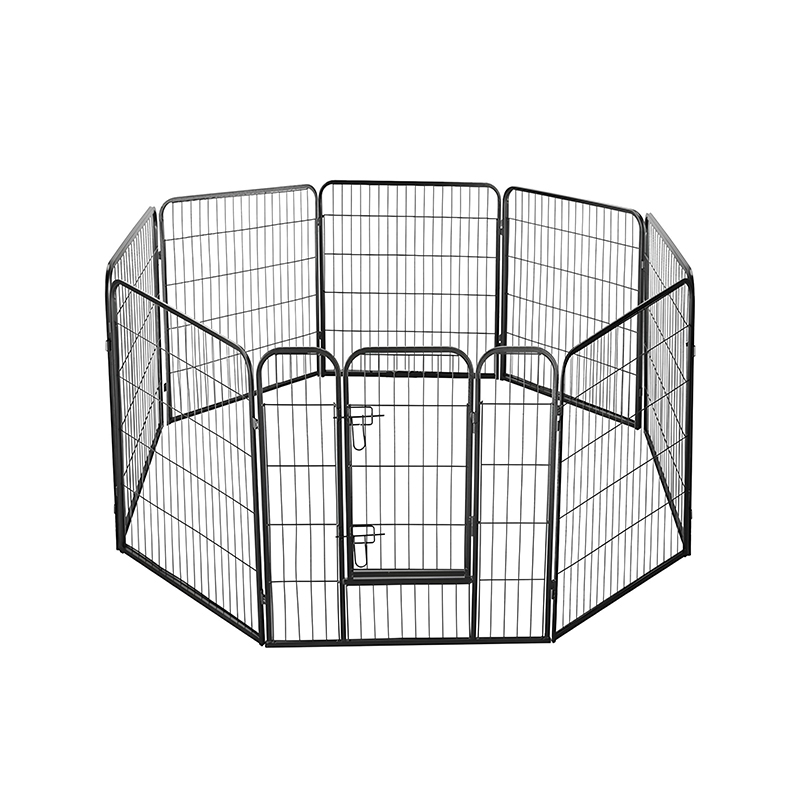
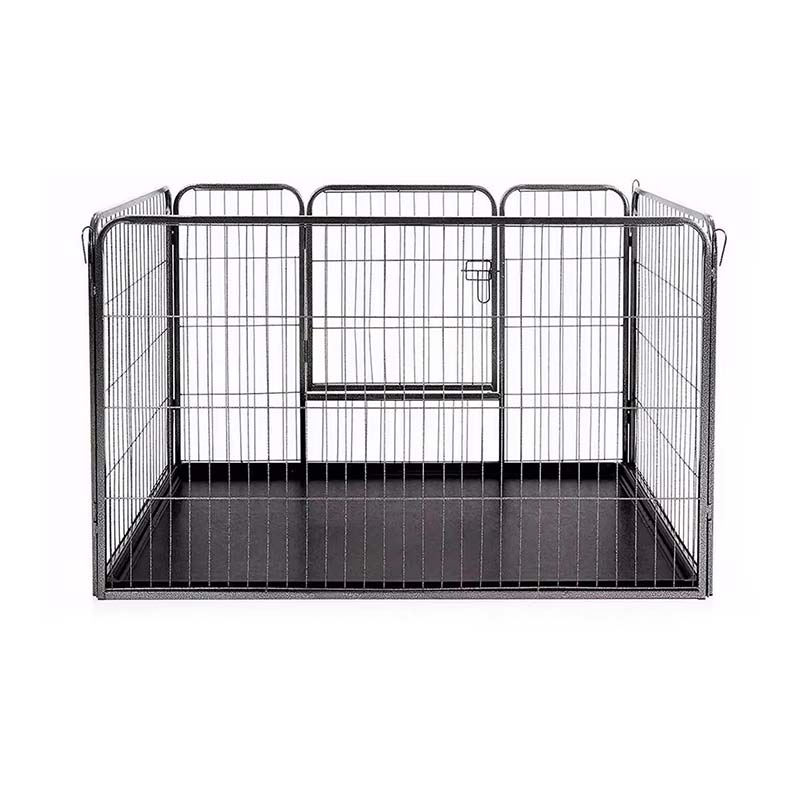
Wire frame habitats pair a metal wire upper structure with a solid plastic or metal base tray, which contains bedding material and waste while keeping the enclosure well ventilated. This style suits guinea pigs and rabbits that need open airflow along with a secure, escape-resistant perimeter.
(2) Multi-Level Habitats with Ramps and Platforms
Multi-level habitats add ramps, platforms, and connecting tubes to increase usable space without expanding the floor footprint. These designs work well for more active species such as hamsters and small rodents that benefit from vertical movement and exploration opportunities.
(3) Foldable and Portable Playpens
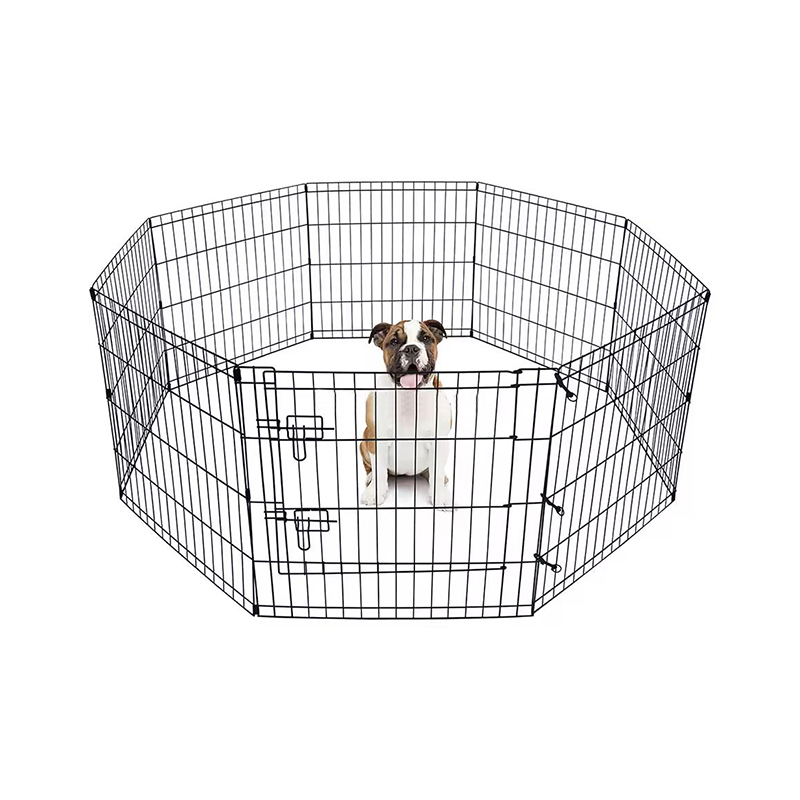
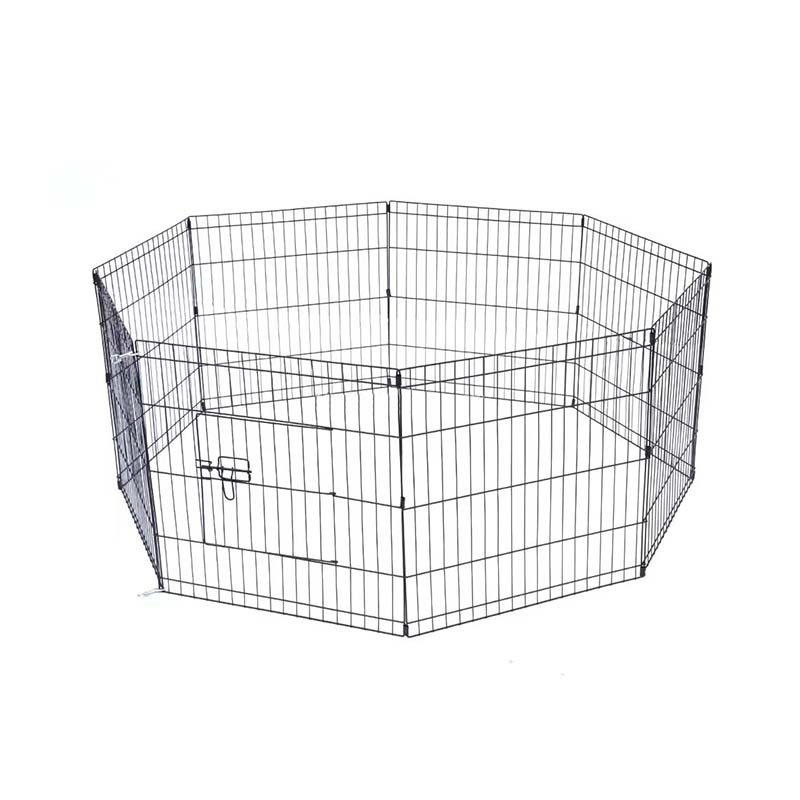
Foldable playpens use lightweight panels that connect into a modular perimeter, allowing owners to reconfigure the enclosure size or fold it flat for storage and transport. This style is often used for supervised outdoor time or temporary indoor exercise space.
(4) Furniture-Style Enclosures
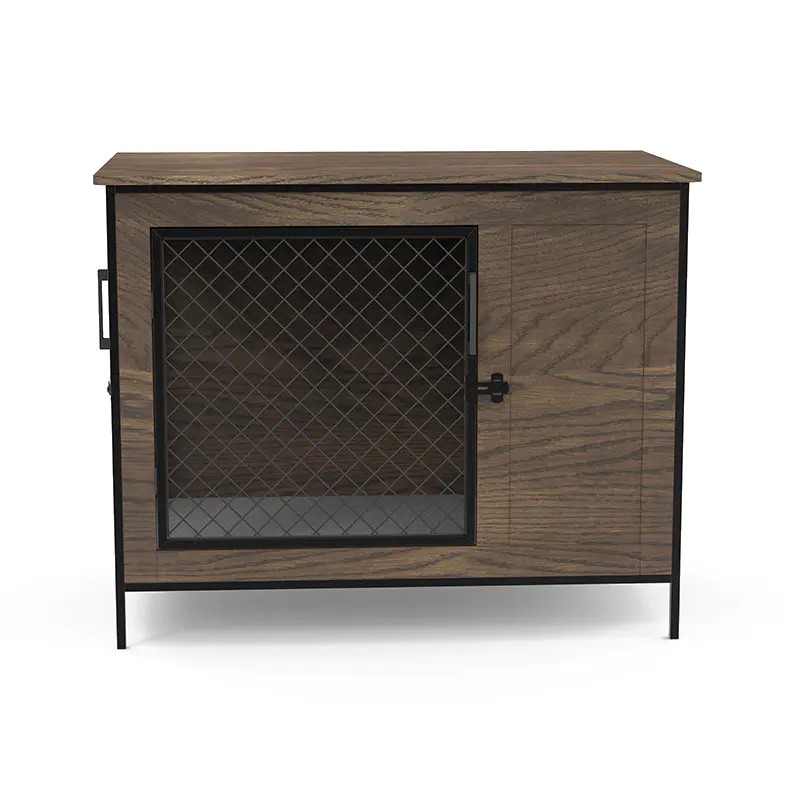
Furniture-style enclosures combine wood panel exteriors with wire or mesh viewing sections, allowing the habitat to serve as a piece of home furniture rather than purely functional equipment. These designs often include storage space or shelving built into the lower section.
| Habitat Type | Typical Material | General Size Range | Suitable For |
|---|---|---|---|
| Wire Frame with Base Tray | Steel wire and plastic tray | Medium to large floor area | Guinea pigs, rabbits |
| Multi-Level with Ramps | Steel wire, plastic platforms | Compact footprint, tall structure | Hamsters, small rodents |
| Foldable Playpen | Lightweight steel panels | Adjustable, modular | Supervised indoor or outdoor time |
| Furniture-Style Enclosure | Solid wood and wire mesh | Cabinet-style, larger footprint | Home decor-focused owners |
3. Recommended Floor Space by Animal Type
Floor space is one of the most frequently cited welfare factors in small animal care guidelines, since limited room restricts natural movement and exercise. The grouped bar chart below compares general minimum and generous floor space recommendations across four common companion species. This comparison helps buyers see not just a single number, but a realistic range that accounts for varying care standards. It also gives retailers a practical way to explain to customers why a single enclosure size does not fit every species equally well.
This grouped bar chart compares minimum and generous floor space recommendations side by side so buyers can see the full range rather than a single fixed figure. Hamsters generally need the smallest floor area on this comparison, though even minimum recommendations for hamsters have increased in recent care guidance compared to older standards. Guinea pigs require noticeably more room than hamsters, since they are larger animals that benefit from space to move around and forage throughout the day. Rabbits need substantially more floor area again, reflecting their larger body size and their tendency to hop, stretch, and move across longer distances when active. Households keeping multiple rabbits together need the most generous floor space on this chart, since shared enclosures must account for each animal's individual movement needs as well as shared resources like feeding and resting areas. The gap between minimum and generous space allowances widens as animal size increases, which is an important detail for buyers comparing enclosure options against published care standards. It is worth noting that minimum figures represent a baseline rather than an ideal, and many care guides now recommend exceeding these figures where possible. Combining a base enclosure with supervised playpen time is a common way to give animals more room without requiring an oversized permanent structure. Retailers can use this chart to help customers understand why a hamster cage and a rabbit hutch differ so significantly in scale, even though both fall under the same general product category. Floor space considerations also interact with enrichment needs, since larger spaces allow for more toys, tunnels, and hiding spots. This comparison offers a starting point for matching a specific enclosure to a specific animal's practical daily needs.
4. Material Durability Across Common Habitat Frames
Frame material affects how well a small animal habitat withstands chewing, moisture from bedding and waste, and repeated cleaning over its service life. The area chart below tracks relative durability scores across four commonly used materials, factoring in corrosion resistance, resistance to chewing damage, and general structural longevity. This visual gives buyers a fast way to compare material trade-offs before requesting more detailed specifications from a supplier. It also supports conversations with customers who are trying to decide between a wire enclosure and a wood-panel furniture-style habitat.
The rising slope of this area chart shows that durability generally improves moving from plastic base components toward coated and stainless steel framing. Plastic base trays score lowest on this scale mainly because they are more prone to chew damage and can crack over time with repeated cleaning and heavy use. Solid wood performs slightly better structurally, but it remains vulnerable to moisture absorption from bedding and to gradual wear from chewing, particularly with rabbits and rodents that naturally gnaw on surfaces. Coated steel framing scores considerably higher, since the coating resists both chewing damage and surface corrosion as long as the finish stays intact and undamaged over time. Stainless steel scores highest of all four materials, reflecting strong resistance to moisture, rust, and the repeated washing that small animal enclosures typically require. The difference in durability between plastic components and stainless steel framing becomes especially relevant for busy households cleaning enclosures on a frequent basis, since more durable materials tend to hold up better under that routine. These scores describe relative performance rather than absolute guarantees, and actual results still depend on animal behavior, coating quality, and how consistently the enclosure is cleaned and maintained. For chew-prone species such as rabbits, metal framing around key contact points is often preferred over exposed wood or plastic edges. For decorative furniture-style habitats, combining wood panels with metal wire viewing sections offers a practical middle ground between appearance and durability. Buyers evaluating a supplier should ask about coating type, wire gauge, and how base trays are reinforced against chewing and moisture exposure. This kind of material comparison supports more informed conversations about maintenance expectations and expected replacement cycles across a product line.
5. Distribution of Habitat Features Across the Product Line
Small animal habitats can also be compared by which structural features they typically include, since not every enclosure offers the same combination of ramps, multiple levels, removable trays, or expansion panels. The donut chart below breaks down the approximate share of common habitats that include each of these features, based on typical product line composition. This distribution gives buyers a sense of how frequently certain features appear across the category as a whole. It also helps retailers understand which features tend to be standard versus which are considered additional value-adding options.
Reading the donut chart from the largest segment, removable base trays appear in the greatest share of habitats within this category, since easy tray removal is fundamental to daily cleaning across nearly every enclosure style. Multi-level ramps and platforms make up the second largest segment, reflecting how common vertical expansion has become in habitats designed for more active species. Modular expansion panels represent a smaller but still meaningful share, appearing mainly in playpen-style and adjustable enclosures rather than fixed-frame designs. The smallest segment on this chart covers built-in storage compartments, a feature generally limited to furniture-style habitats rather than standard wire-frame designs. Removable base trays and multi-level features together account for the majority of structural options found across this category, which reflects how central easy cleaning and vertical space efficiency are to small animal habitat design. This distribution is useful for buyers building a balanced product catalog, since it shows which features are close to standard expectations and which can be positioned as differentiating additions. It also helps explain pricing tiers within a product line, since habitats combining several of these features typically represent a more developed design than single-feature base models. Retailers can reference this breakdown when guiding customers toward a habitat that matches their animal's specific needs, rather than assuming all enclosures include the same feature set. Understanding this distribution also supports more accurate product descriptions, since claiming a feature that is not actually standard can create mismatched customer expectations. Overall, this chart rounds out the comparison started in the earlier space and material sections by adding a features-based view of the category.
6. Comparing Habitat Types Across Key Performance Factors
Buyers often need to compare habitat types across several practical factors at once, including portability, capacity, durability, ventilation, and ease of cleaning. The stacked bar chart below scores four common habitat types across these factors, offering a compact side-by-side summary. This kind of comparison is particularly useful for retailers assembling a catalog that needs to represent a range of use cases within a limited number of product lines. It also helps end users weigh the trade-offs between a compact wire cage and a larger furniture-style enclosure before making a decision.
The stacked bar chart shows how each habitat type builds up its overall profile from a different mix of portability, capacity, and ventilation. The foldable playpen carries the tallest combined bar on this chart, driven mainly by strong capacity and ventilation scores, since open-panel designs allow generous floor space and airflow, even though this style trades away some structural permanence. The wire frame habitat shows a more balanced but shorter combined bar, reflecting solid ventilation and reasonable portability, though its fixed floor footprint limits capacity compared to expandable designs. The multi-level habitat shows strong capacity contribution from its vertical space, along with moderate ventilation, though its ramps and platforms can make it heavier and less portable than a simple wire frame. The furniture-style enclosure shows a similar overall pattern to the multi-level habitat, with solid capacity and ventilation, but generally lower portability due to its heavier wood-panel construction. Capacity and ventilation contribute the largest shares across nearly every habitat type on this chart, underscoring how central these two factors are to small animal welfare regardless of overall enclosure style. Portability tends to be the smaller contributing factor for larger or more permanent designs, which makes sense given that these habitats are typically installed once rather than moved frequently. Buyers prioritizing ease of relocation, such as those setting up temporary outdoor space, may lean toward the foldable playpen despite its lower structural permanence. Buyers prioritizing a fixed household setup with strong airflow and generous room may lean toward the furniture-style or multi-level options instead. This comparison is a useful reference point when building a catalog that needs to represent both portable and permanent habitat solutions. Taken together with the earlier floor space and material charts, this stacked comparison gives a fuller picture of how habitat type shapes overall suitability for different living situations.
7. Application Scenarios and Selection Guidelines
Selecting the right small animal habitat depends on matching the enclosure to the animal's species, activity level, and the space available in the home. The points below summarize the key selection factors commonly applied when evaluating a habitat for a specific use case.
- Match floor space to the species and number of animals housed, referencing recognized care guidelines rather than a single fixed size.
- Confirm wire spacing and door latches are secure enough to prevent escape for the specific animal size.
- Consider whether the animal benefits from vertical space, favoring multi-level designs for more active species.
- Evaluate base tray depth and removability for ease of daily waste and bedding cleanup.
- Account for placement setting, choosing furniture-style designs for shared living spaces and foldable playpens for temporary or supervised use.
- Review frame material against chewing behavior and moisture exposure, particularly for rabbits and other gnawing species.
8. Maintenance and Care Guidance
Routine maintenance keeps a small animal habitat sanitary and extends the working life of its structural components. Base trays should be emptied and cleaned on a frequent schedule to prevent bacterial buildup and reduce odor from bedding and waste. Ramps, platforms, and connecting tubes should be inspected periodically for cracks or loose fittings, since these components see repeated daily use and physical contact. Wire joints and connection points should be checked occasionally for looseness, particularly in modular or foldable designs that are reconfigured often. Wood panels on furniture-style habitats should be checked for moisture absorption or surface wear, and cleaned with mild, animal-safe solutions rather than harsh chemical cleaners that could affect the animal's health.
9. Manufacturing Experience Behind This Habitat Category
Consistent quality across a small animal habitat product line depends on stable manufacturing processes, from wire welding and coating application through to tray molding and final assembly. Fujian Pet Home Co., Ltd. has built its habitat and broader pet product manufacturing experience since 2009, supporting design, production, and export across a wide range of pet housing categories. This background in metal fabrication and structural design informs the technical comparisons covered throughout this page, particularly around durability and feature distribution. Buyers sourcing small animal habitats for retail or wholesale distribution often place real value on this kind of established production background when evaluating consistency across larger order volumes.
10. Frequently Asked Questions
How much floor space does a rabbit need in its habitat?
Rabbits generally need considerably more floor space than smaller rodents, with generous care guidelines recommending larger enclosures than the minimums often listed for compact species.
Are multi-level habitats suitable for all small animals?
Multi-level habitats work well for active climbing species such as hamsters, but may be less necessary for animals that primarily stay at ground level.
How often should base trays be cleaned?
Base trays are typically cleaned every few days, with spot cleaning of waste and soiled bedding done more frequently as needed.
What material holds up best against chewing?
Coated or stainless steel framing generally resists chewing damage better than exposed wood or plastic components.
Can a foldable playpen replace a permanent habitat?
Foldable playpens are generally best suited for supervised or temporary use rather than as a full-time permanent living space.
Do furniture-style enclosures provide enough ventilation?
Furniture-style enclosures generally include wire or mesh viewing sections that provide adequate airflow while maintaining a decorative wood exterior.
Your pet deserves good, Contact now.
Whether you want to become our partner or need our professional guidance or support in product selections and problem solutions, our experts are always ready to help within 12 hours globally.
 CONTACT US

QUICK LINKS
PRODUCTS
-
Address
- Room 501,Unit 1 ,Buliding 6,Wuyi Guoji Xincheng,No.379,Zhuxi Avenue,Jianyang District,Nanping City, Fujian Province.
- No. 139-6 , Tongyu Middle Road, Nantong, Jiangsu, China
-
Mobile
- +86-13616986006
-
E-mail :

Copyright © 2025 Pet Home (Haian) Co., Ltd All Rights Reserved. Wholesale Small Animal Habitats & Enclosures Factory Small Animal Habitats & Enclosures Factory

