
 EN
EN
 English
 中文简体
中文简体

Pet Grooming Table Manufacturers
information to be updated
Make every grooming treatment a comfortable experience for your pet, Our professional pet grooming table is made of stainless steel & MDF, suitable for all kinds of pet bathing and grooming, with craftsmanship design interpreting the ultimate pursuit of details.
This pet grooming table is especially designed with streamlined rounded corners to avoid sharp edges that can cause shock to pets, and the professional grooming experience is no longer limited to pet stores. Whether it's for daily home care or professional groomer work, this pet grooming table, which combines safety, functionality and humanized design, will be the secret weapon to let your beloved pets enjoy the star service and make every intimate interaction a wonderful memory.
Pet Home (Haian) Co., Ltd
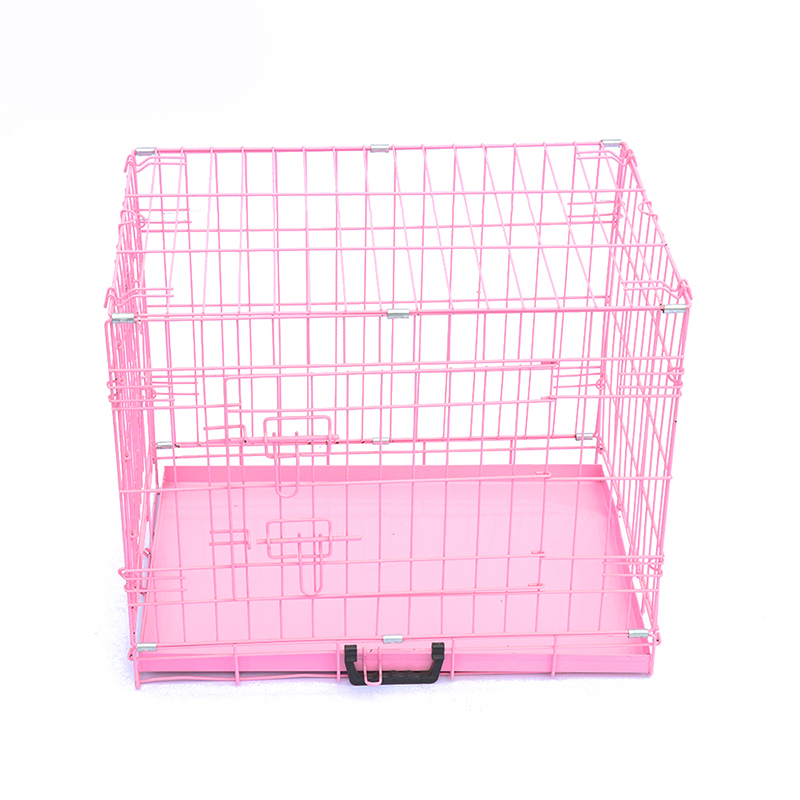
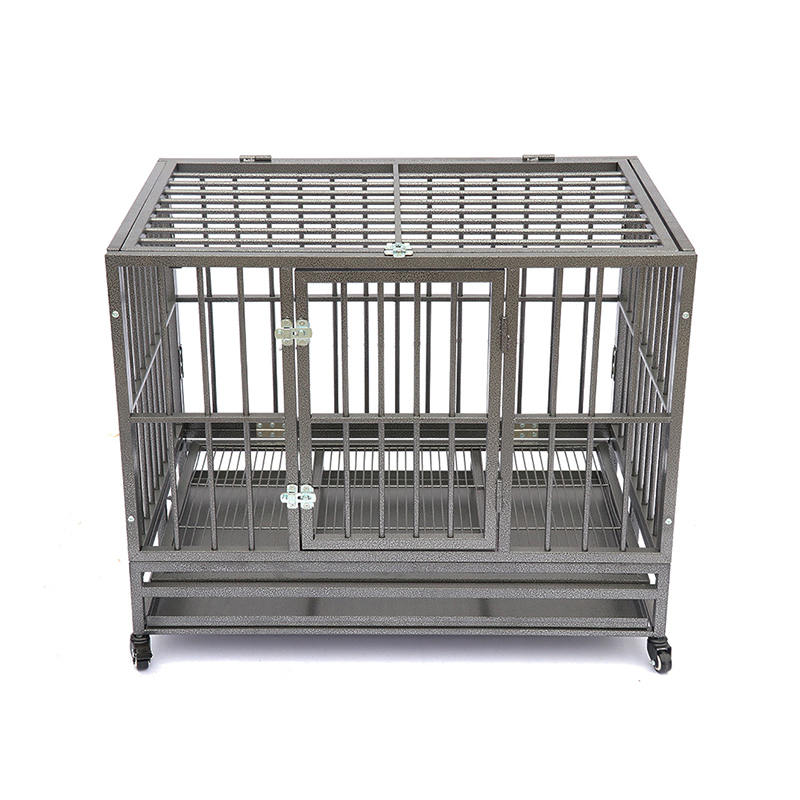
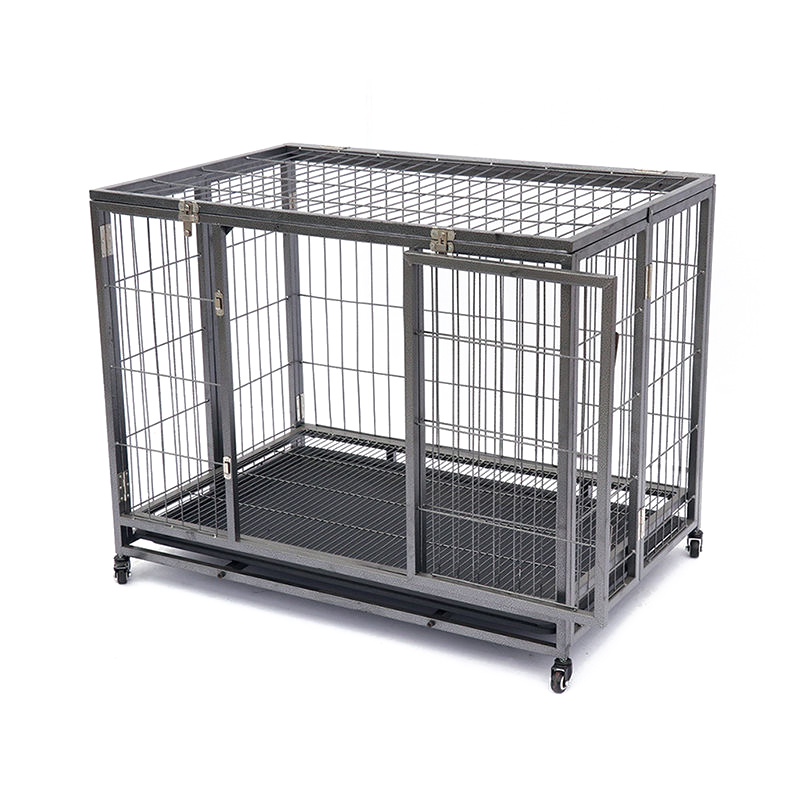
Fujian Pet Home Co., Ltd. founded in 2009. We are an integrated set of industry and trade company,which have professional design, production for export pet cage. More than 15 years experience in pet cage production and sales . Main products included: Metal pet cage, Dog cage,pet playpen, soft pet crate, furniture style pet crate,cat litter box, wooden dog house, rabbit hutch, chicken coop, cat tree, pet bed and more than 150 products.
As a professional OEM Pet Grooming Table Manufacturers and ODM Pet Grooming Table Factory, Our products mainly exported to United States, Australia, New Zealand, Japan, Germany, Netherlands, France, Switzerland, Norway, Denmark, Poland, Belgium, Philippines, Mexico, Greece, Taiwan, Hong Kong and so on more than 20 countries. Our company have professional design and sales team. Two metal dog cage production line ,one furniture style pet crate production line. More than 50 containers been exported per month. The company provide quality products and service to all domestic and foreign customer
VIEW MORE
Products
Related Products
News
News & Update
-
Oct 05. 2026
Crate Size by Breed: A Practical Sizing Guide for Pet Owners and WholesalersA customer once ordered a 36-inch crate for a Labrador Retriever puppy because an online chart listed “Labrador” under medium. Six weeks later, the puppy could not stand up without pressing his head against the top bars, and the retailer absorbed a return, a replacement shipment, and a frustrated review. That single m...
Read More -
Sep 28. 2026
Cleaning Cages: A Practical Guide from a Pet Cage Manufacturer and SupplierA groomer emails about a rust ring that appears on a dog crate tray three months after delivery. A cat owner says the litter cabinet still smells after a full scrub. A parrot breeder cannot lift dried droppings off a perch without a chisel. Every one of those complaints gets filed under cleaning cages, and every one o...
Read More -
Sep 21. 2026
How to Clean the Cage: Dog, Cat, Bird, and Small Animal Cleaning GuideHow often you clean the cage is just as important as how you clean it. The goal is not to clean the cage over and over; the goal is to clean the cage consistently and correctly so that your pet stays healthy and your enclosure lasts longer. This guide gives you a practical routine for dog crates, cat cages, bird cages...
Read More
Message Feedback
knowledge
Industry knowledge
1. Understanding the Pet Grooming Table Category
A pet grooming table is a purpose-built work surface designed to hold a dog or cat steady and at a comfortable working height while a groomer bathes, brushes, clips, or trims the animal. Unlike a household table repurposed for pet care, a dedicated pet grooming table combines a non-slip deck, a supportive restraint arm, a stable frame, and in many cases a height-adjustment mechanism, all engineered specifically around the movement patterns of animals rather than static objects. The category spans a wide range of configurations, from simple foldable units used in mobile grooming vans to hydraulic and electric tables found in salons and veterinary practices. What unites every pet grooming table is a shared functional goal: reducing strain on the groomer's back and shoulders while keeping the animal calm, secure, and positioned correctly for accurate work. Because grooming sessions can last anywhere from a few minutes for a quick trim to well over an hour for a full-service bath and cut, table stability, surface grip, and ergonomic height adjustment directly influence both the quality of the finished groom and the daily physical wellbeing of professional groomers.
This category page organizes the core knowledge that buyers, distributors, and grooming professionals typically look for when sourcing a pet grooming table: the common product types available on the market, the materials used in construction, how tables are applied across different settings, the structural components that make up a typical unit, and the maintenance practices that extend service life. The goal is to give a clear, professional overview that helps both readers and search engines understand what a pet grooming table is, how the different variants differ from one another, and which factors matter most when comparing options for a salon, clinic, mobile van, or home setup. A pet grooming table is not simply furniture; it is functional equipment that interacts directly with animal behavior, groomer ergonomics, and daily operational throughput, and each of these dimensions is explored in the sections below.
2. Common Types of Pet Grooming Tables
The pet grooming table market is generally organized around the lifting mechanism used to raise and lower the working surface, since this mechanism largely determines the price tier, weight capacity, and typical setting where a table is deployed. Buyers usually evaluate four broad groups before narrowing down a specific model: hydraulic tables, electric tables, foldable or manual tables, and fixed-height stationary tables. Each type carries distinct advantages depending on whether the equipment will sit in a fixed salon location, travel inside a mobile grooming van, or move between rooms in a veterinary clinic.
(1) Hydraulic Grooming Tables
Hydraulic pet grooming tables use a foot-pedal-operated hydraulic pump to raise and lower the tabletop smoothly without requiring an electrical outlet. This makes them a common choice for mobile grooming vehicles and salons where cord management is a concern. Hydraulic mechanisms tend to offer strong, consistent lifting power and a relatively simple internal design, which supports long-term mechanical reliability with routine care.
(2) Electric Grooming Tables
Electric grooming tables use a motorized actuator, typically controlled by a foot switch or button panel, to adjust height with minimal physical effort from the groomer. Because both hands remain free to hold or steady the animal during height adjustment, electric tables are frequently favored in high-volume salons and veterinary settings where speed and hands-free operation improve daily workflow.
(3) Foldable and Manual Grooming Tables
Foldable grooming tables are lightweight, collapsible units, often with a fixed or manually adjustable leg height, designed for portability. They fold flat for transport and storage, making them practical for mobile groomers, pet show exhibitors, and home users who need occasional grooming setups without the footprint of a permanent station.
(4) Fixed-Height Stationary Tables
Stationary tables are built at a single set height with a heavy-duty frame, favored in settings where the table stays in one place permanently, such as a dedicated grooming room. Because they carry no moving lift mechanism, stationary tables generally support higher static load ratings and require less mechanical maintenance over time.
3. Market Growth and Industry Trends
Demand for pet grooming equipment has been rising steadily alongside broader trends in pet ownership and pet care spending. As more households treat companion animals as family members, routine grooming has shifted from an occasional service to a regular part of pet care schedules. This behavioral shift has increased the frequency with which salons, clinics, and mobile groomers rely on their equipment, placing a premium on table durability and adjustability. Industry research covering the pet grooming table segment specifically has tracked this growth over a multi-year horizon, offering a useful reference point for understanding where the category is headed. The chart below summarizes the general growth trajectory reported for the global pet grooming table market across recent and projected years.
The line chart above plots the approximate global value of the pet grooming table segment from 2023 through 2032, expressed in millions of United States dollars. Starting near 650 million dollars in 2023, the segment is tracked climbing at a compound rate of roughly four percent per year, reaching close to 950 million dollars by 2032. This upward slope is not a sudden spike but a steady, sustained climb, which suggests the underlying demand drivers are structural rather than short-term. One of the clearest drivers behind this trend is the growing number of professional grooming salons opening in urban and suburban areas, each of which requires at least one, and often several, grooming tables to operate. A second driver is the parallel expansion of veterinary clinics that offer grooming and bathing as an add-on service alongside medical care, which broadens the buyer base beyond dedicated grooming businesses. Mobile grooming has also expanded meaningfully, and mobile operators typically prefer compact, foldable, or hydraulic tables that fit inside a converted van while still supporting a full-size dog safely. Regionally, North America has historically represented the largest share of pet grooming spending, supported by high rates of pet ownership and a well-established network of professional grooming businesses, though demand in other regions is expanding as pet humanization trends spread globally. For manufacturers and buyers alike, this growth trajectory signals that investment in reliable, ergonomic, and durable grooming table designs is likely to remain a relevant priority for years to come, rather than a short-lived trend tied to a single market cycle. Understanding this trajectory also helps buyers plan longer-term purchasing decisions, since a table selected today is likely to remain in active daily use across many grooming sessions over its operational lifespan. Taken together, the steady climb reflected in this chart reinforces why table quality, adjustability, and construction material are worth careful comparison before a purchase decision is made.
4. Table Surface and Frame Materials
The material used for a grooming table's frame and surface has a direct impact on how the table performs across daily use, cleaning routines, and long-term wear. Three materials dominate the category: stainless steel, aluminum, and engineered plastic or composite panels. Each material brings a different balance of strength, weight, hygiene performance, and longevity, which is why manufacturers typically match the material to the intended application rather than using a single material across every product line. Stainless steel is most common in tables destined for salons and clinics that prioritize heavy daily use and thorough sanitation between clients. Aluminum, by contrast, is frequently selected when portability is the primary concern, since it offers a meaningfully lighter frame without sacrificing too much structural rigidity. The radar chart below compares these three material categories across five practical attributes that groomers and buyers commonly weigh against one another.
In the radar chart above, the darker orange outline represents stainless steel, the black outline represents aluminum, and the lighter amber outline represents engineered plastic or composite panels, each plotted across five attributes on a relative scale. Stainless steel scores highest on corrosion resistance, load capacity, and surface hygiene, which explains why it remains the preferred choice for tables that undergo frequent washdowns and heavy daily loading in commercial settings. Its dense, non-porous surface resists scratching from clipper blades and nail contact, which in turn limits the number of microscopic grooves where bacteria or moisture could otherwise accumulate over time. Aluminum sits in a balanced middle position, offering solid corrosion resistance and noticeably better portability than steel, since it weighs considerably less for a similar frame footprint. This makes aluminum a practical option for tables that need to be repositioned within a salon or loaded in and out of a mobile grooming vehicle on a regular basis. Engineered plastic and composite panels, often used for tabletop inserts rather than full frames, score highest on portability but lower on long-term load capacity and longevity compared with metal alternatives. Plastic surfaces are typically most common on entry-level foldable tables intended for lighter, less frequent use rather than continuous commercial operation. When comparing materials, buyers should weigh how the table will actually be used day to day: a fixed commercial station benefits most from the durability profile of stainless steel, while a table that travels frequently may benefit more from the weight savings of an aluminum frame. Surface hygiene also deserves particular attention in any setting handling multiple animals throughout the day, since a surface that is easy to disinfect between appointments supports a cleaner overall working environment. Ultimately, material selection is not a matter of one option being universally superior, but rather a matter of matching known material characteristics to the specific demands of the grooming environment in question.
5. Application Scenarios and Selection Considerations
Pet grooming tables are used across a range of settings, and the ideal configuration often differs from one setting to the next. Professional grooming salons tend to prioritize height-adjustable electric or hydraulic tables that support long, repeated sessions across an entire working day. Veterinary clinics often need tables that double as an examination surface, favoring sturdy frames with straightforward cleaning. Mobile groomers operating out of vans prioritize compact, foldable, or lightweight hydraulic units that maximize interior space. Home users, meanwhile, typically look for simple, budget-conscious foldable tables suited to occasional at-home maintenance between professional visits. The donut chart below illustrates a general pattern of how grooming table usage tends to be distributed across these four settings.
The donut chart above breaks down general grooming table usage into four broad categories: professional grooming salons, veterinary clinics, home use, and other settings such as pet shows or boarding facilities. Professional salons account for the largest share of the total, which aligns with the fact that salons run the highest volume of daily appointments and therefore experience the fastest equipment turnover and replacement cycles. Veterinary clinics represent the second-largest share, reflecting the growing number of practices that bundle grooming and bathing services alongside standard medical care as a convenience for pet owners. Home use makes up a meaningful but smaller portion of total usage, generally consisting of pet owners who groom their own animals between professional appointments to manage shedding, matting, or basic hygiene. The remaining share, grouped as other settings, includes occasional and event-based use such as pet shows, boarding kennels, and rescue organizations that need a stable surface for periodic grooming tasks. This distribution has practical implications for buyers: a salon owner purchasing multiple tables should prioritize durability and daily load-bearing performance, since the equipment will see continuous use across many clients each week. A veterinary clinic, on the other hand, may prioritize a table that transitions easily between grooming and light examination tasks. Home users generally do not need the same level of adjustability or load capacity as a commercial operation, making a simpler foldable table a reasonable match for occasional use. Selection ultimately comes down to matching frequency of use, animal size range, and available space to the table type best suited for that specific environment, rather than defaulting to the most feature-rich option available. Buyers sourcing at scale, including salon chains and veterinary groups outfitting multiple locations, often work directly with manufacturers to standardize table specifications across every site, which simplifies staff training and long-term maintenance planning.
For businesses evaluating table load capacity across different lift mechanisms, the horizontal bar chart below compares typical maximum working load ranges commonly seen across the four table types discussed earlier in this article. This comparison is intended as a general reference point for the relative weight-bearing differences between mechanism types, rather than a specification for any single product.
As shown in the bar chart above, stationary fixed-height tables generally support the highest working load among the four common types, which is expected given that a rigid, non-moving frame can be reinforced without the design constraints imposed by a lift mechanism. Electric tables follow closely behind, since their motorized actuators are engineered to handle repeated lifting cycles under a substantial working load throughout a busy operating day. Hydraulic tables offer a comparable but slightly lower typical capacity, reflecting the mechanical characteristics of pump-driven lift systems relative to motorized alternatives. Foldable and manual tables carry the lowest typical load rating of the group, which is a reasonable trade-off given that their core design priority is portability and ease of storage rather than maximum weight tolerance. These figures are useful as a general planning reference, helping buyers understand which table category is more likely to comfortably accommodate larger dog breeds on a consistent basis. A salon that regularly services large or giant breed dogs will generally want to prioritize a table type positioned toward the higher end of this comparison, while a groomer working primarily with small and toy breeds has more flexibility to select a lighter, more portable option. It is worth noting that individual product specifications can vary by manufacturer and frame design, so this chart should be read as an illustration of general category tendencies rather than an exact universal figure. Weight capacity should also be considered alongside the animal's behavior during grooming, since active or anxious animals can place uneven, dynamic stress on a table that differs from a simple static load calculation. Buyers working across multiple locations or service lines often keep a mix of table types on hand, matching lighter units to smaller clientele and higher-capacity units to appointments involving larger breeds. This kind of planning helps ensure that equipment investment aligns closely with the actual demands of daily grooming operations rather than being selected on specification alone.
6. Structural Components of a Professional Grooming Table
Understanding what physically makes up a pet grooming table helps buyers evaluate build quality beyond a simple product listing. While designs vary across manufacturers, most professional-grade tables share a common set of structural components arranged around a central lift or fixed frame. Recognizing each part, and its function during a grooming session, makes it easier to compare competing products on functional merit rather than surface appearance alone. The isometric diagram below labels the six components most commonly found across hydraulic, electric, and stationary grooming table designs. Reviewing this structure also clarifies where wear typically concentrates over years of use, which is useful context heading into the maintenance guidance that follows later in this article.
The diagram above shows a simplified isometric view of a typical adjustable grooming table, with each major component numbered and labeled for reference. The non-slip table surface, marked as component one, is the working deck where the animal stands during the session, and its texture is specifically engineered to reduce paw slippage even when wet from bathing. Component two, the grooming arm and loop, is a vertical post fitted with an adjustable restraint loop that gently supports the animal in a standing position, helping to reduce sudden movement while the groomer works with clippers, scissors, or brushes. The height-adjustable lift column, labeled as component three, houses either the hydraulic pump mechanism or the electric actuator that raises and lowers the tabletop, and it represents the core mechanical assembly that differentiates hydraulic tables from electric ones. Component four, the control pedal or switch, is the interface the groomer uses to trigger height adjustment, positioned for easy foot or hand access without requiring the groomer to step away from the animal. The base support frame, shown as component five, distributes the combined weight of the table and animal evenly across the floor contact points, and its rigidity is one of the primary factors influencing overall table stability during active grooming. Locking casters, labeled as component six, allow the entire table to be repositioned within a room and then locked firmly in place once positioned, which is particularly useful in salons that rearrange floor layouts between appointments or during cleaning. Together, these six components form the functional backbone of nearly every mid-range and professional-grade grooming table on the market today, regardless of the specific brand or finish applied to the surface. Understanding how each part contributes to overall performance also helps buyers ask more informed questions when comparing quotations or product specification sheets from different suppliers. A table with a well-engineered lift column and a solid base frame will generally outperform a similarly priced competitor that has invested more heavily in cosmetic finish than mechanical substance. This structural breakdown also explains why maintenance routines, covered in the following section, focus heavily on the lift mechanism, the surface coating, and the caster wheels, since these are the components most exposed to repeated mechanical stress and moisture over the life of the table.
7. Comparing Grooming Table Types
The table below consolidates the key comparison points covered across this article into a single reference, making it easier to weigh trade-offs between hydraulic, electric, foldable, and stationary grooming tables side by side.
| Table Type | Height Adjustment | Typical Load Range | Best Suited Setting | Portability |
|---|---|---|---|---|
| Hydraulic | Foot pedal, no power needed | Moderate to high | Salons, mobile vans | Moderate |
| Electric | Motorized, foot switch or button | High | High-volume salons, clinics | Low |
| Foldable / Manual | Fixed or manually set | Lower to moderate | Mobile grooming, home use | High |
| Stationary | Fixed single height | High | Permanent grooming stations | Low |
Reviewing the comparison above alongside the earlier material and application sections gives buyers a fairly complete picture for narrowing down options. A business planning to open a fixed grooming location with dedicated floor space, for example, may lean toward an electric or stationary table built with a stainless steel surface for maximum durability and hygiene. A mobile groomer converting a van into a working studio, on the other hand, is more likely to prioritize a lightweight hydraulic or foldable aluminum-frame table that fits within a limited footprint. Manufacturers experienced in producing pet care equipment, including companies such as Pet Home (Haian) Co., Ltd, typically offer several structural and surface variations within a single grooming table line so that buyers can align table specification with their specific operating environment rather than settling for a one-size-fits-all product.
8. Maintenance and Care Guidelines
Routine maintenance directly affects how long a grooming table remains safe and functional under daily commercial use. The surface should be wiped down and disinfected after every animal, both for hygiene reasons and to prevent hair, fur, and moisture from accumulating in surface seams over time. For tables with a hydraulic or electric lift mechanism, periodic inspection of the lift column helps catch early signs of wear, such as unusual resistance or noise during height adjustment, before they develop into a larger mechanical issue. Caster wheels should be checked regularly for hair wrapping and debris buildup, since obstructed wheels can affect table stability when repositioning within a room. The restraint arm and loop should be inspected for fraying or weakening, particularly on tables used many times per day, since this component plays a direct role in animal safety during a session. Frame joints and fasteners, especially on tables that fold for transport, benefit from periodic tightening checks to prevent gradual loosening from repeated setup and breakdown cycles. Following a consistent maintenance schedule not only extends the operational life of the table but also supports a safer, more predictable working environment for both the groomer and the animal throughout each appointment.
9. Frequently Asked Questions
What size grooming table is appropriate for large breed dogs?
Tables intended for large breeds generally benefit from a wider, longer surface area along with a higher weight capacity rating, since a larger animal needs adequate room to stand comfortably without crowding the table edges.
Is a hydraulic or electric table better for a busy salon?
Electric tables are often preferred in high-volume settings because height adjustment requires no manual pumping effort, allowing groomers to keep both hands available for handling the animal during transitions.
Can a foldable grooming table support a full-size dog?
Many foldable tables are rated for a range of pet sizes, though buyers should always match the stated weight and size capacity of the specific model to the breeds they intend to groom.
How often should the table surface be cleaned?
The working surface should be wiped and disinfected between each animal, with a more thorough deep clean performed on a daily or weekly basis depending on appointment volume.
What is the purpose of the grooming arm and loop?
The grooming arm and its adjustable loop help support the animal in a stable standing position, reducing sudden movement and giving the groomer a steadier surface to work on.
Do manufacturers offer customized grooming table specifications for bulk orders?
Many manufacturers, including OEM and ODM-focused suppliers such as Pet Home (Haian) Co., Ltd, work with salon chains, veterinary groups, and wholesale distributors to adapt table dimensions, surface material, and frame configuration to specific operational needs.
Your pet deserves good, Contact now.
Whether you want to become our partner or need our professional guidance or support in product selections and problem solutions, our experts are always ready to help within 12 hours globally.
 CONTACT US

QUICK LINKS
PRODUCTS
-
Address
- Room 501,Unit 1 ,Buliding 6,Wuyi Guoji Xincheng,No.379,Zhuxi Avenue,Jianyang District,Nanping City, Fujian Province.
- No. 139-6 , Tongyu Middle Road, Nantong, Jiangsu, China
-
Mobile
- +86-13616986006
-
E-mail :

Copyright © 2025 Pet Home (Haian) Co., Ltd All Rights Reserved. Custom Pet Grooming Table Manufacturers Pet Grooming Table Factory

