
 EN
EN
 English
 中文简体
中文简体

Pet Cages and Household Products Suppliers

Pet Home (Haian) Co., Ltd
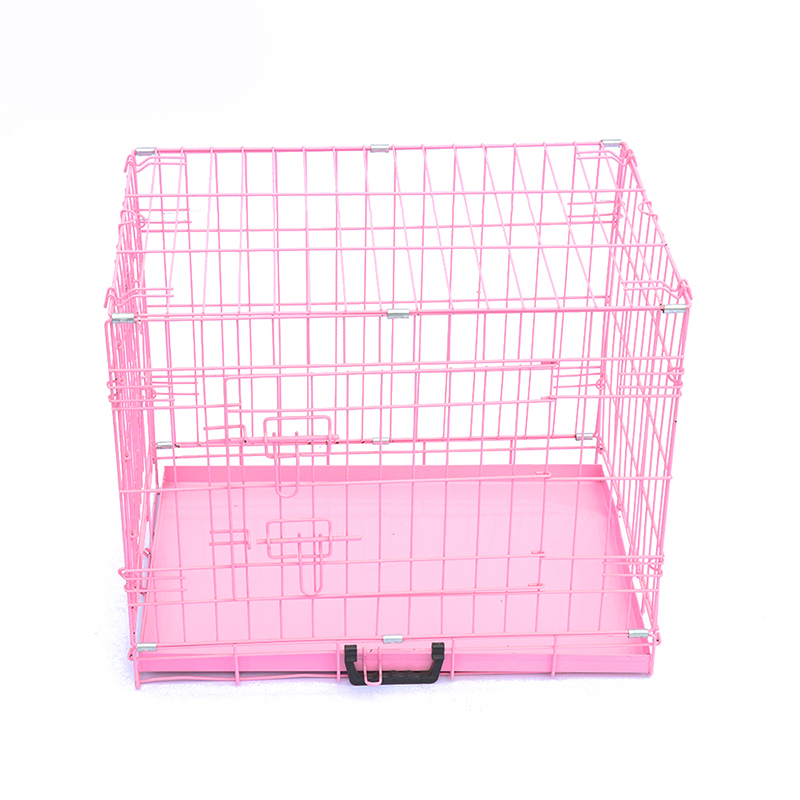
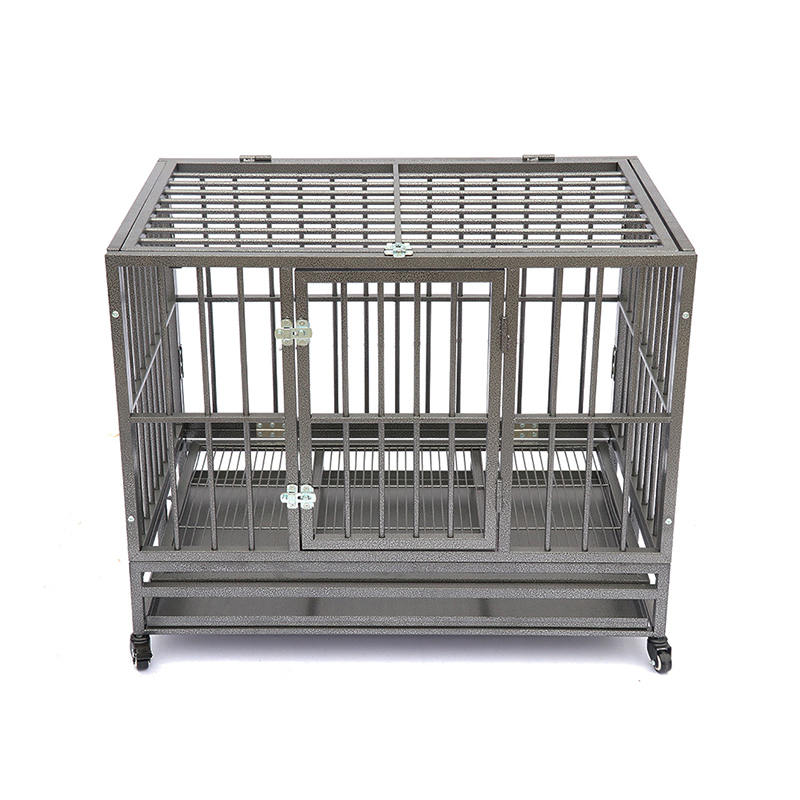
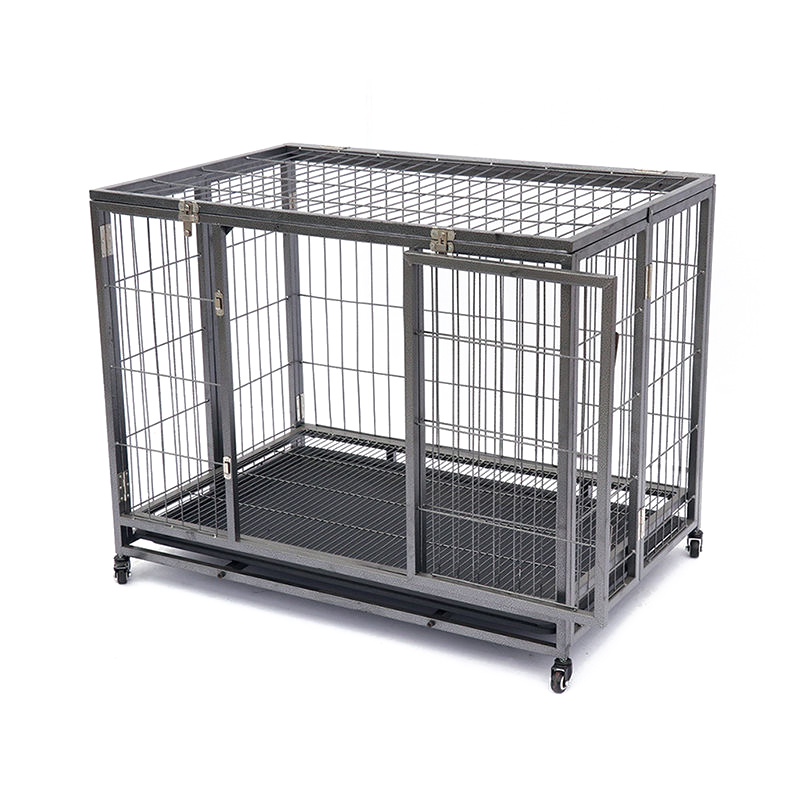
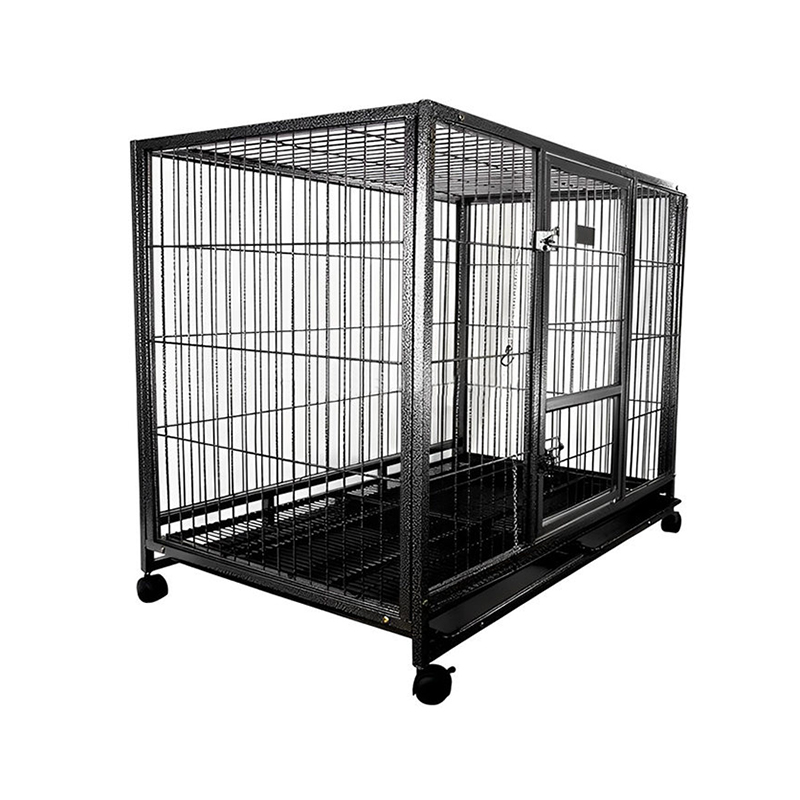
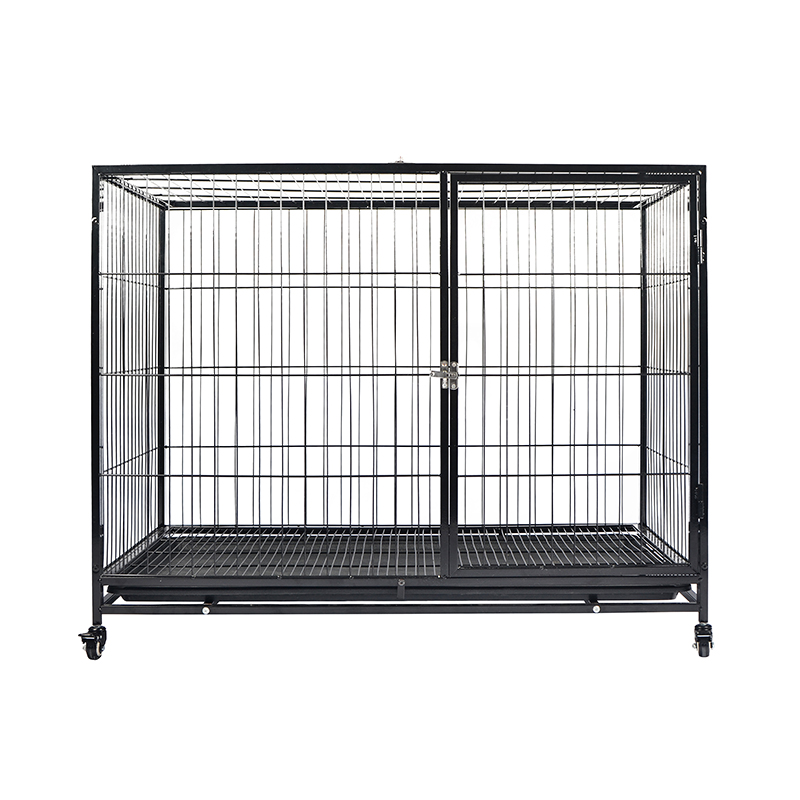
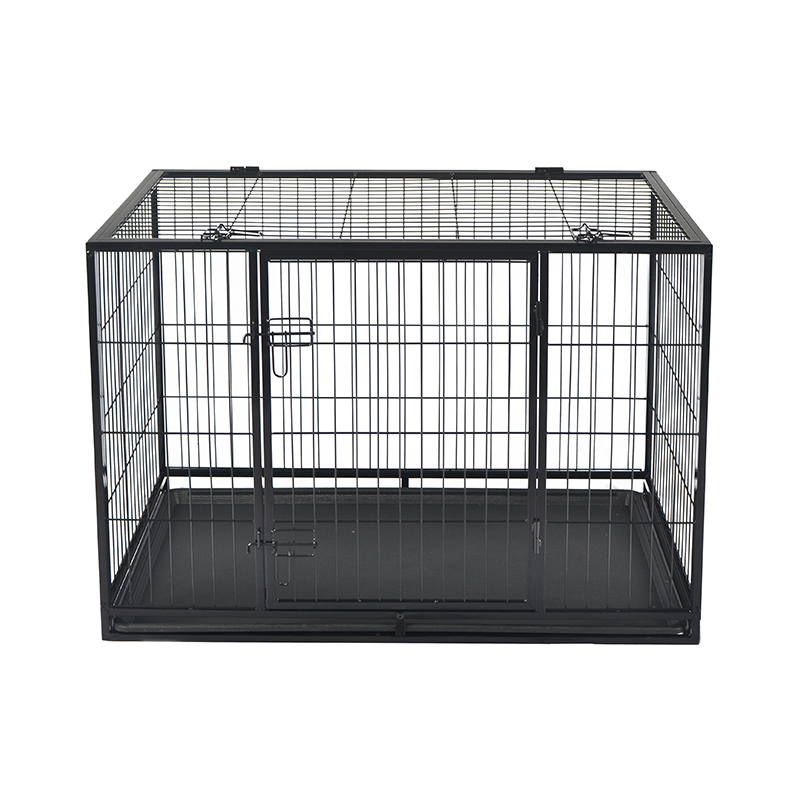
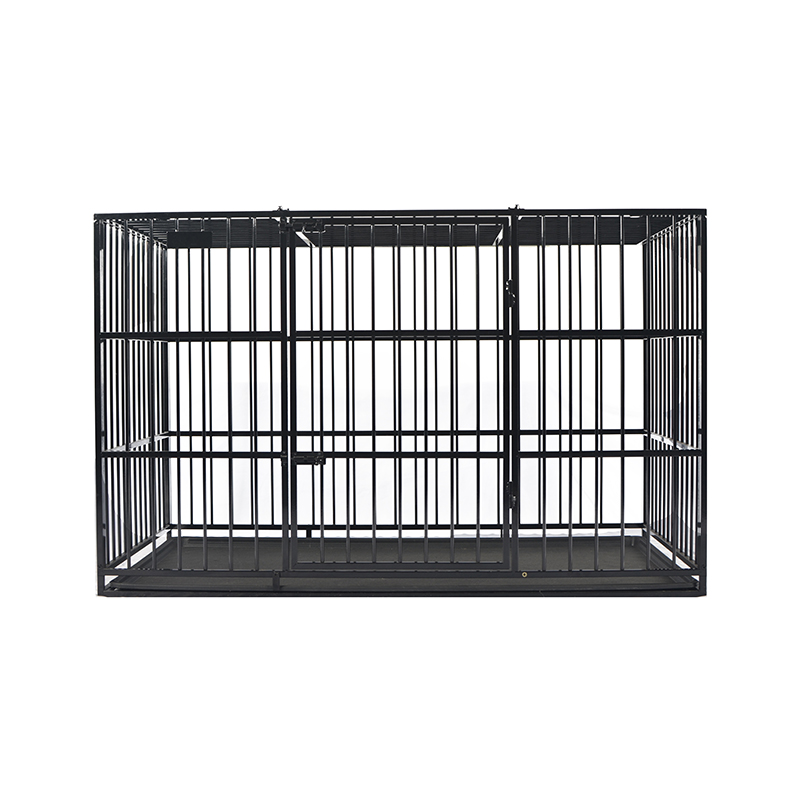
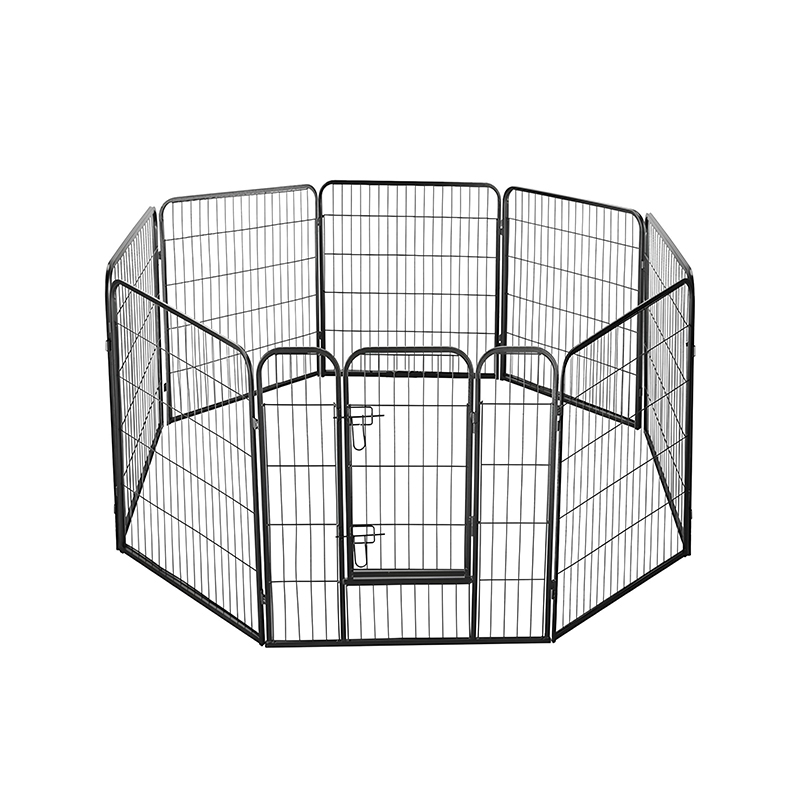
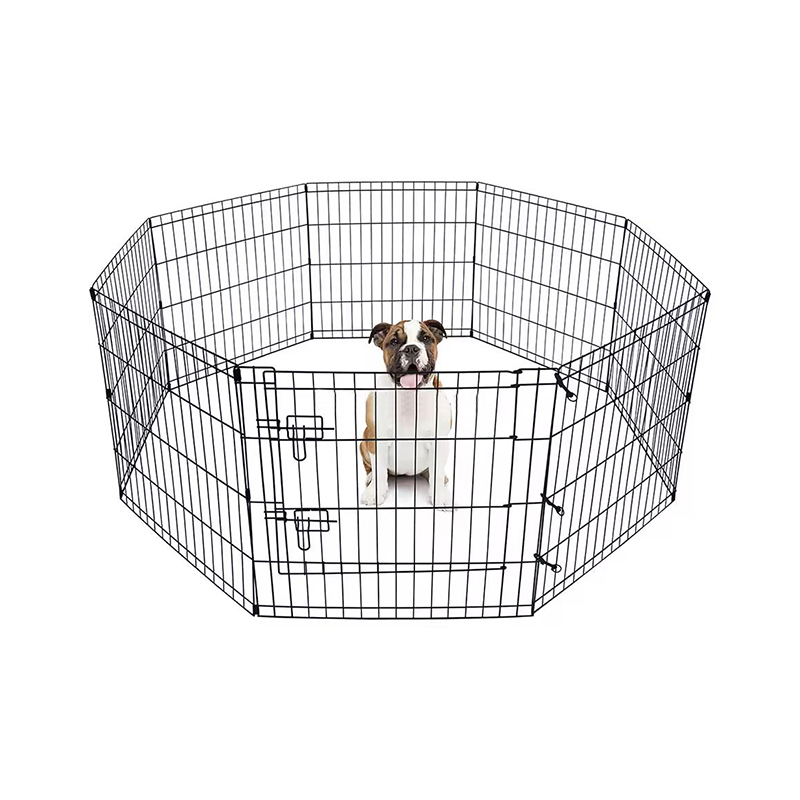
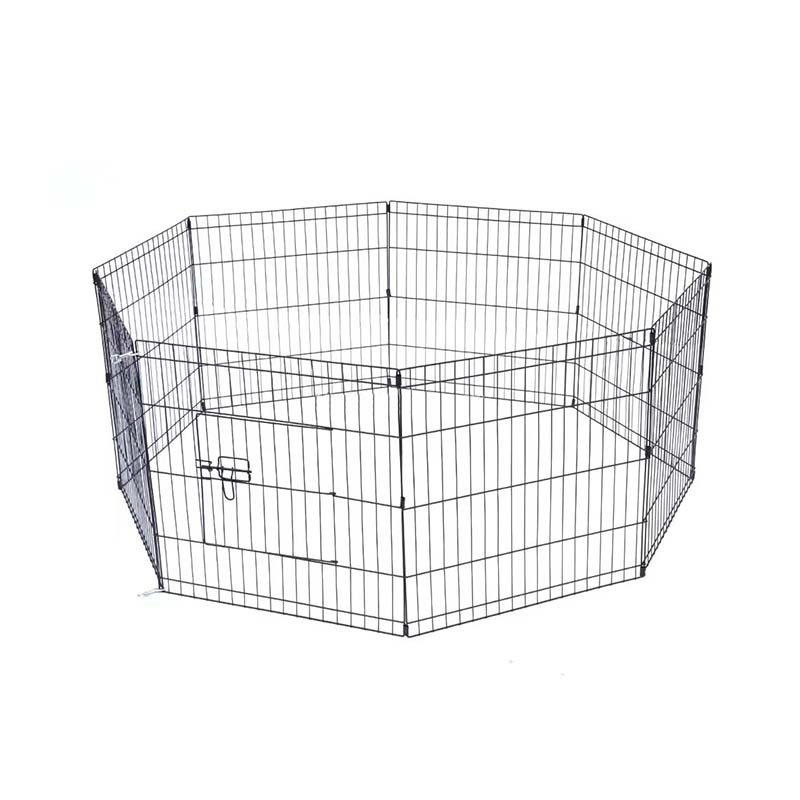
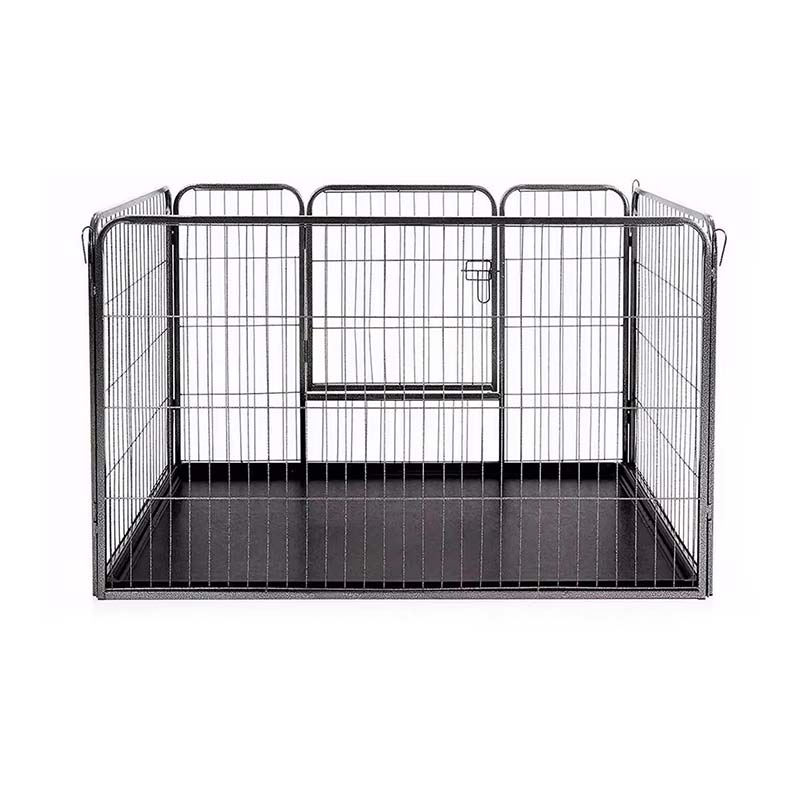
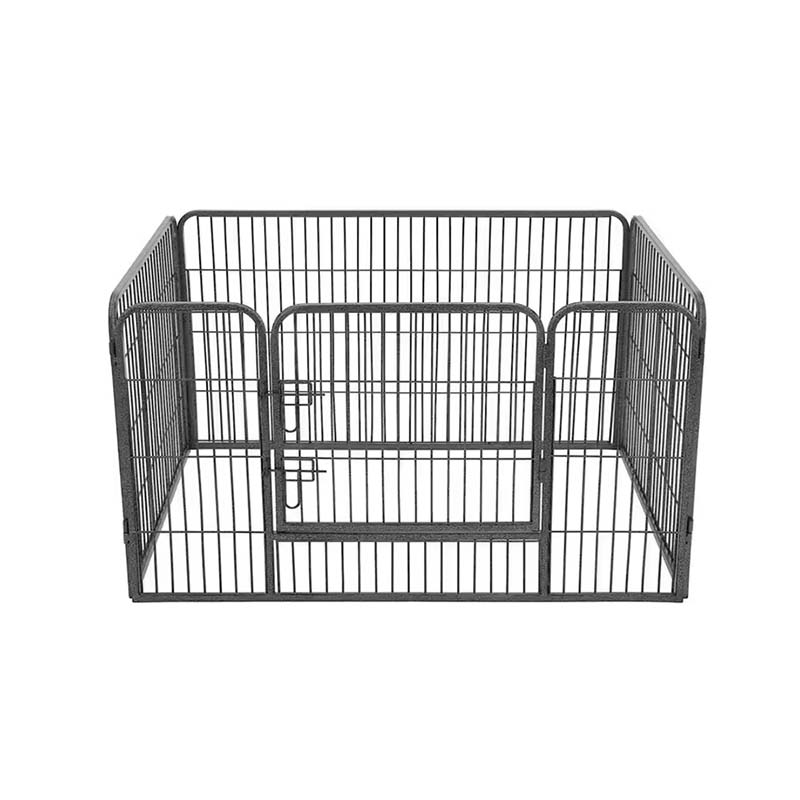
Fujian Pet Home Co., Ltd. founded in 2009. We are an integrated set of industry and trade company,which have professional design, production for export pet cage. More than 15 years experience in pet cage production and sales . Main products included: Metal pet cage, Dog cage,pet playpen, soft pet crate, furniture style pet crate,cat litter box, wooden dog house, rabbit hutch, chicken coop, cat tree, pet bed and more than 150 products.
As a professional OEM Pet Cages and Household Products Suppliers and ODM Pet Cages and Household Products Company, Our products mainly exported to United States, Australia, New Zealand, Japan, Germany, Netherlands, France, Switzerland, Norway, Denmark, Poland, Belgium, Philippines, Mexico, Greece, Taiwan, Hong Kong and so on more than 20 countries. Our company have professional design and sales team. Two metal dog cage production line ,one furniture style pet crate production line. More than 50 containers been exported per month. The company provide quality products and service to all domestic and foreign customer
VIEW MORE
Products
Related Products
News
News & Update
-
Oct 05. 2026
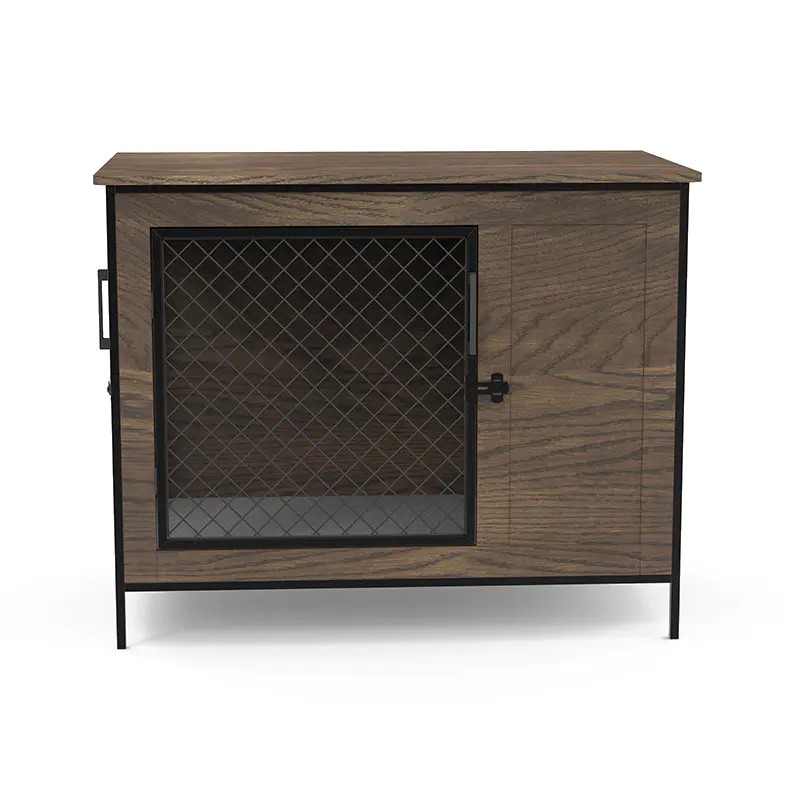
Crate Size by Breed: A Practical Sizing Guide for Pet Owners and WholesalersA customer once ordered a 36-inch crate for a Labrador Retriever puppy because an online chart listed “Labrador” under medium. Six weeks later, the puppy could not stand up without pressing his head against the top bars, and the retailer absorbed a return, a replacement shipment, and a frustrated review. That single m...
Read More -
Sep 28. 2026
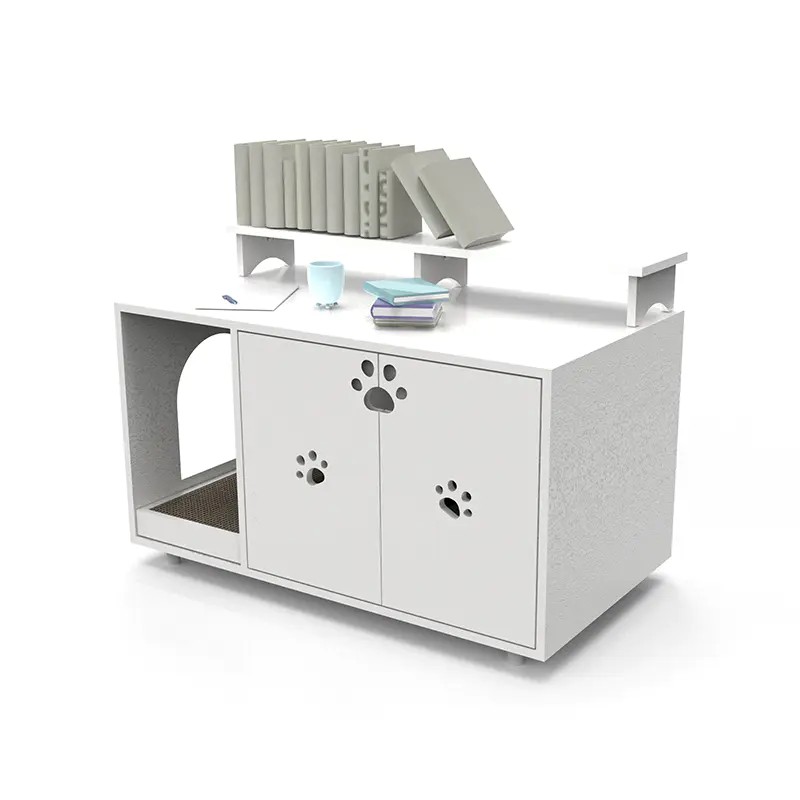
Cleaning Cages: A Practical Guide from a Pet Cage Manufacturer and SupplierA groomer emails about a rust ring that appears on a dog crate tray three months after delivery. A cat owner says the litter cabinet still smells after a full scrub. A parrot breeder cannot lift dried droppings off a perch without a chisel. Every one of those complaints gets filed under cleaning cages, and every one o...
Read More -
Sep 21. 2026
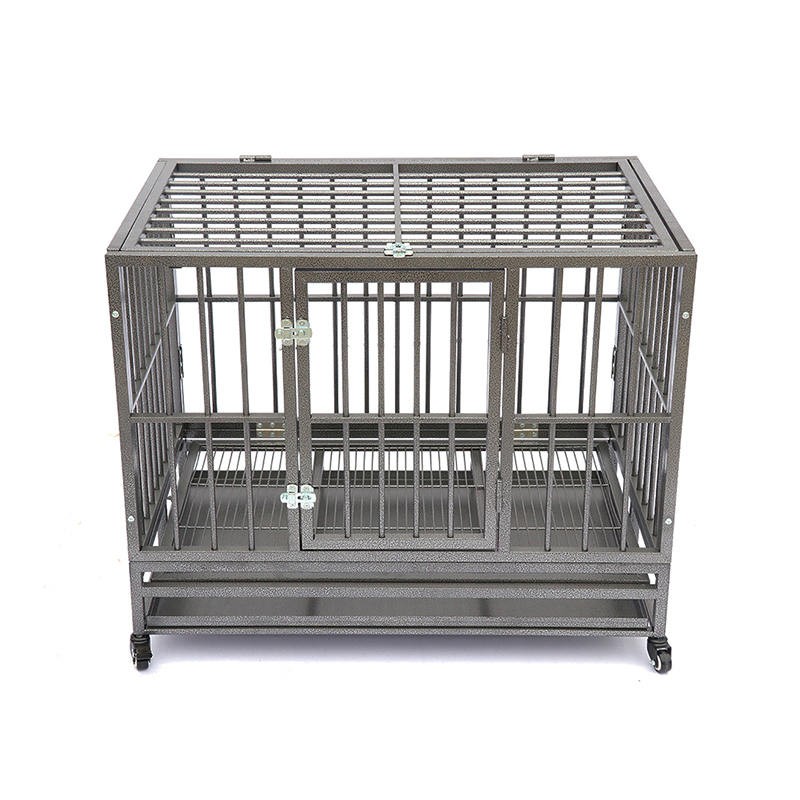
How to Clean the Cage: Dog, Cat, Bird, and Small Animal Cleaning GuideHow often you clean the cage is just as important as how you clean it. The goal is not to clean the cage over and over; the goal is to clean the cage consistently and correctly so that your pet stays healthy and your enclosure lasts longer. This guide gives you a practical routine for dog crates, cat cages, bird cages...
Read More
Message Feedback
knowledge
Industry knowledge
Choosing the right pet cage is one of the most consequential decisions a pet owner makes. The enclosure your dog, cat, rabbit, or small animal spends time in directly influences their physical safety, psychological wellbeing, and behavioral development. A well-matched cage provides a secure den, supports training, and reduces anxiety-driven behavior, while a poorly chosen one can cause stress, injury, or regression in housebreaking progress. This guide draws on established pet care research and industry production standards to give you a practical, data-backed framework for selecting the right indoor pet cage, dog crate, cat cage, or small animal enclosure for your specific situation.
The answer is not one-size-fits-all. The correct pet cage depends on four intersecting variables: the species and breed of your pet, the intended use (training, sleep, transport, or full-time housing), the physical environment (indoor room, balcony, or outdoor yard), and the structural material and build quality. Each of these factors is examined in detail below.
Why Pet Cage Selection Matters More Than Most Owners Realize
According to the American Veterinary Society of Animal Behavior (AVSAB), improper confinement is one of the leading causes of stress-induced behavioral problems in companion animals, including excessive barking, destructive chewing, and elimination issues. The type, size, and setup of a pet cage for training or rest is therefore not simply a convenience product but a welfare tool with direct clinical relevance.
Survey data from the American Pet Products Association (APPA) consistently shows that over 67 percent of U.S. households own at least one pet, and approximately 45 percent of dog owners use a crate or cage as part of their pet management routine. Despite this widespread use, fewer than 30 percent of buyers report researching cage specifications before purchase, leading to high rates of size mismatch, material incompatibility, and structural failure within the first 12 months of ownership.
Understanding the distinction between a dog crate used for short-term training, a durable pet cage designed for long-term housing, and a foldable pet cage built for portability is the first step toward an informed purchase. These product categories share a name but differ significantly in design intent, material specification, and appropriate use cases.
Why Pet Owners Purchase Cages and Enclosures (% of Buyers)
This horizontal bar chart presents survey data on the primary reasons pet owners purchase enclosures, ranked by frequency of response. Crate training and sleep support lead by a wide margin, reflecting the dominant role of pet cages for training in modern companion animal management. Safety and containment rank third, particularly relevant for households with young children or multiple animals. Travel and balcony/outdoor use represent significant secondary markets, driving demand for foldable pet cage designs and weather-resistant materials. The small animal cage segment, while smaller in absolute volume, represents a fast-growing category as rabbit, guinea pig, and cat households seek dedicated housing solutions beyond basic cardboard or fabric options.
Sizing Your Pet Cage Correctly: A Species and Breed Reference
The most common sizing mistake is selecting a cage based on a pet's current size rather than their adult dimensions. For puppies and kittens, this results in purchasing two cages within 12 months. The standard industry guideline, widely cited by veterinary organizations, is that a dog crate should be large enough for the animal to stand fully upright, turn around in a full circle, and lie stretched out on their side - and nothing significantly larger, as excess space reduces the denning effect that makes crates effective for training.
For dogs, this translates to measuring the pet from nose to tail base and adding 4 inches to determine minimum crate length. Height is measured from floor to the top of the head in a standing position, plus 4 inches. For small dog cage applications - typically for breeds under 10 kg - a 24-inch (61 cm) crate is standard. Medium breeds (10-25 kg) require 30 to 36 inches, while large breeds require 42 to 48 inches.
| Pet / Breed Size | Adult Weight | Min. Cage Length | Min. Cage Height | Typical Cage Size |
|---|---|---|---|---|
| Small Dog / Cat | Under 10 kg | 61 cm (24 in) | 53 cm (21 in) | 24-inch crate |
| Medium Dog | 10-25 kg | 76-91 cm (30-36 in) | 61-66 cm (24-26 in) | 30 or 36-inch crate |
| Large Dog | 25-45 kg | 107-122 cm (42-48 in) | 71-76 cm (28-30 in) | 42 or 48-inch crate |
| Rabbit (Small) | 1-2 kg | 90 cm (35 in) | 45 cm (18 in) | Medium hutch |
| Guinea Pig / Hamster | 0.5-1.2 kg | 60 cm (24 in) | 35 cm (14 in) | Small animal cage |
Sizing Adjustments for Multi-Pet Households
In multi-pet households, some owners consider sharing a single large cage between two small animals. For cages for small animals such as rabbits or guinea pigs, this is viable provided the total floor area per animal meets the species minimum - typically 0.5 square meters per rabbit and 0.25 square meters per guinea pig. For dogs, shared crating is not recommended except for bonded pairs of similarly-sized animals that have been gradually introduced to shared confinement under veterinary guidance.
Cage Materials Compared: Metal, Fabric, Wood, and Furniture Style
Material selection determines a cage's durability, maintenance requirements, suitability for different environments, and aesthetic integration into a living space. The four dominant material categories in the pet products market each have distinct structural and use-case profiles.
Metal pet cages - typically constructed from electro-welded steel wire with a powder-coated or zinc-plated finish - represent the market-dominant format for dog crates and indoor pet cages. Their primary advantages are structural rigidity, ease of cleaning, and ventilation. A well-specified metal cage should feature wire gauge of at least 14G for small dog cage applications and 12G or heavier for large breeds, with a floor pan that slides out for cleaning and welded (rather than crimped) wire joints for longevity. Electro-galvanized or epoxy powder-coated finishes provide corrosion resistance for balcony cat enclosure and outdoor applications.
Furniture-style pet crates have grown rapidly as a category because they double as end tables or decorative pieces, eliminating the visual disruption of a wire cage in a living area. These are typically constructed from MDF, solid wood, or engineered wood with metal hardware. They are well-suited to household pet products contexts where design continuity matters, but require careful material selection to resist moisture and odor penetration - sealed MDF panels or kiln-dried solid wood treated with non-toxic coatings perform best. They are not recommended for heavy chewers or dogs that scratch persistently.
Soft-sided crates (fabric over a collapsible frame) offer the highest portability and lowest weight, making them the leading choice for a foldable pet cage used in travel or temporary housing contexts. However, they are not appropriate for unsupervised use with dogs that chew or scratch, as fabric panels fail quickly under sustained mechanical stress. They are well-suited for cats, small animals, and calm, crate-trained dogs in transit situations.
Pet Cage Material Performance Comparison (5 Dimensions, Score 0-10)
This radar chart maps three principal cage material types across five performance dimensions that matter most to pet owners: structural durability, portability, aesthetic integration, ease of cleaning, and overall value. Metal pet cages demonstrate the widest polygon footprint, reflecting their strong performance across most dimensions, with particularly high scores for durability and cleanability. Furniture-style pet crates score highest for aesthetics and deliver solid durability but sacrifice portability significantly, making them optimal for stationary indoor installations in living rooms or bedrooms. Soft-sided fabric crates lead on portability by a considerable margin, making them the clear choice for travel-oriented buyers, but their durability and cleanability scores are lower, particularly for dogs that chew or scratch persistently. Value scores are relatively consistent across all three categories in the mid-to-high range, reflecting the competitive pricing across product types in the current market. Buyers selecting a durable pet cage for long-term stationary use should weight the metal category's durability and cleaning advantages over the aesthetic benefits of furniture-style options, unless interior design compatibility is the primary criterion.
Indoor vs Balcony and Outdoor Cage Setups: Key Differences
The physical placement of a pet cage significantly changes the specification requirements. An indoor pet cage in a climate-controlled environment has different material, ventilation, and structural demands than a balcony cat enclosure or outdoor rabbit hutch exposed to UV radiation, rainfall, and temperature fluctuation.
For balcony and outdoor applications, the critical specification factors are corrosion resistance, UV stability of coatings, and structural anchoring. Wire gauge becomes more important than in indoor settings because outdoor metal cages are subjected to greater thermal expansion and contraction. Powder-coated finishes with a minimum of 60-80 micron coating thickness outperform painted finishes by approximately 3 to 5 times in outdoor corrosion resistance, based on standardized salt spray test data (ASTM B117).
A balcony cat enclosure specifically benefits from multi-panel modular designs that can be assembled to fit irregular balcony dimensions and anchored to railings or walls without permanent structural modification. Roof panels with partial solid covering provide shade and rain protection without eliminating the outdoor exposure that makes balcony housing appealing for cats. Floor grid openings should be narrow enough (typically under 2.5 cm) to prevent paw entrapment while still permitting drainage.
Indoor Cage Placement Best Practices
- Place the indoor pet cage in a low-traffic area away from doors and windows with direct sunlight
- Avoid proximity to heating vents, air conditioners, or drafty corridors
- Position the cage at a height where the pet can see the main living area without being at floor level where foot traffic causes stress
- Cover three sides of the cage with a blanket for dogs to enhance the denning effect during nighttime crating
- Ensure a minimum 10 cm clearance on all sides for ventilation, particularly for foldable pet cage units with solid panel sections
Foldable Pet Cages: Portability Without Compromise
The foldable pet cage category has grown substantially as pet travel and multi-location households have become more common. A well-designed collapsible cage should fold to a flat profile within 30 seconds, lock securely in the open position, and maintain the same structural rigidity as a fixed-frame equivalent. The key engineering challenges are hinge durability and corner joint strength, which are the primary failure points in lower-specification units.
For metal foldable cages, look for designs that use a double-door configuration (front and top or front and side), a removable and washable floor tray, and folding panels that lock via a positive-engagement latch rather than a friction fit. Single-door fold-flat designs are more compact but less convenient for loading a reluctant or large animal. For dogs over 20 kg, a single fold-flat metal cage should have a minimum 14G wire gauge to resist deformation when the dog leans or pushes against panels.
Global Pet Cage Market Size Growth (USD Billion, 2019-2024, Estimated)
This line chart illustrates the estimated global market growth for pet housing and enclosure products from 2019 to 2024, measured in USD billions. The trajectory shows a consistent upward trend with an accelerating pace of growth between 2020 and 2022, largely driven by the pandemic-era surge in pet adoption across North America, Europe, and Australasia - markets that collectively account for the majority of wholesale pet cages imported and distributed annually. The market reached an estimated 4.5 billion USD by 2024, representing a compound annual growth rate of approximately 16 percent over the five-year period. This growth has disproportionately benefited manufacturers with established production infrastructure and multi-market export capability, as import demand from the United States, Australia, Germany, and Japan has grown faster than domestic manufacturing capacity in those markets can absorb. For buyers evaluating wholesale pet cages and household pet products, this demand environment underscores the importance of establishing reliable supply relationships with experienced manufacturers rather than seeking lowest-cost alternatives that may sacrifice consistency.
Cages for Small Animals: Rabbits, Guinea Pigs, and Cats
The category of cages for small animals encompasses a wide range of enclosure types designed for species with distinct behavioral and environmental requirements. Unlike dogs, small animals such as rabbits, guinea pigs, hamsters, and cats have specific needs related to burrowing, climbing, social interaction, and foraging that a cage must accommodate structurally.
For rabbit hutches, floor space is the dominant welfare metric. The Rabbit Welfare Association recommends a minimum hutch size of 3 meters by 1 meter, with a separate exercise run that allows the rabbit to reach full stride. Wire flooring is not recommended for rabbits due to the risk of sore hocks; solid wood or plastic-coated mesh panels at the base are preferable. Small pet cages designed for guinea pigs require a minimum of 0.7 square meters of usable floor space per animal, a level floor without raised platforms that could cause falls, and a water bottle or heavy ceramic bowl rather than open dishes that tip easily.
Cat cages designed for indoor housing - distinct from carrier crates or temporary veterinary confinement - typically use a multi-level configuration with platforms, perches, and hammocks to utilize vertical space. The pet cage for cats in a home environment should allow the cat to express natural climbing and observation behaviors. A single-level cat cage without vertical enrichment is associated with higher rates of stress-induced over-grooming and redirected aggression in published feline welfare literature.
Minimum Floor Space Requirements for Small Animal Cages (Square Meters per Animal)
This column chart presents the minimum recommended floor space per animal for five common small pet categories housed in cages or hutches, drawing on welfare guidelines published by national veterinary and animal welfare organizations. Rabbits require substantially more space than other small animals due to their need to perform full stride binky jumps and sustained running as part of normal behavioral expression, making them the most space-demanding small pet in relative terms. Indoor cat enclosures require meaningful floor area even when multiple perching levels are incorporated, as floor-level territory remains important for cats regardless of vertical enrichment. Guinea pigs and hamsters have more modest space requirements in absolute terms, but the quality and layout of their small pet cages matters significantly - enrichment items, substrate depth, and hiding structures contribute as much to welfare as raw floor area. Chicken coop and backyard coop sizing is the most variable across jurisdictions, with many countries and municipalities specifying minimum legal requirements that exceed published welfare guidelines. Buyers of cages for small animals should treat these figures as minimum thresholds rather than targets, and select designs that allow for enrichment additions without reducing effective usable space.
What to Look for When Buying Wholesale Pet Cages
For retailers, distributors, and importers purchasing wholesale pet cages, the evaluation criteria extend beyond end-user suitability to include supply chain reliability, packaging density, certification compliance, and customization capability. A wholesale supplier who can manufacture across multiple product lines - metal dog cages, furniture-style crates, small animal cages, and pet accessories - under one roof typically offers better consistency and lower logistics cost than sourcing from multiple specialized factories.
Key wholesale procurement checklist items for pet cage and pet products buyers include:
- Wire gauge certification: Request test reports confirming wire gauge and tensile strength, particularly for small dog cage and large breed applications where structural failure poses animal safety risk
- Surface treatment durability: Ask for salt spray test data (minimum 200 hours at ASTM B117 standard) for any metal cage intended for outdoor or balcony use
- Material safety certification: Confirm that all surface coatings, paints, and wood finishes are tested for heavy metal content and VOC emissions, with documentation suitable for EU, US, and Australian import compliance
- Packaging density and container utilization: For foldable pet cage products especially, review the flat-packed dimensions and container loading plans to understand freight cost per unit
- Production capacity and lead time: Verify monthly production volume against your demand projections, particularly for peak season (Q3-Q4) demand in North American and European markets
- OEM/ODM flexibility: Confirm whether the supplier can adapt cage dimensions, finishes, or labeling to meet private label or market-specific requirements
About Fujian Pet Home Co., Ltd.
Founded in 2009, Fujian Pet Home Co., Ltd. is an integrated industry and trade company specializing in the design, production, and export of professional pet cages and household pet products. With more than 15 years of experience in pet cage production and sales, the company has built a deep understanding of the requirements of international buyers across multiple market segments.
The product portfolio includes metal pet cages, dog crates, pet playpens, soft pet crates, furniture-style pet crates, cat litter boxes, wooden dog houses, rabbit hutches, chicken coops, cat trees, pet beds, and more than 150 product types in total. The company operates two dedicated metal dog cage production lines and one furniture-style pet crate production line, with a monthly export capacity of more than 50 containers.
Products are exported to more than 20 countries, including the United States, Australia, New Zealand, Japan, Germany, Netherlands, France, Switzerland, Norway, Denmark, Poland, Belgium, Philippines, Mexico, Greece, Taiwan, and Hong Kong. With a professional design and sales team and a commitment to quality-first manufacturing, Fujian Pet Home serves both wholesale buyers seeking durable pet cages at scale and retail distributors requiring consistent product quality and compliant documentation for demanding import markets.
Frequently Asked Questions About Pet Cages
Your pet deserves good, Contact now.
Whether you want to become our partner or need our professional guidance or support in product selections and problem solutions, our experts are always ready to help within 12 hours globally.
 CONTACT US

QUICK LINKS
PRODUCTS
-
Address
- Room 501,Unit 1 ,Buliding 6,Wuyi Guoji Xincheng,No.379,Zhuxi Avenue,Jianyang District,Nanping City, Fujian Province.
- No. 139-6 , Tongyu Middle Road, Nantong, Jiangsu, China
-
Mobile
- +86-13616986006
-
E-mail :

Copyright © 2025 Pet Home (Haian) Co., Ltd All Rights Reserved. Wholesale Pet Cages and Household Products Suppliers Pet Cages and Household Products Company

