
 EN
EN
 English
 中文简体
中文简体

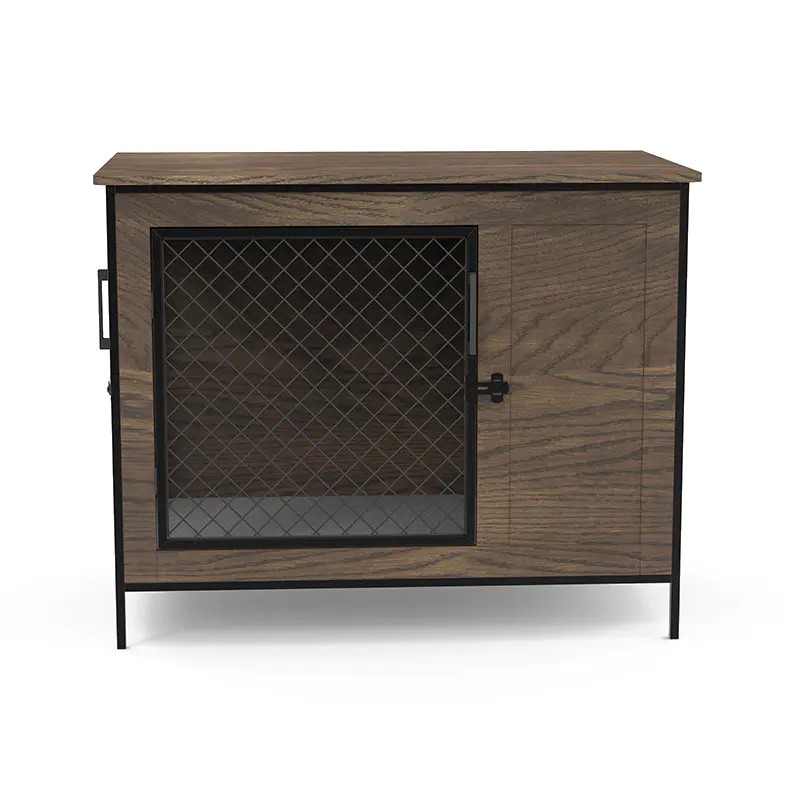
Wood Furniture Style Dog Cage Manufacturer
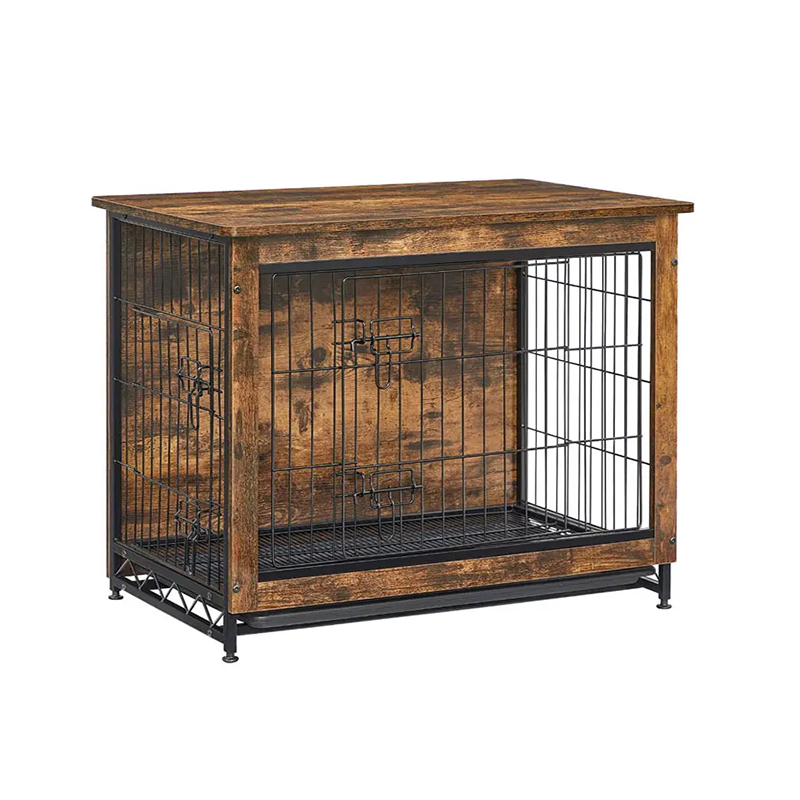
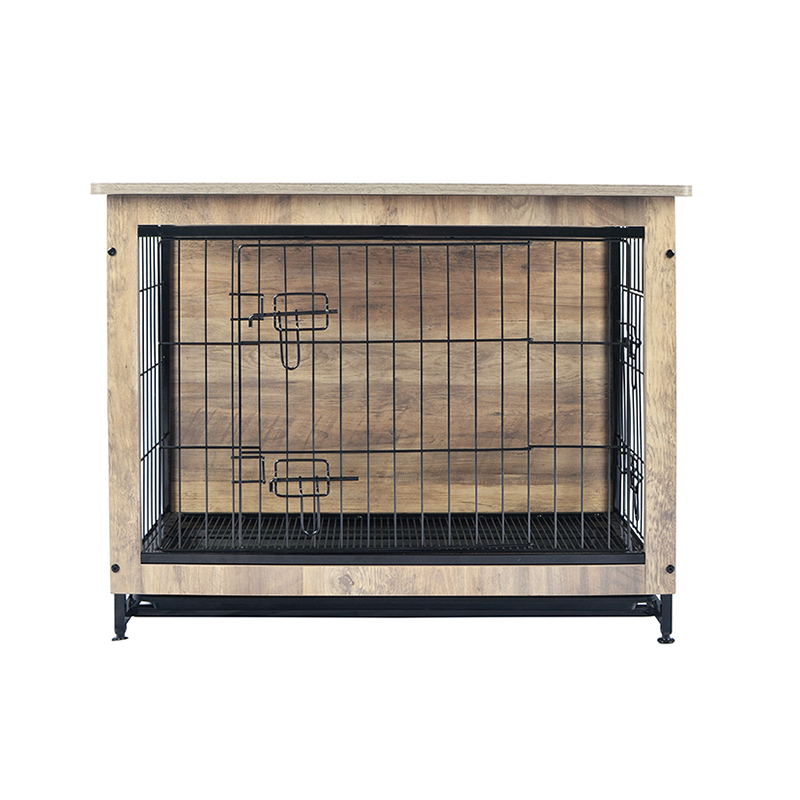
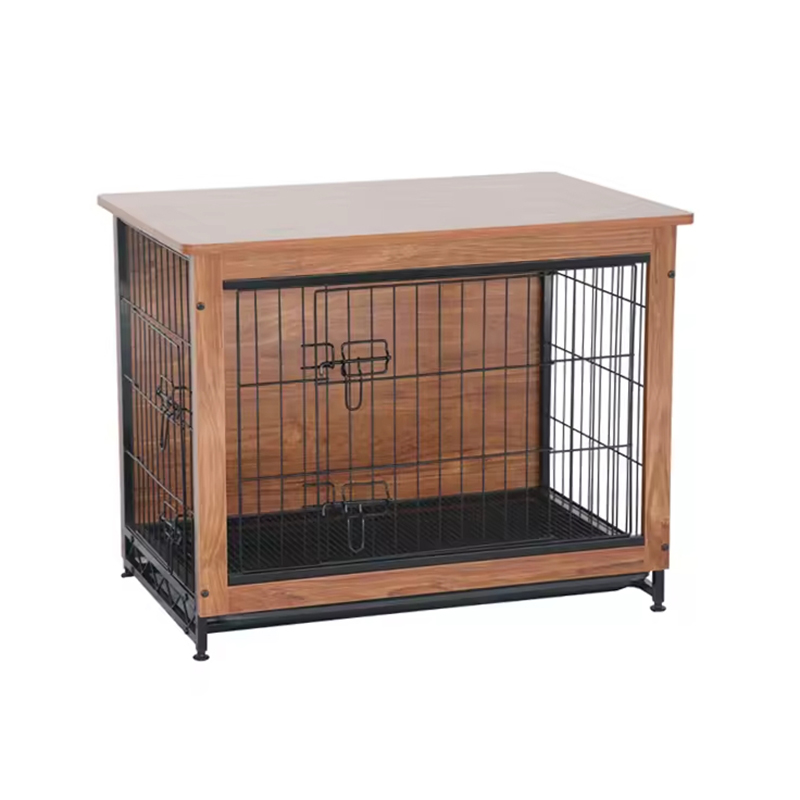
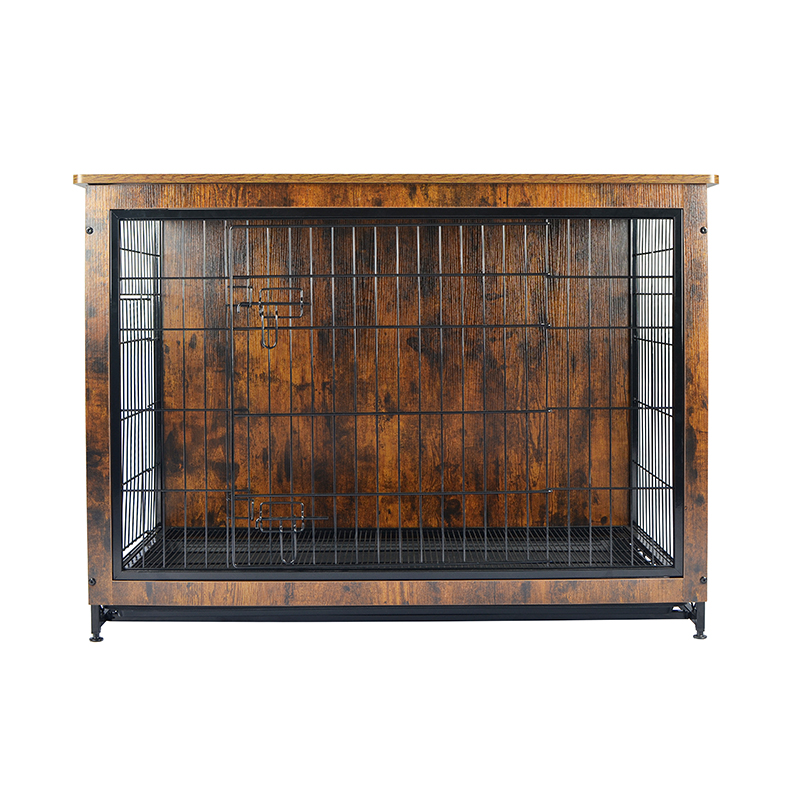
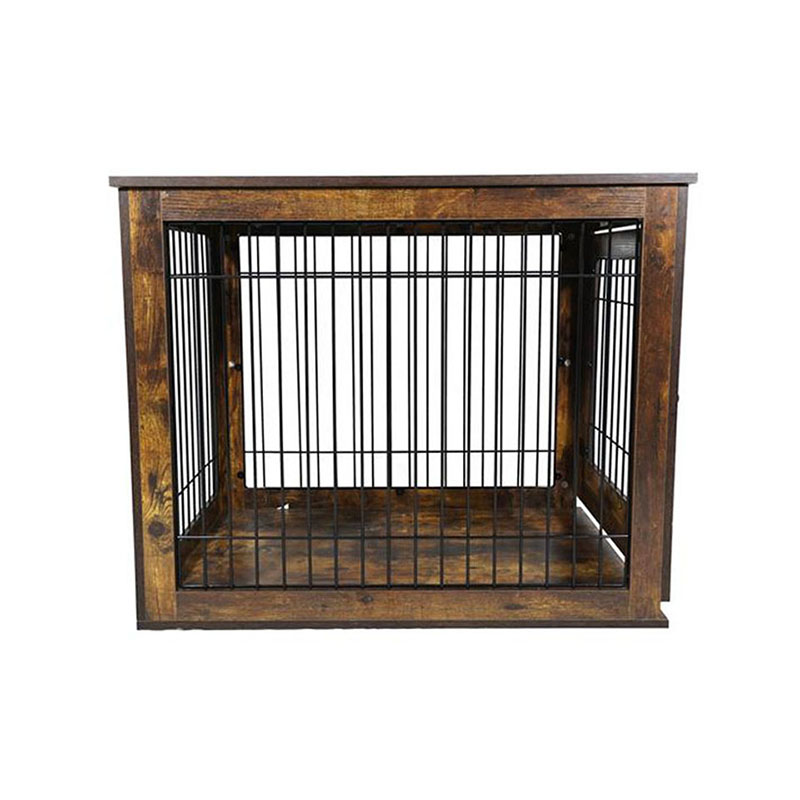
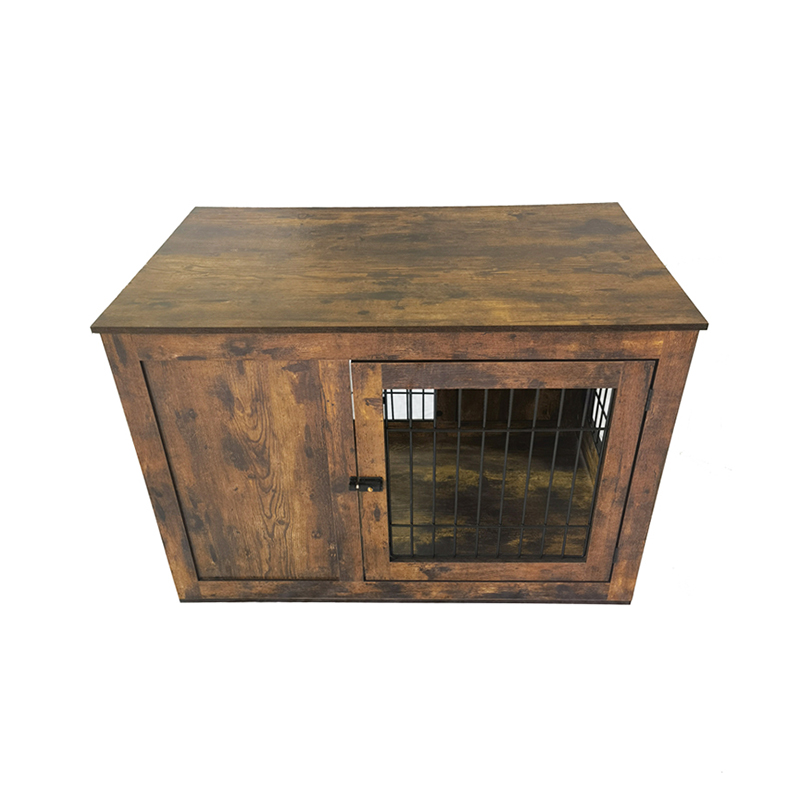
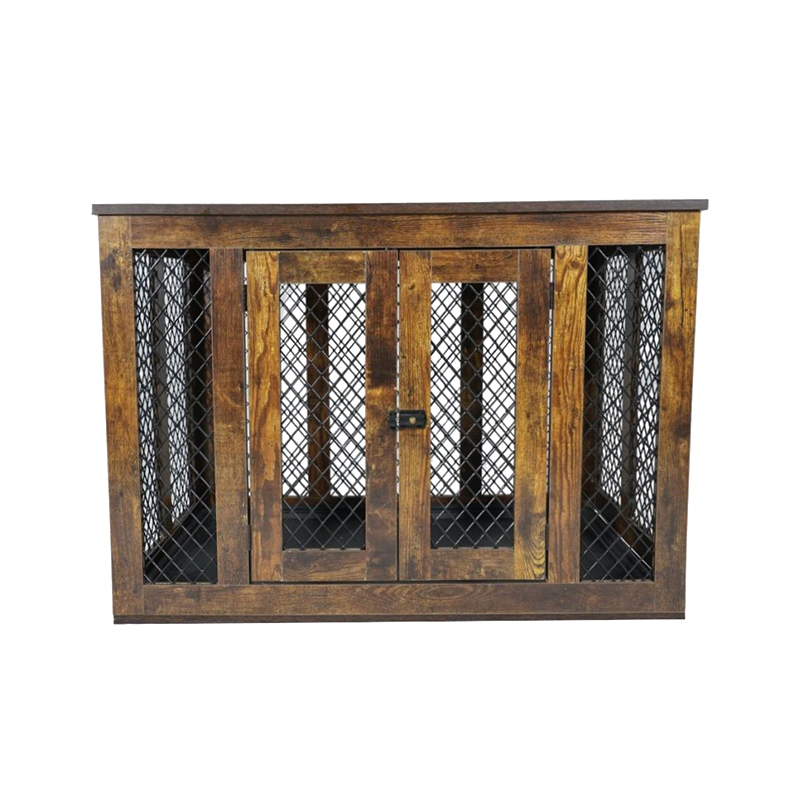
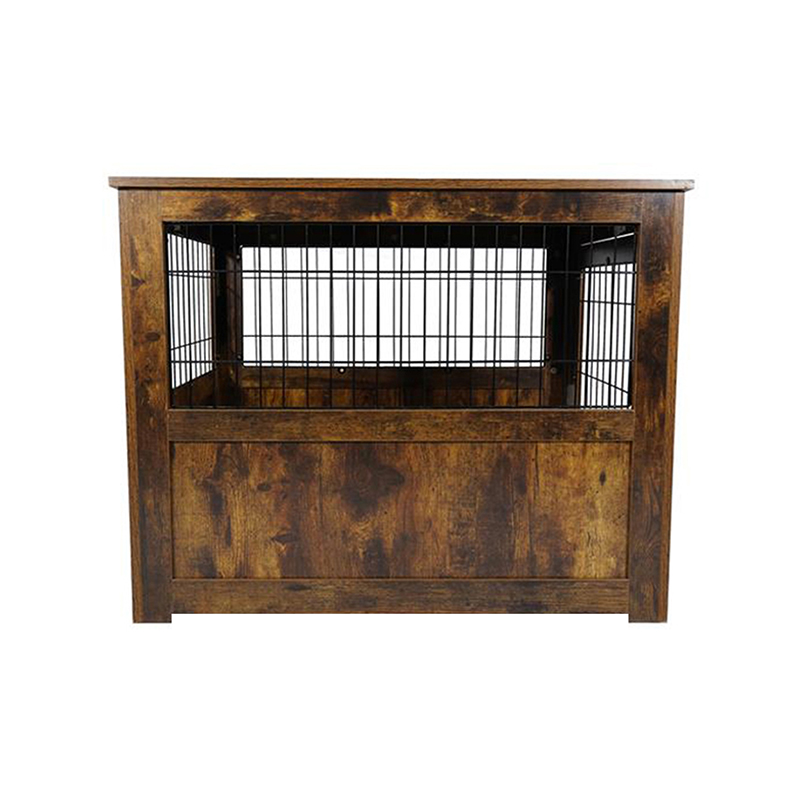
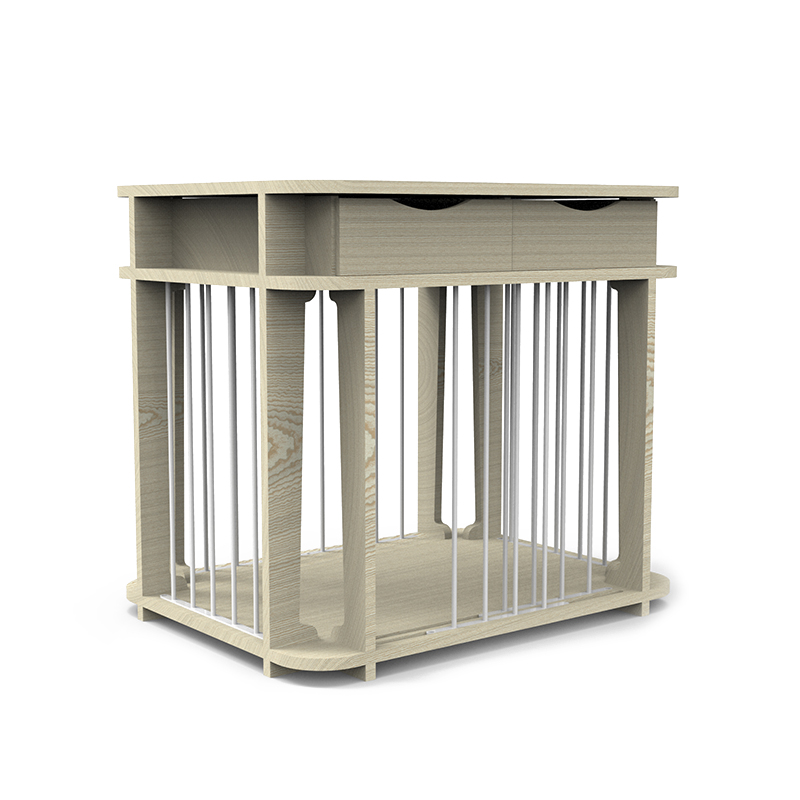
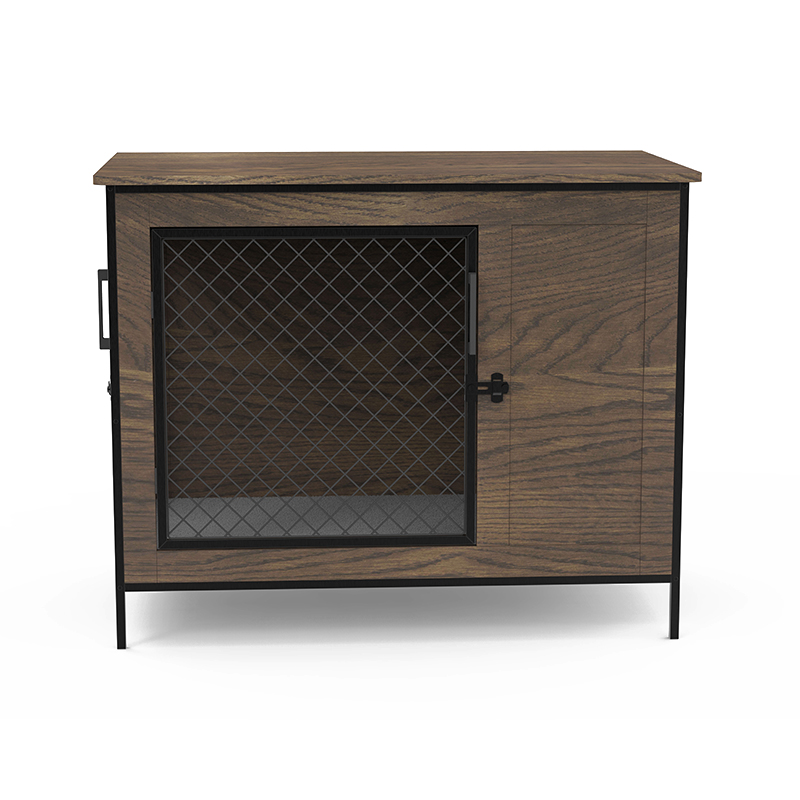
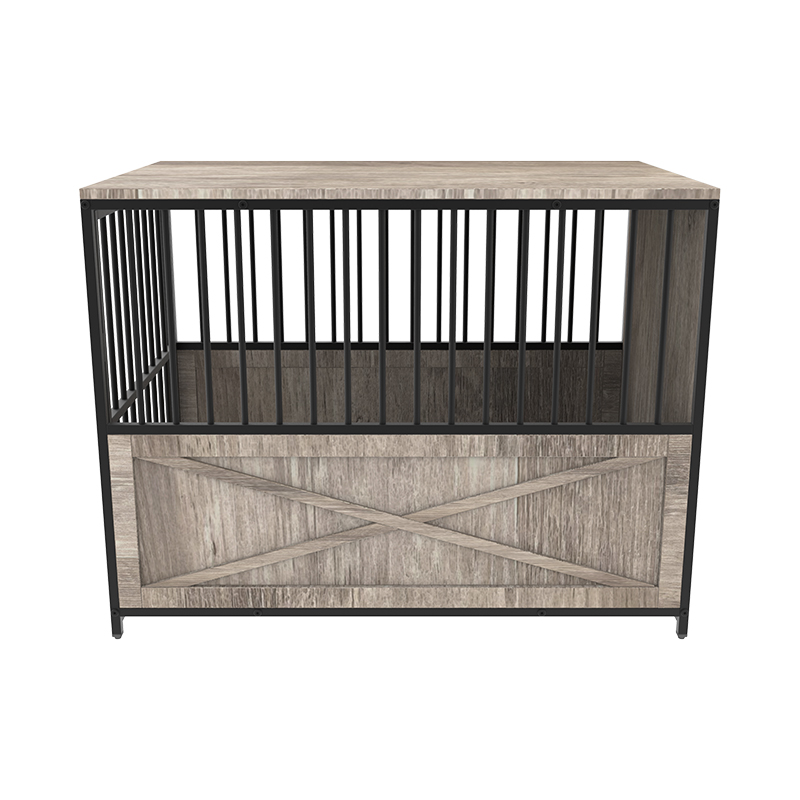
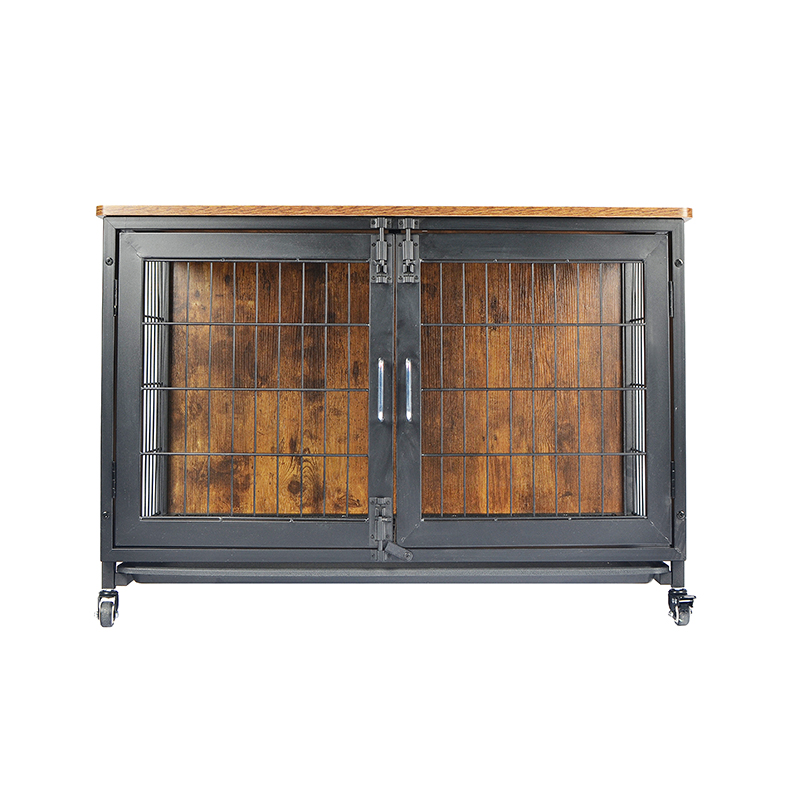
In modern families, pets are not only companions but also family members. Furniture-style dog cage skillfully blends practicality and aesthetic design, so that the dog's exclusive space is no longer abrupt, but becomes an exquisite accent of home decoration, taking into account the comfort of the dog and the taste of the owner.
Furniture-style dog cage is made of mild steel Q195 & Q235 & MDF, sprayed, which can be easily integrated into the living room, bedroom or balcony, instead of the dullness of the traditional dog crate. The semi-open or hidden structure gives your dog a sense of security while avoiding ruining the overall atmosphere of your home. Removable cushions, stain-resistant coating or drawer trays are easy to clean and maintain.
Dog crate furniture makes your pet's life more stylish, giving your dog a cozy nest and keeping your home free of piles of pet supplies. When choosing a dog crate, make sure there is enough room for your dog to stand and turn around.

Pet Home (Haian) Co., Ltd
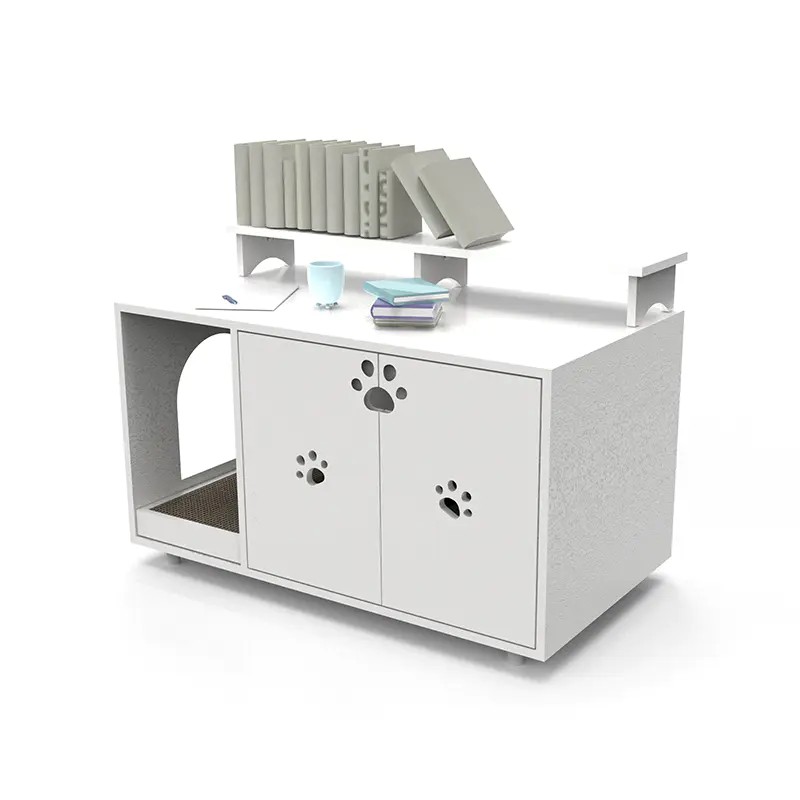
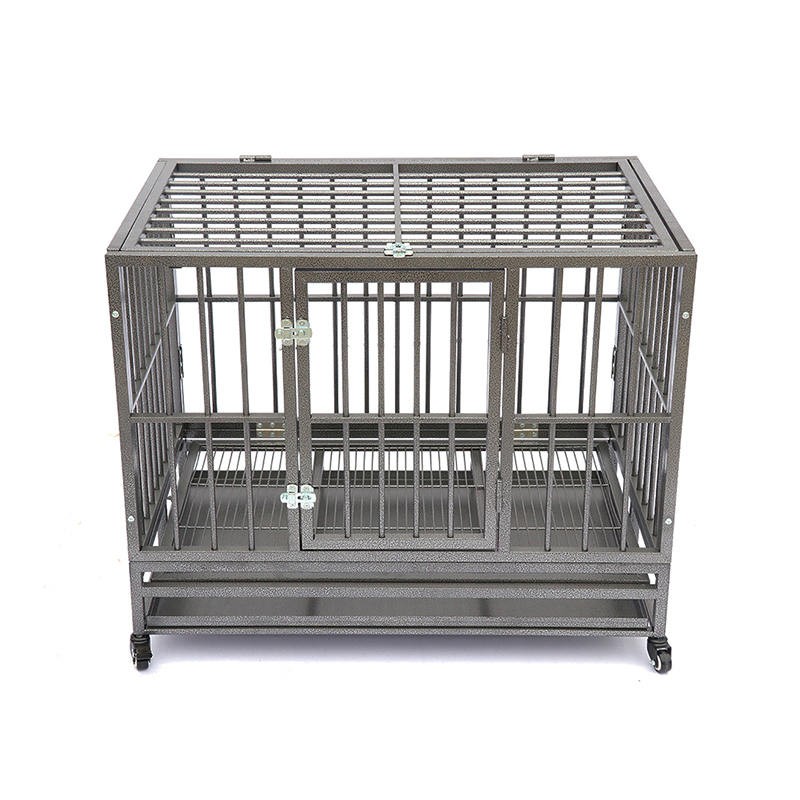
Fujian Pet Home Co., Ltd. founded in 2009. We are an integrated set of industry and trade company,which have professional design, production for export pet cage. More than 15 years experience in pet cage production and sales . Main products included: Metal pet cage, Dog cage,pet playpen, soft pet crate, furniture style pet crate,cat litter box, wooden dog house, rabbit hutch, chicken coop, cat tree, pet bed and more than 150 products.
As a professional OEM Wood Furniture Style Dog Cage Manufacturers and ODM Wood Furniture Style Dog Cage Factory, Our products mainly exported to United States, Australia, New Zealand, Japan, Germany, Netherlands, France, Switzerland, Norway, Denmark, Poland, Belgium, Philippines, Mexico, Greece, Taiwan, Hong Kong and so on more than 20 countries. Our company have professional design and sales team. Two metal dog cage production line ,one furniture style pet crate production line. More than 50 containers been exported per month. The company provide quality products and service to all domestic and foreign customer
VIEW MORE
Products
Related Products
News
News & Update
-
Oct 05. 2026
Crate Size by Breed: A Practical Sizing Guide for Pet Owners and WholesalersA customer once ordered a 36-inch crate for a Labrador Retriever puppy because an online chart listed “Labrador” under medium. Six weeks later, the puppy could not stand up without pressing his head against the top bars, and the retailer absorbed a return, a replacement shipment, and a frustrated review. That single m...
Read More -
Sep 28. 2026
Cleaning Cages: A Practical Guide from a Pet Cage Manufacturer and SupplierA groomer emails about a rust ring that appears on a dog crate tray three months after delivery. A cat owner says the litter cabinet still smells after a full scrub. A parrot breeder cannot lift dried droppings off a perch without a chisel. Every one of those complaints gets filed under cleaning cages, and every one o...
Read More -
Sep 21. 2026
How to Clean the Cage: Dog, Cat, Bird, and Small Animal Cleaning GuideHow often you clean the cage is just as important as how you clean it. The goal is not to clean the cage over and over; the goal is to clean the cage consistently and correctly so that your pet stays healthy and your enclosure lasts longer. This guide gives you a practical routine for dog crates, cat cages, bird cages...
Read More
Message Feedback
knowledge
Industry knowledge
1. What a Furniture-Style Dog Cage Is Built to Do
A furniture-style dog cage is designed to function as a piece of home furniture first and a containment structure second, without giving up the structural role a standard dog cage needs to perform. Instead of exposed wire panels, a furniture-style dog cage typically uses a solid wood or wood-veneer exterior shell built around an internal frame, with the containment function handled through a lockable door and, in most designs, discreet wire or slatted sections for airflow. Because the exterior is meant to sit in a living room, entryway, or bedroom as an end table, TV stand, or accent cabinet, a furniture-style dog cage has to satisfy two separate demands at once: a finish and shape that matches household furniture, and a frame strong enough to contain a dog reliably over years of daily use. This dual purpose shapes nearly every design decision in this category, from how the top surface is reinforced to how ventilation slats are placed without compromising the furniture look. This page walks through how these two demands are balanced across common configurations, along with the comparisons and maintenance points that matter most when selecting a furniture-style dog cage for a specific room and dog size.
2. Top Surface Load Capacity Across Common Designs
Because many furniture-style dog cage models double as a side table, lamp stand, or TV console, the weight the top surface can safely hold is one of the more practical specifications buyers overlook. The lollipop chart below compares general top surface load capacity across four common furniture-style configurations. This comparison gives a quick way to judge whether a specific model can reasonably support the household items a buyer intends to place on it. It also highlights why reinforcement details matter more for some configurations than others.
This lollipop chart lines up four furniture-style dog cage configurations against their general top surface load capacity, and the spread between them is wide enough to matter for practical use. The slat-top end table style sits toward the lower-middle of this comparison, since its top surface typically uses thinner slats spaced for ventilation, which limits how much concentrated weight it can safely bear compared to a solid panel. The open-frame side table style scores lowest on this chart, largely because its top is often designed primarily for appearance and light use, such as holding a small lamp or decorative item, rather than heavier furniture pieces. The reinforced cabinet style performs considerably better, since its design typically includes internal bracing beneath the top panel specifically to support moderate loads like books, small electronics, or a tabletop plant. The TV console style scores highest on this comparison, reflecting its build around a solid, load-bearing top panel intended to support the weight of a television and any accompanying media equipment. Load capacity differences of this size mean buyers should confirm the specific top surface rating before placing anything beyond light decorative items on a furniture-style dog cage. It is worth noting that these figures describe general design intent rather than fixed engineering limits, and actual capacity depends on how weight is distributed across the surface rather than concentrated in one spot. Buyers planning to use the cage as a genuine TV stand or display surface should prioritize the cabinet or console style configurations discussed here rather than assuming any furniture-style design can serve that function equally well. Retailers can use this comparison to set clear expectations with customers who are choosing a model partly based on its secondary use as furniture rather than solely as a containment structure. This chart also reinforces why internal bracing and top panel thickness are worth asking suppliers about directly, since these details are not always obvious from a photo. Considering load capacity alongside room fit helps buyers select a configuration that genuinely serves its dual role rather than compromising on either function.
3. Finish Durability Under Daily Household Use
The exterior finish on a furniture-style dog cage faces different stresses than a painted metal cage, since it needs to resist scratching from paws, moisture from water bowls or accidents, and general wear from being positioned in a busy living space. The thermometer-style fill chart below compares relative finish durability across four common surface treatments used in this category. This visual gives a straightforward way to compare finish options before matching one to a specific household's daily wear and tear. It also helps explain why certain finishes are recommended more often for households with multiple pets or high foot traffic areas.
Reading this thermometer-style comparison from left to right, finish durability rises steadily from painted wood surfaces through to sealed solid hardwood. Painted wood finishes score lowest on this scale, since paint layers are more prone to chipping from scratches or corner impacts, which then exposes the bare wood underneath to moisture and further wear. Wood veneer finishes score slightly better, offering a more consistent surface texture, though veneer can still peel or lift at edges and seams if exposed to sustained moisture or repeated physical stress. Laminate coated surfaces perform considerably better on this comparison, since the coating creates a harder, more scratch-resistant layer that also resists moisture absorption better than painted or veneer alternatives. Solid hardwood with a sealed finish scores highest, reflecting both the inherent density of solid wood and the added protection a quality sealant provides against scratches, spills, and general daily wear. The gap between painted finishes and sealed hardwood becomes especially relevant in households with multiple pets or heavy foot traffic, where surfaces face more frequent contact and cleaning. These scores reflect general material tendencies rather than fixed guarantees, since actual durability also depends on application quality, sealant thickness, and how consistently the surface is cleaned and maintained. For households prioritizing long-term appearance with minimal touch-up maintenance, laminate coated or sealed hardwood options tend to hold up better than painted alternatives over several years of regular use. For buyers focused primarily on matching a very specific interior color palette, painted finishes still offer more flexibility, even with the durability trade-off noted here. Retailers can reference this comparison when guiding customers between finish options based on household pet count and expected wear level. This durability comparison pairs naturally with the load capacity chart above, since both speak to how well a furniture-style dog cage holds up to daily practical use beyond its decorative role.
4. Balancing Design Appearance With Functional Containment
Every furniture-style dog cage design involves some trade-off between how closely it resembles standard furniture and how much functional containment detail, such as visible ventilation slats or a prominent door, remains part of the structure. The overlapping circle diagram below illustrates this relationship, showing where different configurations tend to sit between pure furniture appearance and pure functional containment. This visual helps buyers think through which end of that spectrum matters more for their specific room and dog. It also clarifies why no single furniture-style configuration can maximize both design appearance and functional visibility at once.
This overlapping circle diagram places three common furniture-style configurations along a spectrum between furniture appearance on one side and functional visibility on the other. The end table style configuration sits further toward pure furniture appearance, since its design minimizes visible wire sections and containment cues, prioritizing a seamless match with surrounding home decor. The slat-front style sits further toward functional visibility, since it typically uses more visible slatted sections across the front and sides, which improves airflow and lets the dog see out more easily, at some cost to the fully furniture-like appearance. The cabinet style configuration sits in the overlapping middle zone, balancing a largely solid furniture exterior with a clearly defined door section that still reads as functional containment rather than pure decoration. No configuration in this category fully maximizes both furniture appearance and functional visibility at the same time, since more visible ventilation and door structure inherently reduces how closely the piece resembles standard furniture. This trade-off is not a flaw in furniture-style dog cage design, but rather a reflection of the category's dual purpose, and different households will reasonably prioritize different points along this spectrum. A household in a small apartment with an open floor plan might prioritize the end table style for its minimal visual footprint, while a household with a more anxious dog might prioritize the slat-front style for the added visibility and airflow it offers. The cabinet style often works as a practical middle-ground choice for buyers who want a reasonably close furniture match without sacrificing too much functional visibility. Retailers can use this diagram to help customers articulate which end of the spectrum matters more for their specific dog and room, rather than assuming one configuration works equally well for every situation. This framework also supports more accurate product descriptions, since labeling every configuration as equally furniture-like or equally functional would understate these real design differences. Considering this trade-off alongside the load capacity and finish durability comparisons above gives a fuller picture of how a specific furniture-style dog cage will perform in daily use.
5. Typical Material Composition Across This Category
A furniture-style dog cage typically combines several materials rather than relying on a single one, and understanding this general composition helps buyers judge weight, durability, and cost trade-offs together. The icon-based grid below represents a typical material breakdown across a standard cabinet-style unit, with each icon representing an approximate share of the total structure. This visual offers a simple way to see how much of the piece is dedicated to structural wood panels versus supporting metal framing and hardware. It also helps clarify why furniture-style units are generally heavier and more substantial than an open wire cage of similar footprint.
This icon grid breaks a typical cabinet-style furniture dog cage down into three material categories, with each square icon representing roughly ten percent of the overall structure. Solid wood panels make up the largest share on this chart, forming the visible exterior surfaces that give the piece its furniture appearance and provide the bulk of its weight and surface area. Internal steel framing accounts for the second largest share, hidden within the wood exterior to provide the structural rigidity and containment strength that a purely wood-panel structure could not reliably deliver on its own. Hardware and fittings make up the smallest share, but this category includes the door latch, hinges, and any connecting brackets that hold panels together, all of which affect how securely the cage functions despite representing a small fraction of total material. The combination of a wood exterior and internal steel framing is what allows a furniture-style dog cage to look like standard furniture while still containing a dog reliably, and this composition explains why these units are generally heavier than an open wire cage of similar size. This breakdown will vary somewhat between configurations, since an open-frame side table style typically uses a smaller wood panel share and a larger visible steel component compared to a fully paneled cabinet style. Buyers evaluating a specific model should ask whether the internal frame runs through key stress points such as the door frame and corner joints, since this is where structural steel typically matters most. Understanding this general composition also helps explain shipping weight and handling requirements, since a solid wood and steel combination is considerably heavier than a comparable wire-only cage. Retailers can use this breakdown to answer customer questions about why furniture-style units feel more substantial when assembled compared to standard wire alternatives. This material composition view complements the earlier load capacity and finish durability comparisons by explaining the underlying structure that produces those performance characteristics. Taken together, these four visualizations give a well-rounded picture of how a furniture-style dog cage is built and how it performs across practical, everyday considerations.
6. Common Furniture-Style Dog Cage Types
(1) End Table Style Units
End table style units are sized and shaped to sit beside a sofa or bed, prioritizing a compact footprint and a minimal, furniture-first appearance over a fully load-bearing top surface.
(2) Cabinet Style Units
Cabinet style units use a larger, more substantial exterior with a defined door section, often including internal reinforcement that supports moderate loads on the top surface.
(3) TV Console Style Units
TV console style units are built with a solid, reinforced top panel specifically intended to support a television and media equipment, combined with a lower containment section for the dog.
(4) Slat-Front Style Units
Slat-front style units use visible wood or metal slats across the front and side panels, improving airflow and visibility while still maintaining a coordinated wood-panel exterior.
| Configuration | Top Load Capacity | Visual Priority | Typical Use Case |
|---|---|---|---|
| End Table Style | Low | Maximum furniture match | Small living spaces |
| Cabinet Style | Moderate | Balanced | General living rooms |
| TV Console Style | High | Functional furniture piece | Media room integration |
| Slat-Front Style | Moderate | Visibility-focused | More anxious or active dogs |
7. Application Scenarios and Selection Guidelines
Choosing the right furniture-style dog cage depends on the room it will occupy, the dog's size and temperament, and how much the piece needs to double as functional furniture. The points below summarize the key factors to weigh when narrowing down a configuration.
- Confirm top surface load capacity before planning to use it as a TV stand, lamp table, or display surface.
- Match finish type to household wear level, favoring laminate coated or sealed hardwood for multi-pet or high-traffic homes.
- Decide where the piece should sit on the furniture-appearance versus functional-visibility spectrum based on the dog's temperament.
- Check that internal steel framing extends through the door frame and corner joints for reliable containment strength.
- Measure the intended room space carefully, since furniture-style units are generally bulkier than open wire cages of similar footprint.
- Consider slat-front configurations for dogs that benefit from more visibility and airflow than a fully enclosed cabinet style provides.
8. Maintenance and Care Guidance
Maintaining a furniture-style dog cage involves slightly different routines than a standard wire cage, given its wood exterior and furniture-grade finish. Surfaces should be dusted and wiped regularly with a soft, dry or lightly damp cloth, avoiding harsh chemical cleaners that could strip protective sealant or damage veneer edges. Door hinges and latch hardware should be checked periodically for looseness, since these components see repeated daily use and directly affect containment reliability. Any spills or accidents should be cleaned promptly to prevent moisture from seeping into seams or corners, where it can cause swelling or finish damage over time. Internal steel framing, though hidden from view, should be checked occasionally at accessible points such as the door frame to confirm joints remain tight and free of excessive wear.
9. Production Background for This Category
Fujian Pet Home Co., Ltd. operates a dedicated furniture-style pet crate production line alongside its metal dog cage manufacturing, reflecting the distinct construction skills this category requires compared to standard wire products. This background covers wood panel finishing, internal steel frame assembly, and hardware fitting processes that directly relate to the load capacity and material composition comparisons discussed on this page. Since 2009, this production experience has supported export to more than twenty countries, where furniture-style designs are often selected specifically for their ability to blend into varied home interior styles. Buyers evaluating a furniture-style dog cage supplier for retail or wholesale distribution often consider this kind of specialized production background when comparing options across larger order volumes.
10. Frequently Asked Questions
Can I place a TV on top of a furniture-style dog cage?
Only TV console style configurations are generally built with a reinforced top panel intended for that purpose, so it is worth confirming the specific model's load rating first.
Which finish holds up best in a multi-pet household?
Laminate coated or sealed solid hardwood finishes generally resist scratches and moisture better than painted wood surfaces.
Is a furniture-style dog cage as secure as a wire cage?
Containment strength depends on internal steel framing rather than the wood exterior alone, so a well-built furniture-style unit can offer comparable security.
Are furniture-style dog cages heavier than wire cages?
Yes, the combination of solid wood panels and internal steel framing generally makes these units heavier than a comparable open wire cage.
What configuration works best for an anxious dog?
A slat-front style configuration generally offers more visibility and airflow than a fully enclosed cabinet style, which may suit a more anxious dog.
How should spills be cleaned from the wood surface?
Spills should be wiped up promptly with a soft cloth to prevent moisture from seeping into seams, which can cause swelling or finish damage over time.
Your pet deserves good, Contact now.
Whether you want to become our partner or need our professional guidance or support in product selections and problem solutions, our experts are always ready to help within 12 hours globally.
 CONTACT US

QUICK LINKS
PRODUCTS
-
Address
- Room 501,Unit 1 ,Buliding 6,Wuyi Guoji Xincheng,No.379,Zhuxi Avenue,Jianyang District,Nanping City, Fujian Province.
- No. 139-6 , Tongyu Middle Road, Nantong, Jiangsu, China
-
Mobile
- +86-13616986006
-
E-mail :

Copyright © 2025 Pet Home (Haian) Co., Ltd All Rights Reserved. Custom Wood Furniture Style Dog Cage Manufacturers Wood Furniture Style Dog Cage Factory

