
 EN
EN
 English
 中文简体
中文简体

Wooden Dog House Manufacturers
information to be updated
Our wooden dog house is made of high-quality natural cedar wood, free of harmful substances, so fur kids can lick and chew and play without worry. This warm and inviting wooden dog house is not only sturdy enough to withstand the scratches and bites of large dogs, but it also allows rainwater to run off without pooling or leaking.
We have a full range of sizes for dogs of all shapes and sizes, from delicate and small to spacious and large, so whether you're a petite Teddy or a powerful Alaskan, you'll find the right home. Compared to cold metal cages and stuffy plastic dog houses, our wooden dog houses are not only warmer in winter and cooler in summer, but also blend perfectly into the landscape of your yard, making them a chic sight. This is not just a dog house, but also a promise of love for your furry child, so that dog can have a safe harbor no matter rain or shine.

Pet Home (Haian) Co., Ltd
Fujian Pet Home Co., Ltd. founded in 2009. We are an integrated set of industry and trade company,which have professional design, production for export pet cage. More than 15 years experience in pet cage production and sales . Main products included: Metal pet cage, Dog cage,pet playpen, soft pet crate, furniture style pet crate,cat litter box, wooden dog house, rabbit hutch, chicken coop, cat tree, pet bed and more than 150 products.
As a professional OEM Wooden Dog House Manufacturers and ODM Wooden Dog House Factory, Our products mainly exported to United States, Australia, New Zealand, Japan, Germany, Netherlands, France, Switzerland, Norway, Denmark, Poland, Belgium, Philippines, Mexico, Greece, Taiwan, Hong Kong and so on more than 20 countries. Our company have professional design and sales team. Two metal dog cage production line ,one furniture style pet crate production line. More than 50 containers been exported per month. The company provide quality products and service to all domestic and foreign customer
VIEW MORE
Products
Related Products
News
News & Update
-
Oct 05. 2026
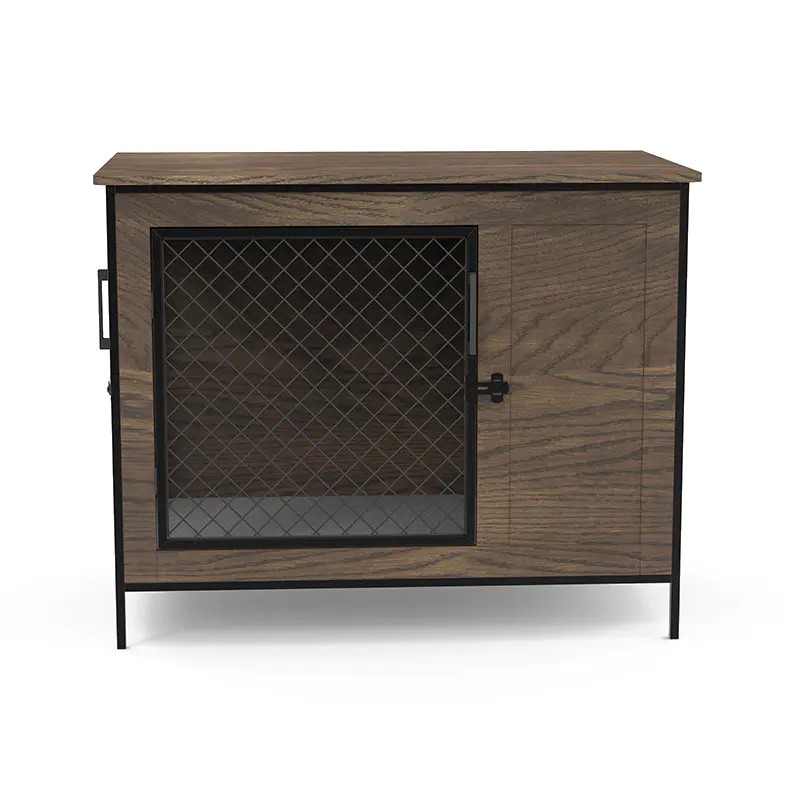
Crate Size by Breed: A Practical Sizing Guide for Pet Owners and WholesalersA customer once ordered a 36-inch crate for a Labrador Retriever puppy because an online chart listed “Labrador” under medium. Six weeks later, the puppy could not stand up without pressing his head against the top bars, and the retailer absorbed a return, a replacement shipment, and a frustrated review. That single m...
Read More -
Sep 28. 2026
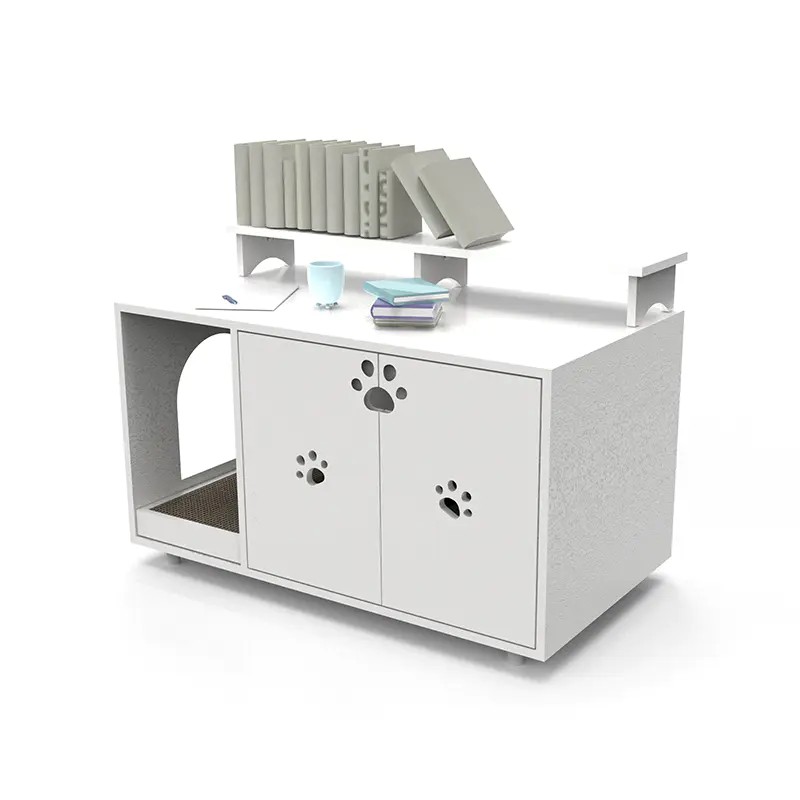
Cleaning Cages: A Practical Guide from a Pet Cage Manufacturer and SupplierA groomer emails about a rust ring that appears on a dog crate tray three months after delivery. A cat owner says the litter cabinet still smells after a full scrub. A parrot breeder cannot lift dried droppings off a perch without a chisel. Every one of those complaints gets filed under cleaning cages, and every one o...
Read More -
Sep 21. 2026
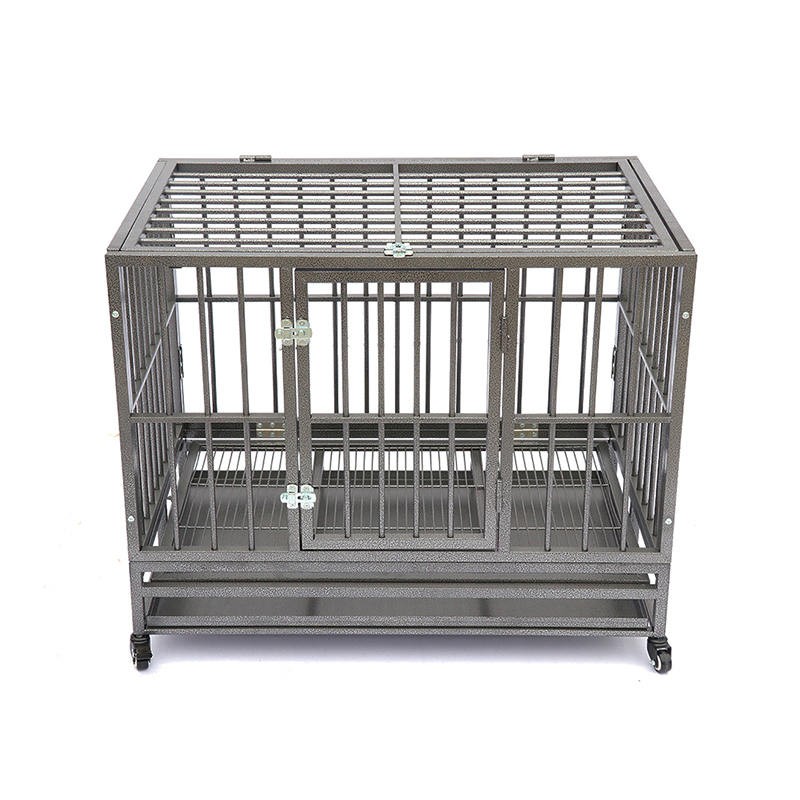
How to Clean the Cage: Dog, Cat, Bird, and Small Animal Cleaning GuideHow often you clean the cage is just as important as how you clean it. The goal is not to clean the cage over and over; the goal is to clean the cage consistently and correctly so that your pet stays healthy and your enclosure lasts longer. This guide gives you a practical routine for dog crates, cat cages, bird cages...
Read More
Message Feedback
knowledge
Industry knowledge
1. Overview of Wooden Dog House Structures
A wooden dog house is an outdoor or semi outdoor shelter built primarily from timber panels, designed to give a dog a defined resting and denning space away from direct sun, wind, and precipitation. As a distinct category within outdoor pet housing, the wooden dog house is generally valued for its natural material composition, structural rigidity, and ability to be finished with paint, stain, or sealant to suit a range of outdoor environments. Unlike lightweight plastic or fabric shelters, a wooden dog house typically offers a more substantial frame, which can support a longer service life when properly maintained. This category includes several structural variations, from simple single chamber cabins to more elaborate raised or multi level designs, each intended to suit different climates, dog sizes, and placement conditions. Understanding the general construction logic behind a wooden dog house can help buyers, specifiers, and pet owners select a structure that matches their specific outdoor requirements.
2. Common Types and Structural Characteristics
Wooden dog houses are generally produced in a small number of recognizable structural formats, each defined by roof shape, base construction, and internal layout. The following overview outlines four common configurations found across the wooden dog house category, along with their general structural characteristics.
(1) Gable or Peaked Roof Wooden Dog House
This configuration features a triangular roof profile with two sloped panels meeting at a central ridge line. The peaked design supports natural rainwater runoff and can create additional interior head clearance near the center of the structure. Ventilation gaps are sometimes incorporated near the roof peak to support airflow without introducing direct drafts at the dog's resting level.
(2) Flat Roof Wooden Dog House
A flat roof wooden dog house uses a single horizontal or slightly angled roof panel, which typically simplifies the overall construction process. This format is often associated with a more compact footprint and can be easier to disassemble or relocate compared with peaked roof designs. Flat roof surfaces generally require a waterproof membrane or shingle layer to manage water drainage effectively.
(3) Elevated or Raised Base Wooden Dog House
This type incorporates a raised floor platform, typically supported by short legs or a base frame, which separates the interior floor from direct ground contact. Raised base construction can help reduce moisture transfer from damp soil and may support better airflow underneath the structure. This configuration is frequently selected for regions with higher humidity or seasonal ground moisture.
(4) Multi Level or Duplex Wooden Dog House
A multi level or duplex wooden dog house includes more than one internal or external level, sometimes combining a covered lower chamber with an open upper platform. This format can support multiple dogs or provide additional outdoor lounging space alongside a sheltered interior area. Structural bracing requirements are generally higher for this configuration due to the additional load and surface area involved.
3. Material Composition and Construction Principles
The wooden dog house category relies on a range of timber materials, each offering different structural and weather related properties. Common materials include cedar, fir, pine, and plywood composite panels, which are typically assembled using tongue and groove joints, exterior grade screws, and weather resistant fasteners. Roof surfaces are often finished with asphalt shingles, corrugated panels, or waterproof coating to help manage rainfall and reduce long term panel degradation. Door openings and interior chambers are generally sized to support natural denning behavior, giving the dog a partially enclosed space that can feel more secure than a fully open platform. Panel thickness, joint spacing, and roof pitch are among the key construction variables that influence the overall performance of a wooden dog house.
The performance of a wooden dog house depends heavily on the type of wood used in its construction. Different wood species offer varying levels of resistance to moisture, decay, and insect activity. Understanding these differences helps buyers select a wooden dog house suited to their local climate. The chart below presents a relative weather resistance comparison across four commonly used wood materials. These ratings are based on general material properties widely recognized in outdoor wood construction.
As illustrated in the chart, cedar wood generally receives the highest relative weather resistance rating among the four materials shown. This is largely due to cedar's natural oils, which provide a degree of resistance to moisture absorption and fungal growth. Fir wood follows with a moderately high rating, offering a reasonable balance between structural strength and weather resistance. Fir is frequently used in wooden dog house panels because it is relatively stable and holds paint or sealant well. Pine wood shows a slightly lower rating, as it tends to absorb moisture more readily without proper sealing or treatment. Despite this, pine remains a widely used material because of its workability and consistent grain structure. Plywood composite panels, often used in flat roof or budget oriented designs, show the lowest relative rating in this comparison. This is because composite panels can be more sensitive to prolonged water exposure at their exposed edges. Proper sealing, painting, or roofing treatment can meaningfully improve the practical performance of any of these materials over time. For colder or more humid regions, selecting a wooden dog house built from cedar or well treated fir panels may offer additional long term durability. In drier or more moderate climates, pine or plywood composite structures can still provide dependable performance when maintained appropriately. Overall, this chart is intended to support general material awareness rather than to represent laboratory grade testing data.
4. Application Scenarios and Selection Considerations
Selecting an appropriate wooden dog house generally depends on several practical factors, including regional climate, dog size, and available outdoor space. Larger breeds typically require a structure with a wider door opening and taller interior clearance, while smaller breeds may be better suited to a more compact chamber that retains body heat more efficiently. Placement location also matters, since a wooden dog house positioned in a partially shaded or wind sheltered area can generally provide a more stable interior environment. For multi dog households, a duplex or multi level configuration may offer additional flexibility compared with a single chamber design.
Key factors commonly considered when selecting a wooden dog house include the following:
- Regional climate and seasonal temperature range
- Dog breed size and typical body weight
- Available outdoor space and intended placement location
- Number of dogs expected to share the structure
- Preferred roof style and insulation level
Climate plays a central role in determining the structural specifications of a suitable wooden dog house. Regions with colder winters generally require thicker wall panels to maintain interior warmth. Warmer or more temperate regions may not require the same level of insulation thickness. The chart below outlines general wall panel thickness guidance across four climate categories. These figures represent typical construction practices rather than fixed engineering requirements.
As shown in the chart, mild climate regions are typically associated with a wall panel thickness of around twelve millimeters. This thinner panel is usually sufficient because temperature fluctuations in mild regions tend to remain moderate throughout the year. Temperate climate regions show a slightly higher recommended thickness, reflecting the need for additional insulation during cooler seasons. Cold climate regions require a further increase in panel thickness to help reduce heat loss through the wooden walls. Extreme cold climate regions show the highest recommended thickness among the four categories illustrated in the chart. Thicker wall panels help create a larger insulating air gap and reduce the rate of heat transfer from inside to outside. In addition to wall thickness, roof design and floor elevation also contribute to the overall insulation performance of a wooden dog house. A raised floor structure can help separate the interior from cold or damp ground surfaces, which further supports temperature stability. Selecting an appropriate thickness for a given climate can help reduce the likelihood of drafts and moisture buildup inside the structure. Buyers located in transitional climate zones may consider a moderate thickness that balances insulation with better ventilation. These general guidelines can help buyers and specifiers compare wooden dog house options more effectively before making a selection decision.
5. Comparative Analysis of Wooden Dog House Types
Comparing structural types side by side can help clarify which wooden dog house configuration best matches a given set of requirements. The table below summarizes general characteristics across the four common types described earlier in this article.
| Type | Roof Style | Base Structure | Relative Insulation | Suggested Climate |
|---|---|---|---|---|
| Gable Roof | Peaked, two panel | Ground level or raised | Moderate to good | Most regions |
| Flat Roof | Single panel | Ground level | Moderate | Mild to temperate |
| Elevated Base | Peaked or flat | Raised platform | Good | Humid or wet regions |
| Multi Level Duplex | Peaked, multi panel | Raised, multi tier | Good | Most regions, multi dog use |
Beyond individual specifications, it can be useful to compare wooden dog house types across several performance dimensions at once. A radar style comparison allows multiple characteristics to be viewed together within a single visual format. The chart below compares three common wooden dog house configurations across five performance related dimensions. These dimensions include insulation, ventilation, durability, weather resistance, and ease of assembly. The values shown are relative estimates intended to support general comparison rather than precise measurement.
As the chart illustrates, the elevated duplex style wooden dog house tends to score relatively higher in durability and weather resistance. This is generally attributed to its raised base structure and typically more substantial wall and roof construction. The gable roof style wooden dog house shows a relatively balanced profile across most of the five dimensions shown. Its peaked roof design supports moderate to good ventilation while still maintaining reasonable insulation performance. The flat roof style wooden dog house generally scores higher in ease of assembly compared with the other two configurations. This is often related to its simpler construction, which typically involves fewer roof panels and connection points. However, the flat roof configuration tends to show comparatively lower insulation and durability values in this type of comparison. Ventilation scores vary moderately across the three types, largely depending on vent placement and roof airflow design. Buyers prioritizing long term outdoor exposure may lean toward configurations with stronger durability and weather resistance ratings. Buyers prioritizing simpler setup or seasonal use may place more weight on ease of assembly instead. This radar comparison is intended as a general decision support tool rather than a definitive ranking of any single wooden dog house type.
6. Thermal Performance and Seasonal Insulation Behavior
Insulation performance is one of the most important functional aspects of any wooden dog house. Interior temperature stability can significantly affect the comfort level experienced by a dog throughout the year. A well constructed wooden dog house is generally expected to moderate some of the temperature extremes found outdoors. The line chart below illustrates a general seasonal comparison between outdoor ambient temperature and interior temperature within an insulated wooden dog house. This comparison is presented as an illustrative pattern based on common insulation principles rather than site specific data.
As shown in the chart, the interior temperature line generally remains closer to a moderate range compared with the outdoor ambient temperature line. During summer months, the interior temperature tends to stay somewhat lower than the outdoor peak, which can be attributed to shading and insulated wall panels. During winter months, the interior temperature tends to remain noticeably higher than the outdoor low, reflecting the insulating effect of the wooden structure. This moderating pattern is a result of several combined factors, including wall thickness, roof design, and reduced airflow through sealed panel joints. An elevated floor structure also contributes to this effect by limiting direct contact between the interior and cold or damp ground surfaces. During spring and fall, the temperature difference between indoor and outdoor readings tends to narrow, since ambient conditions are already closer to a moderate range. This type of seasonal pattern is commonly referenced when explaining why insulation and structural design matter for outdoor pet housing. It is important to note that actual performance can vary depending on regional climate, house placement, and additional bedding used inside the structure. Positioning a wooden dog house away from direct wind exposure can further support more stable interior temperatures during colder months. Similarly, placing the structure in a partially shaded area can help reduce excessive heat buildup during warmer months. Overall, this chart is intended to demonstrate a general insulation concept rather than to represent a verified scientific temperature study.
7. Manufacturing Standards and Quality Considerations
Consistent manufacturing standards play an important role in determining how a wooden dog house performs over time. Panel moisture content, joint precision, and hardware quality can all influence structural stability and resistance to warping. Factories producing wooden dog houses at scale typically rely on established design and quality control processes to maintain consistency across production batches. Fujian Pet Home Co., Ltd, established in 2009, has more than fifteen years of experience in the design and production of outdoor and indoor pet housing products, including wooden dog houses and related structures exported to more than twenty countries. This type of long term manufacturing experience is often reflected in more consistent panel fitting, hardware placement, and overall structural finishing across a wooden dog house product line. Buyers evaluating a wooden dog house for commercial, retail, or personal use may find it useful to consider the manufacturing background of a given supplier alongside the structural type and material composition discussed earlier in this article.
8. Maintenance and Care Guidelines
Routine maintenance can help extend the service life of a wooden dog house and preserve its structural integrity across multiple seasons. The following general guidelines apply to most wooden dog house configurations described in this article.
- Inspect roof panels, seams, and shingles periodically for gaps, warping, or loosened fasteners.
- Reapply exterior sealant or protective coating on a regular basis, particularly after prolonged rain exposure.
- Check hardware such as hinges, screws, and brackets for looseness or corrosion.
- Clear debris, leaves, or standing water from around the base of the structure to reduce moisture buildup.
- Inspect the elevated base or support legs, if present, for stability and signs of ground contact wear.
- Reposition the wooden dog house seasonally if wind direction or sun exposure patterns change significantly.
- Monitor interior bedding for moisture accumulation, especially in more humid climates.
- Address minor cracks or splits in wood panels promptly to help limit further material degradation.
9. Frequently Asked Questions
(1) What is the difference between a gable roof and a flat roof wooden dog house?
A gable roof wooden dog house uses a peaked two panel roof that supports rainwater runoff and additional interior clearance near the center, while a flat roof wooden dog house uses a single panel roof that is typically simpler to construct and can be more compact overall.
(2) Does a wooden dog house need to be elevated off the ground?
An elevated base is not strictly required, but it can help reduce moisture transfer from the ground and support better airflow underneath the structure, which is generally beneficial in humid or wet climates.
(3) How does wall panel thickness affect insulation performance?
Thicker wall panels generally provide a greater insulating effect by increasing the barrier between interior and exterior temperatures, which is why colder climate regions are typically associated with thicker panel recommendations, as outlined in the earlier comparison chart.
(4) Can one wooden dog house design suit multiple dogs?
Multi level or duplex configurations are generally better suited to multiple dogs, since they provide additional interior or platform space compared with a single chamber design intended for one dog.
(5) How often should a wooden dog house be inspected for maintenance?
A general inspection every few months is commonly recommended, with additional checks following extended periods of heavy rain, snow, or high humidity that could affect panel condition or hardware stability.
Your pet deserves good, Contact now.
Whether you want to become our partner or need our professional guidance or support in product selections and problem solutions, our experts are always ready to help within 12 hours globally.
 CONTACT US

QUICK LINKS
PRODUCTS
-
Address
- Room 501,Unit 1 ,Buliding 6,Wuyi Guoji Xincheng,No.379,Zhuxi Avenue,Jianyang District,Nanping City, Fujian Province.
- No. 139-6 , Tongyu Middle Road, Nantong, Jiangsu, China
-
Mobile
- +86-13616986006
-
E-mail :

Copyright © 2025 Pet Home (Haian) Co., Ltd All Rights Reserved. Custom Wooden Dog House Manufacturers Wooden Dog House Factory

