
 EN
EN
 English
 中文简体
中文简体

Foldable Metal Dog Playpen Manufacturer
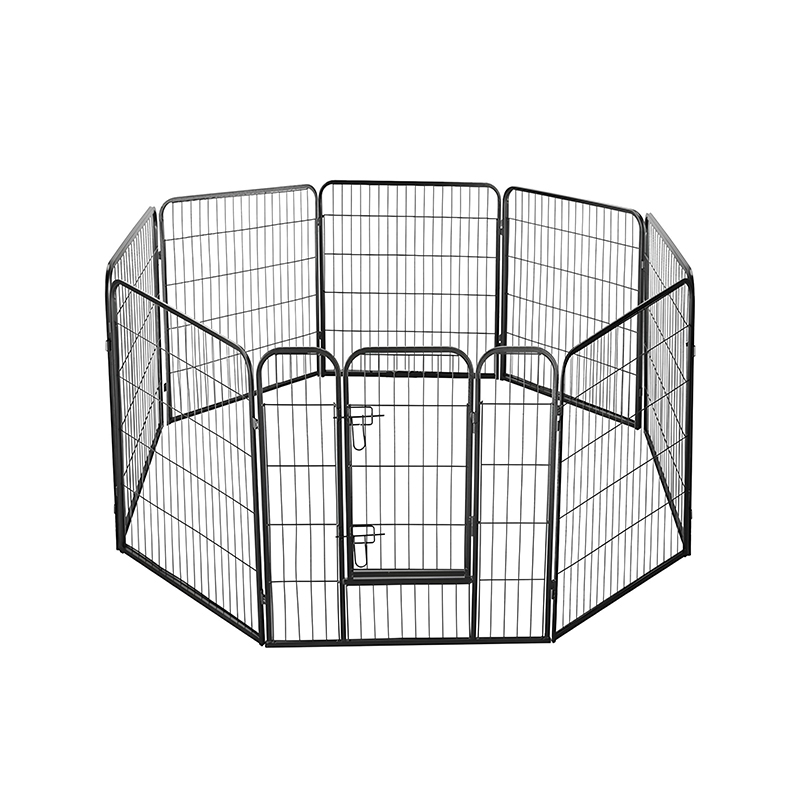
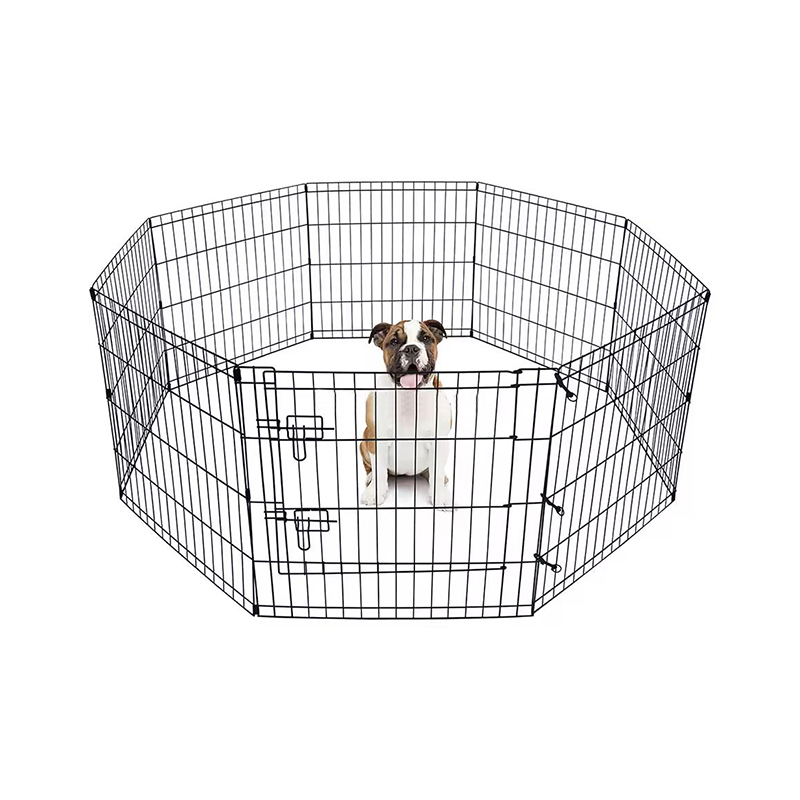
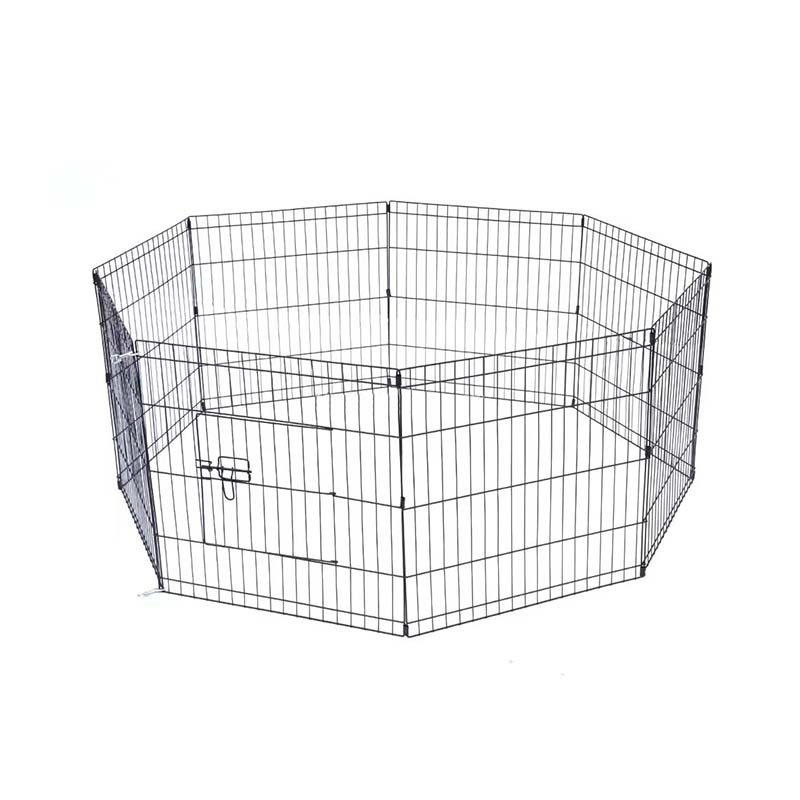
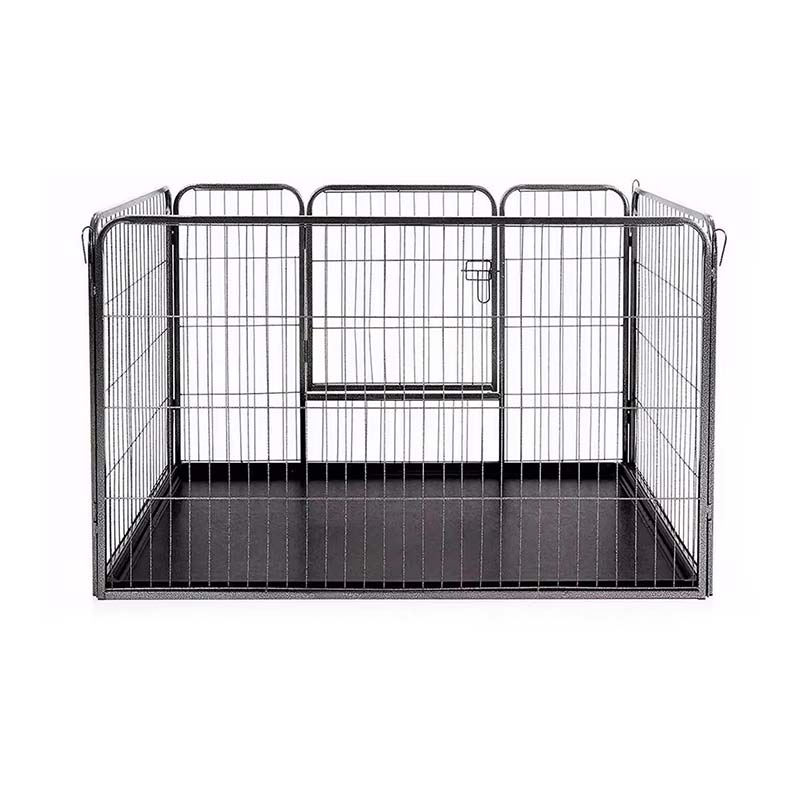
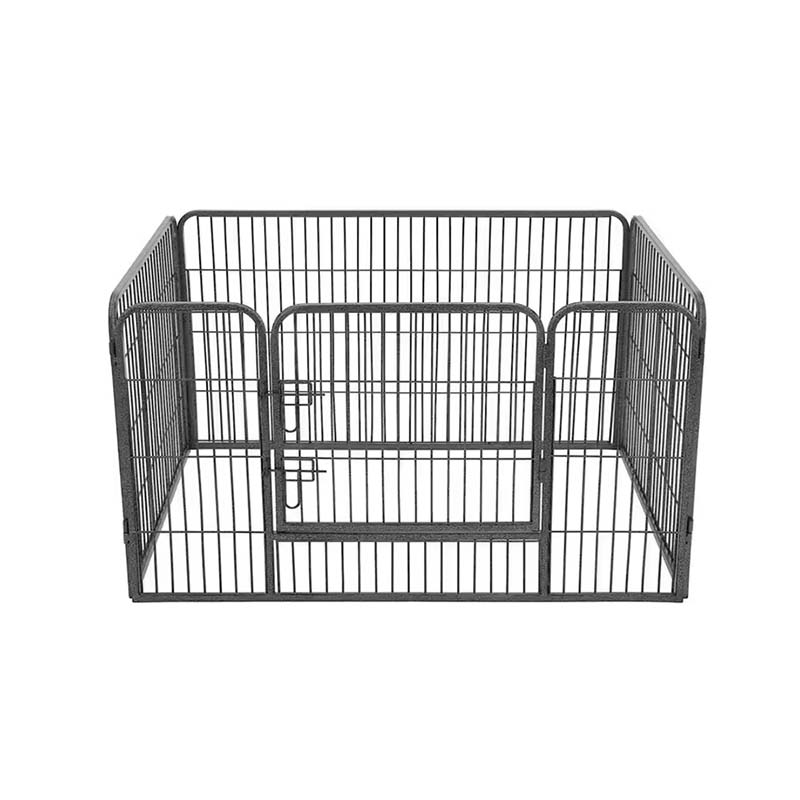
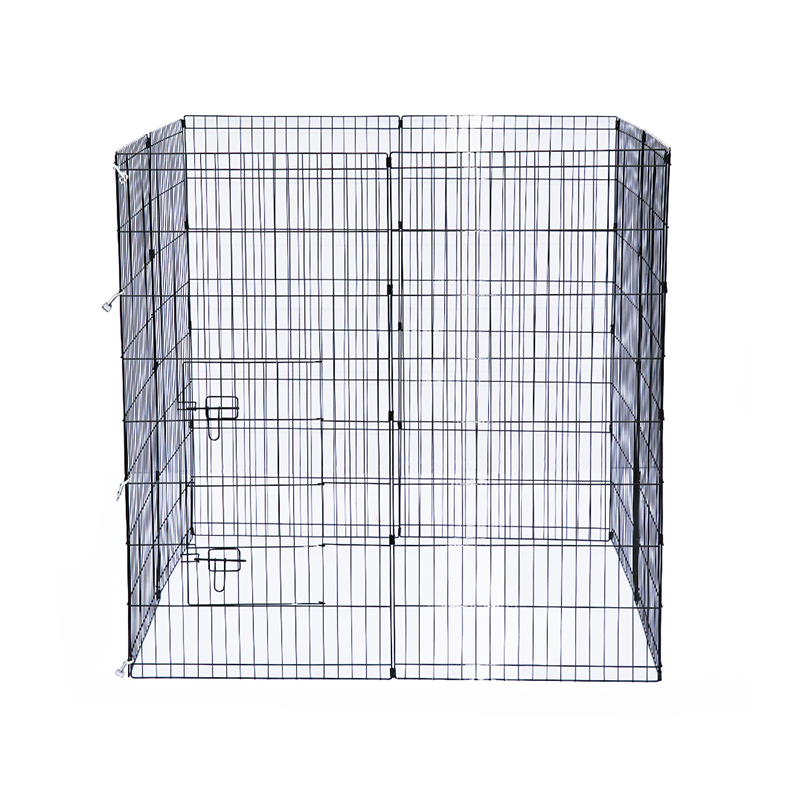
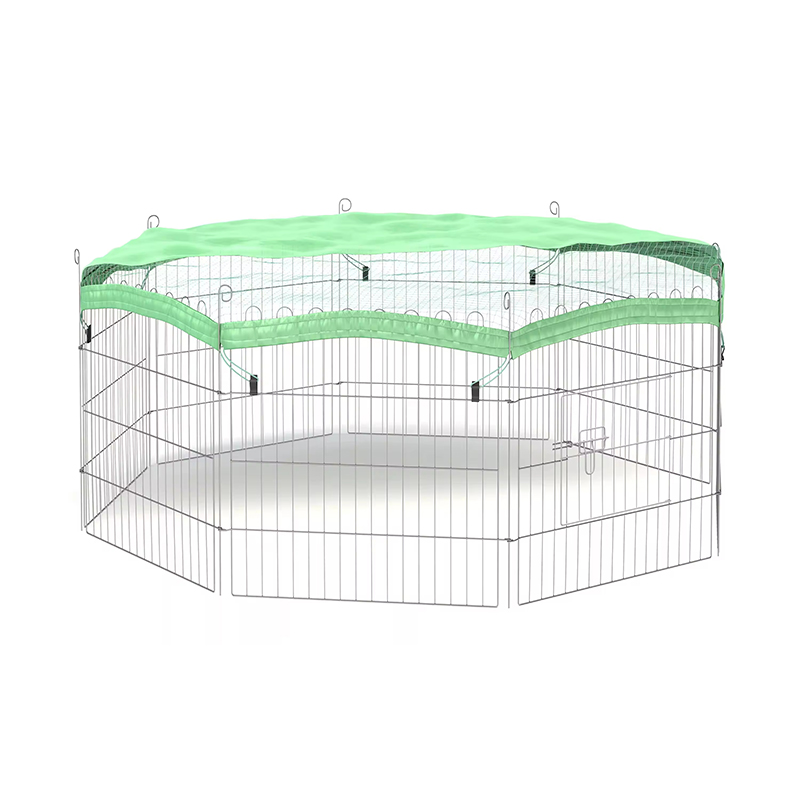
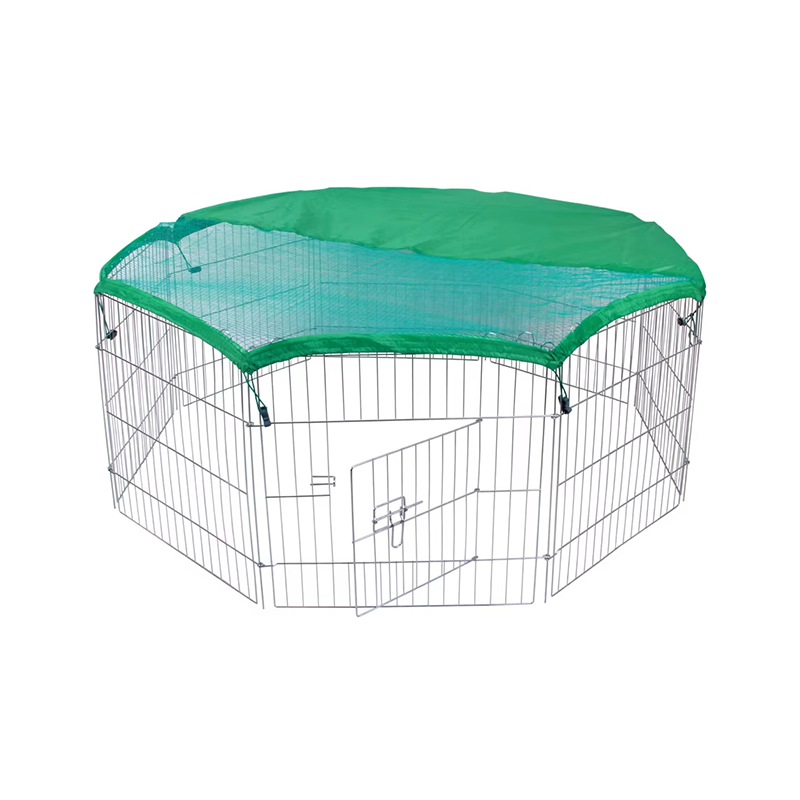
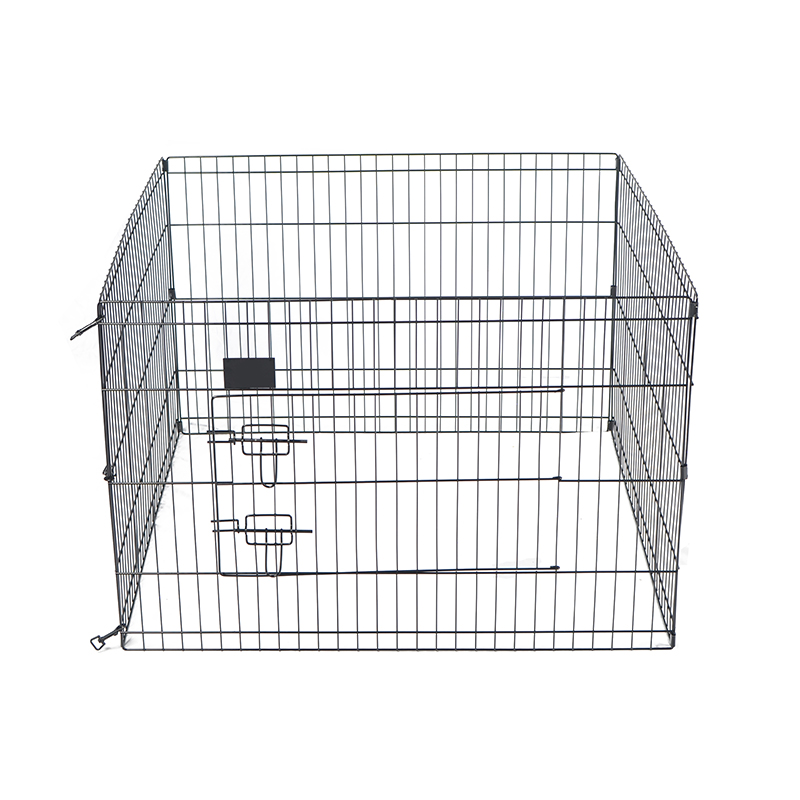
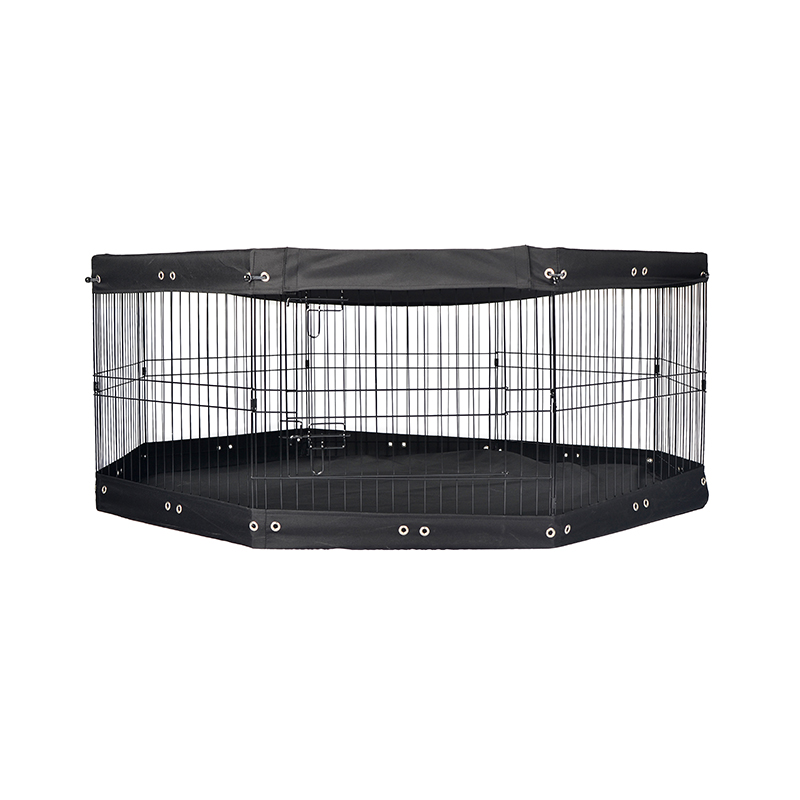
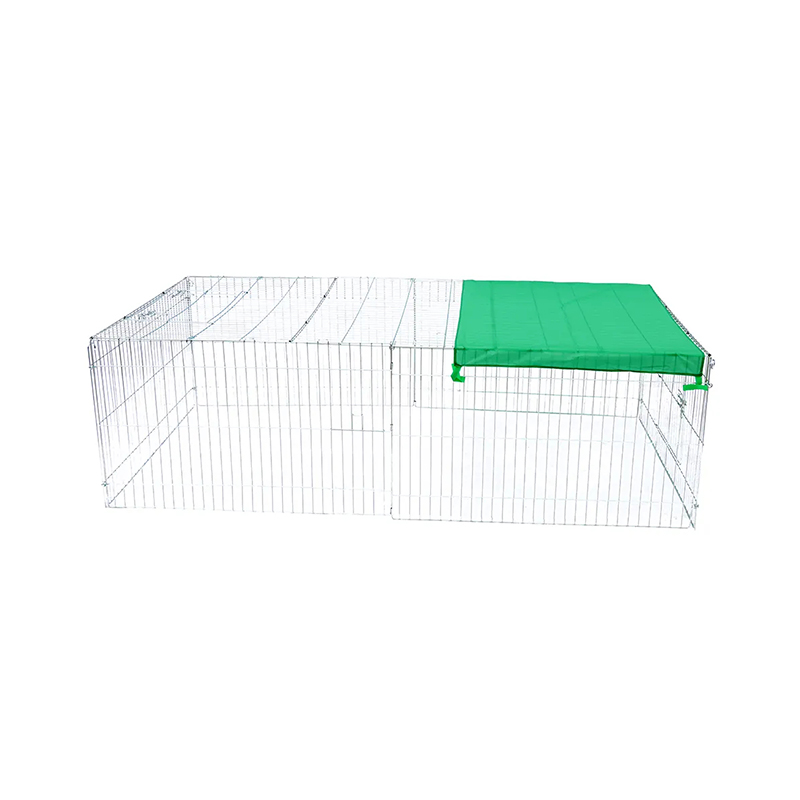
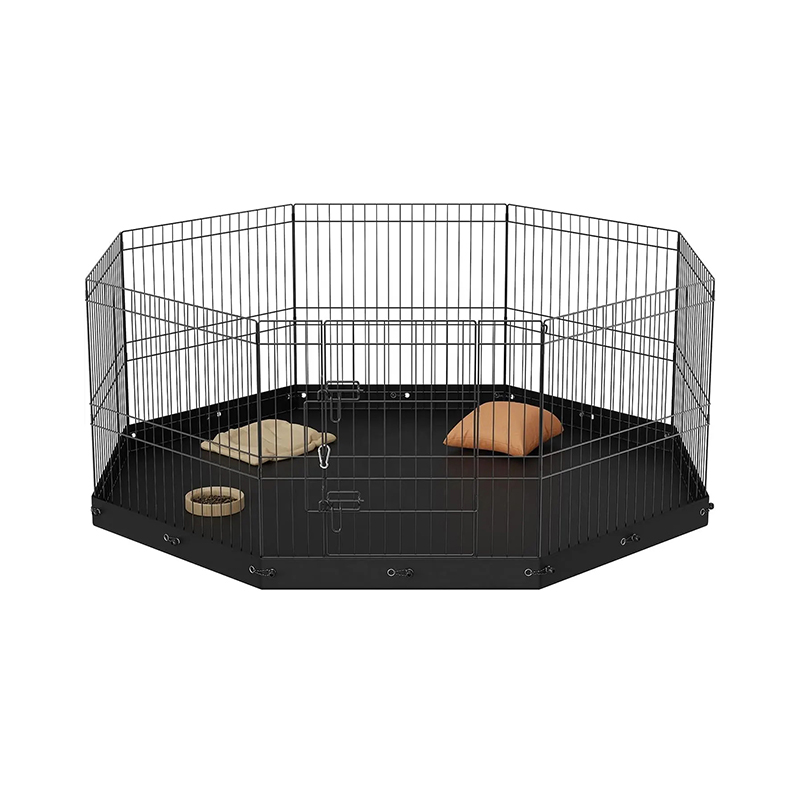
Metal pet playpen is a customized activity space for loving pets, which can give pets enough free space to move around, but also effectively prevent pets from wandering off, accidentally eating or entering dangerous areas. Unlike traditional cages, the enclosure is more open and allows pets to explore to their heart's content within a safe range, especially suitable for puppy training, cat and rabbit activity areas or multi-pet households.
The metal pet playpen is made of mild steel Q195 & Q235, sprayed/galvanized, sturdy and durable, not easy to be hit by pets, and can be made into various shapes. Proper use of a pet fence can reduce the rate of accidents in the home, reduce anxious behavior when pets are alone, and increase the efficiency of obedience training.
A metal pet playpen is not a restriction, but rather a place of curiosity, guarded by a gentle boundary. When you need to step away for a while, this is the little kingdom where your furry child waits in peace.

Pet Home (Haian) Co., Ltd
Fujian Pet Home Co., Ltd. founded in 2009. We are an integrated set of industry and trade company,which have professional design, production for export pet cage. More than 15 years experience in pet cage production and sales . Main products included: Metal pet cage, Dog cage,pet playpen, soft pet crate, furniture style pet crate,cat litter box, wooden dog house, rabbit hutch, chicken coop, cat tree, pet bed and more than 150 products.
As a professional OEM Foldable Metal Dog Playpen Manufacturers and ODM Foldable Metal Dog Playpen Factory, Our products mainly exported to United States, Australia, New Zealand, Japan, Germany, Netherlands, France, Switzerland, Norway, Denmark, Poland, Belgium, Philippines, Mexico, Greece, Taiwan, Hong Kong and so on more than 20 countries. Our company have professional design and sales team. Two metal dog cage production line ,one furniture style pet crate production line. More than 50 containers been exported per month. The company provide quality products and service to all domestic and foreign customer
VIEW MORE
Products
Related Products
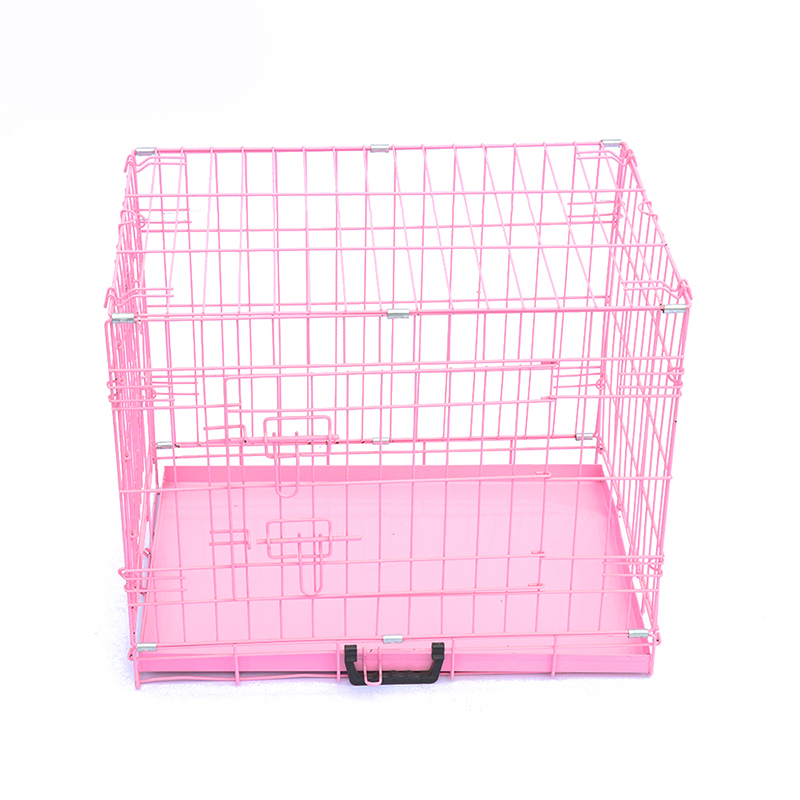
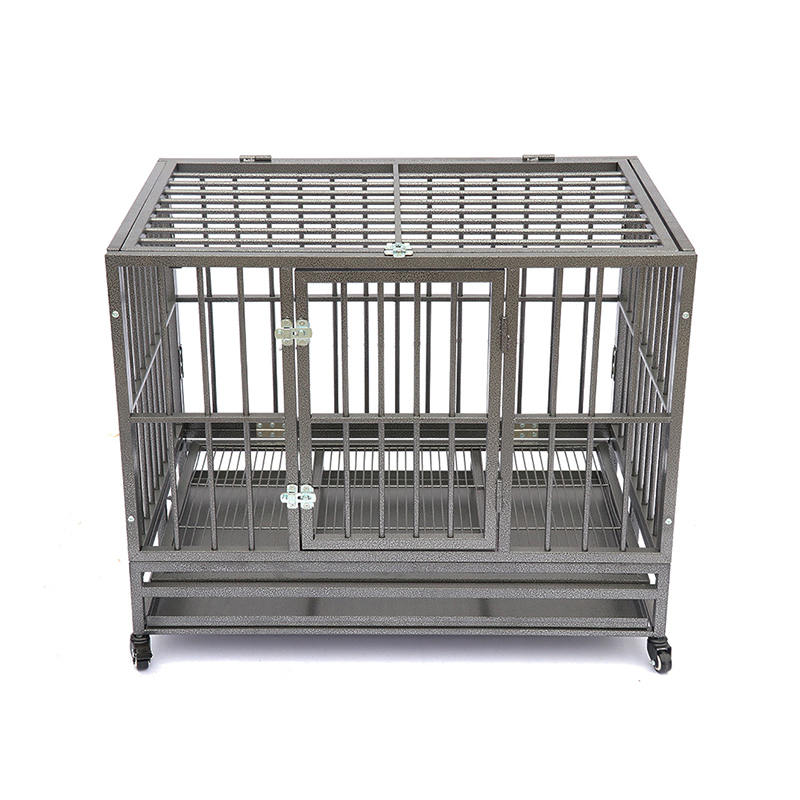
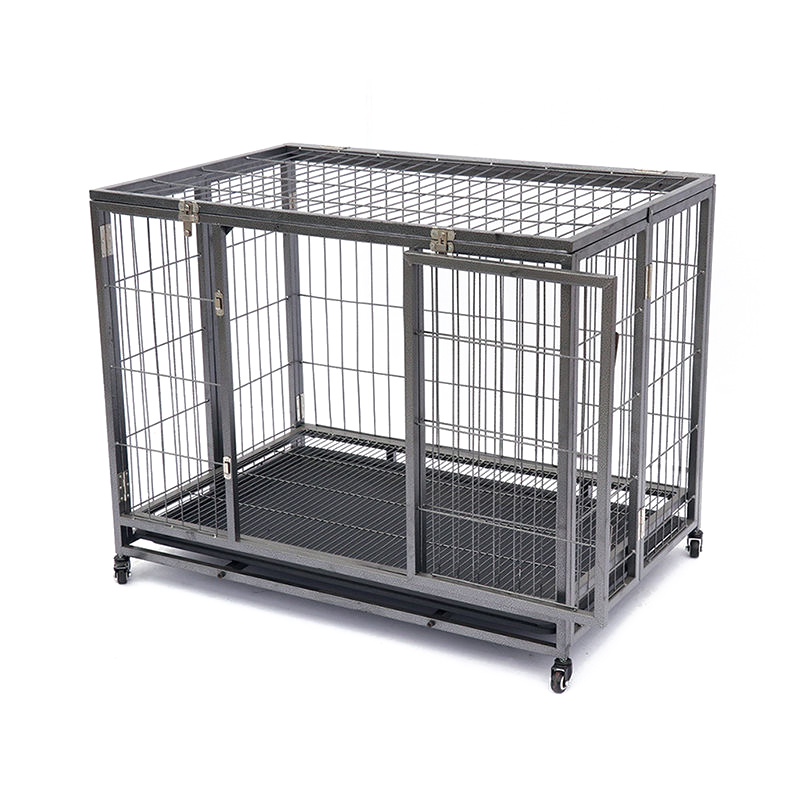
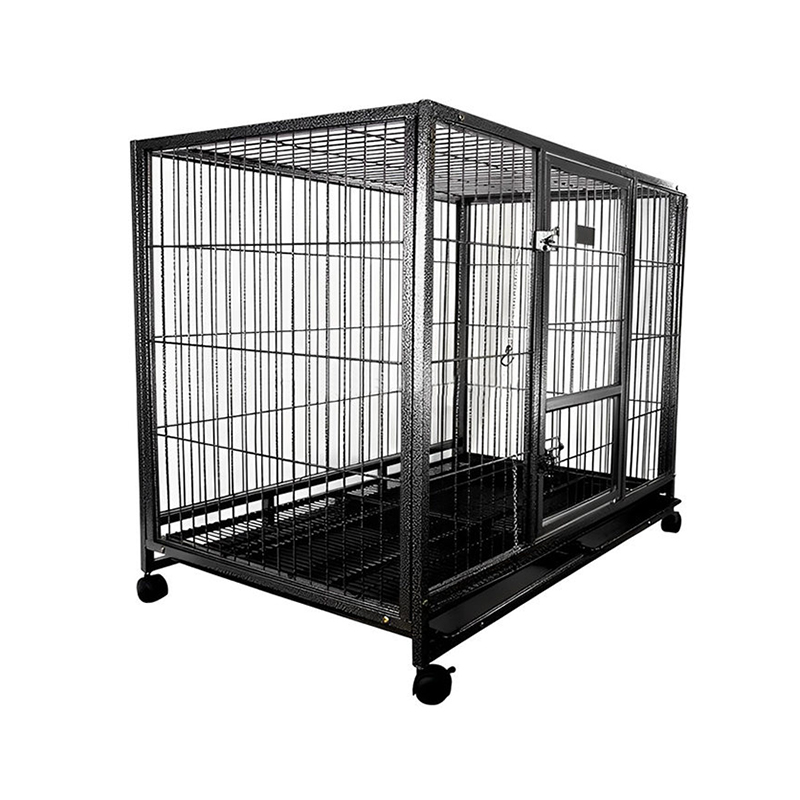
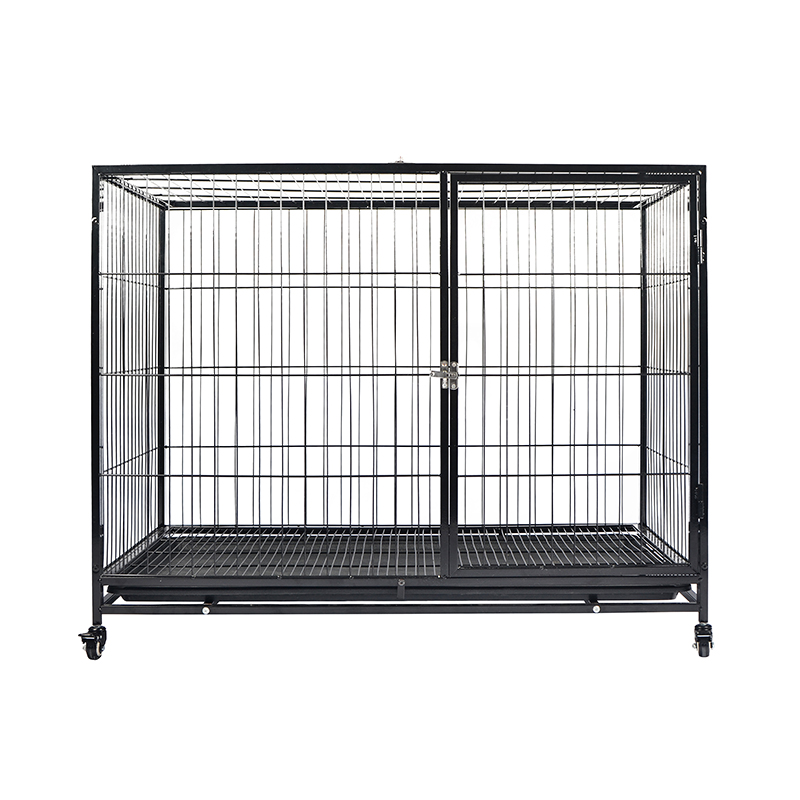
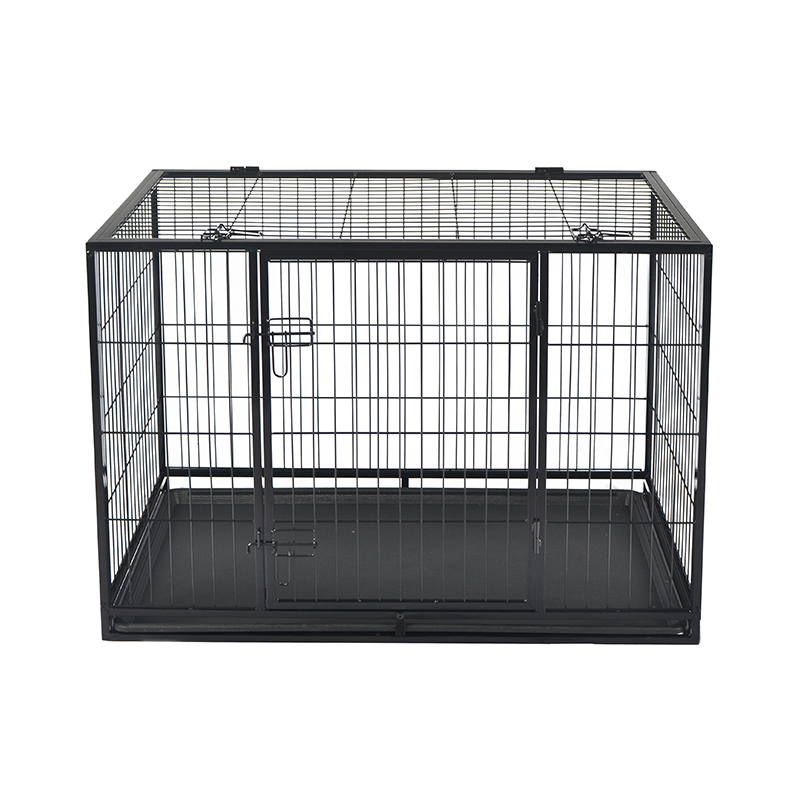
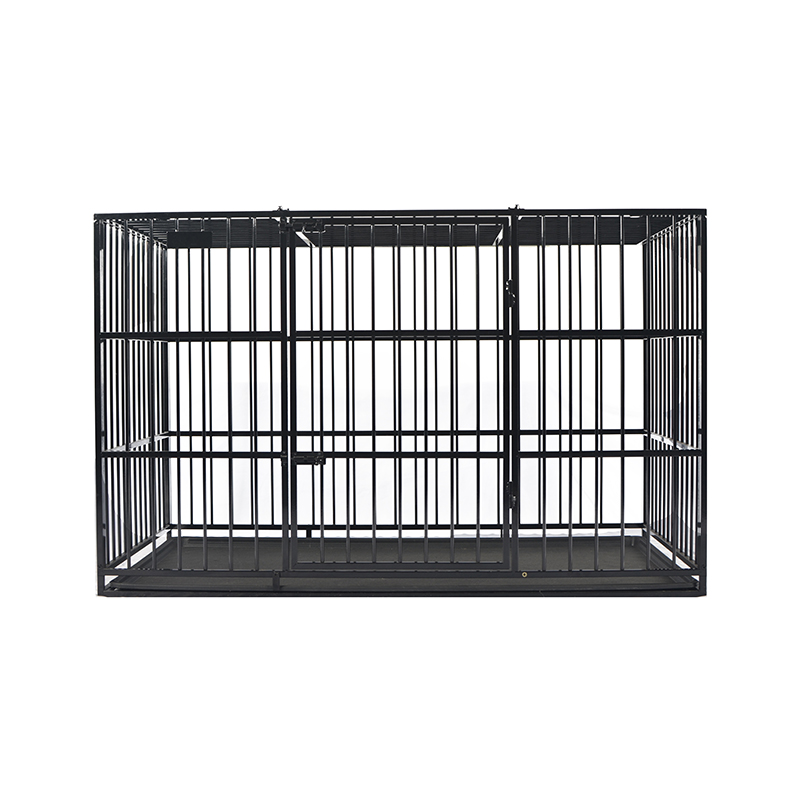
News
News & Update
-
Oct 05. 2026
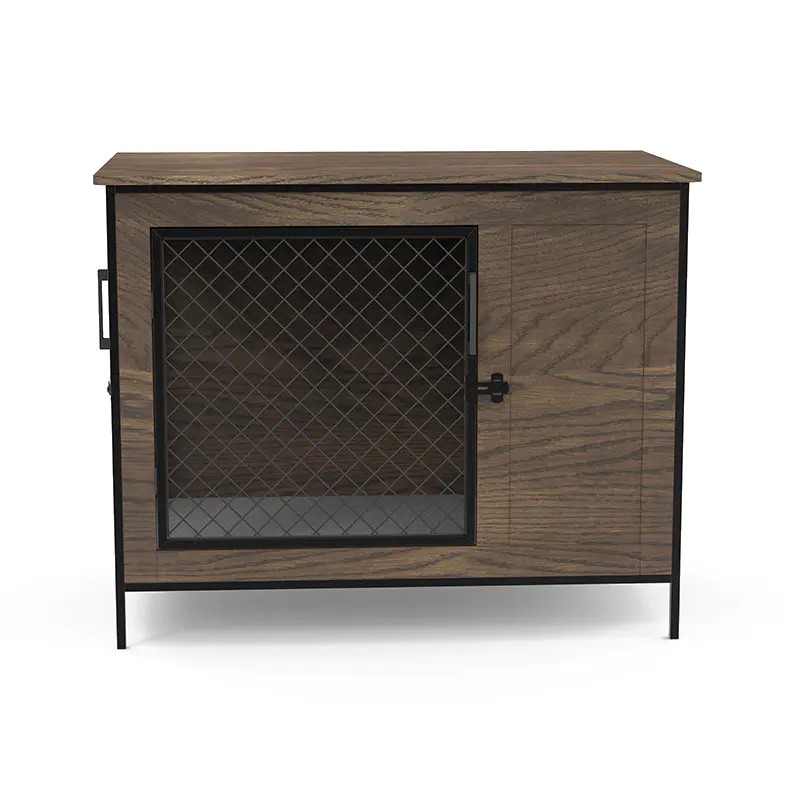
Crate Size by Breed: A Practical Sizing Guide for Pet Owners and WholesalersA customer once ordered a 36-inch crate for a Labrador Retriever puppy because an online chart listed “Labrador” under medium. Six weeks later, the puppy could not stand up without pressing his head against the top bars, and the retailer absorbed a return, a replacement shipment, and a frustrated review. That single m...
Read More -
Sep 28. 2026
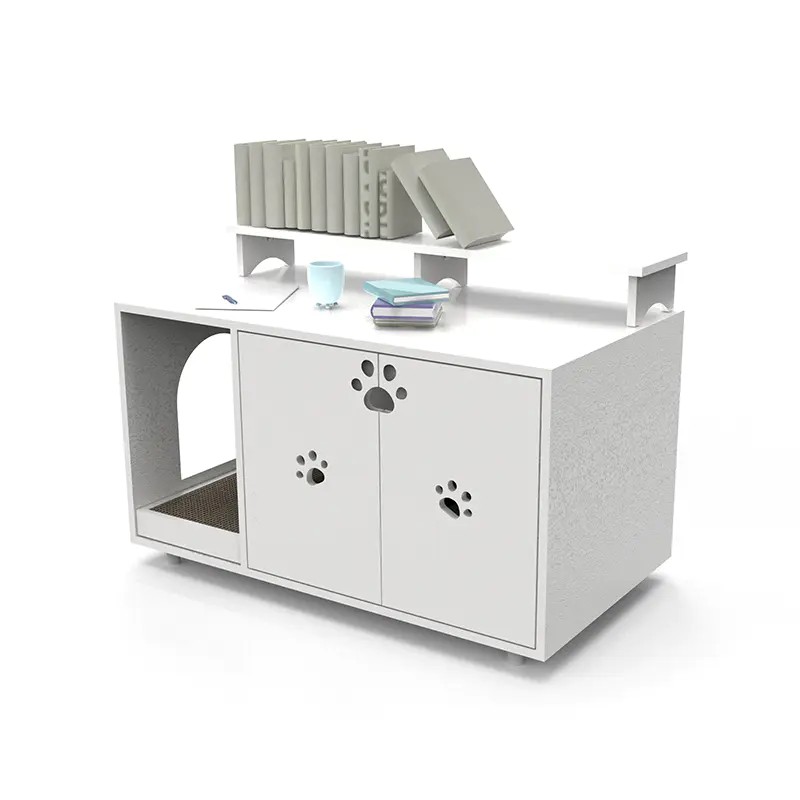
Cleaning Cages: A Practical Guide from a Pet Cage Manufacturer and SupplierA groomer emails about a rust ring that appears on a dog crate tray three months after delivery. A cat owner says the litter cabinet still smells after a full scrub. A parrot breeder cannot lift dried droppings off a perch without a chisel. Every one of those complaints gets filed under cleaning cages, and every one o...
Read More -
Sep 21. 2026
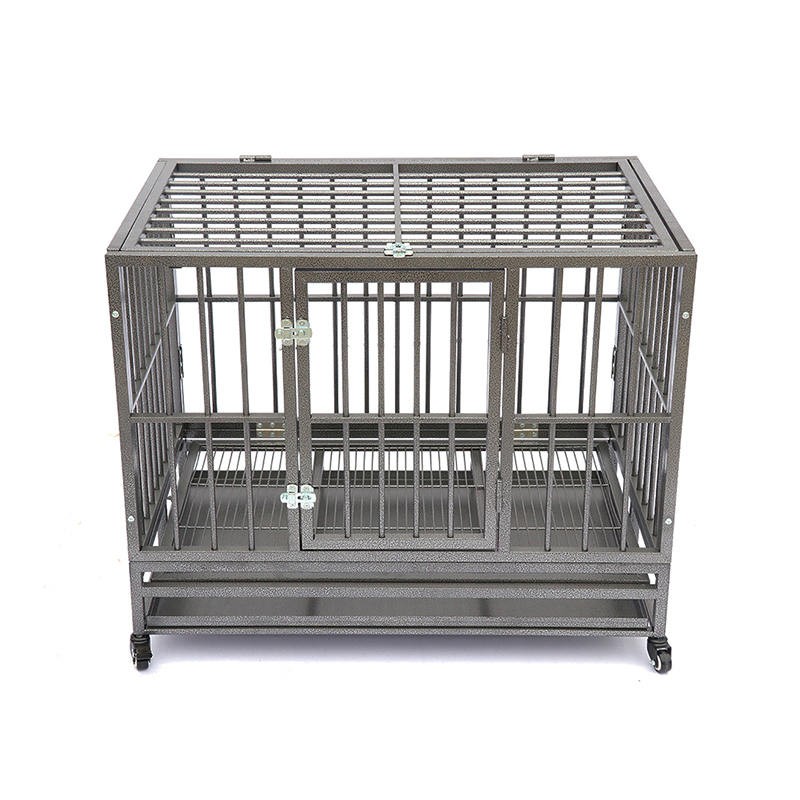
How to Clean the Cage: Dog, Cat, Bird, and Small Animal Cleaning GuideHow often you clean the cage is just as important as how you clean it. The goal is not to clean the cage over and over; the goal is to clean the cage consistently and correctly so that your pet stays healthy and your enclosure lasts longer. This guide gives you a practical routine for dog crates, cat cages, bird cages...
Read More
Message Feedback
knowledge
Industry knowledge
1. What Sets a Metal Dog Playpen Apart
A metal dog playpen is built from individual connecting panels rather than a fixed box shape, which is the main feature that separates it from a standard crate or dog cage. Each panel links to the next through hinge pins or clip connectors, allowing the overall enclosure to be shaped into a square, rectangle, or irregular perimeter depending on the space available. Because a metal dog playpen has no fixed top or bottom in most designs, it works best for supervised containment rather than long-term unattended housing, and it gives a dog open-air movement across a wider footprint than a typical crate allows. The core value of a metal dog playpen comes from this modularity: panels can be added or removed to expand or shrink the enclosed area, and the same panel set can be reconfigured for indoor use in one season and outdoor use in another. This page looks at how panel count and height affect usable space, how different playpen configurations compare on practical factors, and the selection points that matter when choosing a metal dog playpen for a specific dog size or living situation.
2. How Panel Count Builds Up Enclosed Area
One of the most practical questions buyers ask about a metal dog playpen is how much floor area a given number of panels will actually enclose, since this determines whether the pen fits a yard, patio, or indoor room. The waterfall-style chart below shows how enclosed floor area builds up step by step as panels are added to a typical octagonal configuration. This visual makes the relationship between panel count and usable space easier to picture than a simple list of numbers. It also helps buyers avoid under-ordering panels for the space they actually intend to enclose.
This step chart shows enclosed floor area rising steadily as panel count increases, though the rate of increase is not perfectly linear because added panels form a larger overall perimeter shape rather than simply stacking on top of each other. A four-panel configuration encloses a relatively compact area, generally suitable for small dogs or very limited indoor spots such as a corner of a living room. Moving to six panels roughly doubles the enclosed area, which starts to give small and medium dogs enough room to move, turn, and lie down away from their resting spot. An eight-panel configuration is often the most commonly selected option in this category, since it balances a meaningful amount of floor space with a footprint that still fits most standard rooms or patios. Ten and twelve-panel configurations continue this expansion, and by twelve panels the enclosed area becomes suitable for larger dogs, multi-dog households, or outdoor supervised play where more room is genuinely useful. Each additional pair of panels adds proportionally more area than the previous pair, since the enclosed shape is growing in two dimensions rather than one, which is an important detail for buyers trying to estimate space needs from panel count alone. It is worth noting that actual enclosed area varies depending on how the panels are arranged, since a narrow rectangular configuration encloses less area than a more balanced polygon using the same panel count. Buyers with irregular spaces, such as an L-shaped patio, should account for this when planning a specific configuration. Manufacturers offering panel sets typically list a reference shape and area alongside panel count, which buyers should treat as a general guide rather than an exact fit for every layout. This step-by-step view is useful for retailers explaining to customers why a panel count that sounds small on paper can still provide meaningful usable space. Understanding this relationship also helps buyers decide whether purchasing additional panels later is a practical way to expand an existing playpen rather than replacing it outright.
3. Panel Height Versus Dog Jumping Ability
Panel height is a separate consideration from floor area, since a playpen that is wide enough but too short can still allow an athletic dog to jump or climb out. The grid-style comparison below maps common panel heights against general jumping ability across different dog size categories, using shaded cells to indicate where a given height and dog size combination is generally considered adequate containment. This visual gives a quick reference for matching panel height to a specific dog rather than assuming taller is always necessary. It also helps explain why the same playpen height can work well for one dog and not another.
This grid comparison uses shading to show where a given panel height is generally adequate versus likely insufficient for a specific dog size, and the pattern shifts noticeably as both variables increase. For small dogs, even the shortest common panel height of twenty-four inches is generally adequate, since small breeds typically lack the leg length and jumping power to clear that barrier. Medium dogs still do reasonably well with twenty-four-inch panels in many cases, though the middle height of thirty-two inches offers a wider margin of confidence for slightly more active or agile medium breeds. Large dogs shift the picture considerably, since twenty-four-inch panels become marginal and the taller forty-two-inch option is generally recommended, particularly for breeds known for jumping or climbing behavior. Athletic large dogs represent the most demanding category on this grid, where even the tallest common panel height listed here may be insufficient without supervision, since some especially athletic or motivated dogs can clear taller barriers under the right conditions. No single panel height on this grid is universally adequate across every dog size and temperament, which is why supervision remains an important part of using any playpen, regardless of how tall its panels are. It is worth noting that this comparison reflects general tendencies rather than guarantees, since individual dogs vary significantly in jumping ability regardless of size category. Buyers with dogs that show strong jumping or climbing behavior should consider a top cover accessory or closer supervision rather than relying on panel height alone. Panel height also interacts with ground surface, since soft or uneven ground can give a dog additional leverage that firm, level ground does not provide. Retailers can use this kind of grid to guide customers toward taller panel options when a dog's breed or individual behavior suggests a higher jumping risk. This comparison works well alongside the panel-count chart above, since both floor area and containment height need to be considered together rather than separately when selecting a metal dog playpen.
4. Indoor Versus Outdoor Configuration Trade-Offs
A metal dog playpen is often used in both indoor and outdoor settings, but the two environments favor slightly different configuration choices. The slope chart below compares indoor and outdoor setups across four practical factors, showing how each factor shifts in relative importance between the two settings. This comparison helps buyers think through which features matter most based on where the playpen will primarily be used. It also supports retailers explaining configuration differences to customers who may be considering both indoor and outdoor placement.
The slope chart tracks four factors as they shift between indoor and outdoor use, and the direction of each line reveals which considerations gain or lose importance depending on setting. Ground anchoring moves from a lower priority indoors, where floors are level and enclosed, to a moderate priority outdoors, where uneven ground or a determined dog pushing against the base panel can shift the pen out of position. Weather resistance follows the opposite pattern in reverse, becoming a high priority outdoors due to exposure to rain, sun, and temperature swings, while remaining only a moderate concern for indoor placement where coatings mainly need to resist general wear. Reconfiguration ease tends to matter more indoors, since indoor playpens are often adjusted around furniture, doorways, or changing room layouts, while outdoor setups are more frequently left in a fixed shape for longer periods. Panel height priority shifts upward for outdoor use, partly because outdoor settings often give dogs more space to build momentum for a jump, and partly because supervision may be less constant than in an indoor room. No single configuration factor stays flat between indoor and outdoor use, which reflects how differently the two environments shape practical playpen requirements. This does not mean indoor and outdoor playpens require completely different products, since many metal dog playpen designs are built to handle both settings with minor adjustments such as adding ground stakes for outdoor use. Buyers planning to move a playpen between settings seasonally should look for models that support both configurations without requiring separate purchases. Coating quality becomes particularly relevant for any playpen that will spend meaningful time outdoors, since repeated moisture exposure without adequate protection can shorten the product's usable life. Retailers can use this slope chart to guide customers who are unsure whether an indoor-focused or outdoor-ready configuration better fits their actual use pattern. Taken together with the panel-count and height comparisons above, this chart completes a practical framework for selecting a metal dog playpen suited to a specific space and setting.
5. Common Metal Dog Playpen Configurations
(1) Standard Octagonal Playpens
Standard octagonal playpens use eight equal panels arranged in a symmetrical shape, offering a balanced footprint that fits comfortably in most rooms or patio spaces without corners that waste floor area.
(2) Extendable Panel Sets
Extendable panel sets are sold with connector hardware that allows additional panels to be added later, letting buyers start with a smaller configuration and expand the enclosure as needs change.
(3) Playpens with Door Panels
Playpens with a dedicated door panel include a hinged, latching section that allows owners to enter and exit without lifting or disassembling other panels, which is useful for frequent daily access.
(4) Top-Cover Compatible Playpens
Top-cover compatible playpens include attachment points for an optional mesh or wire cover, adding a layer of containment for dogs prone to jumping or for outdoor use where overhead protection is useful.
| Configuration | Best Setting | Expandability | Typical Use Case |
|---|---|---|---|
| Standard Octagonal Playpen | Indoor or outdoor | Low | General everyday containment |
| Extendable Panel Set | Indoor or outdoor | High | Growing space needs |
| Playpen with Door Panel | Indoor or outdoor | Moderate | Frequent daily access |
| Top-Cover Compatible Playpen | Outdoor-focused | Moderate | Jump-prone dogs, added protection |
6. Application Scenarios and Selection Guidelines
Selecting the right metal dog playpen depends on available space, dog size and jumping ability, and whether the pen will be used indoors, outdoors, or both. The points below summarize the main factors to weigh when narrowing down a configuration.
- Estimate the panel count needed based on available floor space, keeping in mind that enclosed area grows faster than panel count alone suggests.
- Match panel height to the dog's size and known jumping or climbing behavior rather than defaulting to the shortest available option.
- Consider extendable panel sets if space needs may grow, such as adding a second dog or moving to a larger home.
- Choose a door panel configuration for frequent daily access rather than repeatedly lifting standard panels.
- Prioritize weather-resistant coating and ground anchoring options for any playpen used outdoors.
- Add a top cover accessory for dogs showing strong jumping tendencies, particularly in unsupervised outdoor settings.
7. Maintenance and Care Guidance
Routine maintenance keeps a metal dog playpen structurally reliable across repeated setup, teardown, and reconfiguration. Panel connectors and hinge pins should be checked periodically for looseness, since frequent reconfiguration can gradually wear these connection points more than in a fixed cage. Ground stakes or anchoring points used for outdoor setups should be inspected each season for rust or bent hardware, particularly after exposure to heavy rain or freezing temperatures. Coated surfaces should be wiped down with a soft cloth and mild cleaning solution rather than abrasive materials, which can strip protective coating and expose bare metal to moisture. Any optional top cover accessory should be checked for secure attachment before each use, especially in outdoor settings where wind or a jumping dog can place additional stress on the connection points.
8. Production Background for This Category
Fujian Pet Home Co., Ltd. has produced pet playpens and related metal pet housing products since 2009, with production experience spanning panel welding, coating application, and connector hardware assembly. This manufacturing background supports the panel-count and configuration comparisons discussed throughout this page, particularly around how different panel arrangements affect usable space and containment height. Export experience across more than twenty countries has also informed how indoor and outdoor configuration options are developed within this product line, since different climates and living situations call for different coating and anchoring approaches. Buyers evaluating a metal dog playpen supplier for retail or wholesale distribution often consider this kind of production consistency when comparing options across larger order volumes.
9. Frequently Asked Questions
How many panels do I need for my dog?
Panel count should be based on available space and dog size, with eight panels being a commonly selected configuration for general household use.
Can a metal dog playpen be used outdoors?
Yes, many metal dog playpen designs support outdoor use, particularly when paired with weather-resistant coating and ground anchoring accessories.
What panel height prevents jumping?
Taller panels around forty-two inches are generally recommended for large or athletic dogs, though individual jumping ability still varies.
Can I expand a playpen after purchase?
Extendable panel sets allow additional panels to be added later, making it possible to expand an existing playpen without replacing it entirely.
Is a top cover necessary for every playpen?
A top cover is generally recommended only for dogs showing strong jumping or climbing tendencies, or for unsupervised outdoor use.
How do I clean panel connectors?
Panel connectors should be wiped clean and checked periodically for looseness, particularly if the playpen is reconfigured or moved frequently.
Your pet deserves good, Contact now.
Whether you want to become our partner or need our professional guidance or support in product selections and problem solutions, our experts are always ready to help within 12 hours globally.
 CONTACT US

QUICK LINKS
PRODUCTS
-
Address
- Room 501,Unit 1 ,Buliding 6,Wuyi Guoji Xincheng,No.379,Zhuxi Avenue,Jianyang District,Nanping City, Fujian Province.
- No. 139-6 , Tongyu Middle Road, Nantong, Jiangsu, China
-
Mobile
- +86-13616986006
-
E-mail :

Copyright © 2025 Pet Home (Haian) Co., Ltd All Rights Reserved. Custom Foldable Metal Dog Playpen Manufacturers Foldable Metal Dog Playpen Factory

