
 EN
EN
 English
 中文简体
中文简体
Home / News / Industry News / Pet Store Cages Sourcing Guide: Types, Durability Factors, and Selection Tips
News


Pet Store Cages Sourcing Guide: Types, Durability Factors, and Selection Tips
 2026.08.18
 Industry News
Content
- 1 What to Look for When Sourcing Pet Store Cages
- 2 Common Types of Pet Store Cages and Their Characteristics
- 3 Structure and Build Principles Behind Pet Cages
- 4 Retail Demand Patterns Across Pet Cage Categories
- 5 Application Scenarios and Selection Criteria
- 6 Detailed Comparison of Structural Durability Factors
- 7 Configuration Options at a Glance
- 8 Maintenance and Care Guidance for Pet Store Cages
- 9 Working With an Experienced Pet Cages Manufacturer
- 10 Frequently Asked Questions
- 10.1 Q1: What is the difference between a metal pet cage and a pet playpen?
- 10.2 Q2: How do I choose the right dog cage size for retail stocking?
- 10.3 Q3: What should I ask a pet cages manufacturer during supplier qualification?
- 10.4 Q4: How should furniture style pet crates be maintained?
- 10.5 Q5: Can a single pet cages manufacturer supply a full mixed retail assortment?
What to Look for When Sourcing Pet Store Cages
The direct answer is this: reliable pet store cages should be selected based on frame material, wire gauge, tray design, and modular configuration, since these four factors determine durability, cleaning ease, and suitability for retail display or long-term animal housing. For pet retailers and distributors evaluating a pet cages manufacturer, matching cage construction to the specific animal type and store layout is the most important step before committing to a bulk order.
Pet store cages cover a wide functional range, from compact metal display cages used in retail settings to larger dog cages, pet playpens, and furniture style pet crates designed for home use. Each configuration serves a different combination of animal size, containment need, and store or household layout, which is why working with an experienced pet cage factory matters more than comparing a single spec sheet in isolation.
This article walks through the common types of pet store cages and their characteristics, the underlying structure and build principles, application scenarios and selection criteria, a detailed technical comparison, maintenance guidance, and answers to frequently asked sourcing questions. The goal is to give pet retail buyers, distributors, and household product buyers a practical reference when evaluating a pet cage supplier or wholesale pet household products factory.
Key takeaway: frame material and wire gauge should be evaluated first, since they directly determine a cage's structural durability across repeated retail handling or daily animal use.
Common Types of Pet Store Cages and Their Characteristics
Buyers sourcing from a pet cage manufacturer typically encounter several recurring product families, each suited to a different retail or household application. Understanding these categories helps distributors match the right cage type to the right sales channel or use case.
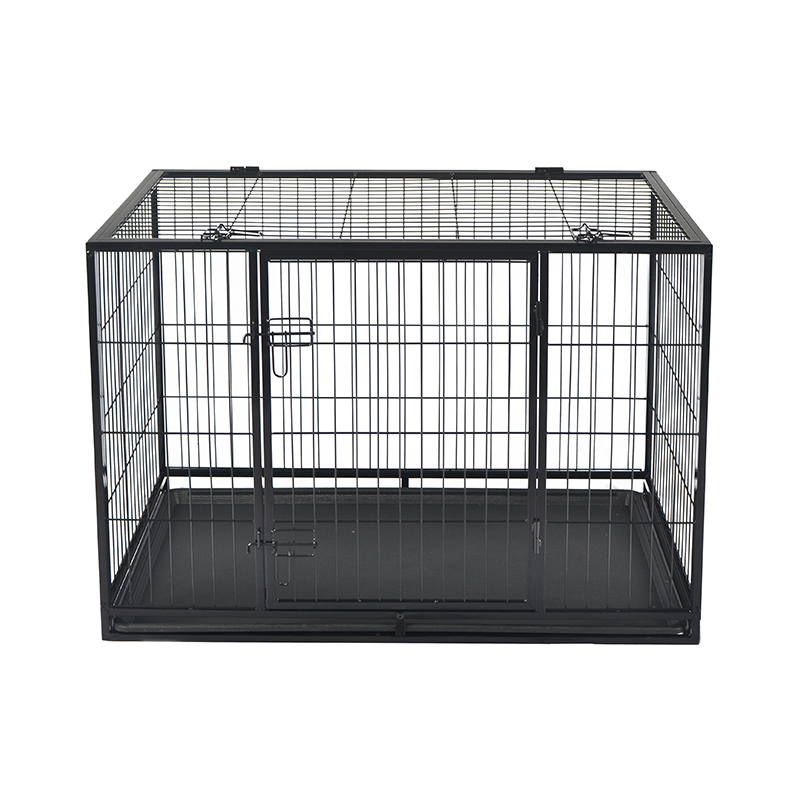
- Metal pet cages — welded or bolted wire-frame construction offering strong containment and good ventilation for small animals and cats.
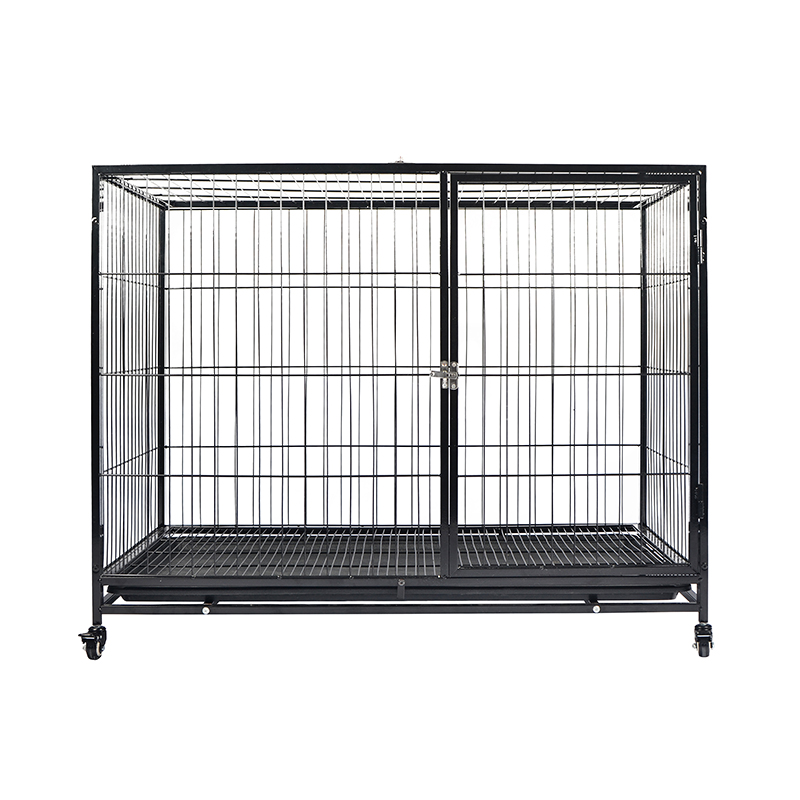
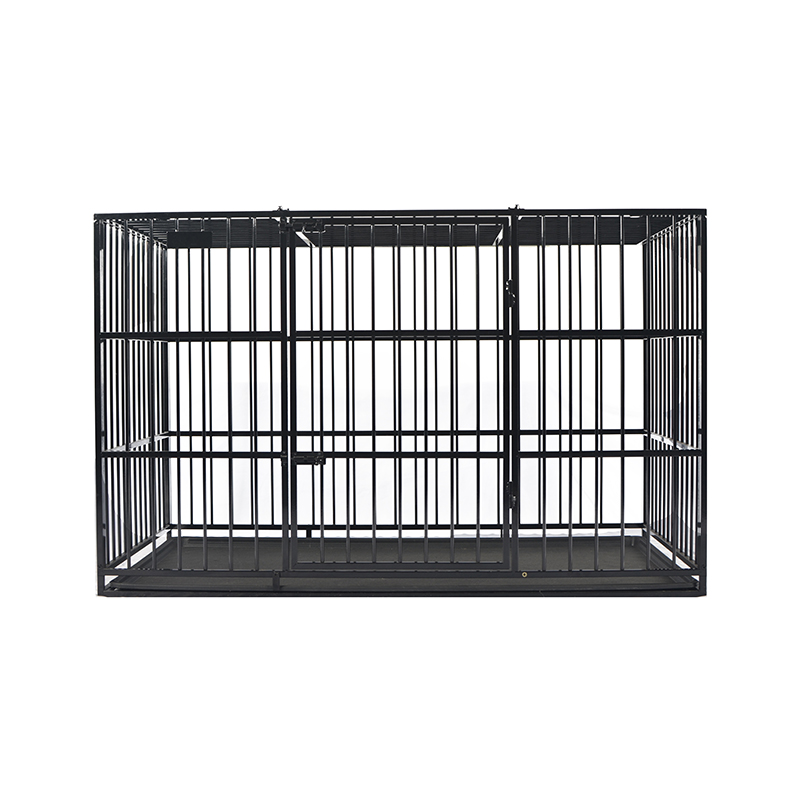
- Dog cages and crates — heavier-gauge metal cages built for larger breed containment, often featuring removable trays for cleaning.
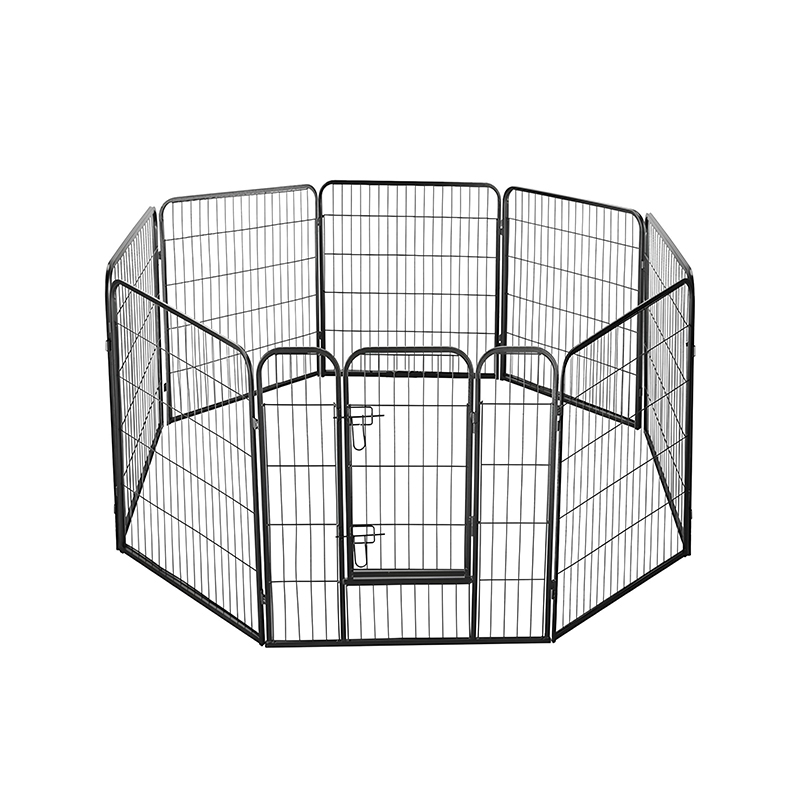
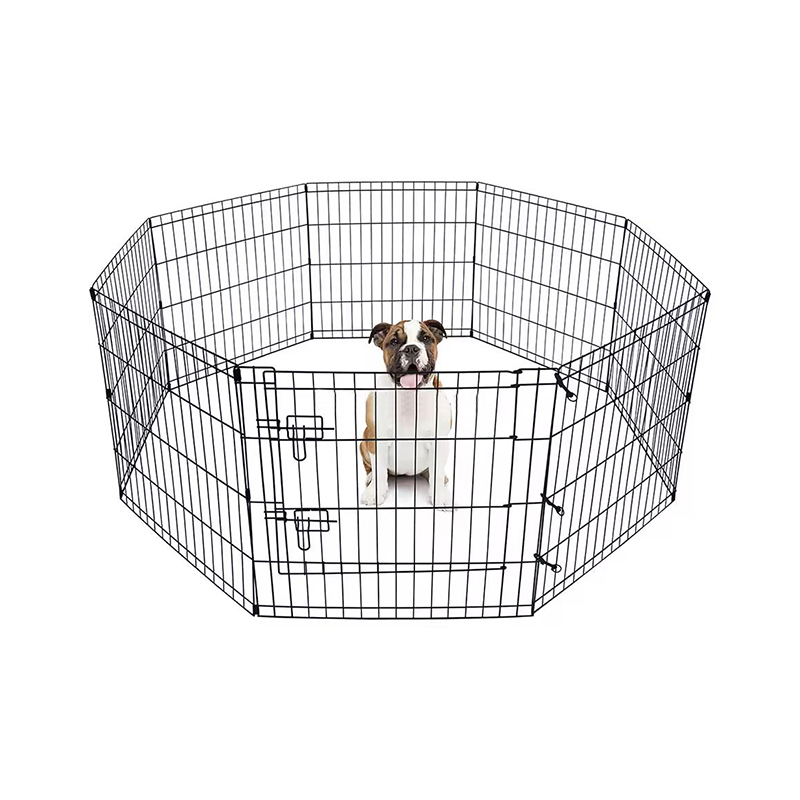
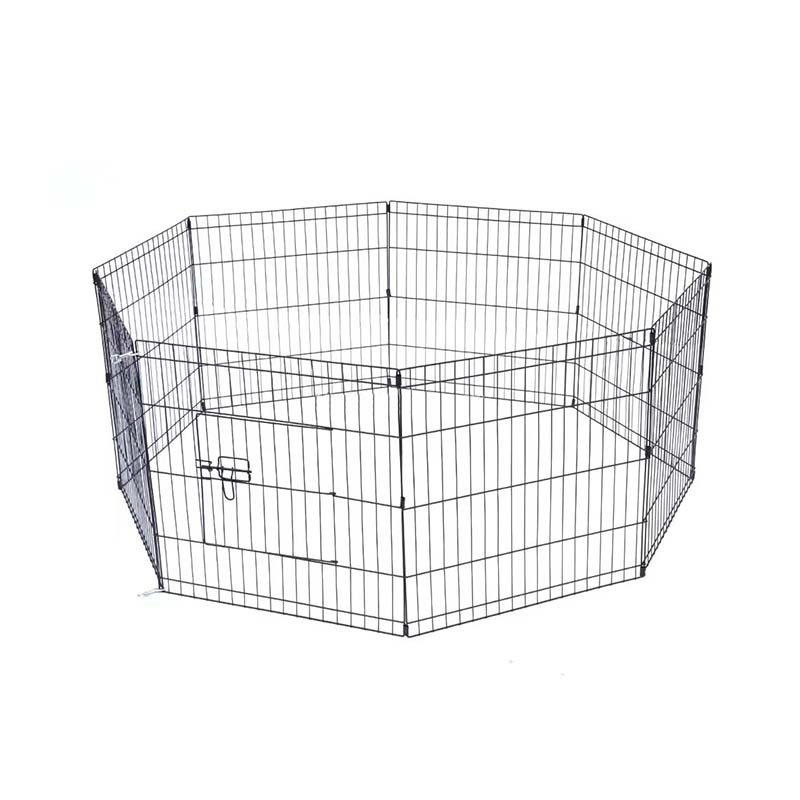
- Pet playpens — foldable, expandable enclosures offering flexible containment area without a fully enclosed top.
- Soft pet crates — fabric-and-frame hybrid crates offering lightweight portability for travel or temporary containment.
- Furniture style pet crates — wood-paneled or cabinet-style crates designed to blend into home decor while providing secure containment.
| Cage Type | Primary Material | Typical Use Setting |
|---|---|---|
| Metal pet cage | Welded wire steel | Retail display / small pets |
| Dog cage | Heavy-gauge steel | Home / kennel containment |
| Pet playpen | Folding wire panel | Flexible indoor / outdoor area |
| Soft pet crate | Fabric and lightweight frame | Travel / temporary use |
| Furniture style crate | Wood panel and metal frame | Home living space |
Matching cage material and configuration to the intended use setting is the first filter a pet cages buyer should apply before requesting samples.
Structure and Build Principles Behind Pet Cages
A well-built pet cage relies on three structural elements working together: the frame, the wire mesh or panel spacing, and the tray or base assembly. Each element affects durability, safety, and ease of maintenance differently.
Frame and Wire Gauge
Most metal pet cages use a welded or bolted steel frame, with wire gauge determining resistance to bending or chewing pressure from larger animals. Heavier gauge wire is generally used in dog cages, while finer gauge wire suits smaller animals and cats where ventilation and visibility matter more than raw load resistance.
Tray and Base Assembly
A removable tray base allows for efficient cleaning and is a standard feature across most metal pet cages and dog cages sold through retail channels. Furniture style pet crates typically integrate the tray within a wood-paneled base structure, balancing cleaning access with a home-decor-oriented exterior finish.
Retail Demand Patterns Across Pet Cage Categories
Before reviewing the chart below, it helps to understand the broader retail context for pet store cages. According to general pet industry trade reporting, demand for containment products has grown alongside rising pet ownership rates in urban households, with dog-related containment products representing a substantial share of overall pet hardgoods sales. Retailers stocking a mixed assortment often need to balance metal cages, playpens, and crates differently depending on their customer base's typical pet ownership profile. Multi-country exporters serving markets such as the United States, Australia, and parts of Europe frequently report steadier year-round demand for dog cages compared to more seasonal demand for outdoor-oriented containment products. The column chart below illustrates a representative distribution of retail shelf allocation across five pet cage categories in a typical mixed pet store assortment, based on general industry patterns rather than a single proprietary dataset.
The column chart shows dog cages holding the largest representative share of retail shelf allocation, consistent with dog ownership representing a large portion of household pet populations across many export markets. Metal pet cages follow closely behind, reflecting their versatility across multiple small animal types and their common use in both retail display and household settings. Pet playpens occupy a meaningful middle share, supported by their flexible, expandable design that appeals to buyers wanting adjustable containment area without a fully enclosed structure. Soft pet crates and furniture style pet crates make up smaller but steady shares, generally appealing to buyers prioritizing portability or home-decor integration over maximum containment strength. This distribution suggests that a balanced multi-category product line, rather than a single cage type, better serves a typical mixed pet retail assortment. A pet cages manufacturer offering multiple product lines across metal cages, playpens, soft crates, and furniture style crates is generally better positioned to support a retailer's full assortment needs under one supply relationship. Distributors expanding into new regional markets should consider local pet ownership patterns when weighting initial order quantities across these categories, since regional preferences can shift the ideal mix. Furniture style crates, while representing a smaller share, often carry stronger margins in home-decor-focused retail channels due to their higher design complexity. Overall, the chart reinforces that pet store cage sourcing benefits from a portfolio approach that reflects the diversity of animal types and consumer preferences within a given market.
Application Scenarios and Selection Criteria
Selecting the right pet store cage depends on the animal type, containment duration, and retail or household setting. The comparison below helps buyers narrow choices between retail-display-oriented and home-use-oriented product lines before requesting samples from a pet cage wholesaler.
Retail Display Product LinesMetal pet cages and compact dog cages suit retail display environments, offering strong visibility, stackability, and durability under repeated handling by store staff and customers. |
Home-Use Product LinesFurniture style pet crates and pet playpens suit home-use retail channels, where design integration with living spaces and flexible containment area carry more weight in purchasing decisions. |
Key Selection Checklist
- Confirm wire gauge and frame strength match the target animal size and containment need.
- Check tray and base design for cleaning accessibility across daily use conditions.
- Verify folding or modular features for playpens intended for flexible indoor and outdoor use.
- Review surface coating or finish for corrosion resistance in humid climates.
- Assess packaging and container loading efficiency for export shipping volume planning.
Detailed Comparison of Structural Durability Factors
Before reviewing the heatmap below, it is useful to understand that structural durability is not a single measurement but a combination of several independent factors. Wire gauge strength, weld joint integrity, corrosion resistance, and tray durability each contribute differently depending on the cage category and intended use environment. A dog cage prioritizes wire gauge strength and weld integrity more heavily than a soft pet crate, which instead prioritizes fabric durability and frame flexibility. The heatmap below compares four pet cage categories against four durability factors on a relative intensity scale, based on general product engineering principles rather than a specific proprietary test dataset.
The heatmap shows dog cages and metal pet cages scoring highest on wire gauge strength and weld integrity, reflecting their construction from heavier-gauge welded steel intended to contain larger or more active animals over extended periods. Corrosion resistance shows a somewhat more even distribution across categories, since coating quality can be applied consistently across different frame types regardless of overall structural weight. Tray durability scores highest for soft pet crates in this representative comparison, since their base is typically a simpler, more replaceable component compared to the integrated metal trays found in dog cages. Playpens show moderate scores across most factors, consistent with their role as flexible, lighter-duty containment rather than maximum-strength enclosures. This pattern illustrates why buyers should not evaluate pet cages on a single durability score, but instead weight the specific factors most relevant to their intended use case. A retailer stocking cages for larger, more active dogs should prioritize wire gauge and weld integrity data over tray durability alone. Conversely, a retailer focused on travel-oriented soft crates should weight fabric and frame flexibility more heavily than raw wire gauge strength. Reviewing category-specific durability data during supplier qualification helps buyers set more realistic expectations for product lifespan across different retail segments. A pet cages manufacturer with in-house testing capability across multiple product lines can typically provide this kind of factor-specific data more readily than a single-category supplier. Overall, the heatmap reinforces that durability evaluation should be treated as a multi-factor comparison tailored to each cage category's intended use.
Configuration Options at a Glance
Buyers comparing pet cage configurations often benefit from a quick side-by-side view of common product options before requesting a full catalog. The horizontal card layout below summarizes several standard configurations available across a typical pet cage product line.
|
Maintenance and Care Guidance for Pet Store Cages
Proper maintenance extends the usable life of pet store cages and reduces replacement frequency for retailers and household buyers alike. Guidance differs somewhat by category, but several practices apply broadly across metal, playpen, and crate product lines.
- Clean removable trays regularly with mild soap and water to prevent buildup and odor accumulation.
- Inspect welded joints and wire connections periodically for signs of stress or corrosion, particularly in humid climates.
- Lubricate folding hinges on pet playpens to maintain smooth setup and breakdown over repeated use.
- Spot-clean fabric panels on soft pet crates rather than full submersion washing to preserve frame integrity.
- Dust and polish wood panels on furniture style pet crates using appropriate wood-safe cleaning products.
Routine, category-specific maintenance meaningfully extends the functional lifespan of pet store cages across retail and home-use settings.
Working With an Experienced Pet Cages Manufacturer
Sourcing decisions ultimately come down to trust in a supplier's production consistency and export experience. Fujian Pet Home Co., Ltd., founded in 2009, is an integrated industry and trade company with professional design and production capability for export pet cages, bringing more than 15 years of experience in pet cage production and sales. The company's main products include metal pet cages, dog cages, pet playpens, soft pet crates, furniture style pet crates, cat litter boxes, wooden dog houses, rabbit hutches, chicken coops, cat trees, pet beds, and more than 150 total products, closely aligning with the categories discussed throughout this article.
The company's products are exported to more than 20 countries, including the United States, Australia, New Zealand, Japan, Germany, the Netherlands, France, Switzerland, Norway, Denmark, Poland, Belgium, the Philippines, Mexico, Greece, Taiwan, and Hong Kong. As a professional pet cages manufacturer and pet household products factory, the company operates a professional design and sales team alongside two metal dog cage production lines and one furniture style pet crate production line, exporting more than 50 containers per month while maintaining a quality-first approach to production and customer service. For buyers evaluating a pet cage wholesaler or OEM partner, working with a manufacturer offering this breadth of product lines and export experience can simplify sourcing across a full pet retail assortment.
Frequently Asked Questions
Q1: What is the difference between a metal pet cage and a pet playpen?A metal pet cage is a fully enclosed structure with a top and door, while a pet playpen is typically an open-top, expandable panel enclosure offering flexible containment area. |
Q2: How do I choose the right dog cage size for retail stocking?Consider the typical breed sizes common in your target market and stock a range of configurations, since wire gauge and frame strength requirements scale with animal size. |
Q3: What should I ask a pet cages manufacturer during supplier qualification?Ask about wire gauge specifications, weld joint testing, corrosion-resistant coating processes, and export container loading capacity to confirm consistent bulk order fulfillment. |
Q4: How should furniture style pet crates be maintained?Dust and polish wood panels with wood-safe cleaning products and periodically check hardware fittings to preserve both structural integrity and appearance. |
Q5: Can a single pet cages manufacturer supply a full mixed retail assortment?Yes, manufacturers with multiple product lines spanning metal cages, playpens, soft crates, and furniture style crates can support a broad retail assortment under one supply relationship. |
Related Products
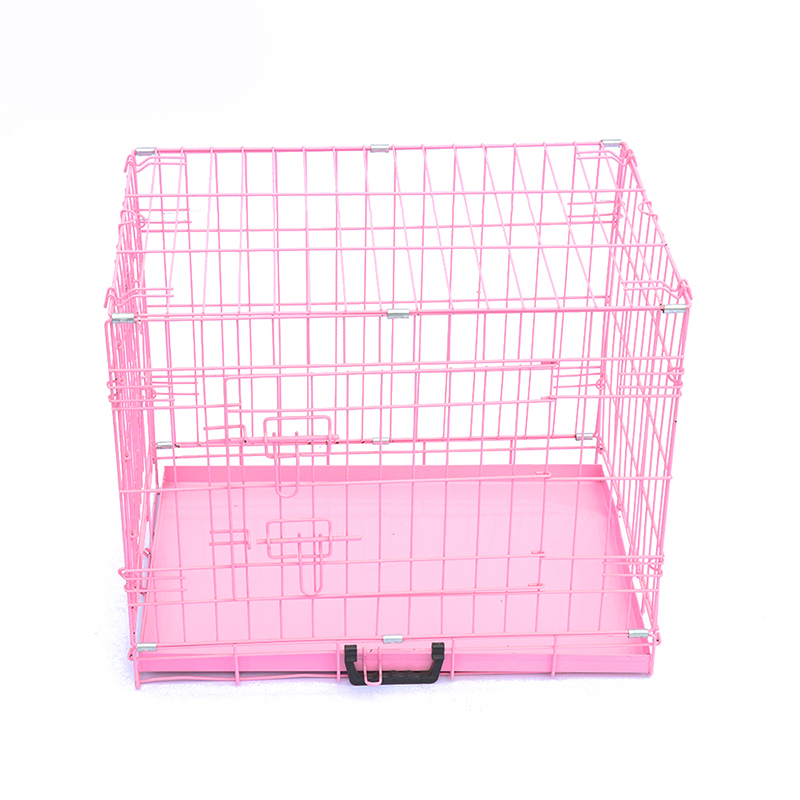
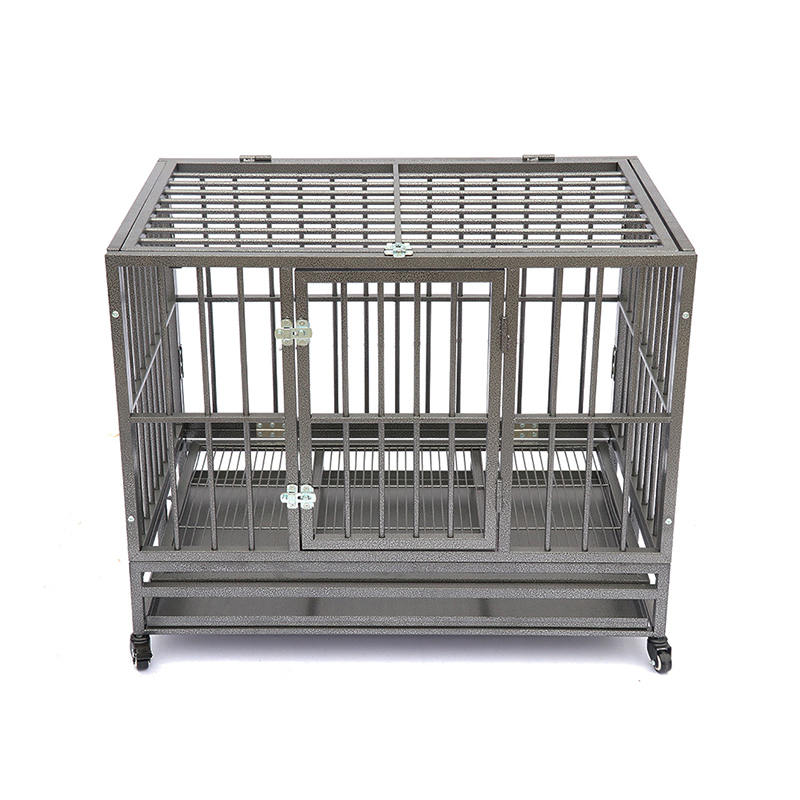
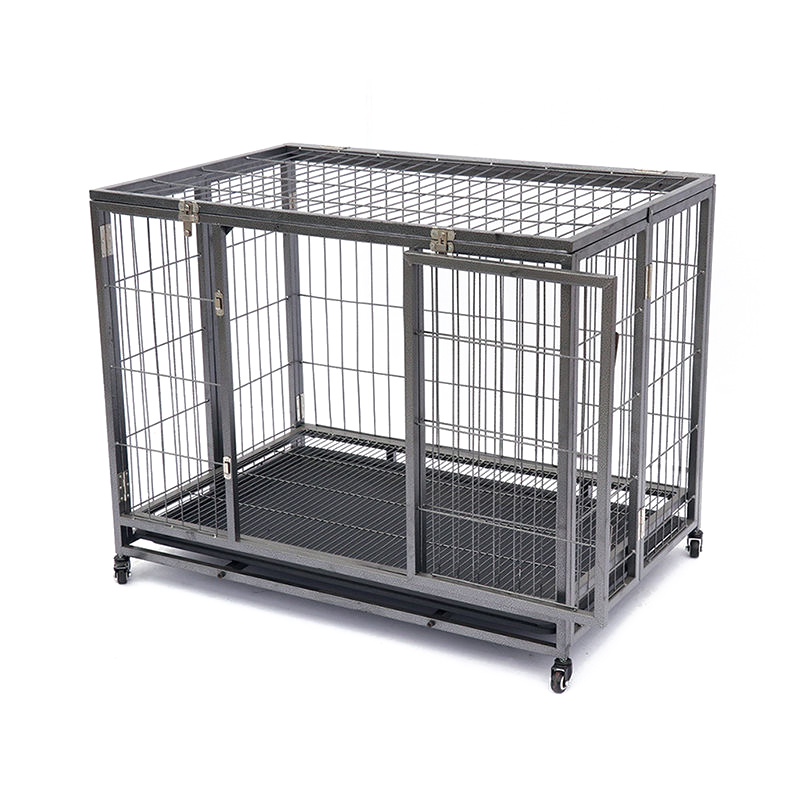
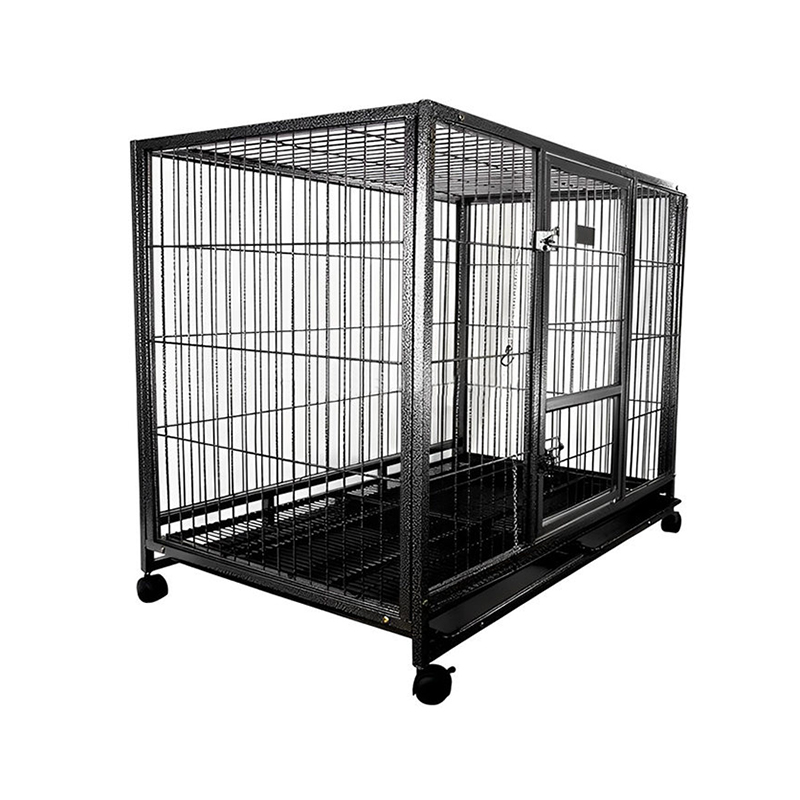
Your pet deserves good, Contact now.
Whether you want to become our partner or need our professional guidance or support in product selections and problem solutions, our experts are always ready to help within 12 hours globally.
 CONTACT US

QUICK LINKS
PRODUCTS
-
Address
- Room 501,Unit 1 ,Buliding 6,Wuyi Guoji Xincheng,No.379,Zhuxi Avenue,Jianyang District,Nanping City, Fujian Province.
- No. 139-6 , Tongyu Middle Road, Nantong, Jiangsu, China
-
Mobile
- +86-13616986006
-
E-mail :

Copyright © 2025 Pet Home (Haian) Co., Ltd All Rights Reserved. Custom Pet Cages Manufacturers OEM/ODM Pet Household Products Factory

