
 EN
EN
 English
 中文简体
中文简体

What is the purpose of Pet Cages?
 2026.03.20
 Industry News
Content
- 1 The Primary Purpose: Safety, Security, and Training
- 2 Beyond Containment: Psychological Well-being and Travel
- 3 Critical Factors for Selecting the Right Pet Cage
- 4 Data-Driven Usage: How Pet Cages Improve Behavior
- 5 Frequently Asked Questions (FAQ) About Pet Cages
- 6 Industry Standards: What OEM Manufacturing Reveals
- 7 Practical Checklist: Selecting the Optimal Cage
The Primary Purpose: Safety, Security, and Training
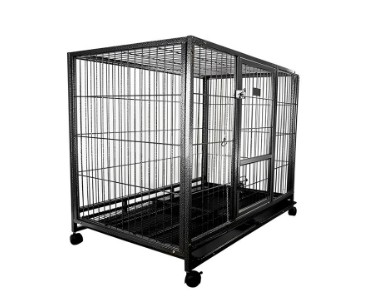
The fundamental purpose of a pet cage is to provide a safe and secure environment for both the pet and the owner. Contrary to outdated views of cages as “prisons,” when used correctly, they function as a den—a natural instinctual space for dogs and other animals. This serves three core functions: safety during unsupervised moments, facilitation of housetraining, and management of anxiety. According to industry data from manufacturers like Fujian Pet Home Co., Ltd., over 70% of first-time dog owners cite “housebreaking and safety” as the primary reason for purchasing a metal or furniture-style pet crate.
Beyond Containment: Psychological Well-being and Travel
While containment is the obvious answer, the modern pet cage (or crate) serves a deeper psychological purpose. It acts as a “safe room” for pets, reducing stress during high-stimulation events like thunderstorms or fireworks. Furthermore, with the rise in pet travel (airlines reported a 25% increase in pet travel post-2022), a sturdy, airline-compliant cage is no longer a luxury but a logistical necessity. Fujian Pet Home Co., Ltd., exporting over 50 containers monthly to countries like the United States, Germany, and Australia, notes that 40% of their metal pet cage sales are specifically for travel and outdoor activities.
Critical Factors for Selecting the Right Pet Cage
Choosing the correct cage is not a one-size-fits-all decision. The wrong cage can cause injury or anxiety, while the right one enhances safety. Based on production standards from specialized manufacturers (with over 15 years of experience), here are the non-negotiable criteria:
1. Material and Structural Integrity
For durability, metal pet cages remain the gold standard. Fujian Pet Home Co., Ltd. operates two dedicated metal dog cage production lines, ensuring that exported units meet stringent safety standards. For large breeds exceeding 50 lbs, a welded metal frame is essential to prevent escape or collapse.
2. Size and Ergonomics
The cage must be large enough for the pet to stand, turn around, and lie down comfortably. A common mistake is buying a cage “for the pet to grow into” without using a divider. Incorrect sizing accounts for nearly 35% of product returns in the pet hardware industry.
3. Aesthetic Integration (Furniture Style)
For indoor use, furniture style pet crates have surged in popularity. These allow the cage to blend seamlessly with home decor, solving the “eye-sore” problem that deters 60% of urban pet owners from using cages. Fujian Pet Home Co., Ltd. maintains a dedicated production line specifically for these wooden-style crates to meet European and North American interior design standards.
Data-Driven Usage: How Pet Cages Improve Behavior
Statistical evidence supports the efficacy of crate training. Below is a comparison of behavioral outcomes in households that utilize proper caging versus those that do not, based on veterinary behaviorist surveys:
| Behavior Metric | With Proper Crate Training | Without Crate Training |
|---|---|---|
| Housebreaking Success (2 weeks) | 92% | 48% |
| Separation Anxiety Incidents | Reduced by 65% | Baseline |
| Destructive Chewing | 80% decrease | Minimal change |
Frequently Asked Questions (FAQ) About Pet Cages
Is it cruel to keep a dog in a cage?
No, when used correctly. The American Kennel Club (AKC) states that a crate is not a punishment tool. The maximum recommended continuous confinement for an adult dog is 4-6 hours, and it should never be used for extended periods (over 8 hours) without exercise breaks. The cage must be associated with positive reinforcement.
What types of pet cages are best for heavy chewers?
For aggressive chewers, heavy-gauge welded metal pet cages are essential. Soft fabric crates (soft pet crates) are easily destroyed, posing a choking hazard. Products from specialized OEM suppliers like Fujian Pet Home Co., Ltd. often feature reinforced welds and non-toxic, chew-resistant coatings specifically for this purpose.
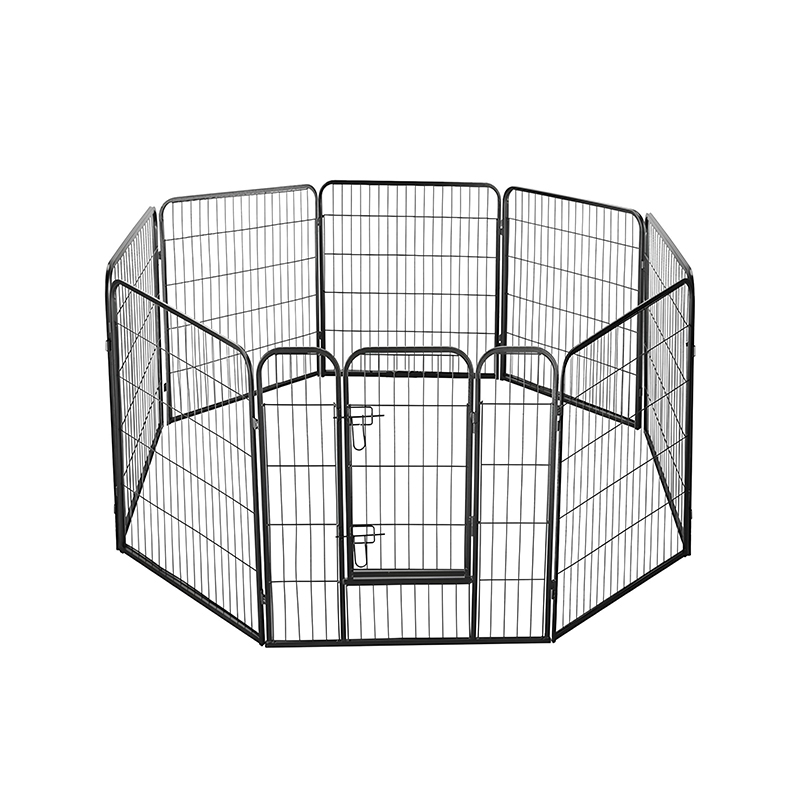
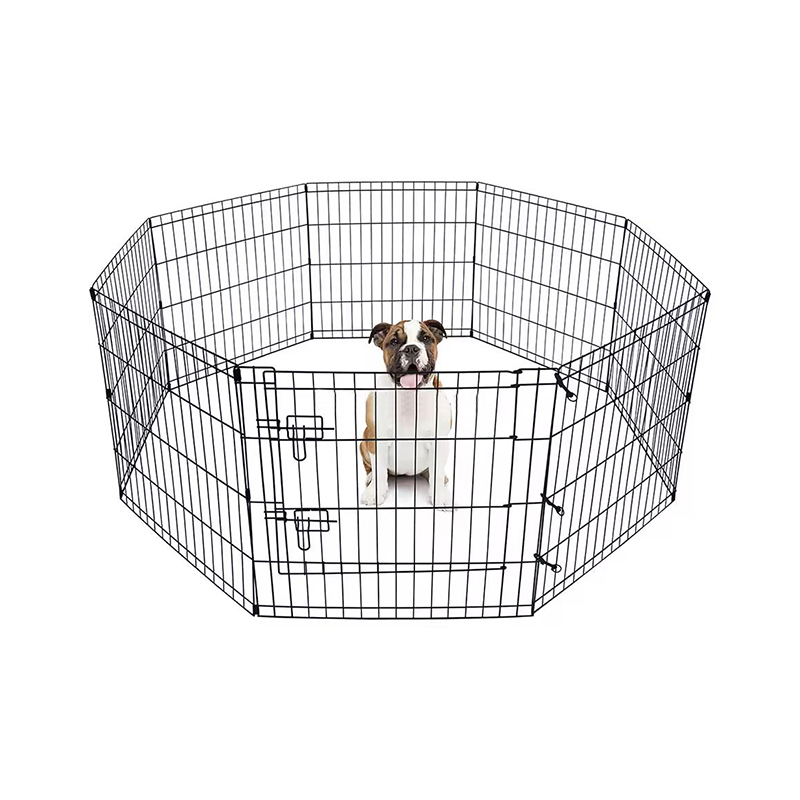
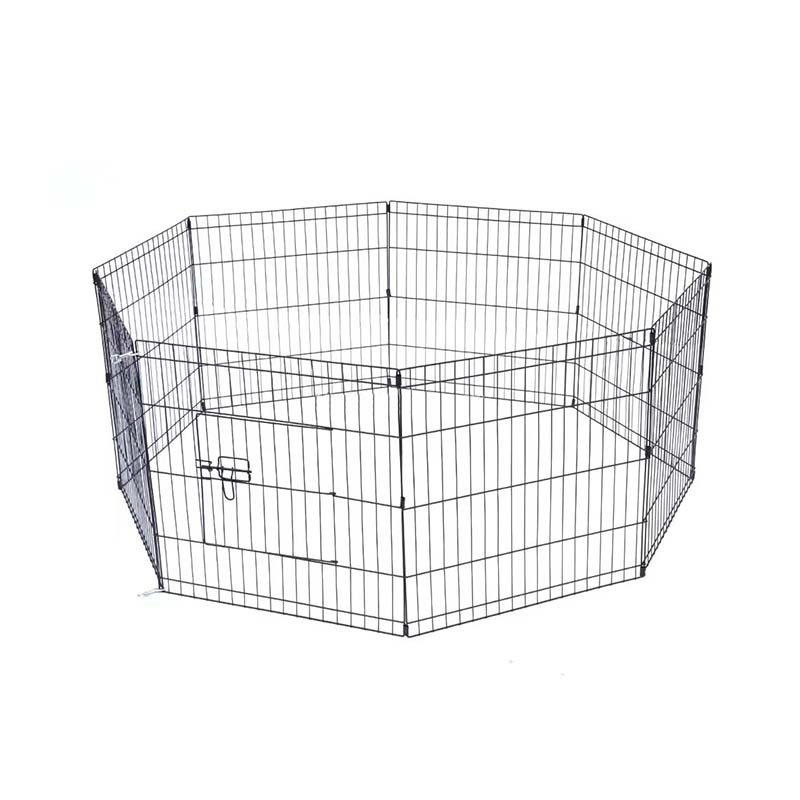
Can I use a pet playpen instead of a cage?
Playpens and cages serve different purposes. A pet playpen offers more space but lacks the “den” security that reduces anxiety. For housebreaking, a cage is superior because dogs instinctively avoid soiling their sleeping area. Playpens are better suited for extended daytime containment where a water bowl and toys are needed.
Industry Standards: What OEM Manufacturing Reveals
With over 15 years of experience in the industry, companies like Fujian Pet Home Co., Ltd. (founded in 2009) have set the benchmark for quality. Their export data to over 20 countries (including Japan, Netherlands, and New Zealand) shows a clear shift toward multifunctional products. Their product line includes over 150 items, from cat litter boxes and rabbit hutches to furniture-style crates.
A key insight from their production lines is that safety certification is non-negotiable. Products exported to the European Union and United States must pass rigorous non-toxic material tests. When selecting a cage, consumers should look for powder-coated finishes (non-toxic) and secure latching mechanisms that prevent accidental escape, which account for 90% of the safety features in modern metal dog cages.
Practical Checklist: Selecting the Optimal Cage
To simplify the decision-making process, use this checklist based on industry standards from professional OEM Pet Cages Suppliers:
- Purpose Match: Is it for travel (airline approved), home training (metal/plastic), or aesthetics (furniture style)?
- Material Safety: Ensure the cage has a non-toxic, powder-coated finish (for metal) or lead-free varnish (for wood).
- Locking Mechanism: Double-door latches are preferred for large dogs; recessed locks are safer for escape-artist breeds.
- Portability: For frequent travelers, a collapsible metal pet cage with a carrying handle is essential.
By following these guidelines—rooted in manufacturing expertise and behavioral science—pet owners can ensure that their cage purchase enhances their pet’s quality of life rather than merely serving as a confinement tool.
Related Products
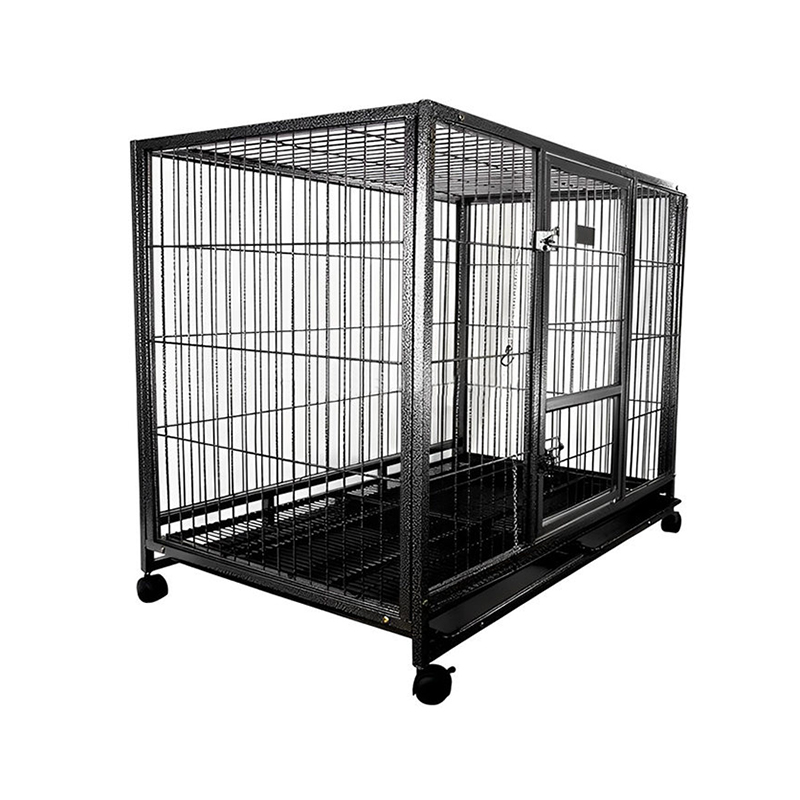
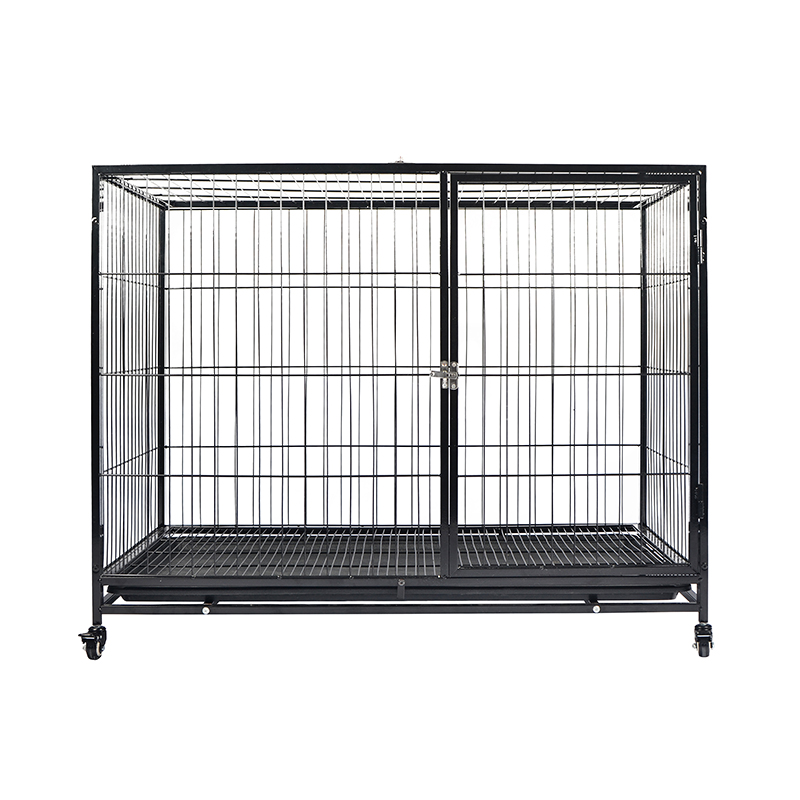
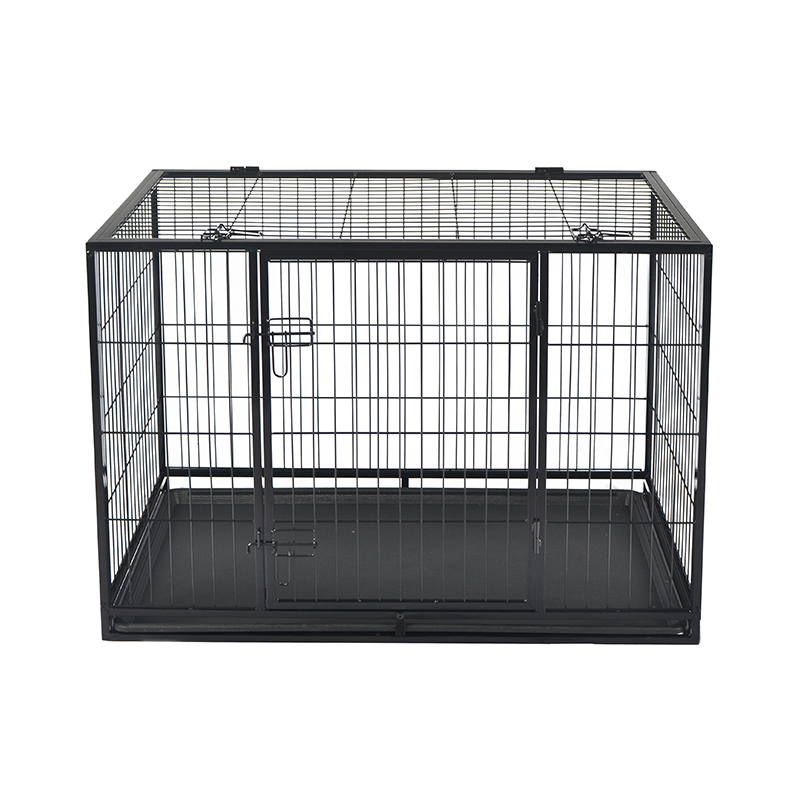
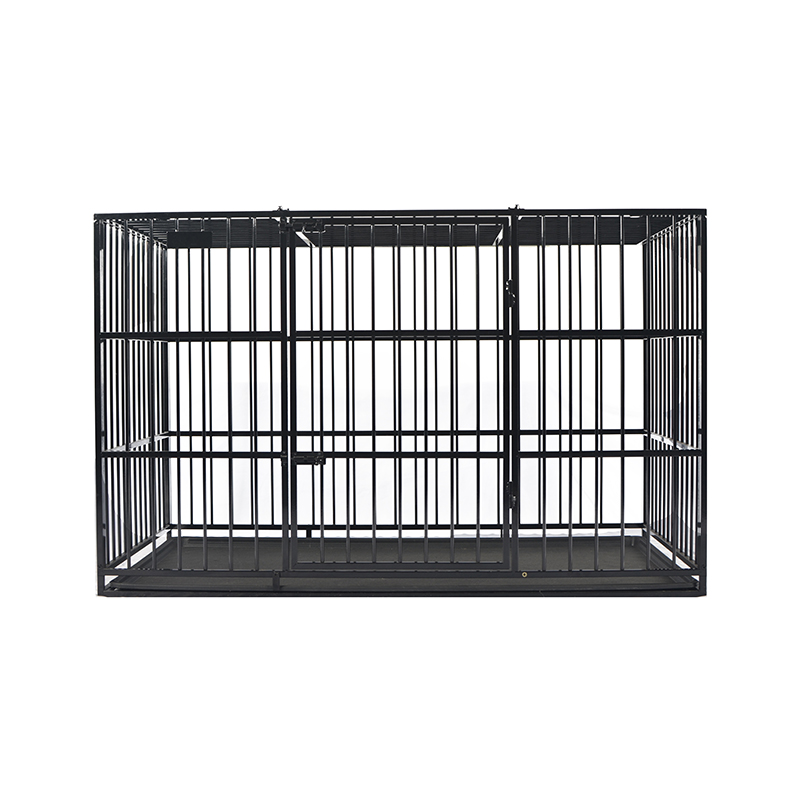
Your pet deserves good, Contact now.
Whether you want to become our partner or need our professional guidance or support in product selections and problem solutions, our experts are always ready to help within 12 hours globally.
 CONTACT US

QUICK LINKS
PRODUCTS
-
Address
- Room 501,Unit 1 ,Buliding 6,Wuyi Guoji Xincheng,No.379,Zhuxi Avenue,Jianyang District,Nanping City, Fujian Province.
- No. 139-6 , Tongyu Middle Road, Nantong, Jiangsu, China
-
Mobile
- +86-13616986006
-
E-mail :

Copyright © 2025 Pet Home (Haian) Co., Ltd All Rights Reserved. Custom Pet Cages Manufacturers OEM/ODM Pet Household Products Factory

