
 EN
EN
 English
 中文简体
中文简体

Animal Cages Guide: Types, Materials & Selection Tips
 2026.08.04
 Industry News
Content
- 1 What Buyers Should Know Before Choosing Animal Cages
- 2 Common Types of Animal Cages and Their Characteristics
- 3 Structural Principles Behind a Well-Built Cage
- 4 Data Visualization: Load-Bearing Capacity by Cage Material
- 5 Data Visualization: Recommended Cage Size Range by Animal Body Weight
- 6 Data Visualization: Feature Distribution Across Cage Configurations
- 7 Data Visualization: Radar Comparison of Cage Configuration Performance
- 8 Indoor Use vs Outdoor Use: Selection Considerations
- 9 Configuration Options at a Glance
- 10 Detailed Comparison of Cage Configurations
- 11 Maintenance Guidance for Long-Term Cage Performance
- 12 Frequently Asked Questions
- 12.1 Q1: What size cage does a medium-sized dog generally need
- 12.2 Q2: Are metal wire cages suitable for outdoor use
- 12.3 Q3: What is the main difference between a soft-sided crate and a wire cage
- 12.4 Q4: Can cage configurations be customized for OEM or ODM production
- 12.5 Q5: How often should a cage be inspected for wear
What Buyers Should Know Before Choosing Animal Cages
The right animal cage is determined first by the species and size of animal it will hold, second by the material and structural strength needed for the intended environment, and third by how easily the unit folds, ships and assembles at the destination. Buyers researching animal cages, sometimes searched as cages animal, are usually comparing metal wire construction, furniture-style crates, soft-sided crates and wooden or wire hutch designs against one another before settling on a configuration. This article works through the common types of animal cages, the structural principles behind a well-built unit, the data points that matter when comparing materials and configurations, and the maintenance steps that extend a cage's working life. Readers looking for a durable, adjustable or multifunction cage supplied by a reliable China manufacturer will find practical, comparison-based guidance below rather than a general overview of the category.
Key takeaway: the correct animal cage is defined by species size, material strength and portability requirements together, not by any single factor in isolation.
Common Types of Animal Cages and Their Characteristics
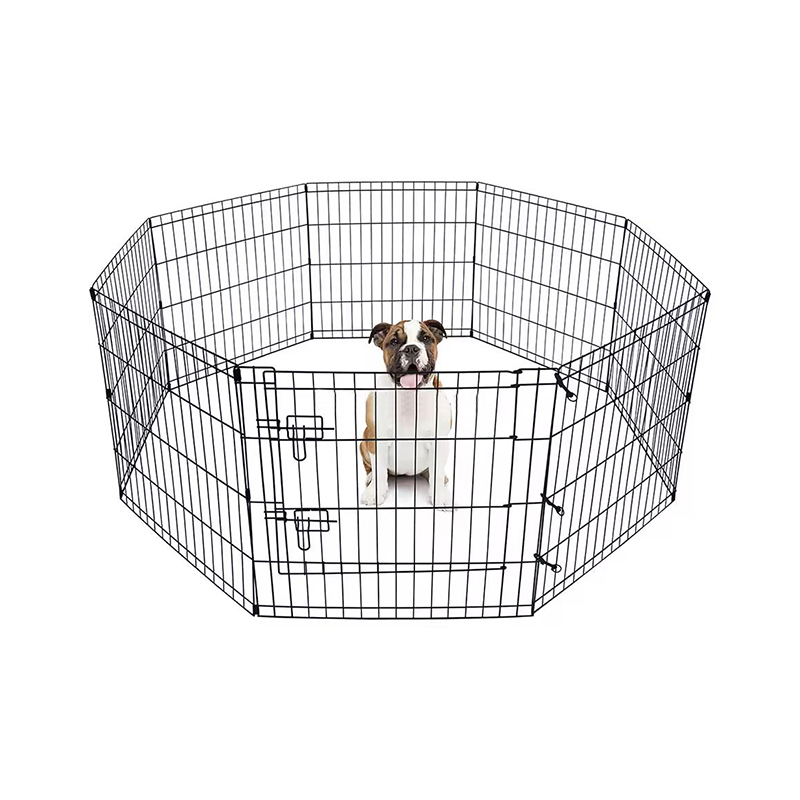
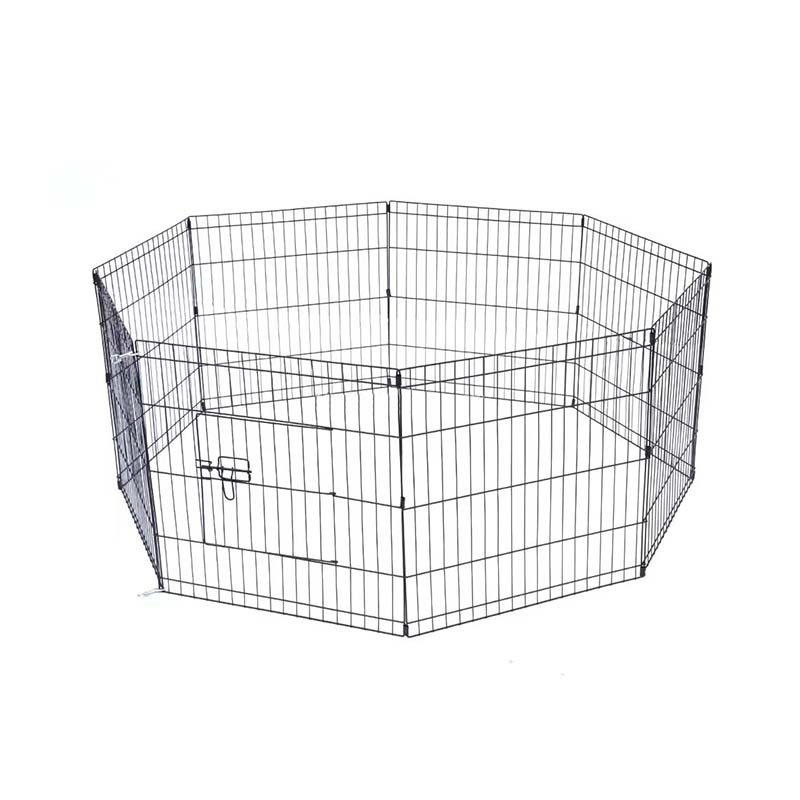
Animal cages fall into a small number of broad construction families, and each family is built around a different balance of ventilation, security, portability and appearance. Metal wire cages remain the most widely used configuration for dogs, cats, rabbits and small pets because welded or woven wire panels provide continuous airflow, full visibility for the animal, and a rigid frame that resists chewing and scratching. Furniture-style pet crates combine a wire or mesh interior with an external wood-look or laminate panel shell, which allows the unit to double as a side table or cabinet in a home setting while still functioning as a secure enclosure. Soft-sided pet crates use a folding steel or aluminum frame wrapped in reinforced fabric, prioritizing light weight and portability for travel, veterinary visits and temporary confinement over long-term structural rigidity. Wooden hutches, typically used for rabbits and small animals kept outdoors, pair a wire mesh enclosure with a solid wood frame and roof for weather protection. Playpens extend the same wire panel principle across a larger footprint without a fixed top, giving an animal more room to move while still containing it within a defined outdoor or indoor area.
Selecting between these families generally comes down to whether the cage needs to travel frequently, remain outdoors through changing weather, or serve as a long-term indoor enclosure that also fits into a home's furniture layout. A professional pet cage manufacturer typically produces several of these families in parallel so that a single wholesale buyer or importer can source a full product range from one supplier rather than coordinating between several factories.
Key takeaway: metal wire cages remain the standard choice for security and airflow, while soft crates and furniture-style crates trade some structural rigidity for portability or home integration.
Structural Principles Behind a Well-Built Cage
A well-engineered animal cage distributes mechanical load across its frame rather than concentrating stress at any single joint, which is why the connection points between panels, the base tray support and the door latch mechanism matter as much as the wire gauge itself. Panels are generally welded or clipped into a surrounding frame so that pushing, scratching or leaning force is transferred into the frame rather than bending the mesh itself. A slide-bolt or spring-loaded latch keeps the door secure against an animal pushing from the inside, while a removable base tray simplifies cleaning without requiring the animal to be removed from the surrounding frame. The isometric diagram below illustrates these components on a typical folding wire dog cage, showing how the wire mesh panel, door latch, base tray and frame hinge relate to one another in three dimensions.
Each of the labeled components in the diagram above performs a specific structural role, and a weakness in any one of them tends to show up as a practical problem during daily use rather than as an obvious defect at the time of purchase. The wire mesh panel needs a wire gauge and spacing that matches the animal's size and strength, since panels made for a small dog will typically flex or bend under the sustained pressure of a much larger animal. The slide-bolt door latch has to resist an animal pushing or pawing at the door from the inside, which is why a simple friction latch is generally considered less secure than a spring-loaded or double-locking mechanism for larger or more active animals. The removable base tray simplifies daily cleaning, and its edges should sit fully inside the surrounding frame so it cannot be pushed out from underneath during normal use. The folding frame hinge is what allows a wire cage to collapse flat for shipping and storage, and the quality of this hinge point has a direct effect on how many fold and unfold cycles the cage can tolerate before the joint loosens. A top carry handle, when included, needs to be anchored into the main frame rather than only into the mesh panel, since the mesh alone is not designed to bear the full weight of the cage during transport. Buyers sourcing from a China factory or China manufacturer for wholesale distribution should confirm how each of these joints is constructed, since these details are what separate a durable, long-service cage from one that loosens after repeated folding. Structural quality in an animal cage is determined by these connection points far more than by the visual thickness of the wire itself, which is why professional buyers request construction details rather than relying on appearance alone. A cage built with these principles in mind tends to hold its shape and security over years of repeated use rather than months. This is also why an experienced pet cage manufacturer maintains dedicated production lines for wire and furniture-style construction, since the joint and hinge engineering differs meaningfully between the two formats.
Key takeaway: the wire gauge, latch mechanism, base tray fit and frame hinge together determine a cage's real-world durability, not any single feature in isolation.
Data Visualization: Load-Bearing Capacity by Cage Material
Load-bearing capacity is one of the clearest ways to compare cage materials because it reflects how much sustained pressure a panel can absorb before it deforms. A cage rated below the working weight of the animal it holds will tend to bow or loosen at the joints well before it fails outright, which shortens its practical service life. Manufacturers typically test wire mesh, powder-coated steel tube, stainless steel and heavy-duty steel tube frames under controlled load conditions to establish a general capacity range for each material. The horizontal bar chart below presents an illustrative comparison of relative load-bearing capacity across these four common cage frame materials. Reading the chart from top to bottom shows a clear progression, with heavy-duty steel tube construction offering the highest general capacity of the group, which is why it is typically reserved for larger dog breeds and outdoor kennel-style enclosures.
Standard wire mesh, shown as the baseline in the chart, remains adequate for the large majority of small to medium pets housed indoors, since the working load in these situations rarely approaches the material's actual limit. Powder-coated steel offers a moderate improvement in structural capacity while also adding a layer of corrosion resistance from the coating itself, which is useful in cages that will be cleaned frequently or used in humid climates. Stainless steel frames move further up the capacity range and additionally resist rust in outdoor or high-moisture environments without needing a separate protective coating, which is why they are often specified for cages intended for long-term outdoor use or for facilities that sanitize equipment regularly. Heavy-duty steel tube construction sits at the top of the chart with the highest general capacity of the group, and this is the typical choice for large dog breeds, working kennels and multi-animal enclosures where sustained mechanical stress is expected on a daily basis. Matching frame material to the expected working load is more important than selecting the strongest available material by default, since an oversized frame adds unnecessary weight and shipping cost without providing a meaningful benefit for a smaller or calmer animal. Buyers sourcing a wholesale order for a specific end market should communicate the target animal size and expected use environment to their supplier so the frame material can be matched appropriately rather than defaulting to the highest-capacity option. A reliable China supplier will generally offer more than one frame material within the same cage family, allowing an importer or wholesaler to select the appropriate tier for each customer segment. This chart is intended as a general engineering reference to guide material selection rather than as a precise laboratory measurement for any individual production batch, and actual capacity will vary based on wire gauge, weld quality and panel spacing. Readers evaluating a new sourcing decision should treat this comparison as a starting point for discussing frame specifications with their manufacturer rather than as a final basis for a purchase order.
Key takeaway: heavy-duty steel tube offers the highest general load capacity, but standard wire mesh remains sufficient and cost-effective for most small to medium indoor pets.
Data Visualization: Recommended Cage Size Range by Animal Body Weight
Cage sizing is one of the most common sourcing questions because a unit that is too small restricts natural movement, while a unit that is oversized for a small animal can reduce the sense of security some pets need. General sizing guidance scales cage floor area and height with the animal's body weight rather than with breed name alone, since body weight is a more consistent predictor of the space an animal actually needs. Reference guidance published by veterinary and animal welfare organizations generally recommends that an animal be able to stand, turn around and lie down fully extended inside its enclosure. The area chart below illustrates how recommended minimum cage floor area tends to scale as animal body weight increases across a general small-to-large pet range. This relationship is not perfectly linear, since very large or giant breeds typically require a disproportionately larger jump in floor area compared with the increase seen between smaller weight brackets.
At the lower end of the chart, small animals in the five kilogram range require comparatively modest floor area, which is why compact wire cages and small soft-sided crates are able to comfortably serve toy and small breed pets without excess unused space. As body weight increases into the medium range, recommended floor area rises at a steady, moderate pace, reflecting the additional room a medium-sized dog or cat needs to turn, stretch and lie down without contacting the enclosure walls. The curve steepens noticeably beyond the medium weight range, showing that large and giant breed animals require a proportionally greater increase in floor area rather than a simple straight-line scaling from the smaller weight brackets. This steepening reflects the fact that larger animals need additional clearance not just for their body length but for the turning radius required to change position comfortably inside the enclosure. Selecting a cage based on breed name alone can be less reliable than sizing to the animal's actual body weight and length, since individual animals within the same breed can vary considerably in size. Buyers developing a product line for multiple animal sizes typically offer a graduated range of cage dimensions rather than a single universal size, which allows end customers to match the enclosure to their specific pet rather than compromising on space. A furniture-style crate or soft-sided crate intended for travel should still meet the same minimum floor area guidance as a standard wire cage of the same animal weight class, since portability should not come at the expense of adequate space. Manufacturers offering an adjustable or multifunction cage design, where panels can be reconfigured to expand the enclosure, provide added flexibility for pet owners whose animals are still growing or whose space needs change over time. This chart reflects general reference guidance rather than a fixed regulatory standard, and actual sizing decisions should also account for the animal's activity level, time spent in the enclosure and individual temperament. Readers sourcing a new product range are encouraged to build in a small size buffer above the illustrated minimum, since a slightly larger enclosure tends to suit a wider range of individual animals within the same weight bracket.
Key takeaway: recommended floor area should scale with body weight, not breed name alone, and the space requirement grows disproportionately for large and giant breed animals.
Data Visualization: Feature Distribution Across Cage Configurations
Different cage configurations are built to emphasize different priorities, and comparing them across several features at once helps explain why a single universal design does not exist across the category. Portability, security, ventilation and storage convenience are four practical dimensions that buyers commonly weigh against one another when choosing between metal wire cages, furniture-style crates, soft-sided crates and wooden hutches. A configuration that scores strongly on portability, such as a soft-sided crate, will generally trade away some of the structural security offered by a welded wire frame. The stacked bar chart below presents an illustrative feature distribution across these four dimensions for each of the four main cage configurations discussed earlier in this article. Reading each stacked bar from bottom to top shows the relative emphasis placed on portability, security, ventilation and storage convenience within that particular configuration.
Metal wire cages show a balanced distribution across all four dimensions in the chart, with a particular emphasis on security and ventilation, which reflects their open mesh construction and rigid welded frame. Furniture-style crates show a somewhat similar balance but shift additional emphasis toward storage convenience and appearance, since the enclosed shell design allows the unit to blend into a home environment while still offering reasonable security for calmer animals. Soft-sided crates show the smallest overall bar height for security in the chart, reflecting their lighter frame construction, but the portability segment at the base of each bar is proportionally larger for this configuration than for any other, which is precisely why soft crates dominate the travel and short-term confinement segment of the market. Wooden hutches show a distinctive profile with strong ventilation and moderate security, but their overall stacked height for portability remains comparatively small, since these units are generally intended for a fixed outdoor or semi-permanent location rather than frequent relocation. No single cage configuration scores highest across all four features simultaneously, which is why a professional pet cage manufacturer typically maintains parallel production lines for wire cages, furniture-style crates and soft-sided crates rather than consolidating around one universal design. Buyers building a multi-category wholesale catalog benefit from offering more than one configuration family, since different end customers weigh portability, security, ventilation and storage differently depending on their living situation and how often the animal travels. A pet owner in an apartment with limited space may prioritize the storage convenience of a furniture-style crate, while a customer who travels frequently with a pet is more likely to prioritize the portability of a soft-sided crate. This chart is intended as a general comparative reference rather than a precise engineering measurement, and the relative emphasis shown for each configuration can vary somewhat between individual product models from the same manufacturer. Readers evaluating a new product line are encouraged to use this comparison as a starting point for deciding which configurations best complement an existing wholesale or OEM catalog.
Key takeaway: each cage configuration is optimized for a different combination of portability, security, ventilation and storage, which is why manufacturers maintain several product families rather than one universal design.
Data Visualization: Radar Comparison of Cage Configuration Performance
A radar chart makes it easier to see the overall shape of a cage configuration's strengths and weaknesses at a single glance, rather than reading through four separate bar segments. The chart below compares metal wire cages, furniture-style crates, soft-sided crates and wooden hutches across durability, portability, ventilation and security using a general qualitative scale. The scoring reflects well established construction principles rather than a laboratory measurement from a specific production batch, and it is intended to help readers visualize relative strengths side by side. Reading around the outline of each shape shows that every configuration trades one property for another, which mirrors the same trend seen in the stacked bar comparison above. This kind of side-by-side comparison is particularly useful for wholesale buyers deciding which configurations to prioritize for a specific export market or customer segment.
Metal wire cages, shown in the outermost dark blue shape, score strongly across durability and security, which lines up directly with their welded frame construction and rigid mesh panels that resist bending or chewing over extended use. Furniture-style crates sit close behind on durability while extending slightly further on the appearance-related benefits not shown directly on this chart, since their enclosed shell adds a layer of protection to the interior mesh while still offering solid security for calmer animals. Soft-sided crates, represented by the smallest shape overall, score lowest on durability and security but noticeably highest on portability, which is exactly the trade-off that makes them the preferred configuration for air travel, car trips and short veterinary visits. Wooden hutches show a distinctive balance weighted toward ventilation and moderate security, reflecting their typical outdoor use case where airflow and weather resistance matter more than the ability to fold flat for shipping. The shape of each polygon, not just its overall size, is what tells a buyer whether a configuration fits a specific use case, since a configuration with a small but well-rounded shape may still be the better choice for an application that does not require maximum scores on every dimension. Wholesale buyers assembling a catalog for a specific export market, such as one with a strong demand for travel-friendly products, would generally prioritize the portability strengths of soft-sided crates even though their durability score is comparatively lower. Conversely, a market with strong demand for permanent home enclosures would likely prioritize metal wire cages or furniture-style crates given their higher durability and security scores. A pet cage factory that produces across all four configuration families is better positioned to serve a diverse international customer base than one that specializes narrowly in a single format. This radar comparison should be read alongside the earlier stacked bar chart, since together they show both the individual feature emphasis and the overall shape of each configuration's strengths at once. As with the earlier charts, the scoring here is a general reference intended to support early-stage product selection rather than to replace direct product testing or a specific technical specification sheet.
Key takeaway: metal wire cages lead on durability and security, soft-sided crates lead on portability, and the right configuration depends on which of these dimensions matters most for the end use case.
Indoor Use vs Outdoor Use: Selection Considerations
Where a cage will actually be used has a direct effect on which configuration and material make the most practical sense, and the table below lays out the considerations for indoor and outdoor placement side by side.
| Indoor Use Furniture-style crates and standard wire cages are generally preferred indoors because their finish integrates with home decor and their footprint fits typical room layouts. Powder-coated steel is usually sufficient indoors since exposure to moisture and temperature swings is limited compared with outdoor placement. Soft-sided crates work well as a secondary indoor option for short-term confinement, naps or crate training in a smaller footprint. |
Outdoor Use Wooden hutches and heavy-duty wire enclosures are the standard choice outdoors, where weather resistance and ventilation matter more than a compact folding profile. Stainless steel or well-coated frames resist rust better under sustained outdoor humidity and rainfall exposure than uncoated wire. A raised base tray or platform helps keep the enclosure floor dry and reduces direct ground contact for the animal. |
Key takeaway: indoor cages can prioritize appearance and footprint, while outdoor enclosures need to prioritize weather resistance, ventilation and moisture protection.
Configuration Options at a Glance
The cards below summarize the four main animal cage configuration families side by side, giving wholesale buyers a quick reference before requesting detailed specification sheets.
Metal Wire Cage
Welded or clipped panels, high ventilation, folds flat, suits dogs, cats and small pets indoors or outdoors. Furniture-Style Crate
Wood-look or laminate shell over a wire interior, doubles as home furniture, suited to indoor apartments and living rooms. Soft-Sided Crate
Folding lightweight frame with fabric panels, portable and adjustable, ideal for travel and short-term confinement. Wooden Hutch
Solid wood frame with wire mesh sides, weather-resistant roof, common for rabbits and outdoor small animals. Pet Playpen
Open-top expandable wire panels, larger footprint, multifunction layout for exercise and containment.
Key takeaway: offering a range of configurations, from wire cages to soft crates and playpens, allows a wholesale catalog to serve indoor, outdoor and travel use cases from a single supplier.
Detailed Comparison of Cage Configurations
| Configuration | Primary Material | Best Suited For | Portability |
|---|---|---|---|
| Metal Wire Cage | Powder-coated or stainless steel | Dogs, cats, rabbits, small pets | Moderate, folds flat |
| Furniture-Style Crate | Wood-look panel with wire interior | Indoor home environments | Low to moderate |
| Soft-Sided Crate | Steel or aluminum frame with fabric | Travel, vet visits, short-term use | High |
| Wooden Hutch | Solid wood with wire mesh sides | Rabbits, outdoor small animals | Low, fixed placement |
| Pet Playpen | Wire panels, expandable layout | Exercise and open containment | Moderate, panel-based |
Key takeaway: the table above provides a quick side-by-side reference for matching a configuration to material, animal type and required portability before requesting a detailed quote.
Maintenance Guidance for Long-Term Cage Performance
Regular maintenance extends the working life of any animal cage regardless of its configuration, and most of the steps involved are simple enough for an end user to perform without special tools. Wire panels and frames benefit from periodic inspection for rust spots, loose welds or bent sections, since catching these issues early prevents them from developing into a larger structural problem. The base tray should be removed and cleaned on a regular schedule, and any coating damage on a powder-coated frame should be addressed promptly to prevent moisture from reaching the bare metal underneath. Door latches and hinge points benefit from occasional light lubrication, particularly on folding cages that are set up and collapsed frequently for travel or storage. Soft-sided crates should have their fabric panels checked for wear at stress points such as the corners and zipper seams, since these areas experience the most repeated mechanical strain during folding and transport. Wooden hutches placed outdoors should be checked seasonally for water damage or splitting, and a weather-resistant sealant reapplied as needed to protect the wood frame from prolonged moisture exposure.
Manufacturers that build cages with maintenance in mind, such as using a removable base tray, a coated or stainless frame and accessible hinge points, generally produce a product with a longer effective service life and fewer warranty-related concerns for the wholesale distributor. Fujian Pet Home Co., Ltd., founded in 2009, has built more than 15 years of experience across metal pet cage, dog cage, pet playpen, soft pet crate and furniture-style pet crate production, and this accumulated manufacturing experience is reflected in the joint and hinge construction details described earlier in this article. The company operates two metal dog cage production lines alongside a dedicated furniture-style pet crate production line, supporting a product range that extends to more than 150 items including cat litter boxes, wooden dog houses, rabbit hutches, chicken coops, cat trees and pet beds. Products from this range are exported to more than 20 countries including the United States, Australia, New Zealand, Japan, Germany and the Netherlands, with more than 50 containers shipped per month to international wholesale and retail partners. Buyers evaluating a new OEM or ODM cage program benefit from working with a factory that already understands these maintenance-related construction details, since a design that is easy to maintain in the field tends to generate fewer returns and higher repeat purchase rates downstream.
Key takeaway: routine inspection of welds, coatings, latches and fabric stress points is a simple, low-cost way to extend the working life of any animal cage configuration.
Frequently Asked Questions
Q1: What size cage does a medium-sized dog generally needA medium-sized dog generally needs a cage that allows it to stand fully upright, turn around freely and lie down fully extended, with floor area scaled to the animal's body weight rather than to breed name alone. |
Q2: Are metal wire cages suitable for outdoor useYes, provided the frame uses a stainless or well-coated finish and the enclosure includes weather protection, metal wire cages can function well outdoors, though a wooden hutch may be preferred for smaller animals in colder climates. |
Q3: What is the main difference between a soft-sided crate and a wire cageA soft-sided crate uses a lightweight folding frame with fabric panels for portability, while a wire cage uses a rigid welded frame with open mesh panels for greater structural security over long-term use. |
Q4: Can cage configurations be customized for OEM or ODM productionYes, dimensions, coating color, panel spacing and packaging can typically be adjusted for OEM or ODM wholesale orders, and an experienced manufacturer can advise on which construction details best fit a specific target market. |
Q5: How often should a cage be inspected for wearCages used daily or exposed to outdoor weather should be inspected on a monthly basis, while cages used occasionally or kept indoors can generally be checked on a seasonal schedule for rust, loose welds or fabric wear. |
Related Products
Your pet deserves good, Contact now.
Whether you want to become our partner or need our professional guidance or support in product selections and problem solutions, our experts are always ready to help within 12 hours globally.
 CONTACT US

QUICK LINKS
PRODUCTS
-
Address
- Room 501,Unit 1 ,Buliding 6,Wuyi Guoji Xincheng,No.379,Zhuxi Avenue,Jianyang District,Nanping City, Fujian Province.
- No. 139-6 , Tongyu Middle Road, Nantong, Jiangsu, China
-
Mobile
- +86-13616986006
-
E-mail :

Copyright © 2025 Pet Home (Haian) Co., Ltd All Rights Reserved. Custom Pet Cages Manufacturers OEM/ODM Pet Household Products Factory

