
 EN
EN
 English
 中文简体
中文简体

How to Choose the Right Pet Cage for Your Animal
 2026.07.29
 Industry News
Content
- 1 Understanding Pet Cages and Household Products for Every Animal Type
- 2 Metal Dog Cage and Foldable Metal Dog Playpen Construction Basics
- 3 Wood Furniture Style Dog Cage, Dog Bed, and Wooden Dog House Options
- 4 Pet Grooming Table as a Functional Companion Product
- 5 Cat Cage and Activity Structures: Metal, Wheeled, and Furniture Style Designs
- 6 Steel Wooden Bird Cage, Parrot Cage, and Big Bird Cage Considerations
- 7 Small Animal Cages, Metal Playpens, and Wooden Small Animal Houses
- 8 About Fujian Pet Home Co., Ltd.
- 9 Frequently Asked Questions About Pet Cages and Household Products
- 9.1 Q1: What is the difference between a metal dog cage and a foldable metal dog playpen
- 9.2 Q2: Are furniture style dog and cat cages as sturdy as metal cages
- 9.3 Q3: What bar spacing is appropriate for a parrot cage compared to a small bird cage
- 9.4 Q4: Why do small animal cages use different flooring than dog or cat cages
- 9.5 Q5: Can a metal cat cage with wheels be moved between rooms easily
- 9.6 Q6: Is a wooden dog house suitable for outdoor use in all climates
Understanding Pet Cages and Household Products for Every Animal Type
Choosing the right enclosure starts with matching the structure to the animal living inside it, not the other way around. Pet cages and household products fall into several broad families, and each family solves a different problem in daily pet care. Dog housing and rest supplies focus on containment, sleeping comfort, and travel readiness. Cat cage and activity structures supplies emphasize vertical space, climbing, and visual stimulation. Bird cages prioritize bar spacing, wing room, and perch placement, while small animal habitats and enclosures need to balance ventilation with escape prevention for creatures that can squeeze through narrow gaps.
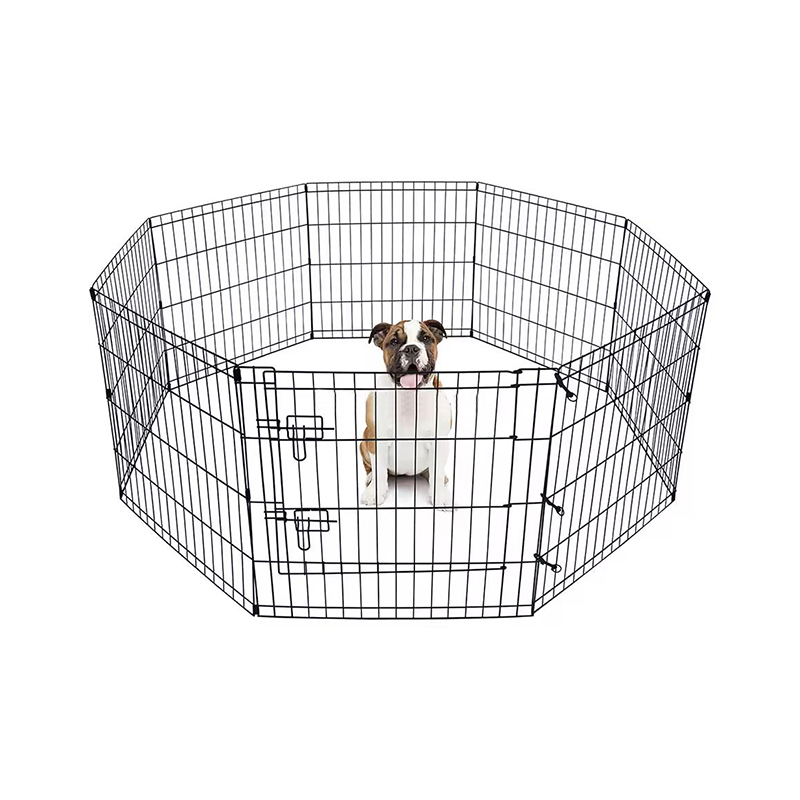
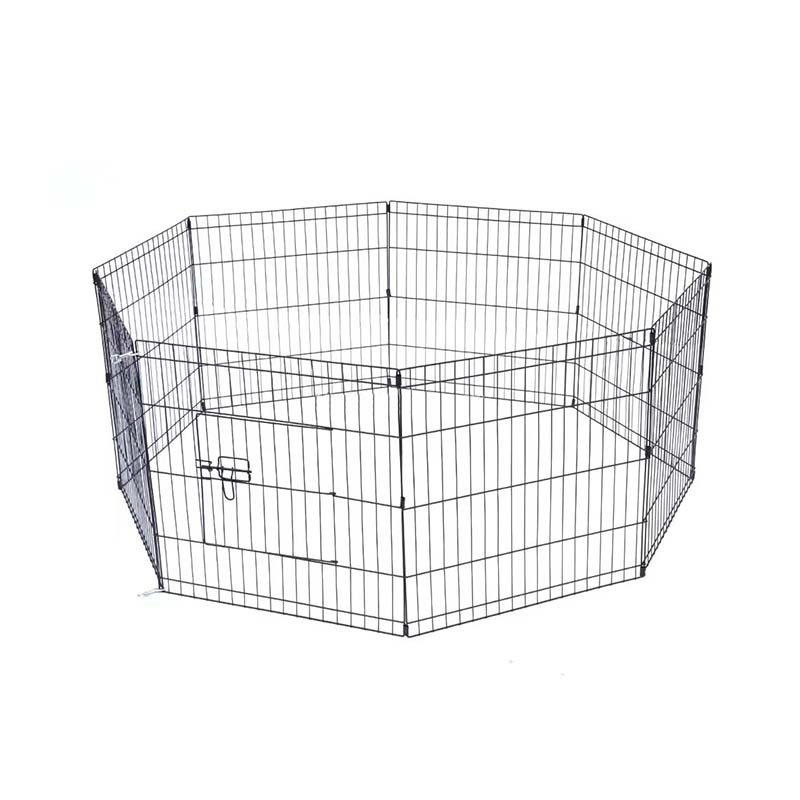
A metal dog cage remains the most common entry point for new pet owners because it offers a predictable, washable, and durable frame. A foldable metal dog playpen extends that same logic into flexible spaces, letting an owner set up a temporary boundary in a living room, garden, or event venue. On the other end of the spectrum, a wood furniture style dog cage is designed to blend into home decor rather than announce itself as a cage at all. Understanding these distinctions early prevents buyers from purchasing a product that solves the wrong problem, such as choosing a decorative wooden cage for a dog that needs heavy duty containment.
Small animal cages deserve particular attention because they are frequently underestimated. Rabbits, guinea pigs, hamsters, and ferrets each have different bar spacing and floor requirements, and a single generic small animal cage rarely fits every species well. Throughout this article, we will walk through dog housing, cat structures, bird cages, and small animal habitats and enclosures in turn, using structural comparisons and general industry patterns rather than promotional claims. The goal is to give buyers, distributors, and wholesalers a practical framework for evaluating pet household products before placing an order.
Metal Dog Cage and Foldable Metal Dog Playpen Construction Basics
A metal dog cage is typically built from welded or bolted wire panels, and the thickness of that wire is the single biggest factor separating a light travel crate from a big dog cage rated for heavy duty use. Buyers evaluating a foldable metal dog playpen should pay close attention to panel gauge, joint reinforcement, and floor tray material before comparing coating finishes. Wire gauge, panel height, and locking mechanism design determine whether a cage is suitable for a small breed or a large, high energy dog. Below is a general overview of how wire gauge tends to scale across common dog cage categories, based on widely used manufacturing conventions in the pet housing industry. This is presented as an illustrative pattern rather than a claim about any single product line.
The chart above illustrates a general relationship rather than a fixed rule. Foldable metal dog playpens tend to use thinner wire because their purpose is portability and temporary containment, not resistance against sustained pressure. Standard metal dog cages sit in the middle of the range, balancing weight with enough rigidity for daily crate training and travel. Heavy duty big dog cages are built for larger or more powerful breeds, so the wire gauge increases along with panel height and the number of horizontal support bars. This scaling pattern is common across the pet housing manufacturing sector and reflects basic engineering logic: thicker wire resists bending under repeated pressure from a larger animal.
It is worth noting that gauge alone does not determine cage quality. Weld point density, corner reinforcement, and the quality of the powder coating finish all contribute to long term durability. A cage with thick wire but weak weld points can still fail under stress, while a well engineered cage with moderate gauge but dense reinforcement can outperform expectations. Buyers sourcing a big dog cage or heavy duty dog cage for wholesale distribution should request specification sheets that cover all of these factors together, not gauge in isolation. Floor tray material also matters, since a removable plastic or metal tray simplifies cleaning and extends the usable life of the entire unit. Locking mechanisms deserve equal attention, particularly for households with dogs that learn to manipulate simple latches over time.
Wood Furniture Style Dog Cage, Dog Bed, and Wooden Dog House Options
A wood furniture style dog cage takes a different approach from metal construction by prioritizing appearance alongside function. These units are designed to double as end tables, credenzas, or accent furniture while still containing a dog safely. Alongside furniture style cages, a wooden dog bed or a general dog bed serves the simpler purpose of providing a dedicated rest space without full enclosure. A wooden dog house extends this idea outdoors, giving a dog weather protected shelter with a more natural aesthetic than a plastic alternative. The following overview describes a representative material composition for furniture style wooden pet housing, again as an illustrative pattern rather than an exact specification.
This composition pattern reflects why furniture style dog cages are heavier and generally more stationary than folding metal playpens. The solid wood panel component provides the visual warmth that makes these units acceptable in a living room or bedroom, while the metal mesh section preserves ventilation and visibility so the dog does not feel isolated. The hardware and finish portion, though smaller by weight, has an outsized effect on longevity, since hinge quality and coating durability determine how well the piece resists scratching and moisture over years of use. Owners furnishing a shared living space often prefer this style precisely because it removes the visual clutter of a traditional wire cage.
Wooden dog houses extend the same material logic to outdoor use, though the proportions shift toward weather resistant treatment rather than decorative finish. A wooden dog house intended for outdoor placement should use treated or naturally resistant wood species, elevated flooring to avoid ground moisture, and a sloped or overlapping roof design to shed rain effectively. Dog beds, whether wooden framed or soft sided, complement both metal cages and wooden houses by giving the animal a defined rest zone inside a larger enclosure. For distributors sourcing multiple product lines, pairing a wooden dog house with a matching dog bed is a common bundling strategy that increases average order value without requiring additional manufacturing complexity.
Pet Grooming Table as a Functional Companion Product
A pet grooming table is not an enclosure, but it belongs in the same household product category because it supports the same daily care routine that dog cages and beds serve. A stable, non slip grooming table surface reduces strain on the animal during brushing, trimming, or bathing preparation, and it gives groomers a consistent working height. Distributors who already carry metal dog cages or wooden dog houses often find that adding a pet grooming table to their catalog complements existing customer relationships, since grooming, containment, and rest are three connected parts of everyday pet management. Foldable grooming tables in particular pair naturally with foldable metal dog playpens for mobile groomers or seasonal pet events.
Cat Cage and Activity Structures: Metal, Wheeled, and Furniture Style Designs
Cat cage and activity structures supplies differ from dog products in one key way: cats need vertical territory as much as floor space. A metal cat cage with wheels solves the practical problem of relocating a large enclosure between rooms without lifting it, which matters for multi level cages that can become heavy once fully assembled. Cat tree and cat tower structures address the vertical need directly, giving cats climbing platforms, scratching posts, and elevated resting perches. Furniture style cat cages apply the same decor focused logic seen in wood furniture style dog cages, disguising a functional enclosure as a bookshelf or cabinet style piece. The radar comparison below outlines how these three cat housing formats differ across five practical attributes, using a simple one to five qualitative scale.
The comparison illustrates a consistent trade off across cat housing formats. A metal cat cage with wheels scores strongly on portability and ease of cleaning because the wire construction and caster wheels allow quick relocation and simple wipe down maintenance, but it does not integrate visually into a living space the way a furniture style cage does. Furniture style cat cages reverse that trade off, scoring higher on aesthetic fit since they are built to resemble cabinets or shelving units, while sacrificing some portability due to added weight from wood paneling. Ventilation tends to favor metal construction because open wire panels allow more consistent airflow than partially enclosed wooden panels, though well designed furniture style units compensate with strategically placed mesh sections.
Cat towers and cat trees sit somewhat outside this direct comparison because they are typically open structures rather than enclosed cages, but they remain closely related products in the same activity structures category. A tall cat tower with multiple platforms satisfies a cat's instinct to observe its environment from height, and pairing a cat tower with either a metal or furniture style cage gives a household a complete solution for containment, rest, and enrichment. Wood cat beds and general pet beds serve the same supporting role for cats that dog beds serve for dogs, offering a soft, defined resting zone that can sit inside a larger enclosure or stand alone in a favorite corner of the home. A wooden cat house, similarly, functions as an outdoor or semi outdoor shelter option for households that allow supervised outdoor time.
Steel Wooden Bird Cage, Parrot Cage, and Big Bird Cage Considerations
Bird cages introduce a different engineering priority than dog or cat enclosures: bar spacing must match the species precisely, since birds can injure themselves attempting to squeeze through gaps that are too wide, or feel cramped in gaps that are too narrow for their wingspan. A steel wooden bird cage combines a metal wire structure with a wooden base or frame, giving the unit visual warmth similar to furniture style cat and dog products while keeping the functional bar structure that birds require. A parrot cage generally needs wider spacing and taller vertical clearance than a cage designed for smaller finches or canaries, reflecting the larger body size and stronger beak strength of parrot species. A big bird cage extends these requirements further, often incorporating multiple perch levels and a larger footprint to support flight within the enclosure. The seasonal pattern below reflects a commonly observed general trend in household bird housing interest across categories.
This pattern reflects a general seasonal rhythm rather than any specific sales data, and it is consistent with broader household pet care behavior. Interest in bird housing products tends to rise through early spring as households spend more time on home improvement and pet setup projects after winter, then peaks around late spring when new bird owners are most active. Summer often brings a modest plateau as attention shifts toward outdoor activities generally, before a secondary increase in fall as households prepare indoor pet spaces ahead of colder weather. This kind of seasonal awareness helps distributors plan inventory timing for steel wooden bird cages, parrot cages, and big bird cages so that stock levels align with realistic demand cycles rather than remaining static year round.
Beyond seasonal timing, bar spacing and material choice remain the most important technical factors for bird cage selection. A steel wire structure resists a bird's beak far better than most alternative materials, which is why steel remains the standard for the functional cage body even when a wooden frame is used for the base or roof structure. Perch placement should avoid direct alignment above food and water containers to reduce contamination, and cage floor design should include a removable grate or tray to simplify daily cleaning. For larger parrot species, horizontal bar orientation on at least one side of the cage supports natural climbing behavior, which is a detail that smaller finch cages do not need to the same degree. These structural details matter more for bird welfare than decorative finish, even though a steel wooden bird cage can achieve both functional safety and a more natural household appearance at the same time.
Small Animal Cages, Metal Playpens, and Wooden Small Animal Houses
Small animal cages cover a wide range of species, including rabbits, guinea pigs, hamsters, and ferrets, and this category is where bar spacing and floor design become especially critical. A metal small animal cage needs tighter bar spacing than a comparable dog cage because small rodents and rabbits can escape through gaps that would safely contain a larger animal. A small animal metal playpen extends the same tight spacing logic into a flexible, expandable format, allowing owners to create supervised exercise space on a floor or lawn without permanent installation. A wooden small animal house, meanwhile, gives these smaller pets a den like retreat that can sit inside a larger cage or playpen, satisfying the natural instinct many small animals have to hide when resting.
Floor material is a particularly important consideration for small animal habitats and enclosures, since wire mesh flooring that works well for larger animals can cause foot injuries in smaller, lighter species. Many small animal cages therefore use a solid or coated floor panel with wire only on the vertical walls, or include a solid resting platform inside a wire framed enclosure. Ventilation still matters, but it must be balanced against draft protection, since small animals are more sensitive to temperature fluctuations than larger pets. For distributors and wholesalers sourcing small animal cages, requesting confirmation of bar spacing, floor material, and door latch security is a practical due diligence step, since these three factors determine whether a cage is appropriate for the target species rather than simply appropriate for its general size category.
| Category | Primary Material | Typical Setting | Mobility |
|---|---|---|---|
| Metal Dog Cage | Welded Wire | Indoor and Travel | Moderate |
| Wood Furniture Style Cage | Solid Wood, Mesh Panel | Living Room, Bedroom | Low |
| Metal Cat Cage With Wheels | Welded Wire, Caster Wheels | Multi Room Indoor | High |
| Steel Wooden Bird Cage | Steel Wire, Wood Frame | Indoor Stationary | Low |
| Small Animal Cage | Fine Wire, Solid Floor Panel | Indoor, Supervised Outdoor | Moderate |
About Fujian Pet Home Co., Ltd.
Fujian Pet Home Co., Ltd. was founded in 2009 as an integrated industry and trade company with professional design and production capability for export pet cages. With more than fifteen years of experience in pet cage production and sales, the company manufactures metal pet cages, dog cages, pet playpens, soft pet crates, furniture style pet crates, cat litter boxes, wooden dog houses, rabbit hutches, chicken coops, cat trees, pet beds, and more than one hundred fifty additional products. Fujian Pet Home operates two metal dog cage production lines and one furniture style pet crate production line, supporting an export volume of more than fifty containers per month.
Products from Fujian Pet Home are exported to more than twenty countries and regions, including the United States, Australia, New Zealand, Japan, Germany, the Netherlands, France, Switzerland, Norway, Denmark, Poland, Belgium, the Philippines, Mexico, Greece, Taiwan, and Hong Kong. As a professional pet cage manufacturer and pet household products factory, the company maintains a dedicated design and sales team focused on quality control across every product line, from foldable metal dog playpens to steel wooden bird cages and small animal habitats. This combination of manufacturing scale and design specialization allows Fujian Pet Home to support wholesale and distribution partners seeking consistent, well engineered pet housing products.
Frequently Asked Questions About Pet Cages and Household Products
Q1: What is the difference between a metal dog cage and a foldable metal dog playpenA metal dog cage is typically a fixed, fully enclosed structure with a door, while a foldable metal dog playpen is an open top, expandable barrier used for temporary containment in a wider open area. |
Q2: Are furniture style dog and cat cages as sturdy as metal cagesFurniture style cages can offer comparable structural integrity when built with dense wood panels and reinforced hardware, though they generally prioritize interior aesthetics alongside functional containment. |
Q3: What bar spacing is appropriate for a parrot cage compared to a small bird cageParrot cages generally require wider bar spacing to match the larger body size and beak strength of parrot species, while small bird cages use tighter spacing to prevent smaller birds from squeezing through the gaps. |
Q4: Why do small animal cages use different flooring than dog or cat cagesSmall animals have lighter body weight and more delicate feet, so many small animal cages use solid or coated floor panels instead of open wire mesh to prevent foot injury. |
Q5: Can a metal cat cage with wheels be moved between rooms easilyYes, caster wheels are specifically added to metal cat cages to allow relocation between rooms without lifting or disassembling the structure, which is useful for multi level enclosures. |
Q6: Is a wooden dog house suitable for outdoor use in all climatesA wooden dog house can work outdoors when built with treated or naturally resistant wood, elevated flooring, and a sloped roof, though local climate conditions should always guide final placement decisions. |
Related Products
Your pet deserves good, Contact now.
Whether you want to become our partner or need our professional guidance or support in product selections and problem solutions, our experts are always ready to help within 12 hours globally.
 CONTACT US

QUICK LINKS
PRODUCTS
-
Address
- Room 501,Unit 1 ,Buliding 6,Wuyi Guoji Xincheng,No.379,Zhuxi Avenue,Jianyang District,Nanping City, Fujian Province.
- No. 139-6 , Tongyu Middle Road, Nantong, Jiangsu, China
-
Mobile
- +86-13616986006
-
E-mail :

Copyright © 2025 Pet Home (Haian) Co., Ltd All Rights Reserved. Custom Pet Cages Manufacturers OEM/ODM Pet Household Products Factory

