
 EN
EN
 English
 中文简体
中文简体

How to Choose Pet Cages and Household Products for Every Pet
 2026.07.22
 Industry News
Content
- 1 Understanding Pet Cages and Household Products Across Animal Types
- 2 Metal Dog Cage, Foldable Metal Dog Playpen, and Heavy Duty Dog Cage Solutions
- 3 Wood Furniture Style Dog Cage, Wooden Dog House, and Dog Bed Comfort
- 4 Cat Cage and Activity Structures: Furniture Style Cat Cage, Metal Cat Cage With Wheels, and Cat Tree Towers
- 5 Bird Cage Guide: Steel Wooden Bird Cage, Parrot Cage, and Big Bird Cage Selection
- 6 Small Animal Habitats and Enclosures: Cages for Small Animals and Wooden Small Animal House Options
- 7 Demand Growth Across Dog, Cat, Bird, and Small Animal Housing Categories
- 8 Long Term Market Trend for Pet Cages and Household Products
- 9 Material Standards and Safety Design: Steel Grades, Galvanization, and Ventilation
- 10 Pet Grooming Table and Supporting Household Accessories
- 11 How to Evaluate a Pet Cage Manufacturer and Wholesale Supplier
- 12 Frequently Asked Questions
- 12.1 Q1: What is the main difference between a metal dog cage and a wood furniture style dog cage?
- 12.2 Q2: Are cages for small animals suitable for rabbits and chinchillas specifically?
- 12.3 Q3: What should buyers check regarding bar spacing on a bird cage?
- 12.4 Q4: Can a pet cage manufacturer support custom sizing or private label packaging for wholesale orders?
- 12.5 Q5: How is ventilation typically achieved in a metal small animal cage?
- 12.6 Q6: What materials are commonly used for cat trees and cat towers?
The right pet cage or household enclosure comes down to three practical factors: the species and size of the animal, where the enclosure will be used indoors, outdoors, or both, and the balance between structural durability and everyday practicality such as cleaning access and portability. Metal enclosures generally offer stronger containment and easier sanitation, while wood furniture style cages blend into home interiors and suit calmer animals that are not heavy chewers. For dogs, a foldable metal dog playpen or a heavy duty dog cage tends to work well for training, travel, and multi pet households, while a wood furniture style dog cage or a wooden dog house is often chosen as a permanent resting spot in a living room or garden. Cats commonly do well in a furniture style cat cage or with a dedicated cat tree that supports natural climbing behavior, while birds need cage designs, from a parrot cage to a large steel wooden bird cage, that account for wingspan and bar spacing. Small animals such as rabbits, guinea pigs, and chinchillas need cages for small animals that combine secure wire spacing with rounded, injury free corners and strong ventilation. The sections below walk through each animal category in detail, compare materials and structures, and include data on how the wider pet housing sector has been developing.
Understanding Pet Cages and Household Products Across Animal Types
Pet cages and household products form one of the most practical categories within the wider pet care industry, because the enclosure directly shapes how safely and comfortably an animal lives from day to day. Buyers sourcing for retail stores, e-commerce catalogs, or veterinary and grooming facilities typically organize this category into four broad groups: dog housing and rest supplies, cat cage and activity structures supplies, bird cage products, and small animal habitats and enclosures. Each group has its own material logic, its own regulatory and welfare considerations, and its own typical buyer, ranging from big box pet retailers to specialty boutiques and online marketplaces. A wholesale buyer or private label distributor generally starts by matching the animal type to a base material, either galvanized or painted steel wire, engineered or solid wood, or a combination of the two, and then narrows the choice by application, such as indoor living furniture, outdoor shelter, travel, or professional grooming use.
Within each group there is also a secondary decision about form factor. A dog buyer, for example, may be choosing between a foldable metal dog playpen for temporary containment, a heavy duty dog cage or big dog cage for a large breed, or a wood furniture style dog cage that functions as a side table when closed. A cat buyer may weigh a metal cat cage with wheels against a furniture style cat cage or a freestanding cat tree. The table below summarizes how these four categories typically break down by product type, primary material, and best suited environment, which is a useful starting point before reading the detailed sections that follow.
| Category | Typical Products | Primary Material | Best Suited Environment |
|---|---|---|---|
| Dog Housing & Rest Supplies | Metal dog cage, foldable metal dog playpen, wood furniture style dog cage, wooden dog house, dog bed | Steel wire, solid or engineered wood | Indoor living space, outdoor yard |
| Cat Cage & Activity Structures | Furniture style cat cage, metal cat cage with wheels, cat tree, cat tower, wood cat bed, wooden cat house | Steel wire, wood, sisal covered posts | Indoor living space |
| Bird Cage | Steel wooden bird cage, parrot cage, big bird cage | Steel wire with wood frame accents | Indoor, sheltered outdoor area |
| Small Animal Habitats & Enclosures | Metal small animal cage, small animal metal playpen, wooden small animal house, cages for small animals | Galvanized or sprayed Q195 / Q235 steel | Indoor, semi outdoor |
Before moving into each category individually, it helps to see how these four segments typically sit relative to one another within a diversified pet housing catalog. A manufacturer or distributor that carries dog housing, cat structures, bird cages, and small animal enclosures side by side usually finds that dog products make up the largest single share of a general household product catalog, followed by cat, bird, and small animal lines. This kind of catalog composition is a useful planning reference for retailers deciding how to allocate shelf space or online category pages, and it also helps explain why manufacturers with more than one hundred product variations tend to organize their factories around parallel production lines rather than a single generic line. The chart below is an illustrative representation of this typical catalog composition rather than a claim about any single company's exact sales mix, and it is meant to give buyers a quick visual sense of how these four categories usually relate to each other in a broad pet cage and household products range. It is followed by a longer explanation of what the segments represent and how they connect to the sections that follow.
The donut chart above splits a typical pet cage and household products catalog into the same four segments introduced earlier, so that the largest ring section corresponds to dog housing and rest supplies at roughly one third of a general catalog. Cat cage and activity structures make up the second largest share, reflecting how widely furniture style cat cages, cat trees, and wood cat beds are stocked alongside dog products in most pet specialty and household goods retail settings. Bird cage products form a smaller but consistent share, since parrot cages and steel wooden bird cages serve a narrower customer base compared to dog and cat owners, though this segment tends to include higher unit value items such as big bird cages. Small animal habitats and enclosures, including cages for small animals such as rabbits and chinchillas, represent the smallest slice in this illustration, but this category has been described in several industry reports as one of the faster growing segments relative to its size, partly because small pet ownership has been rising in urban households with limited living space. Reading the chart from the center outward, the ring itself is intentionally left open in the middle, which is a common donut style layout chosen because it leaves room for a label and reduces the visual weight compared with a solid pie chart, making the segment comparisons easier to scan at a glance. Each colored arc length is proportional to its share of the whole, so the dog segment arc is visibly close to double the length of the small animal segment arc, which is a quick way to compare relative catalog weight without needing to read the percentage labels first. For a wholesale buyer building a private label range, this kind of segment view is often used as a starting allocation before adjusting up or down based on regional pet ownership patterns, since dog and cat products usually anchor a catalog while bird and small animal lines round it out and attract a different customer segment. It is worth remembering that this illustration reflects a common industry pattern in diversified pet housing catalogs rather than an exact market share claim about any single supplier, retailer, or region, and actual proportions will vary by market and by season. Manufacturers that maintain separate production lines for metal dog cages, furniture style wood cages, and small animal enclosures are generally better positioned to keep all four segments in stock simultaneously, which matters for retailers who prefer to consolidate orders with a single supplier rather than splitting purchase orders across several factories. The next sections walk through each of these four segments individually, starting with metal dog cage and playpen options, before moving into wood furniture style products, cat structures, bird cages, and small animal enclosures in turn.
Metal Dog Cage, Foldable Metal Dog Playpen, and Heavy Duty Dog Cage Solutions
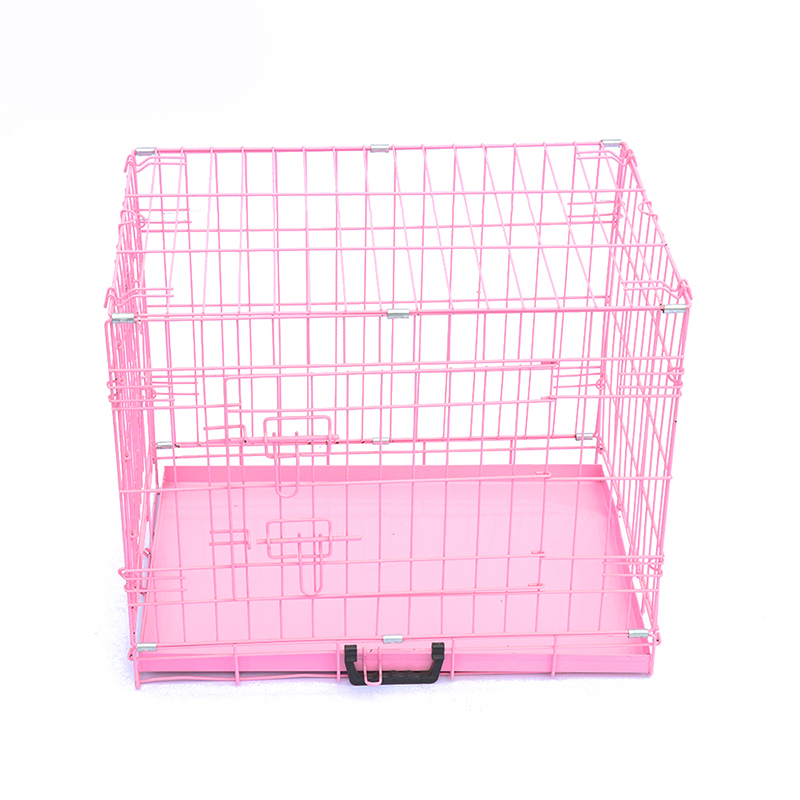
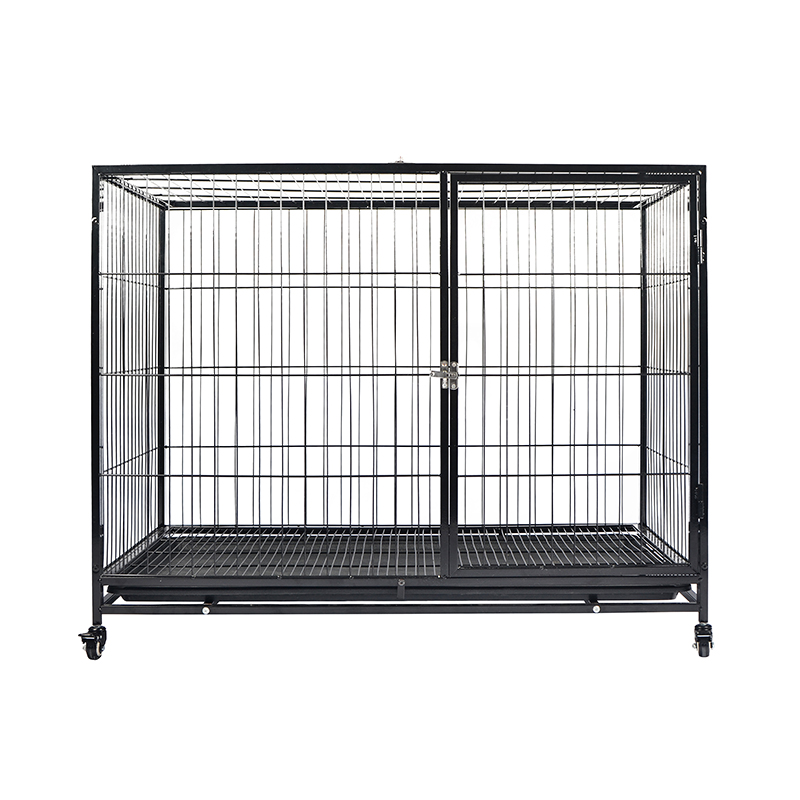
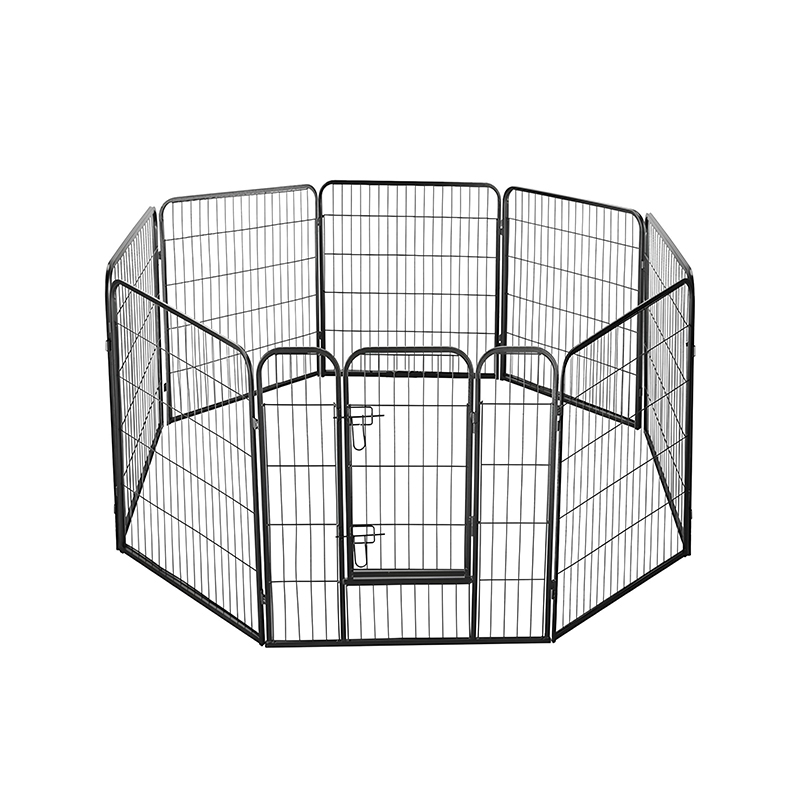
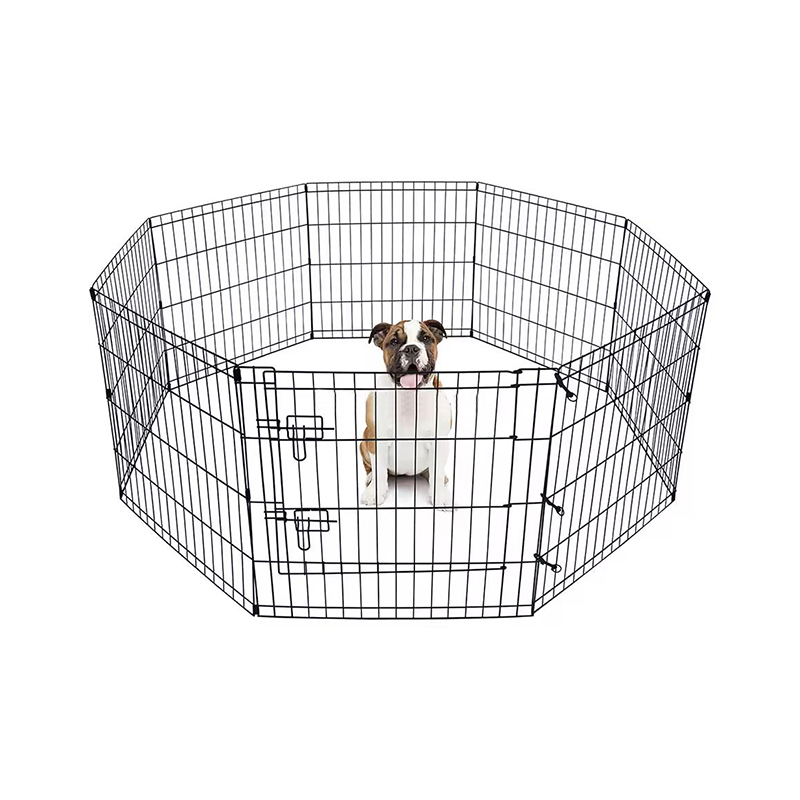
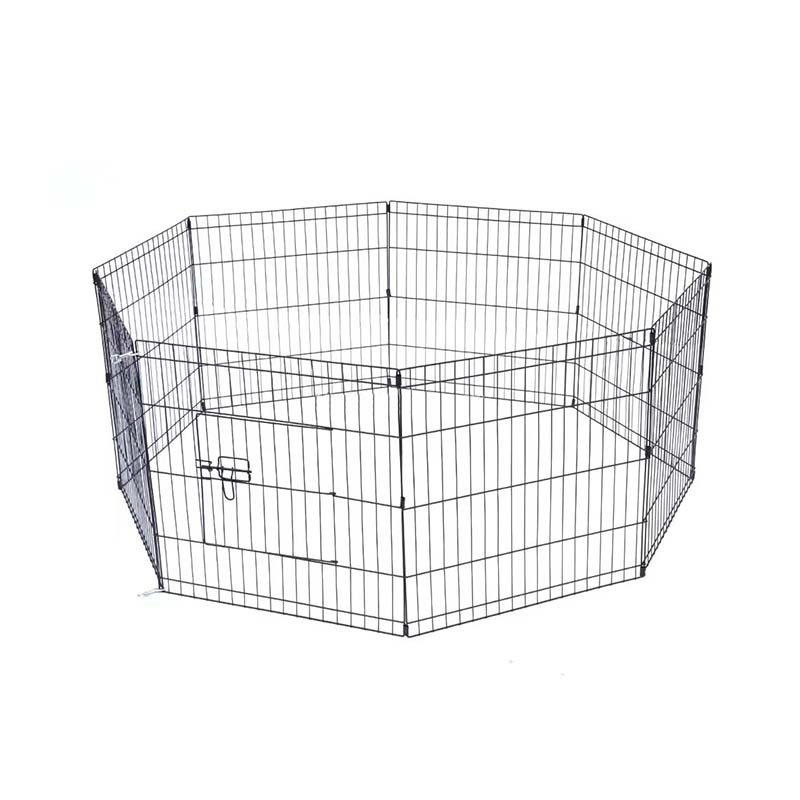
A metal dog cage remains one of the most requested items within dog housing and rest supplies because it offers a straightforward combination of visibility, ventilation, and ease of cleaning that owners and boarding facilities both rely on. Standard metal dog cages are built from welded wire panels, usually finished with an electrostatic spray coating or a galvanized layer to resist rust and scratching from claws over repeated use. Wire gauge and spacing are two of the most important specifications buyers should confirm, since thinner wire or wider spacing may be acceptable for small breeds but is generally unsuitable for larger or more active dogs. A foldable metal dog playpen extends this same wire panel logic into a modular format, where individual panels connect with hinges or clips so the enclosure can be reshaped, expanded, or folded flat for storage and shipping, which is a major reason this format is popular with both households and traveling pet owners.
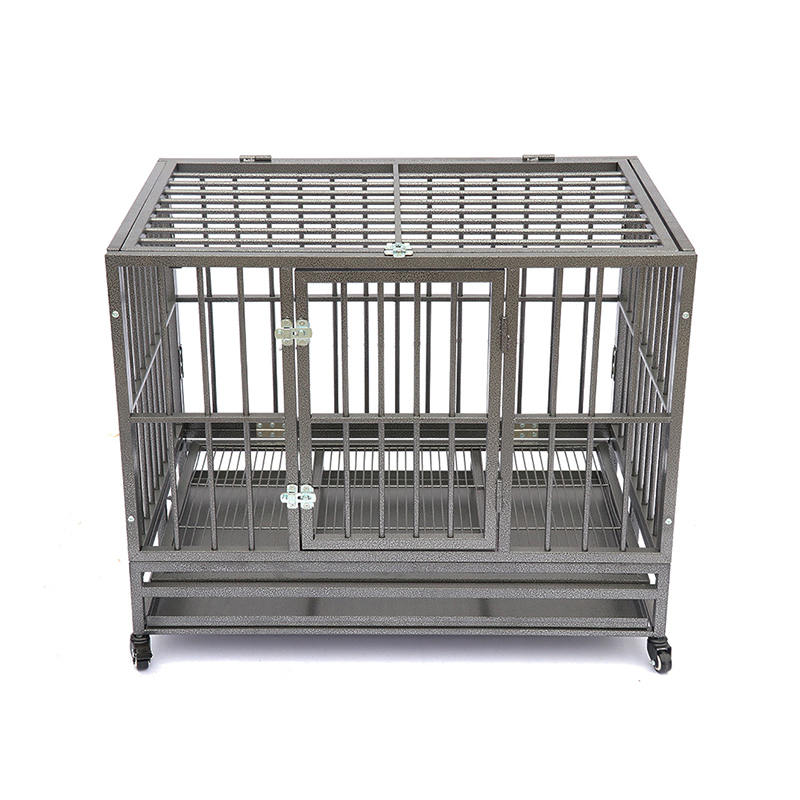
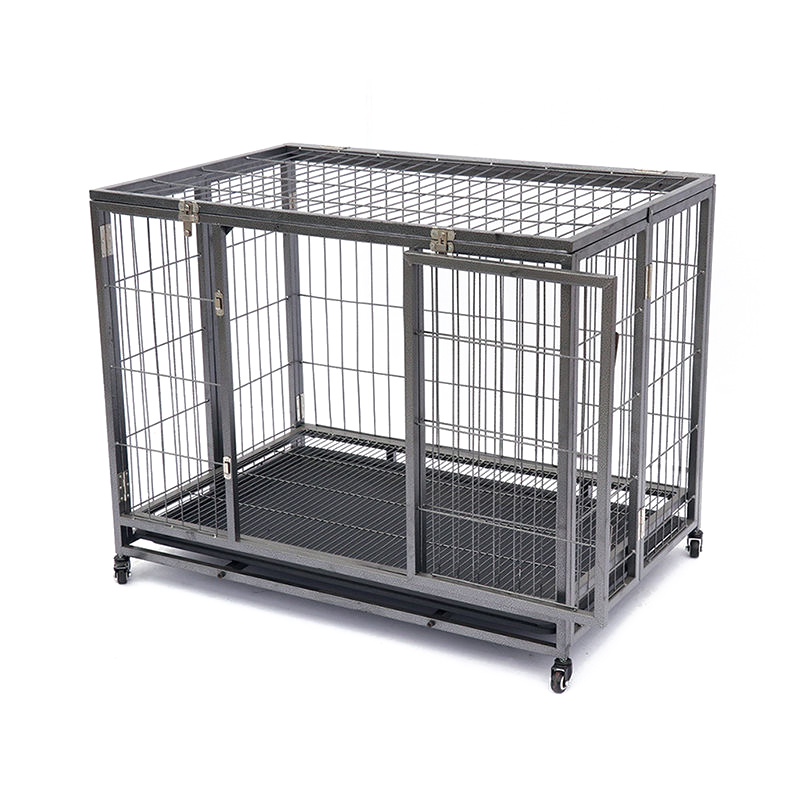
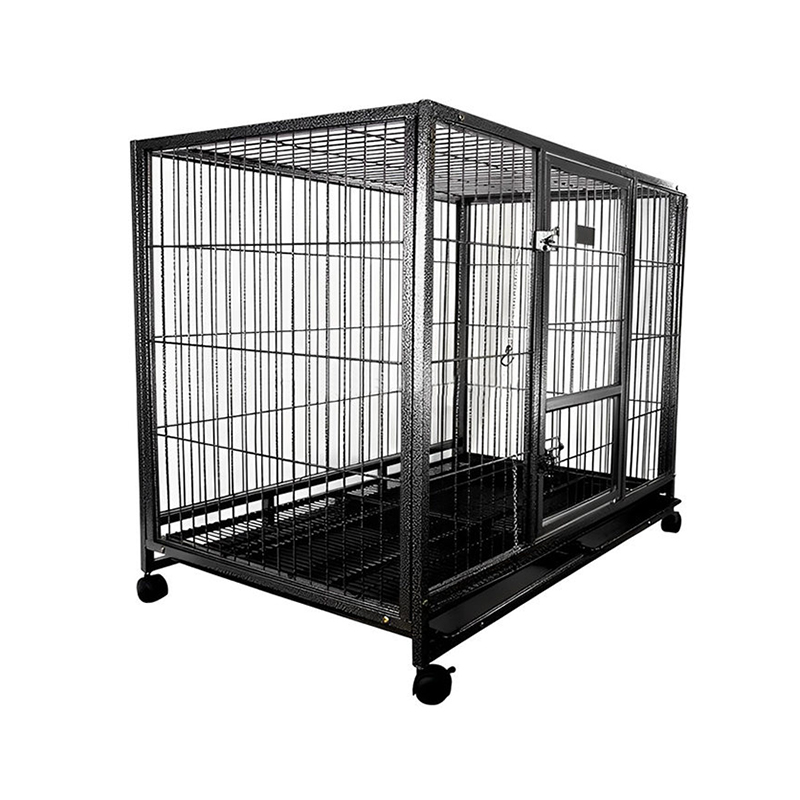
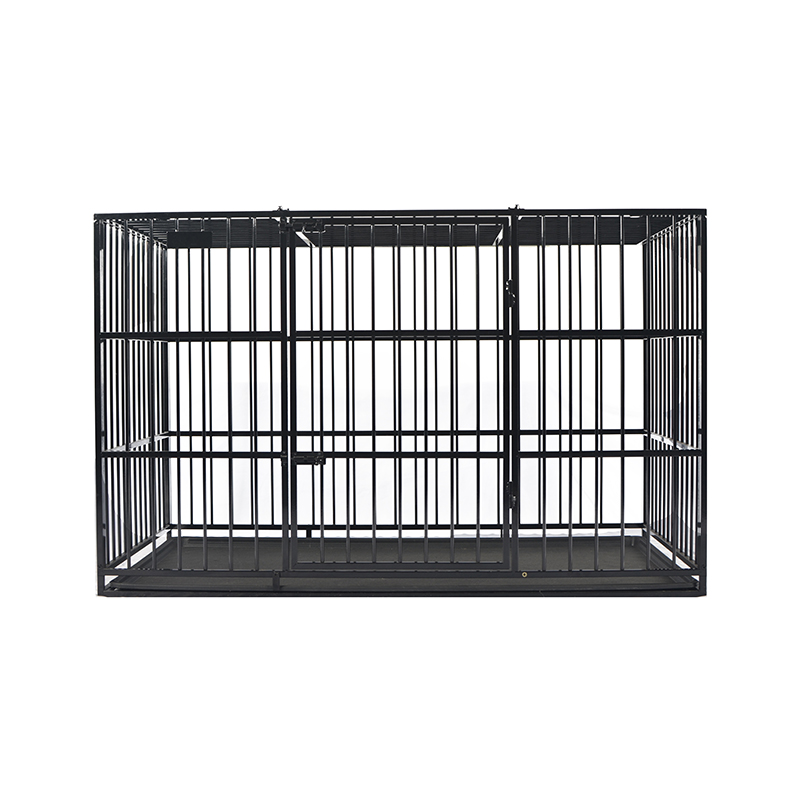
For larger breeds, a heavy duty dog cage or big dog cage typically uses a thicker wire diameter, reinforced corner brackets, and a stronger frame base to withstand more force from jumping, scratching, or leaning against the panels. These heavier constructions are common in boarding kennels, veterinary recovery areas, and households with working or high energy breeds that would otherwise stress a lighter weight enclosure over time. Buyers sourcing heavy duty dog cages for commercial use often also request slide out trays for waste cleanup, caster wheels for repositioning, and stackable configurations that let a facility house several dogs in a smaller physical footprint without compromising individual space. The list below summarizes the main practical advantages that metal dog cage and playpen formats offer compared with softer sided alternatives.
- Strong ventilation and full visibility, which helps dogs stay calmer during training and travel
- Easier disinfection compared with fabric or upholstered surfaces, useful for kennels and shelters
- Foldable panel designs that reduce shipping volume for wholesale and export orders
- Reinforced heavy duty framing available for large or strong breeds that need extra structural margin
- Modular panel systems that can be reconfigured into different shapes or sizes as needs change
One practical note for retailers and distributors is that a foldable metal dog playpen is generally marketed differently from a fixed metal dog cage, even though the underlying wire panel technology overlaps considerably. Playpens are usually positioned as flexible, temporary containment for puppies, multi dog households, or outdoor use during travel, while fixed cages are positioned as a more permanent den style space that a dog may treat as its own resting area. Understanding this distinction helps buyers write clearer product descriptions and helps end customers choose the configuration that actually matches how they intend to use the product day to day.
Wood Furniture Style Dog Cage, Wooden Dog House, and Dog Bed Comfort
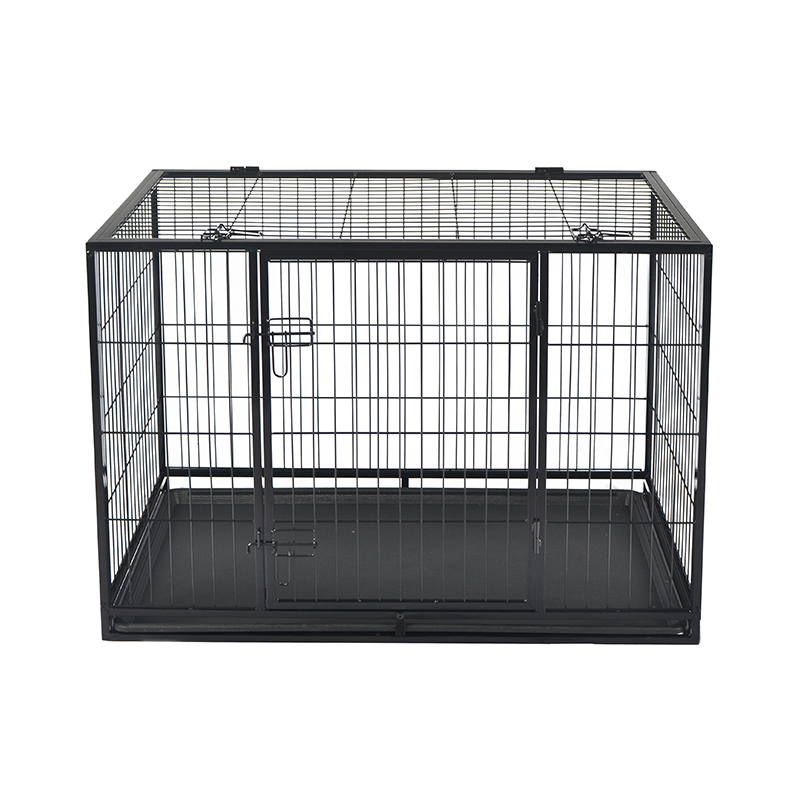
Not every household wants an exposed wire enclosure sitting in the middle of a living room, and this is exactly the gap that a wood furniture style dog cage is designed to fill. These cages are constructed to resemble an end table, credenza, or cabinet on the outside while functioning as a secure den on the inside, which allows the enclosure to blend into home décor rather than standing out as obvious pet equipment. Many furniture style designs use engineered wood panels for the main structure combined with a smaller wire mesh section for ventilation, and some include a removable top surface that can double as a side table when the cage door is closed.
A wooden dog house serves a related but distinct purpose, since it is generally intended for outdoor or semi outdoor placement rather than indoor furniture use. Wooden dog houses typically rely on a raised floor to reduce ground moisture contact, an angled or peaked roof for water runoff, and either painted or sealed wood surfaces to resist weathering over repeated seasons. Insulation quality and roof drainage design are two of the most frequently cited factors in outdoor housing durability, since a poorly sealed roof seam is one of the most common causes of long term wood damage. For dog bed and wooden dog bed products, the wood component is usually limited to a supportive frame that lifts the sleeping surface off the floor, paired with a removable, washable cushion or mattress insert, which combines the airflow benefits of a raised frame with the comfort expectations of a traditional pet bed.
- Confirm whether the wood furniture style dog cage uses engineered wood or solid wood panels, since this affects weight, cost structure, and moisture tolerance
- Check ventilation openings on furniture style cages, since fully enclosed wood panels without mesh sections can restrict airflow
- For a wooden dog house, verify the roof pitch and overhang, which influence how well rain is directed away from the walls
- For a wooden dog bed, check whether the cushion cover is removable and washable separately from the wood frame
Buyers sourcing wood based dog housing and rest supplies for export markets should also pay attention to how the wood is treated prior to shipping, since humidity levels during ocean freight can differ substantially from the destination climate. A wood furniture style dog cage or wooden dog house that has been properly kiln dried and sealed before packing is generally less prone to warping or cracking after a long transit period, which is a detail that experienced manufacturers typically build into their production process rather than treating as an afterthought.
Cat Cage and Activity Structures: Furniture Style Cat Cage, Metal Cat Cage With Wheels, and Cat Tree Towers
Cat cage and activity structures supplies cover a wider behavioral range than dog housing, because cats generally need vertical space and climbing opportunities in addition to a secure resting enclosure. A furniture style cat cage follows the same visual logic as its dog counterpart, using wood paneling and a cabinet like exterior to house a cat comfortably while fitting into a home's existing furniture layout, which makes it a common choice for households that want to limit a cat's access to certain rooms without resorting to a purely utilitarian wire cage.
A metal cat cage with wheels adds mobility to the traditional wire cage format, which is particularly useful in veterinary clinics, grooming salons, and multi cat households where an enclosure may need to be repositioned for cleaning, sunlight access, or temporary relocation during travel. Locking caster wheels are a key specification here, since an enclosure that shifts unexpectedly while a cat is inside can cause stress or minor injury. Separately, a cat tree or cat tower addresses a different need entirely, since these structures are built around vertical climbing, scratching posts, and elevated resting platforms rather than containment. Cats are natural climbers, and providing a dedicated cat tree has been widely cited in feline behavior literature as a way to reduce stress related scratching on household furniture, since it gives the cat an approved outlet for a deeply instinctive behavior.
| Product Type | Primary Function | Typical Setting |
|---|---|---|
| Furniture Style Cat Cage | Secure containment with home décor integration | Living room, bedroom |
| Metal Cat Cage With Wheels | Mobile containment and easy repositioning | Clinics, grooming salons, multi cat homes |
| Cat Tree / Cat Tower | Climbing, scratching, and vertical rest space | Any indoor living space |
| Wood Cat Bed / Wooden Cat House | Dedicated sleeping area with wood frame support | Indoor, sheltered outdoor spaces |
Wood cat bed and wooden cat house products round out this category by offering a dedicated sleeping space that does not necessarily involve containment at all, since many cat owners prefer an open bed rather than an enclosed cage once a cat is past the kitten stage. These wood based rest products often echo the same aesthetic language as furniture style cages, using matching finishes so a household can furnish an entire cat corner with a coordinated visual style rather than mismatched pieces.
Bird Cage Guide: Steel Wooden Bird Cage, Parrot Cage, and Big Bird Cage Selection
Bird cage selection depends heavily on wingspan, bar spacing, and the bird's natural climbing and chewing behavior, which makes this category somewhat more specialized than dog or cat housing. A steel wooden bird cage typically pairs a steel wire enclosure with a wood frame base or roof accent, combining the strength and cleanability of metal with a visual warmth that suits indoor display in a living space. Bar spacing is one of the most important specifications for any bird cage, since spacing that is too wide can allow a smaller bird to squeeze through or get a head caught, while spacing that is unnecessarily narrow adds cost and weight without benefit for larger species.
A parrot cage generally requires horizontal bars on at least some sides, since parrots use their beaks and feet together to climb sideways along the enclosure rather than only using perches, which is a behavior pattern that differs from many smaller songbird species. Cage height and horizontal wing room both matter for parrot welfare, since a cage that is tall but narrow does not necessarily give a parrot the lateral space needed for wing stretching and short flights. A big bird cage, whether intended for larger parrot species or for housing multiple birds together, generally scales up both the frame gauge and the base tray size, since a larger enclosure produces proportionally more waste and needs a cleaning access point that remains practical even at larger dimensions.
- Bar spacing should match the smallest bird expected to use the cage, not just the largest
- Horizontal climbing bars are important for parrot cage designs in particular
- A steel wooden bird cage should use a wood species and finish that can tolerate occasional moisture from water dishes and cleaning
- Base trays on a big bird cage should be easy to slide out fully for waste removal without disturbing perches above
Placement also matters once a bird cage reaches the end customer, since bird cages are generally recommended away from direct drafts, kitchen fumes, and unfiltered direct sunlight for extended periods, all of which can affect respiratory comfort and temperature regulation for many bird species. Retailers selling bird cage products alongside other Bird Cage accessories such as perches, feeders, and liners often find that customers appreciate clear guidance on these placement basics, since bird husbandry knowledge varies more widely among first time owners than it does for dog or cat care.
Small Animal Habitats and Enclosures: Cages for Small Animals and Wooden Small Animal House Options
Every small creature deserves a safe and comfortable home, and cages for small animals are generally built with a different set of priorities than dog or cat products, focused heavily on injury prevention, ventilation, and manageable size for indoor placement. Small animal habitats and enclosures cover rabbits, guinea pigs, chinchillas, hamsters, and similar species, and a well designed metal small animal cage is typically constructed from mild steel, commonly specified as Q195 or Q235 grade, which is then either sprayed or galvanized to protect against rust and to provide a durable, easy to clean surface over years of use.
A defining feature of a properly designed small animal cage is a wide wire spacing pattern that still preserves a full panoramic view for the animal along with strong airflow, since small animals are especially sensitive to poor ventilation in enclosed spaces. Rounded corners throughout the frame are one of the most important safety details in this category, since sharp corners on a small enclosure are far more likely to cause scrapes or minor injuries to small, low bodied animals than they would to a larger dog or cat. When an owner sees a small pet happily moving up and down through cage levels or settling into a soft layer of bedding material, it reflects an enclosure that has been thought through as more than a simple containment box. A small animal metal playpen extends this same design logic into an open top or expandable format, giving small pets supervised time outside of their main enclosure without the animal being able to wander into unsafe areas of a home.
A wooden small animal house complements a metal cage setup by providing a den like hideaway inside a larger enclosure, since many small animals are prey species in the wild and benefit psychologically from having an enclosed retreat where they feel less exposed. These wooden houses are generally sized to fit inside standard cages for small animals rather than sold as freestanding units, and untreated or lightly treated wood is often preferred for this application since small animals frequently chew on their surroundings, which means finishes need to be selected with ingestion safety in mind rather than purely for appearance.
Demand Growth Across Dog, Cat, Bird, and Small Animal Housing Categories
Understanding how demand has been shifting across these four segments is useful context for retailers and wholesale buyers deciding where to expand a pet cage and household products range. Several independent market research publications that track the pet housing and animal cage sector have converged on a similar directional pattern in recent years, even though their absolute market size estimates differ depending on how each report defines the category. Across these publications, the cat segment is frequently identified as one of the faster growing categories within pet housing, which lines up with rising cat ownership trends reported in several regions. The bird segment has also been flagged in industry analysis as growing at an above average pace relative to the wider animal cage market, often linked to increased interest in premium and specialty bird housing. Below is an illustrative stacked bar chart showing how a relative demand index across these four categories has been trending upward over a recent multi year period, based on the general growth direction described in these reports rather than any single exact figure.
The stacked bar chart above uses four bars, one for each of four consecutive years, with each bar divided into the same four category colors used in the earlier donut chart so that dog housing sits at the bottom, followed by cat, bird, and small animal segments stacked on top. Reading from left to right, the total height of each bar increases steadily from Year 1 through Year 4, which visually represents a compounding growth pattern in the mid single digit percentage range each year, consistent with the CAGR figures reported across several market research publications covering the pet cage and animal housing sector. Within each bar, the dog segment remains the largest colored block throughout all four years, which reflects the same general catalog weighting shown earlier, while the small animal segment at the top of each bar remains the smallest but still grows in absolute terms year over year. This type of stacked format is particularly useful because it shows two things at once, the overall market trend through the total bar height and the category mix through the relative size of each colored segment, without needing two separate charts. A buyer reviewing this chart can see that even though small animal habitats and enclosures represent a smaller share of total demand, the segment is not shrinking or stagnant, it is simply growing from a smaller base than dog or cat housing. Industry reports covering the sector have also pointed to online retail as an increasingly dominant distribution channel for bulkier pet infrastructure products including cages and playpens, which is a contextual factor behind rising demand since online shopping makes it easier for buyers to compare specifications such as bar spacing and frame material across a wide range of suppliers. Rising global pet ownership rates more broadly are commonly cited across these reports as the underlying driver behind growth in all four segments, rather than any single segment growing at the expense of another. For manufacturers, a steadily rising demand index like the one shown here is often the basis for decisions about expanding production lines, since a facility investing in a second or third production line for a given category typically wants confidence that demand will support the added capacity over a multi year horizon. It is worth repeating that the specific index values in this chart are illustrative rather than an exact reproduction of any single published dataset, since underlying market size estimates vary considerably between different research publications, but the general upward direction across all four categories is a pattern that recurs consistently across the sources reviewed. The next section looks at this same growth story from a different angle, tracking an overall market index over a longer time horizon rather than breaking it down by category.
Long Term Market Trend for Pet Cages and Household Products
Zooming out from year by year category comparisons, it is also useful to look at the pet cage and household products sector as a single combined trend line over a longer stretch of time. Multiple market research publications tracking this sector report differing absolute market size figures, largely because each defines the scope of animal cage and pet housing products somewhat differently, some including laboratory and veterinary cages and others focusing only on consumer pet products. Despite these differences in scope and absolute figures, a recurring point across several of these reports is a compound annual growth rate that generally falls somewhere in the range of about five to six percent looking out toward the early 2030s. That kind of steady, moderate growth rate is typical of a mature but still expanding consumer category rather than an emerging or declining one. The area chart below illustrates what a market index following this general five to six percent compound growth pattern would look like over a ten year span, starting from an indexed base value in an early year and projecting forward.
The area chart above starts at an indexed value of 100 in Year 1 and rises to roughly 171 by Year 11, which corresponds to compounding at approximately five and a half percent annually, a figure chosen because it sits comfortably within the range reported across the market research sources referenced earlier for this sector. The shaded area beneath the line is used here specifically to emphasize accumulation over time, which is why an area chart tends to communicate long run growth more intuitively than a plain line chart, since the filled region gives a visual sense of the cumulative expansion of the category rather than just the trajectory of a single line. Each marker point along the curve represents a two year interval, and the fact that the vertical distance between consecutive points gradually increases, even though the growth rate itself is constant, illustrates how compounding works, since five and a half percent of a larger base produces a larger absolute increase than the same percentage applied to a smaller starting base. This pattern is common across many maturing consumer product categories and is not unique to pet housing, but it is a useful reminder for buyers that steady percentage growth still translates into an accelerating absolute trend over a long enough time horizon. According to the range of figures found across several published pet cage and animal cage market reports, growth of this kind has generally been attributed to a combination of rising global pet ownership, increased consumer willingness to invest in dedicated pet furniture and housing rather than makeshift solutions, and the continued expansion of online retail channels that make it easier to discover and compare pet housing products across a wide supplier base. It is also worth noting that different reports covering this space sometimes classify laboratory and veterinary animal cages alongside consumer pet cages, which is one reason absolute dollar or unit figures vary so widely between sources, even when the underlying directional trend is broadly similar. For a distributor or retailer, the practical takeaway from a trend like this is less about the precise index value in any single year and more about the fact that demand has been described consistently as expanding rather than flat or contracting across the timeframe covered by these reports. This kind of steady growth environment also tends to support longer term supplier relationships, since retailers benefit from working with manufacturers who are already scaling production capacity in anticipation of continued demand rather than manufacturers who might struggle to fulfill larger orders as a category grows. The next section shifts focus away from market level trends and back toward the physical product itself, looking specifically at material standards and safety design considerations that matter most for small animal cages and other metal enclosures.
Material Standards and Safety Design: Steel Grades, Galvanization, and Ventilation
Material choice is one of the most consequential decisions in pet cage manufacturing, since it affects rust resistance, structural rigidity, weight, and long term appearance all at once. Mild steel grades such as Q195 and Q235, which are common structural steel classifications, are widely used across metal dog cages, metal cat cages, bird cages, and small animal cages because they offer a practical balance between strength and workability for wire forming and welding. After forming, these steel components are generally finished with either an electrostatic spray coating or a hot dip or electro galvanized layer, both of which are intended to slow down corrosion that would otherwise occur from repeated exposure to moisture, cleaning chemicals, and animal waste. Beyond the base material, safety focused design details such as rounded corners, consistent wire spacing, and adequately sized ventilation openings are what actually determine whether a cage is comfortable and safe for daily use rather than just structurally sound. The gauge chart below presents an illustrative internal design score reflecting how strongly a cage design prioritizes ventilation openness and corner safety together, which are two of the most frequently cited quality factors in small animal and metal cage construction.
The semicircular gauge above uses a needle position to represent an illustrative design score of 88 out of 100, where the scale runs from 0 at the far left of the arc to 100 at the far right, passing through 50 directly at the top of the semicircle. This type of gauge visualization is commonly used to communicate a single combined performance metric, and here it is meant to represent how strongly a cage design balances two safety priorities together, open wire spacing for airflow and visibility on one hand, and consistently rounded corners and edges on the other hand, rather than measuring either factor in isolation. A score positioned toward the right side of the arc, as shown here, indicates a design that leans strongly toward both generous ventilation and rounded, injury reducing corners, which is the general direction that small animal cage designs are encouraged to move toward given how sensitive small, low bodied animals are to both poor airflow and sharp edges. The colored arc filling roughly seven tenths of the way around the scale represents the score visually, while the thin needle line points to the exact position along the arc, giving the viewer two ways to read the same value at a glance. It is important to be clear that this score is an illustrative internal design benchmark used for explaining how these two priorities interact, not a certified third party audit result or a formal industry standard rating, since no universal single number rating currently exists across the pet cage manufacturing sector for this specific combination of factors. That said, the underlying design principles behind the score, rounded corners, adequate wire spacing for airflow, and a galvanized or sprayed steel finish, are widely referenced across the sources on animal housing design reviewed for this article, and they map directly onto the practical construction details described earlier in the small animal habitats section. Buyers evaluating a metal small animal cage, a metal dog cage, or a bird cage from any manufacturer can apply this same two part lens themselves, checking corner radius by hand and checking wire spacing against the smallest animal expected to use the enclosure, rather than relying only on a single supplier provided number. Ventilation in particular deserves attention because small animals and birds are both more sensitive to trapped ammonia from waste and reduced airflow than dogs or cats tend to be, given their smaller body size and faster respiratory rate relative to body mass. Corner safety is equally important because low profile animals such as rabbits, guinea pigs, and chinchillas interact with the base and lower frame of an enclosure far more than a taller animal like a dog would, which increases the practical importance of rounding every accessible edge rather than only the most visible ones. Manufacturers who build quality control checks for both ventilation and corner finishing into every production batch are generally better positioned to maintain consistency across large wholesale orders, which matters considerably when a single purchase order might include enclosures produced across multiple manufacturing runs. This closes out the material and safety discussion, and the following sections move on to grooming equipment and then to practical guidance on evaluating a pet cage manufacturer or wholesale supplier directly.
Pet Grooming Table and Supporting Household Accessories
A pet grooming table is a natural complement to a pet cage and household products lineup, since many households, boarding facilities, and grooming businesses purchase cages and grooming equipment together as part of a complete pet care setup. A well designed pet grooming table typically includes a non slip rubber surface to keep footing stable during brushing, bathing, or trimming, along with an adjustable arm and loop restraint system that helps keep an animal calmly in place without restricting normal movement. Height adjustable legs are common on grooming tables intended for professional use, since groomers working with a range of animal sizes throughout the day benefit from being able to raise or lower the table rather than bending awkwardly for smaller pets.
Foldable grooming table designs mirror the same practical logic seen in the foldable metal dog playpen category, since a table that collapses flat is considerably easier to store in a smaller shop or ship efficiently in bulk for wholesale distribution. Retailers stocking a broad household product range often find that grooming tables, cage liners, bedding, and feeding accessories sell well alongside the core cage and housing categories described throughout this article, since customers furnishing a new pet space frequently prefer to source several related items from a single supplier rather than piecing together a setup from multiple separate purchases.
How to Evaluate a Pet Cage Manufacturer and Wholesale Supplier
Retailers and distributors sourcing pet cages and household products at wholesale volume generally look at several factors beyond the product specifications covered earlier in this article. Production capacity and the number of dedicated production lines matter because a manufacturer running separate lines for metal dog cages and furniture style wood crates can typically fulfill mixed category orders more reliably than a factory relying on a single general purpose line. Years of specialization in this specific product category is another common evaluation point, since a manufacturer with an extended track record in pet cage production has usually already worked through common design issues such as corner safety, coating durability, and packaging for long distance export shipping. Export experience across multiple countries is also a meaningful signal, since a manufacturer accustomed to shipping container loads to varied climates and regulatory environments is generally better prepared to handle the packaging, labeling, and documentation requirements that come with international wholesale orders.
Fujian Pet Home Co., Ltd. is one example of a manufacturer built around this kind of category focus. Founded in 2009, the company operates as an integrated industry and trade business with dedicated design and production capability for export focused pet cage manufacturing, and it has built more than fifteen years of experience specifically within pet cage production and sales. The company's product range spans more than one hundred and fifty items across the categories discussed in this article, including metal pet cages, dog cages, pet playpens, soft pet crates, furniture style pet crates, cat litter boxes, wooden dog houses, rabbit hutches, chicken coops, cat trees, and pet beds, reflecting the same broad dog, cat, bird, and small animal category structure described throughout this guide. Its products are exported to more than twenty countries, including the United States, Australia, New Zealand, Japan, Germany, the Netherlands, France, Switzerland, Norway, Denmark, Poland, Belgium, the Philippines, Mexico, Greece, Taiwan, and Hong Kong, which illustrates the kind of multi region export footprint that wholesale buyers often look for when assessing a manufacturer's shipping and compliance experience. As a professional pet cage manufacturer and pet household products factory, the company maintains dedicated design and sales teams alongside two metal dog cage production lines and one furniture style pet crate production line, and it reports exporting more than fifty containers per month, giving a practical sense of the production scale involved in sustained wholesale supply. The company describes quality as its central operating priority, aiming to provide consistent products and service to both domestic and international customers across its full pet cage and household products range.
When comparing potential manufacturing partners, buyers are generally encouraged to request details on wire gauge and steel grade for metal products, wood treatment and sealing methods for furniture style items, and standard container loading configurations, since these details tend to reveal whether a supplier has genuinely optimized its designs for the categories covered in this article or is simply offering generic stock items. Asking for reference production line photos or dedicated category production line counts, as illustrated in the example above, is a reasonable and common due diligence step for wholesale buyers evaluating manufacturers across the pet cages and household products, dog housing and rest supplies, cat cage and activity structures, bird cage, and small animal habitats and enclosures categories.
Frequently Asked Questions
Q1: What is the main difference between a metal dog cage and a wood furniture style dog cage?
A metal dog cage emphasizes ventilation, visibility, and easy cleaning through open wire panels, while a wood furniture style dog cage is built to look like a piece of home furniture on the outside while still containing the dog securely on the inside.
Q2: Are cages for small animals suitable for rabbits and chinchillas specifically?
Yes, cages for small animals designed with rounded corners, appropriately spaced wire, and strong ventilation are generally suitable for rabbits, chinchillas, guinea pigs, and similar species, though size and spacing should always be matched to the specific animal.
Q3: What should buyers check regarding bar spacing on a bird cage?
Bar spacing on any bird cage, including a parrot cage or big bird cage, should be matched to the smallest bird species expected to use the enclosure, since spacing that is too wide can allow smaller birds to squeeze through or become caught.
Q4: Can a pet cage manufacturer support custom sizing or private label packaging for wholesale orders?
Many established pet cage manufacturers with dedicated production lines and export experience can accommodate custom sizing, configuration changes, and private label packaging for wholesale and distributor orders, though specific capabilities vary by supplier.
Q5: How is ventilation typically achieved in a metal small animal cage?
Ventilation in a metal small animal cage is generally achieved through open wire spacing across most of the enclosure, combined with a galvanized or sprayed steel finish that resists corrosion without needing solid, airflow blocking panels.
Q6: What materials are commonly used for cat trees and cat towers?
Cat trees and cat towers typically combine a wood or particle board frame with sisal rope covered posts for scratching, plush covered platforms for resting, and a stable, weighted base to prevent tipping during climbing.
Related Products
Your pet deserves good, Contact now.
Whether you want to become our partner or need our professional guidance or support in product selections and problem solutions, our experts are always ready to help within 12 hours globally.
 CONTACT US

QUICK LINKS
PRODUCTS
-
Address
- Room 501,Unit 1 ,Buliding 6,Wuyi Guoji Xincheng,No.379,Zhuxi Avenue,Jianyang District,Nanping City, Fujian Province.
- No. 139-6 , Tongyu Middle Road, Nantong, Jiangsu, China
-
Mobile
- +86-13616986006
-
E-mail :

Copyright © 2025 Pet Home (Haian) Co., Ltd All Rights Reserved. Custom Pet Cages Manufacturers OEM/ODM Pet Household Products Factory

