
 EN
EN
 English
 中文简体
中文简体

Cat Cage & Activity Structures Factory
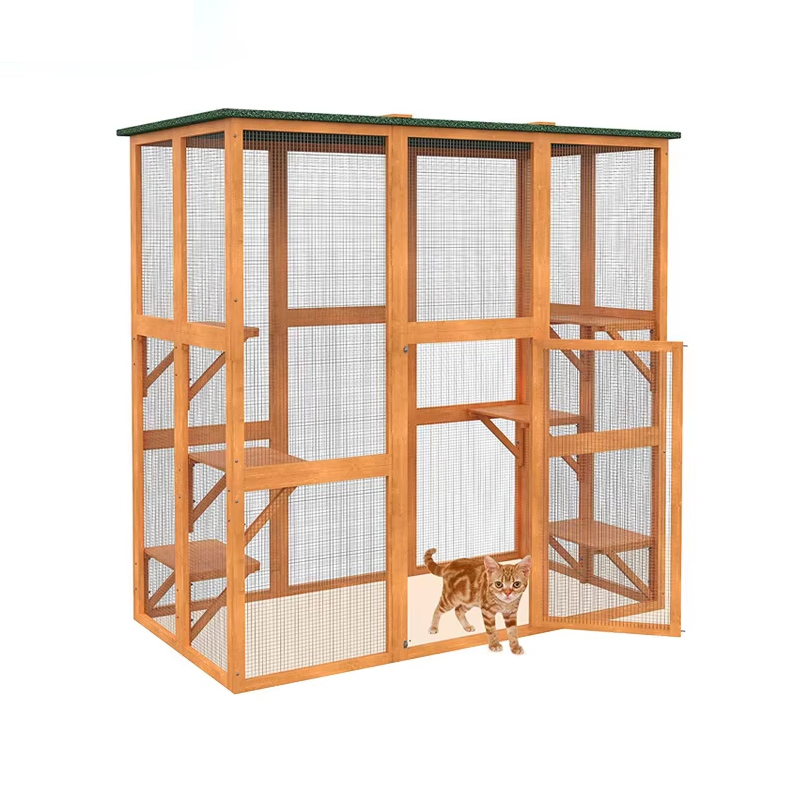
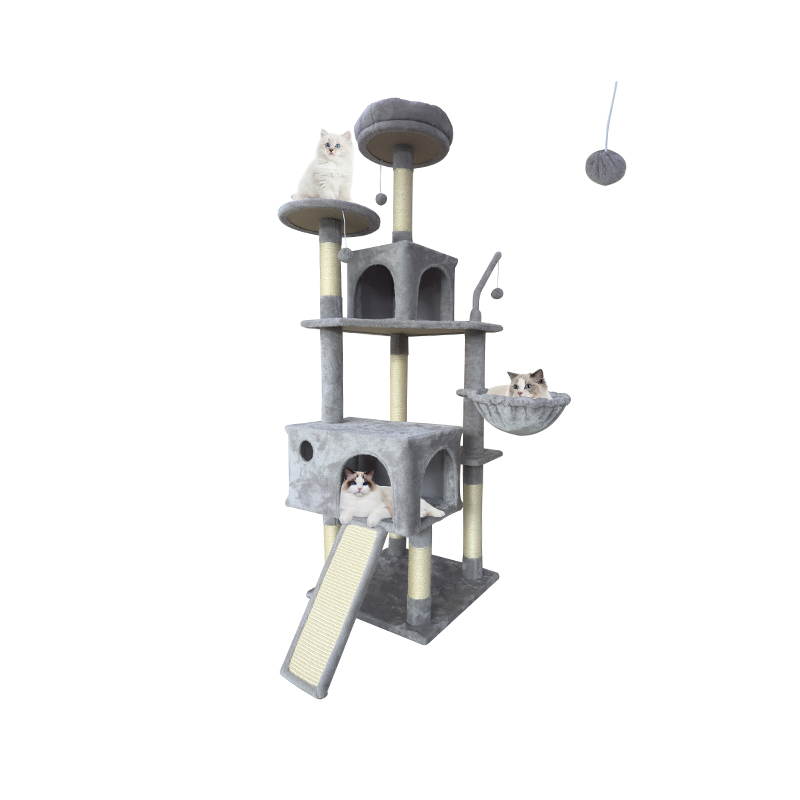
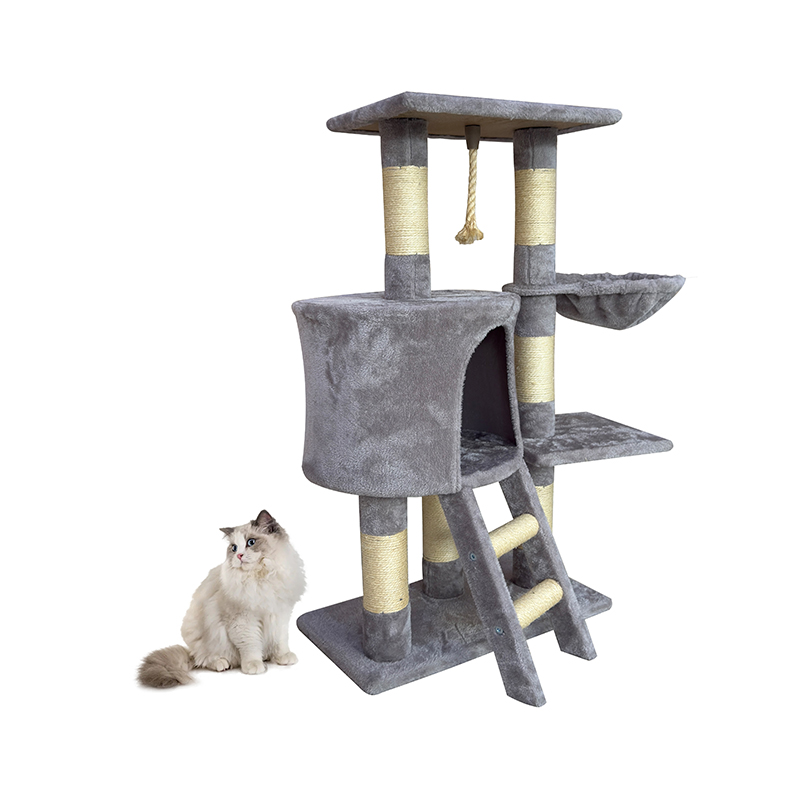
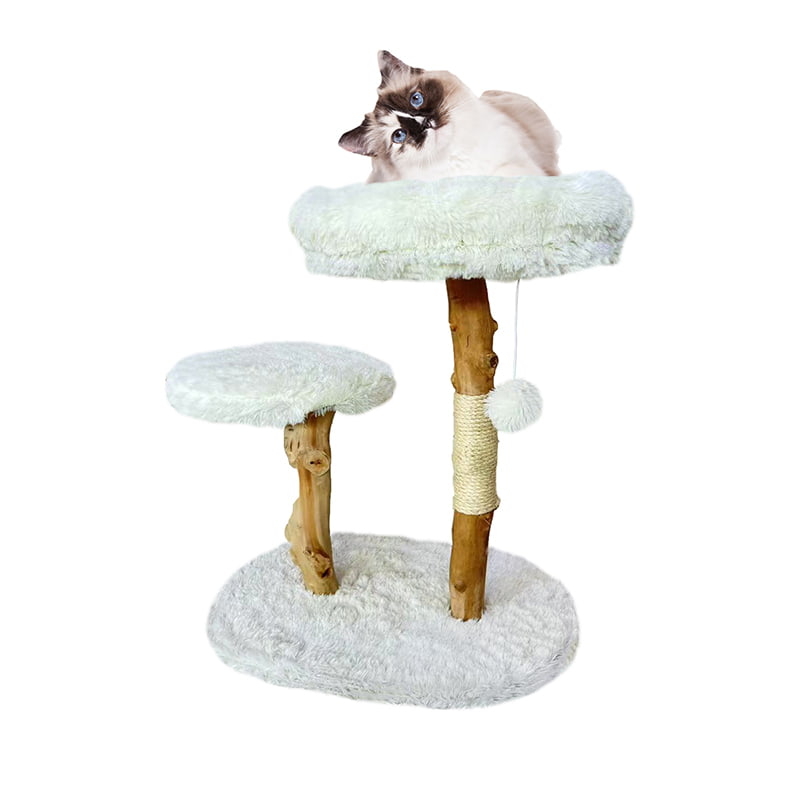
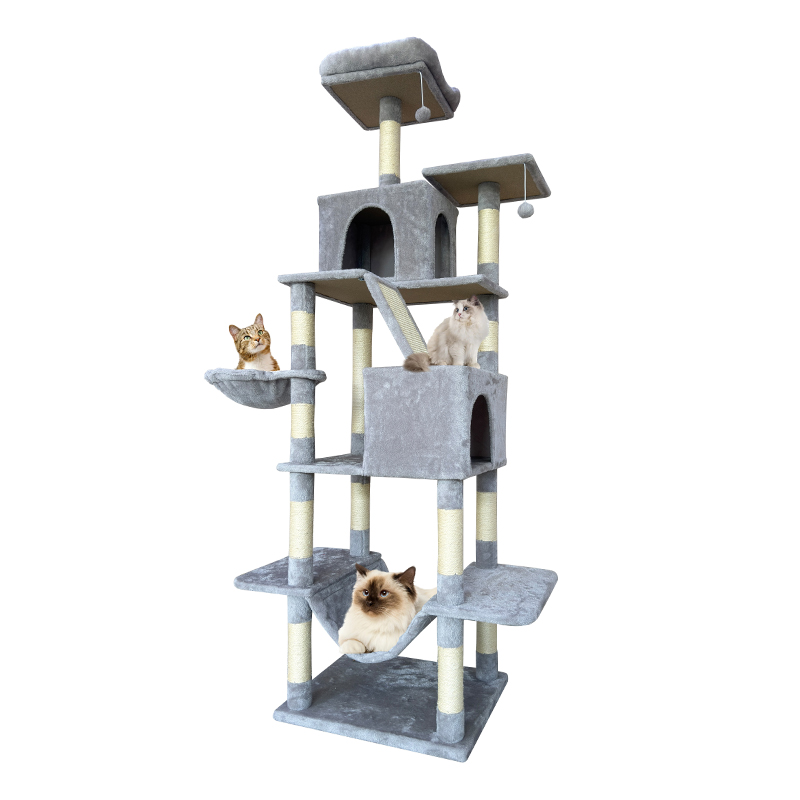
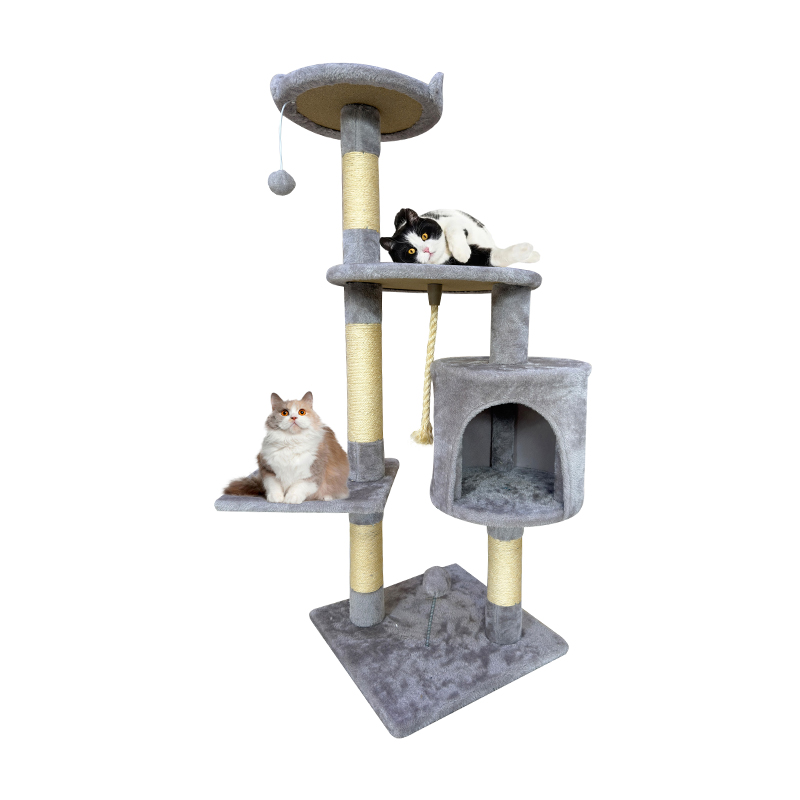
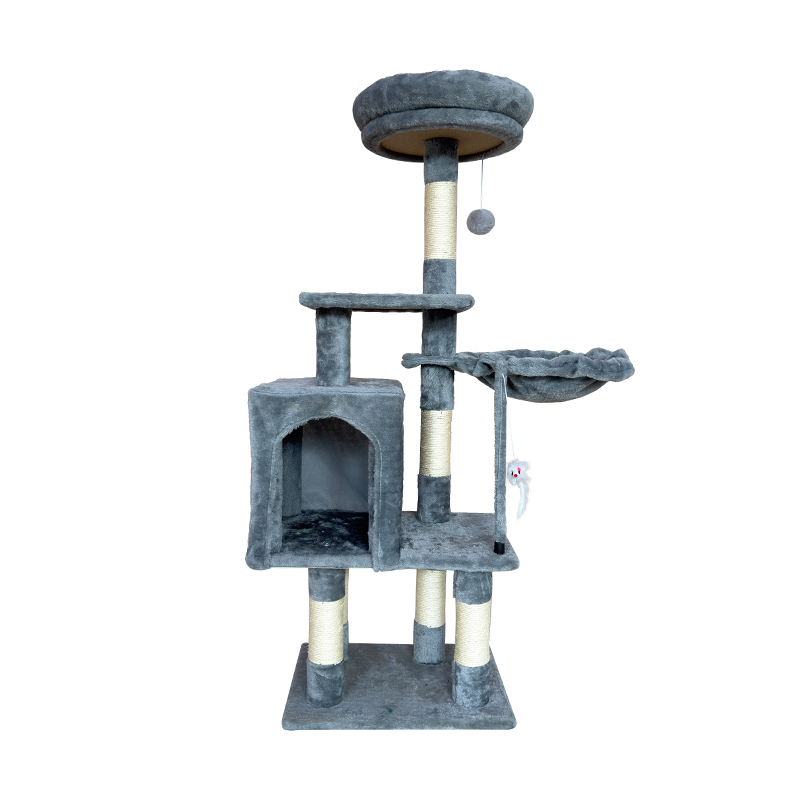
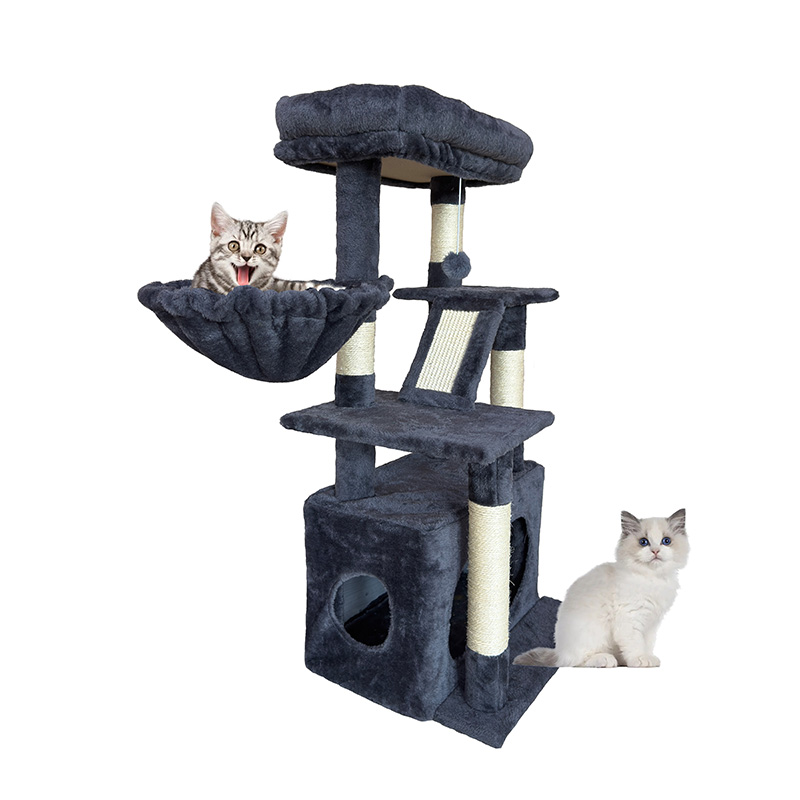
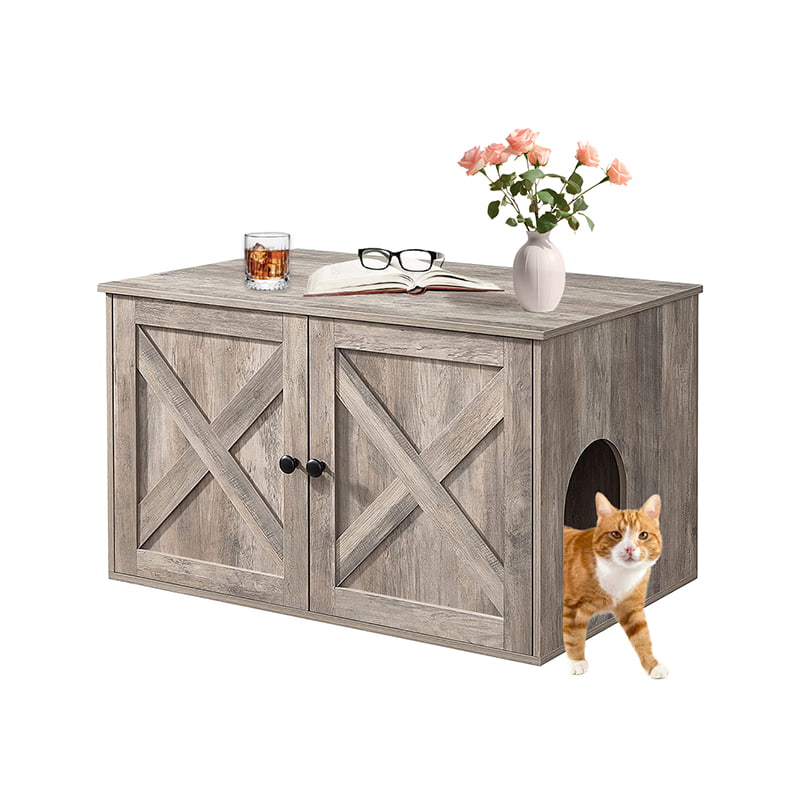
The boutique cat product series for cat lovers combines practicality with artistic aesthetics, covering metal cat cages, cat climbing frames, furniture-style cat cages, cat beds, etc., to meet the needs of cats of different sizes and personalities, while taking into account the aesthetics and practicality, so that pets and their owners can enjoy a better life.
Each product has gone through strict safety tests, rounded corners to avoid bump damage, non-toxic and environmentally friendly materials so that cats can feel free to chew. From active kittens to slow-moving old cats, we have the corresponding solutions. Let your cat enjoy a healthy, safe and fun-filled day in this well-designed product, which is the real way of life for cats.

Pet Home (Haian) Co., Ltd
Fujian Pet Home Co., Ltd. founded in 2009. We are an integrated set of industry and trade company,which have professional design, production for export pet cage. More than 15 years experience in pet cage production and sales . Main products included: Metal pet cage, Dog cage,pet playpen, soft pet crate, furniture style pet crate,cat litter box, wooden dog house, rabbit hutch, chicken coop, cat tree, pet bed and more than 150 products.
As a professional OEM Cat Cage & Activity Structures Factory and ODM Cat Cage & Activity Structures Company, Our products mainly exported to United States, Australia, New Zealand, Japan, Germany, Netherlands, France, Switzerland, Norway, Denmark, Poland, Belgium, Philippines, Mexico, Greece, Taiwan, Hong Kong and so on more than 20 countries. Our company have professional design and sales team. Two metal dog cage production line ,one furniture style pet crate production line. More than 50 containers been exported per month. The company provide quality products and service to all domestic and foreign customer
VIEW MORE
Products
Related Products
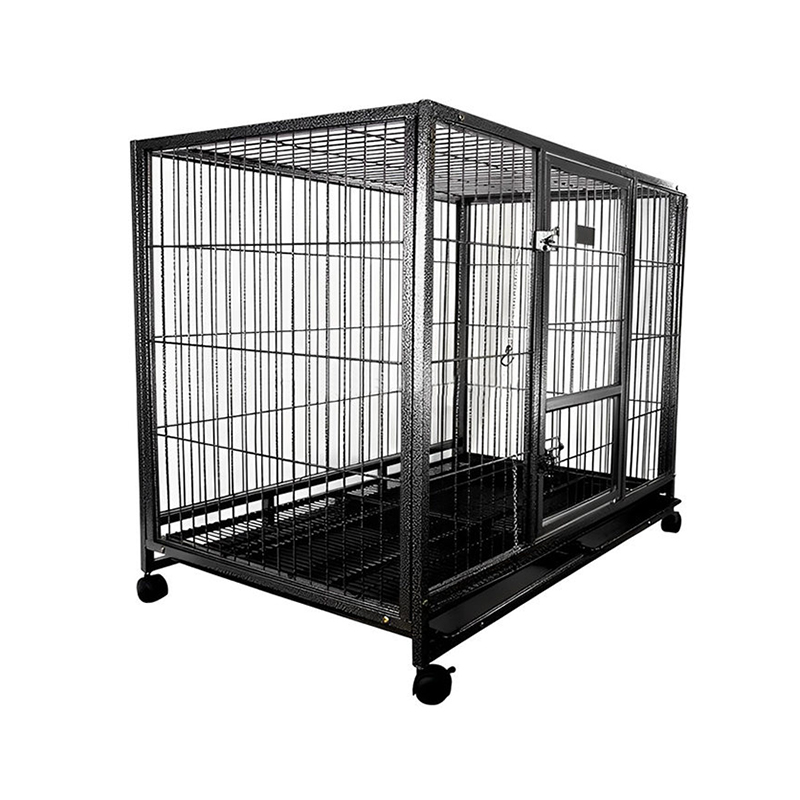
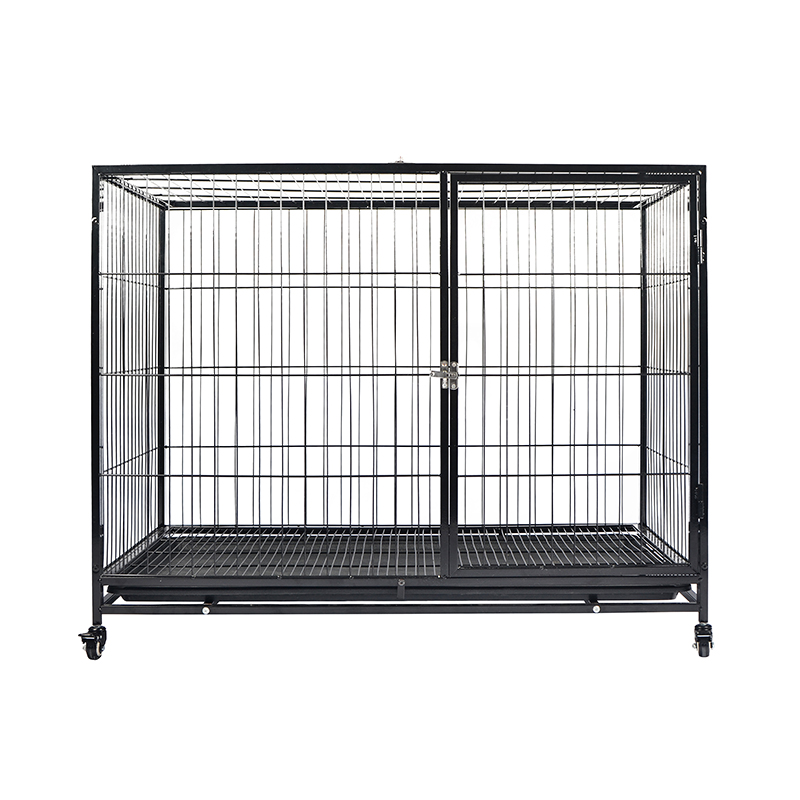
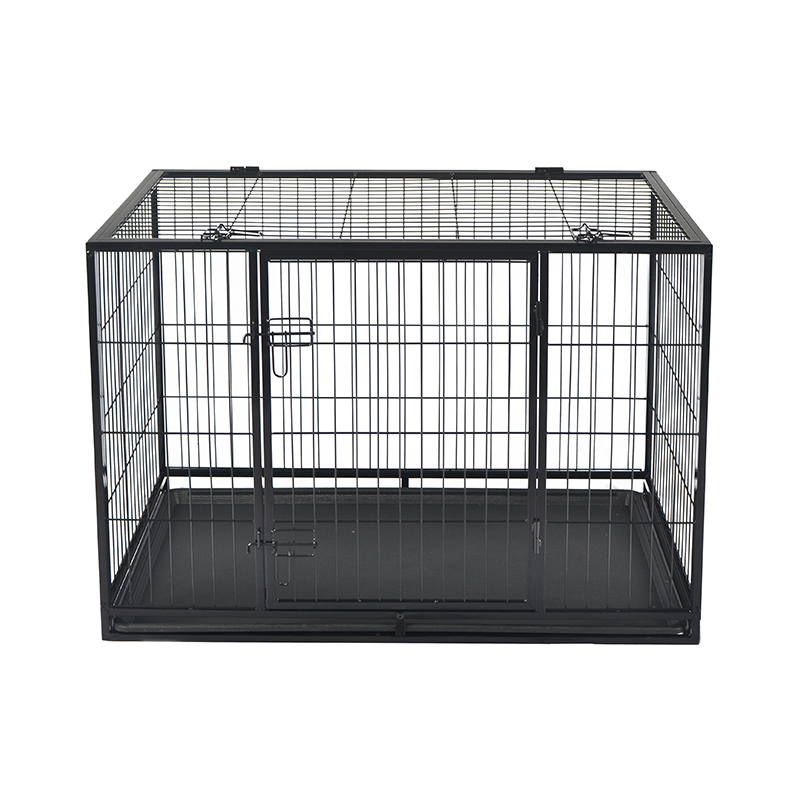
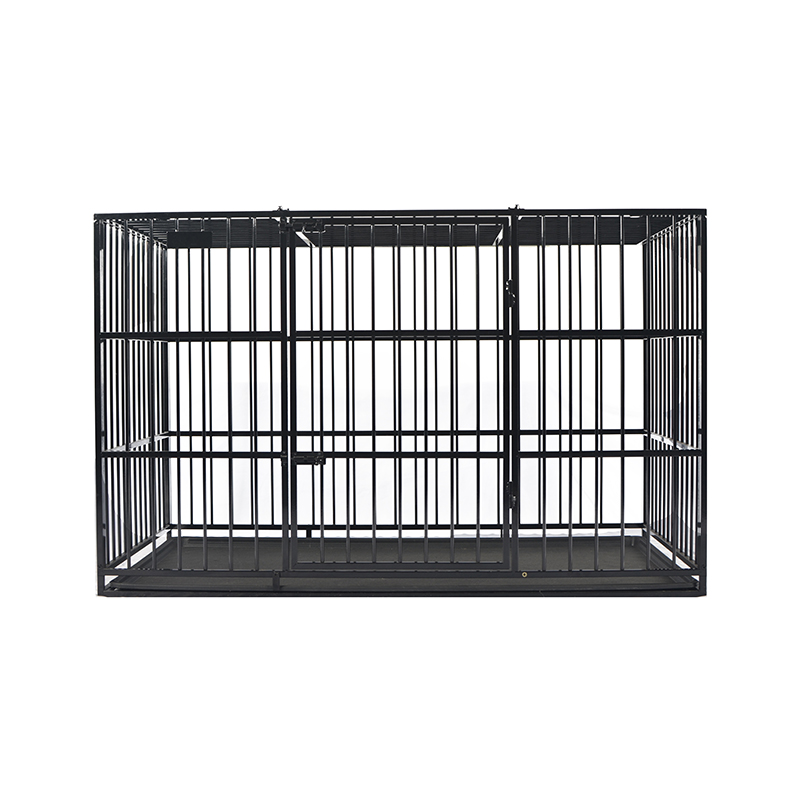
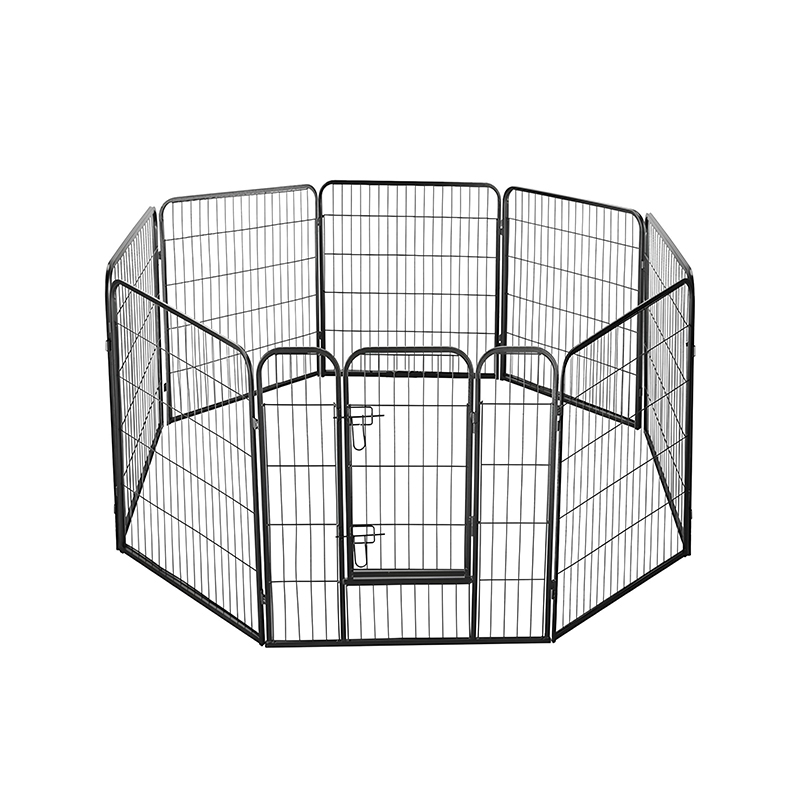
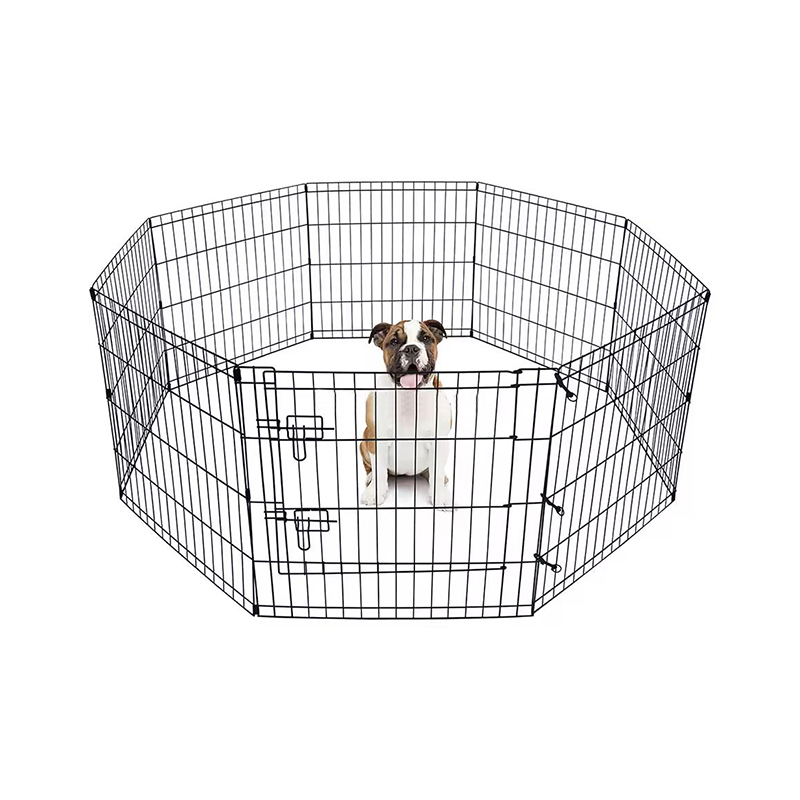
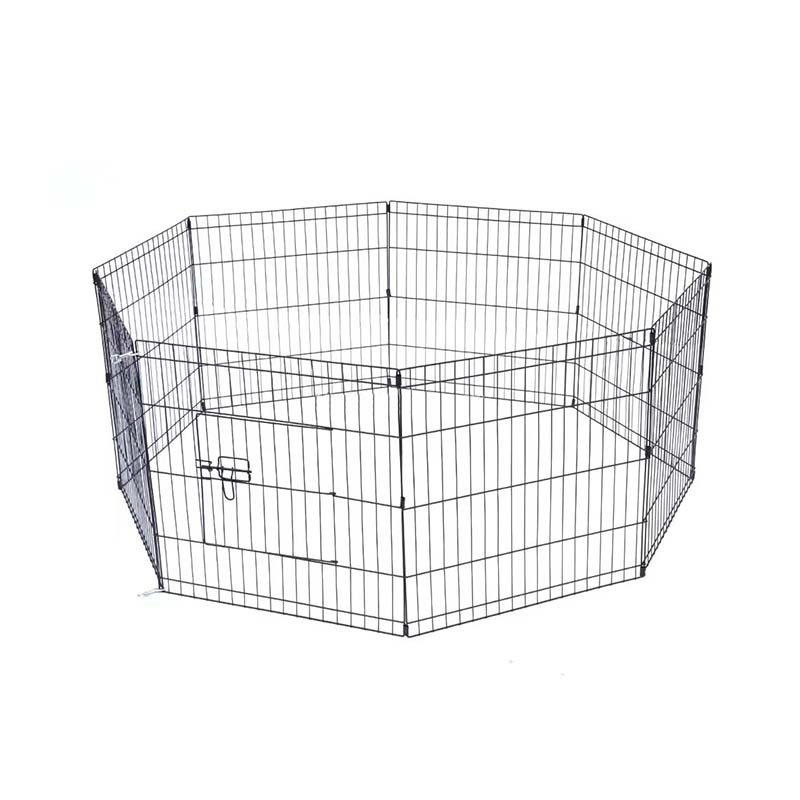
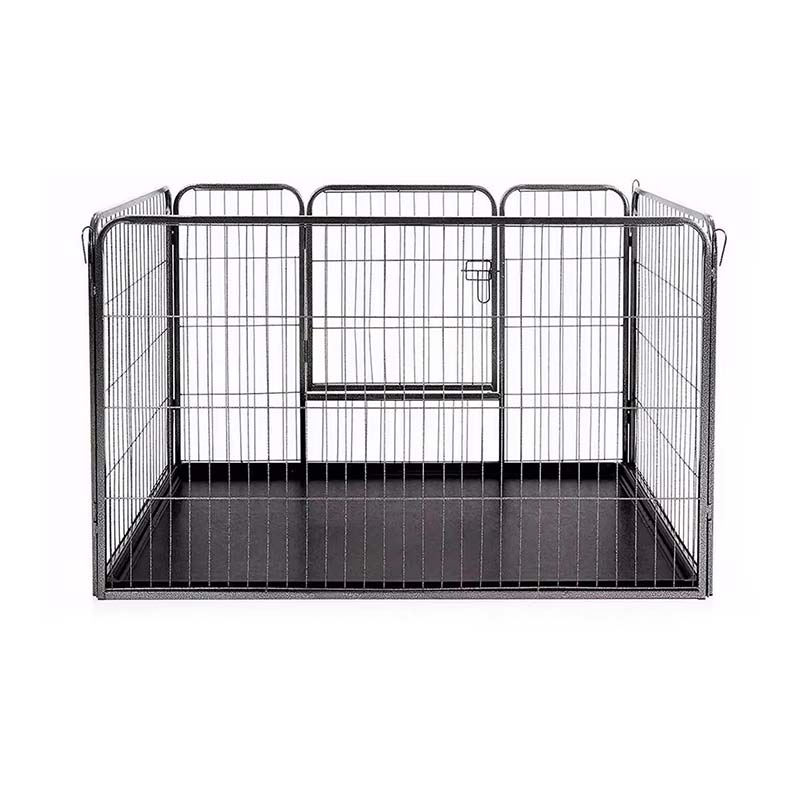
News
News & Update
-
Oct 05. 2026
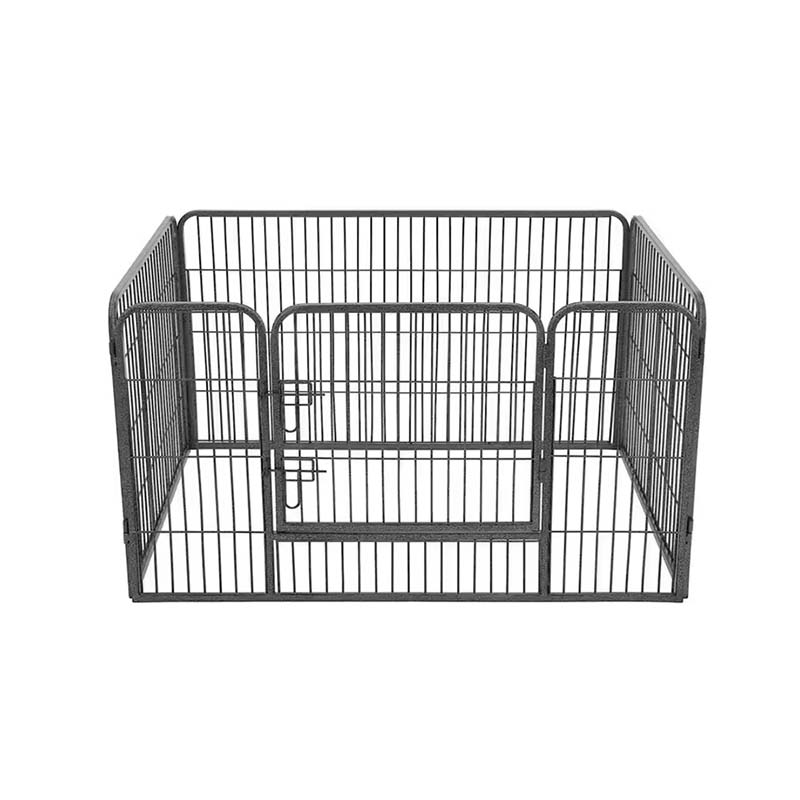
Crate Size by Breed: A Practical Sizing Guide for Pet Owners and WholesalersA customer once ordered a 36-inch crate for a Labrador Retriever puppy because an online chart listed “Labrador” under medium. Six weeks later, the puppy could not stand up without pressing his head against the top bars, and the retailer absorbed a return, a replacement shipment, and a frustrated review. That single m...
Read More -
Sep 28. 2026
Cleaning Cages: A Practical Guide from a Pet Cage Manufacturer and SupplierA groomer emails about a rust ring that appears on a dog crate tray three months after delivery. A cat owner says the litter cabinet still smells after a full scrub. A parrot breeder cannot lift dried droppings off a perch without a chisel. Every one of those complaints gets filed under cleaning cages, and every one o...
Read More -
Sep 21. 2026
How to Clean the Cage: Dog, Cat, Bird, and Small Animal Cleaning GuideHow often you clean the cage is just as important as how you clean it. The goal is not to clean the cage over and over; the goal is to clean the cage consistently and correctly so that your pet stays healthy and your enclosure lasts longer. This guide gives you a practical routine for dog crates, cat cages, bird cages...
Read More
Message Feedback
knowledge
Industry knowledge
1. Overview of Cat Cage & Activity Structures Supplies
Cat Cage & Activity Structures Supplies form a product category that covers housing, containment and enrichment equipment engineered for domestic cats across a wide range of household and institutional settings. This category generally includes metal cat cages, cat climbing frames, furniture-style enclosures and cat litter boxes, and although each item serves a distinct function, they are connected by a shared design intention: balancing secure containment with genuine opportunities for natural feline behavior, including climbing, scratching, resting, observation and elimination within a controlled indoor space. Products in this category are typically evaluated through several interconnected performance factors, such as structural load-bearing capacity, resistance to repeated scratching and chewing, corrosion resistance in metal components, ease of sanitation, and adaptability to varying room dimensions and household compositions.
A further characteristic that distinguishes Cat Cage & Activity Structures Supplies from generic pet accessories is the degree of modularity built into many product lines. Platforms, ramps, scratching panels and litter compartments can often be reconfigured or expanded depending on how many cats share a space and how that space is arranged, which allows a single base structure to be adapted over time rather than replaced outright. This section introduces the general scope of the category at a conceptual level, and the sections that follow move progressively into specific product types, their underlying working principles, comparative data across several performance dimensions, and practical maintenance considerations relevant to long-term ownership.
2. Common Types and Structural Characteristics
Within this category, four product types are most frequently encountered in household and institutional settings, and each reflects a different construction logic suited to a particular functional priority. Understanding the distinctions between them is a useful starting point before comparing specific structural or material data, and the table further below summarizes these distinctions in condensed form.
(1) Metal Cat Cages
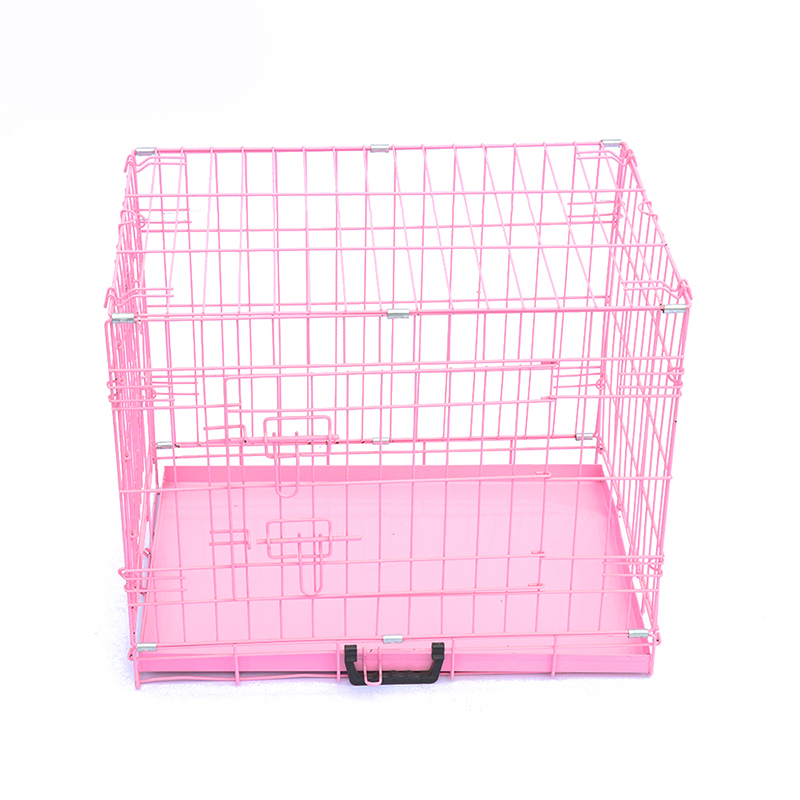
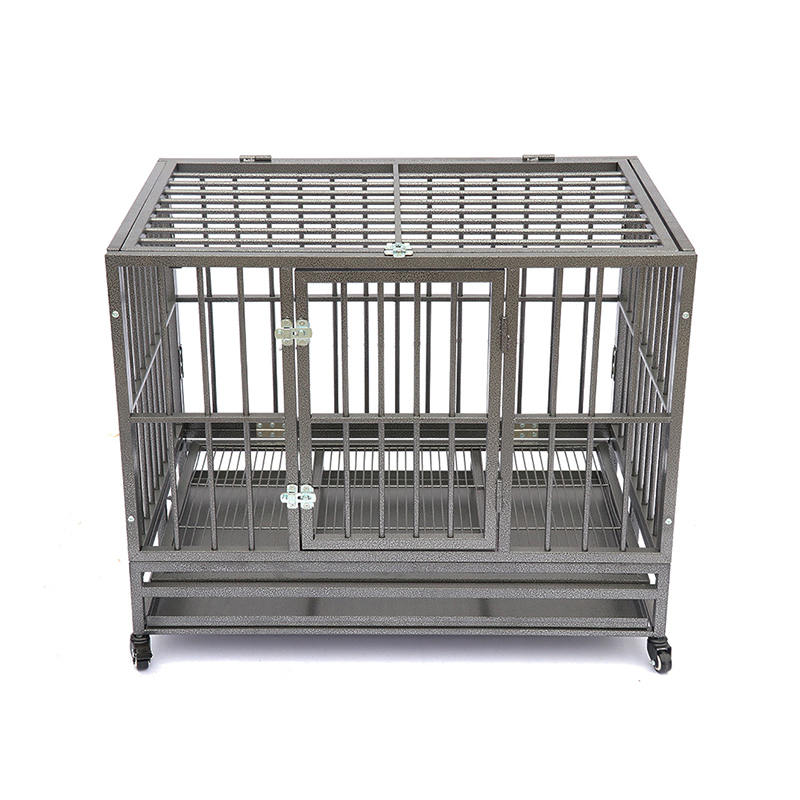
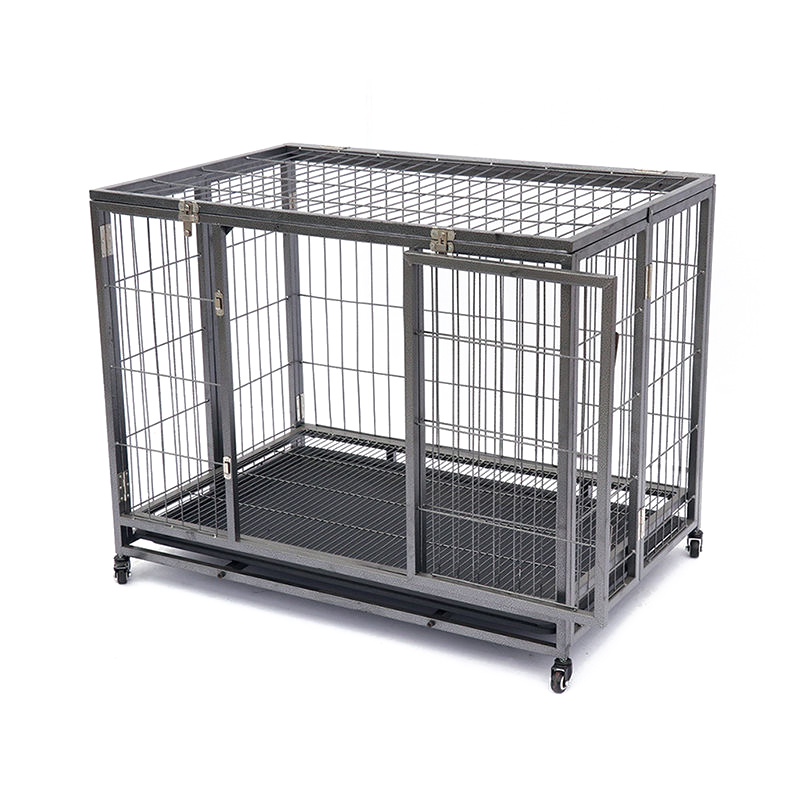
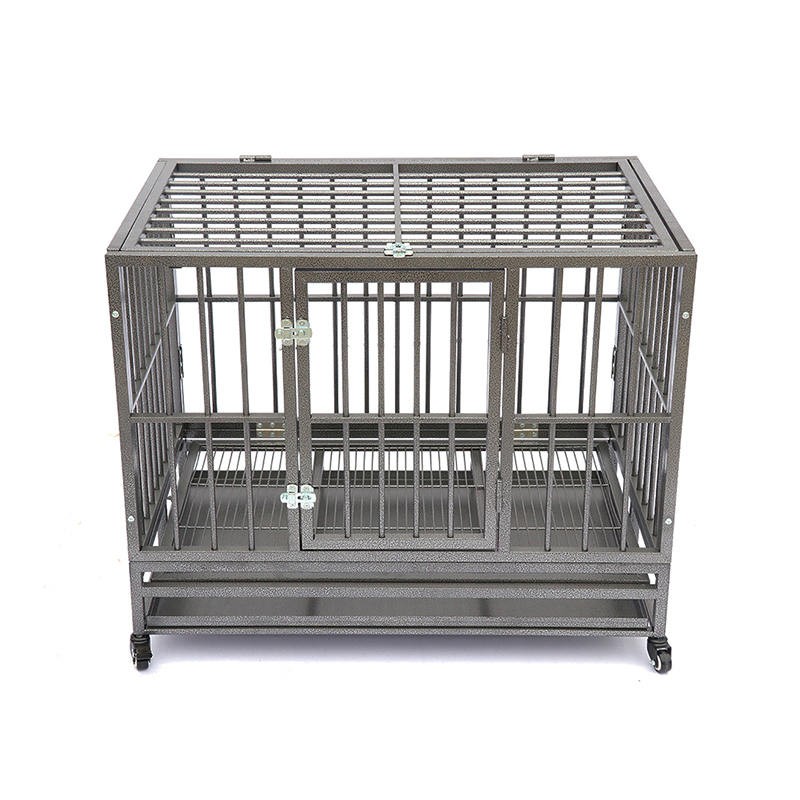
Metal cat cages are typically constructed from powder-coated steel wire or tube frames paired with a removable base tray, and this combination is chosen because it supports both structural rigidity and straightforward sanitation. They are commonly applied during temporary confinement periods, recovery intervals following veterinary procedures, or in the supervised housing of kittens that require closer monitoring than an open room would allow. Structural strength and rounded edge detailing are two attributes that are frequently referenced in this type, since they relate directly to load distribution across the frame and to the reduction of incidental contact injuries during normal movement.
(2) Cat Climbing Frames and Activity Towers
Cat climbing frames, sometimes described as cat trees or activity towers, are vertical structures built around multiple platforms, perches and integrated scratching posts. Their function is centered less on containment and more on behavioral enrichment, offering cats vertical territory in which to climb, rest at an elevated vantage point, and direct scratching behavior toward a designated surface rather than household furnishings.
(3) Furniture-Style Enclosures
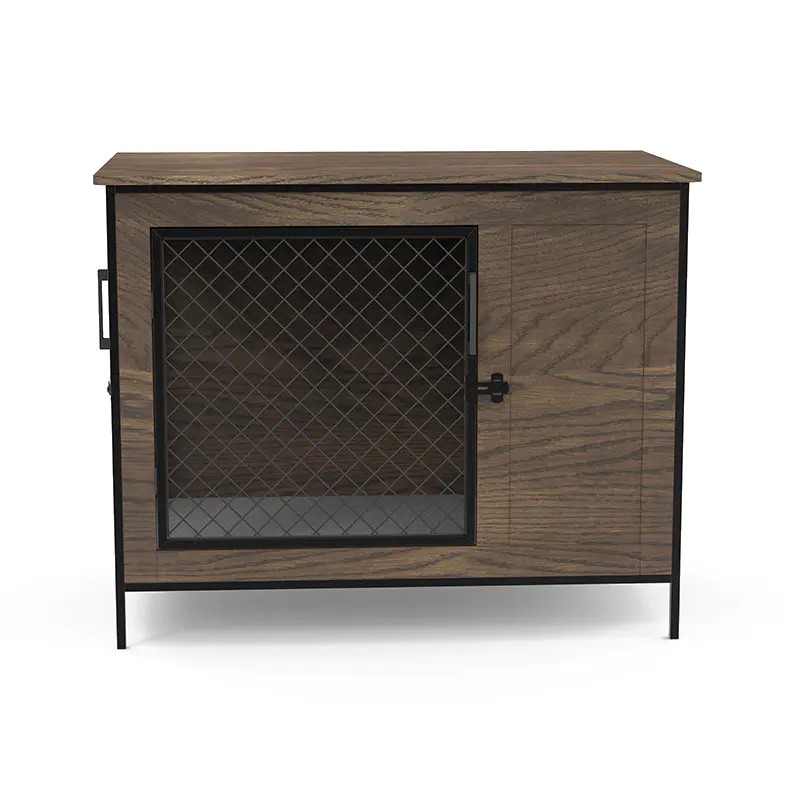
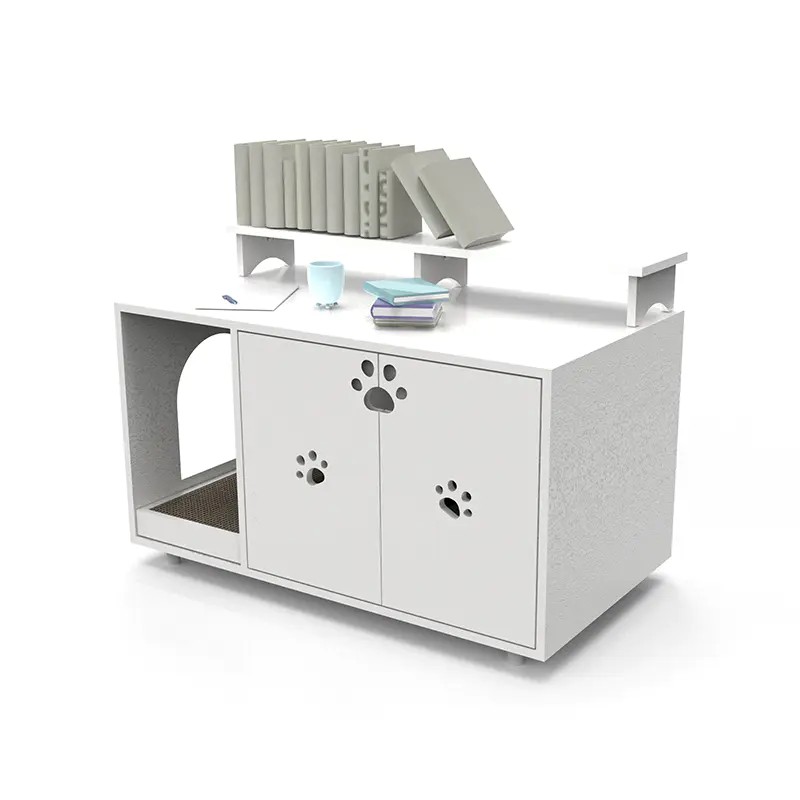
Furniture-style cat enclosures are designed to visually resemble ordinary household furniture, such as a side table or a low cabinet, while housing a functional cage or crate structure within the outer panel shell. This type is generally selected when the underlying objective is to integrate containment equipment into a shared living space without it visually reading as a conventional cage.
(4) Cat Litter Boxes
Cat litter boxes address the elimination function within the category and range from simple open pans to fully enclosed, hooded units. Relevant design variables include tray depth, entry height and the interior surface finish, each of which has a measurable relationship to odor retention, ease of scooping, and the overall cleaning frequency required to keep the unit sanitary.
| Product Type | Primary Material | Typical Use Case | Key Structural Feature |
|---|---|---|---|
| Metal Cat Cage | Powder-coated steel | Confinement, recovery, kitten housing | Rounded edges, removable tray |
| Cat Climbing Frame | Wood core, sisal rope | Behavioral enrichment | Multi-level platforms, scratching posts |
| Furniture-Style Enclosure | Engineered wood board | Integrated living-room housing | Furniture-style panel exterior |
| Cat Litter Box | High-density plastic | Elimination and waste management | Deep tray, low-entry opening |
3. Working Principles and Practical Applications
(1) Containment and Structural Load Principle
Metal cat cages rely on a frame-and-panel structure in which welded or bolted joints distribute the combined weight of the animal, internal accessories and any additional platforms evenly across the base. The removable tray at the bottom is a deliberate design choice that supports waste collection and periodic sanitation without requiring the frame itself to be disassembled, which in turn preserves structural integrity over repeated cleaning cycles. In veterinary or shelter environments, this structural approach is applied during post-procedure recovery, where restricted movement supports a controlled healing process, and in kitten housing, where a confined but stable space reduces the likelihood of falls or accidental entrapment during a stage of development marked by high curiosity and limited coordination.
(2) Behavioral Enrichment Principle
Cat climbing frames apply a markedly different principle, one centered on vertical territory and a dedicated scratching substrate rather than on load-bearing containment alone. Cats are generally observed to gravitate toward elevated platforms for resting and for visually surveying their surroundings, while sisal-wrapped posts provide a consistent, purpose-built surface for claw maintenance that can reduce scratching directed at upholstery or door frames. Furniture-style enclosures combine both principles in a single unit, using an external panel structure for visual integration with existing furniture while retaining an internal cage or crate for containment underneath. Manufacturers with sustained design and production experience across this category, including Pet Home (Haian) Co., Ltd, which has developed Cat Cage & Activity Structures Supplies for more than 15 years, generally apply structural and material testing during the design stage before a product line moves to export production.
4. Material Durability Reference
Before reviewing the chart below, it is worth considering how the choice of base material relates to product longevity within this category in more granular terms. Different components across cat cages, climbing frames and litter boxes are constructed from distinct materials, and each material carries its own characteristic resistance to wear, moisture exposure and repeated mechanical stress from daily use. The chart presented here offers a general, illustrative reference scale rather than a specific laboratory test result tied to a single production batch. It is intended to support a comparative understanding of the durability characteristics commonly associated with each material type used across this category. This reference becomes more useful when read alongside the dimensional and life-stage data introduced in the sections that follow, since material selection, structural height and expected activity level are rarely independent considerations in practice.
In this chart, powder-coated steel is shown with the highest relative value, which generally corresponds to its widespread use in metal cat cage frames that must withstand repeated movement, occasional impact and frequent cleaning without losing structural rigidity. Solid wood and engineered board are placed at a moderate level, reflecting their common application in climbing frames and furniture-style enclosures, where the overall load is distributed across several platforms and connection points rather than concentrated at a single joint. High-density plastic is positioned at a comparable moderate level, which is consistent with its typical role in litter box trays, where flexibility and resistance to moisture absorption matter more than rigidity in isolation. Sisal rope is shown toward the lower end of this particular scale, although this reading should be interpreted carefully, since sisal functions as a wear surface intended for scratching rather than as a structural component, meaning that gradual wear and eventual replacement form a normal part of its expected service life rather than an indication of a design shortcoming. Reading the chart from top to bottom allows a general comparison of which materials tend to be associated with load-bearing frame components as opposed to surface or accessory components subject to direct claw contact.
This type of reference can support buyers when comparing specification sheets across different product lines within the same category, particularly when trying to judge whether a stated material is more likely to relate to structural performance or to surface-level enrichment function. It is also worth noting that actual durability observed in practice can vary depending on coating quality, the degree of wood treatment applied, and the environmental conditions in which the product is used, including ambient humidity and the general activity level of the cats involved. For household buyers, this chart can serve as a starting point when deciding which material to prioritize, depending on whether the primary intended use is structural containment or surface-level enrichment and scratching. For institutional buyers such as shelters or veterinary clinics, frame material durability is often the more decisive factor, given the comparatively higher frequency of use and cleaning that such settings typically involve. Taken together with the dimensional and life-stage charts presented later in this article, this material reference contributes to a more complete picture of how material selection, structural design and expected usage pattern interact within Cat Cage & Activity Structures Supplies.
5. Typical Dimensional Range of Activity Structures
Before examining the bar chart below, it is helpful to understand in more detail how overall height and footprint tend to differ across the four product types covered in this category. Litter boxes, metal cages, furniture enclosures and climbing frames are generally designed at distinctly different dimensional scales, since each is built around a different functional priority rather than a shared baseline. Height in particular becomes a relevant variable for climbing frames, since vertical space is directly tied to their intended enrichment function, whereas for litter boxes a lower profile is generally preferred for reasons of accessibility rather than avoided for reasons of cost or material limitation. The chart below presents approximate typical height ranges in centimeters as a general point of reference for comparison across the four product types, and these figures represent illustrative averages intended to support general spatial planning rather than exact specifications drawn from any single product line.
The bar chart above places litter boxes at the lowest typical height, generally around 30 centimeters, since their function does not depend on vertical space and a lower entry height is generally preferred to make access easier for cats of varying age and mobility. Furniture-style enclosures are shown at a moderate height, generally around 70 centimeters, which corresponds to their design intention of visually aligning with common household furniture such as side tables or low cabinets rather than standing out as a dedicated pet structure. Metal cat cages appear somewhat taller on average, generally around 85 centimeters, since many units incorporate two or more internal levels connected by a small ramp or intermediate platform, which adds a degree of vertical usable space even within a primarily containment-oriented design. Cat climbing frames show by far the greatest typical height in this comparison, generally reaching 185 centimeters or beyond, a figure that reflects their core function of providing vertical territory distributed across several connected platforms rather than a single resting surface.
This dimensional pattern becomes practically relevant when planning ceiling clearance, doorway width for moving a product indoors, and the available floor footprint within a given room, and it is a consideration that is easy to overlook until a structure has already been delivered. Buyers working with limited vertical space, such as apartments with lower ceiling heights, may reasonably prioritize furniture enclosures or metal cages over taller climbing frames, while households with multiple cats or a comparatively higher activity level may instead prioritize taller climbing frames as a way of reducing territorial competition that tends to concentrate at floor level. Institutional buyers such as shelters commonly select a combination of shorter metal cages for containment purposes alongside moderate-height furniture units placed in shared common areas, which reflects a layered approach to space planning rather than a single uniform solution. This dimensional chart can be read together with the material durability reference from the previous section, since taller structures generally place greater relative importance on frame rigidity concentrated at the base, where cumulative load and leverage are highest. Overall, dimensional planning benefits from being considered alongside room layout, the number of resident cats, and the intended primary function of the unit before a final selection is made.
6. Activity Needs Across Feline Life Stages
Before reviewing the line chart below, it is useful to consider in more depth how a cat's general activity level tends to shift across different life stages, a pattern that is commonly referenced in feline behavior literature and that carries direct relevance for equipment selection within this category. Younger cats often display a stronger inclination toward climbing and exploratory play than older cats, which in practical terms means that a structure well matched to a kitten's needs may be underused, or in some cases entirely avoided, once that same cat reaches an advanced age. The chart below presents a general, illustrative activity level trend across four broad life stages, expressed on a relative scale rather than derived from a specific measured dataset tied to any particular product. This trend is intended to support selection decisions when matching a climbing frame configuration or cage layout to the expected age range of the cats sharing a given household, and the explanation that follows describes how this general pattern connects to concrete product selection choices.
The chart places the kitten stage at the highest relative activity level, which generally corresponds to more frequent climbing, exploration and play behavior commonly observed at this early age, when curiosity and physical development are both at their peak. The young adult stage remains relatively high on this scale, suggesting that this age group commonly continues to make regular and sustained use of climbing frames and vertical platforms as part of ordinary daily behavior. The adult stage shows a moderate decline relative to the two younger stages, which may indicate that fully mature cats tend to use enrichment structures somewhat less intensively, while continuing to derive clear benefit from resting platforms and dedicated scratching surfaces integrated into a climbing frame or furniture enclosure. The senior stage is placed at the lowest relative activity level on this particular scale, a pattern that relates to reduced mobility and a general preference for easily accessible resting areas over taller, more physically demanding climbing structures.
This overall trend supports a general selection approach in which households with kittens or young adult cats may reasonably prioritize taller climbing frames offering multiple connected levels, while households with senior cats may instead prioritize lower platforms, gentle ramps or single-level furniture enclosures that reduce the physical demand of daily movement. Multi-cat households spanning several age groups at once may benefit from combining a taller climbing frame intended primarily for younger cats with a lower furniture enclosure or ramp-accessible platform intended for older cats sharing the same space. This life-stage pattern also extends naturally to litter box selection, since senior cats often benefit from a lower entry height regardless of the general activity trend shown here for climbing structures specifically. It should be acknowledged that individual cats can and do vary from this general pattern depending on breed, health condition and prior environment, so this chart functions as a general orientation reference rather than a fixed rule applicable to every case without exception. Reviewing this life-stage trend alongside the dimensional chart from the previous section can help align structure height more closely with the expected activity level of the cats actually using the equipment, which in turn supports a more informed and considered selection process across Cat Cage & Activity Structures Supplies.
7. Multi-Dimensional Product Comparison
Before reviewing the radar chart below, it is worth considering in more detail that no single product type within this category tends to perform equally well across every relevant functional dimension at once. Metal cages, climbing frames and litter boxes each carry distinct relative strengths and corresponding limitations depending on the specific criteria being evaluated, whether that is structural durability, ease of cleaning, efficient use of floor space, or contribution to behavioral enrichment. The radar chart presented here compares these three common product types across five general dimensions using an illustrative relative scale rather than a fixed numerical benchmark drawn from formal testing. This visual format is useful precisely because it allows several attributes to be considered together rather than reviewed one at a time in isolation, which can otherwise obscure how trade-offs between different criteria actually play out in practice. The explanation following the chart describes, in general terms, how each product type tends to perform across these five dimensions relative to the other two.
In this radar chart, the metal cat cage is shown in black and generally scores highest on both durability and cleaning ease among the three product types, which relates closely to its solid welded frame construction combined with a removable tray designed specifically for regular sanitation. Its space efficiency and enrichment value are shown at a comparatively lower relative level, which reflects the fact that a metal cage is generally intended to serve containment purposes over defined periods rather than to support extended climbing or open-ended play activity. The cat climbing frame is shown in orange and scores highest on enrichment value among the three product types, which is consistent with its central role in supporting climbing, perching and scratching behavior across multiple connected levels. Its portability score is comparatively lower than the other dimensions shown for this product type, since larger climbing frames incorporating several platforms tend to be heavier overall and correspondingly less suited to frequent relocation within a home.
The cat litter box is shown in amber and scores highest on both cleaning ease and space efficiency among the three, which corresponds closely to its smaller physical footprint and its comparatively straightforward tray-cleaning process that does not require disassembly of any surrounding structure. Its enrichment value is shown at the lowest level among the three product types, which is an expected outcome given that its core function relates to elimination management rather than to behavioral enrichment of any kind. Reviewing all three shapes together makes clear that each product type covers a distinct combination of relative strengths, which supports the general practice of combining more than one product type within a single household rather than expecting a single unit to meet every functional requirement on its own. A household might reasonably combine a climbing frame chosen for its enrichment value with a litter box chosen primarily for cleaning ease and a metal cage reserved specifically for temporary confinement needs during recovery or supervised kitten care.
This comparison also helps explain why product selection is better approached by identifying the primary function required in a given space rather than by assuming that any one product type is broadly superior across every possible criterion. Institutional buyers such as shelters or veterinary clinics can apply this type of multi-dimensional comparison to prioritize durability and cleaning ease when selecting equipment intended for higher-frequency use across many animals over time. This radar chart, considered together with the material durability reference and the dimensional chart introduced in earlier sections, provides a broader and more coherent frame of reference for comparing product types before a final selection is made within Cat Cage & Activity Structures Supplies.
8. Application Scenarios and Selection Points
(1) Single-Cat Household Scenario
In a single-cat household, selection generally centers on matching one climbing frame or furniture enclosure to the available room space and ceiling clearance, combined with one appropriately sized litter box positioned away from feeding and resting areas to reduce any association between the two functions.
(2) Multi-Cat Household Scenario
Multi-cat households commonly require additional vertical space and more than one litter box in order to reduce competition for shared resources, along with sturdier frame construction across all structures to support simultaneous use by more than one cat without a loss of stability.
(3) Shelter and Clinic Scenario
Shelters and veterinary clinics generally prioritize metal cat cages fitted with removable trays and washable surfaces, since these features directly support the frequent cleaning and rapid rotation between different animals that such settings typically require on a daily basis.
Across all three scenarios described above, the underlying selection points remain broadly consistent and include the available floor and vertical space, the number of cats expected to use the equipment concurrently, the frequency of cleaning realistically required, and whether the structure needs to visually integrate with a shared living space rather than stand apart as dedicated pet equipment. Suppliers with sustained design and production experience across this category, including companies such as Pet Home (Haian) Co., Ltd, generally support these selection decisions by offering configurations that can be adapted to different room layouts and differing cat populations rather than relying on a single fixed design.
9. Maintenance Guidance
- Remove and clean litter box trays on a regular schedule to reduce odor buildup and to maintain a consistently hygienic surface for daily use.
- Inspect metal cage joints and surface coating periodically for early signs of wear, and address any areas of exposed metal promptly before they expand further.
- Vacuum or brush sisal rope and carpeted surfaces on climbing frames regularly to remove loose fibers and accumulated shed fur from daily scratching activity.
- Check furniture-style enclosure panels for loose fasteners on a routine basis, particularly in households where more than one cat shares the same structure.
- Rotate or replace worn scratching surfaces on climbing frames as needed, in order to maintain their intended function over the full life of the structure.
- Dry all washable components fully before returning cats to the structure, since residual moisture can affect both material longevity and general cleanliness.
10. Frequently Asked Questions
What is the difference between a metal cat cage and a furniture-style enclosure?
A metal cat cage is generally an open frame structure used primarily for containment, while a furniture-style enclosure houses a broadly similar containment function inside a panel exterior specifically designed to resemble household furniture rather than a dedicated cage.
How often should a climbing frame's scratching surface be replaced?
Replacement frequency generally depends on how actively the surface is used on a daily basis, with visibly worn sisal rope or noticeably fraying carpet serving as a practical indicator that replacement is due.
Are metal cat cages suitable for long-term housing?
Metal cat cages are generally better suited to temporary confinement, defined recovery periods or supervised kitten housing rather than continuous long-term housing without regular access to broader living space.
Do senior cats need a different type of structure compared to kittens?
Senior cats generally benefit from lower platforms and more accessible entry points, while kittens and young adult cats tend to make more consistent use of taller, multi-level climbing frames as part of daily activity.
Can suppliers customize configurations within this category?
Many manufacturers of Cat Cage & Activity Structures Supplies, including Pet Home (Haian) Co., Ltd, offer configuration adjustments such as platform count, panel finish or tray depth based on established OEM and ODM production experience.
Your pet deserves good, Contact now.
Whether you want to become our partner or need our professional guidance or support in product selections and problem solutions, our experts are always ready to help within 12 hours globally.
 CONTACT US

QUICK LINKS
PRODUCTS
-
Address
- Room 501,Unit 1 ,Buliding 6,Wuyi Guoji Xincheng,No.379,Zhuxi Avenue,Jianyang District,Nanping City, Fujian Province.
- No. 139-6 , Tongyu Middle Road, Nantong, Jiangsu, China
-
Mobile
- +86-13616986006
-
E-mail :

Copyright © 2025 Pet Home (Haian) Co., Ltd All Rights Reserved. Wholesale Cat Cage & Activity Structures Factory Cat Cage & Activity Structures Company

